
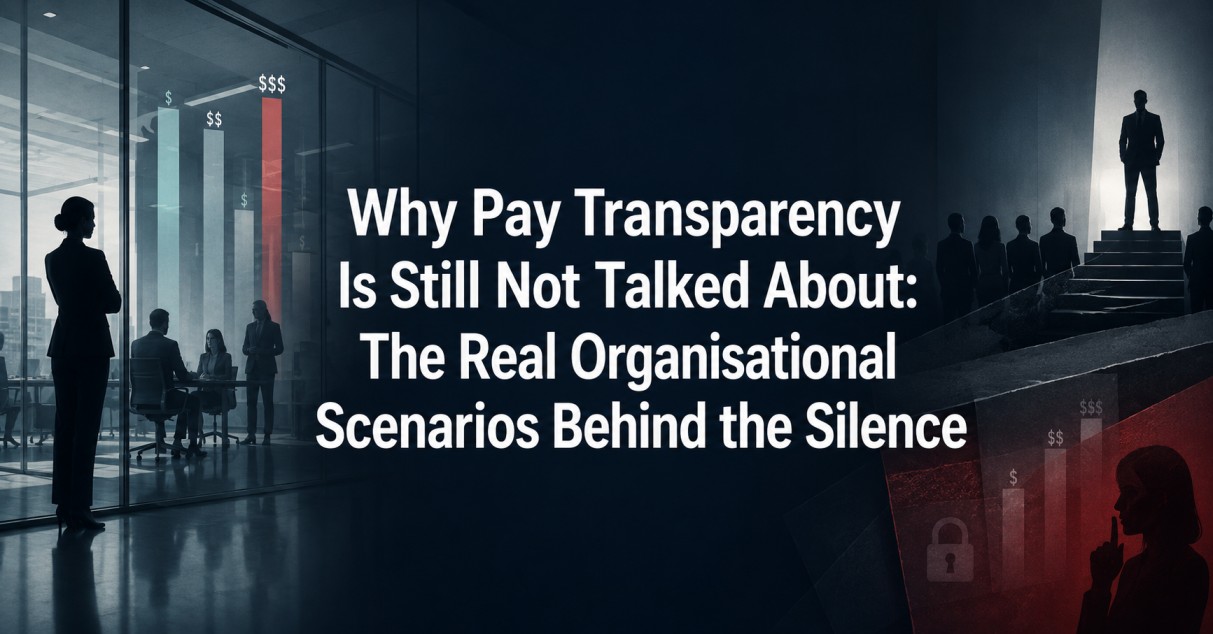
#155 Why Pay Transparency Is Still Not Talked About: The Real Organisational Scenarios Behind the Silence 为什么薪酬透明仍然鲜少被谈起:沉默背后的真实组织场景
Pay transparency sounds simple on the surface. Employees want to know whether they are paid fairly. Employers want to attract talent, retain people and build trust. Regulators increasingly want organisations to show that pay decisions are not discriminatory, arbitrary or opaque.
Yet in many workplaces, pay remains one of the least openly discussed topics.
The usual explanation is that companies are “not ready”. That is partly true. Many organisations do not have clean job architectures, proper salary bands, consistent performance frameworks or managers trained to explain compensation decisions. But beneath the technical explanation lies a more uncomfortable question:
Is pay transparency avoided because organisations are administratively unprepared — or because transparency would reveal how power really works inside the organisation?
Compliance Is Forcing the Conversation, But Culture Is Still Resisting It
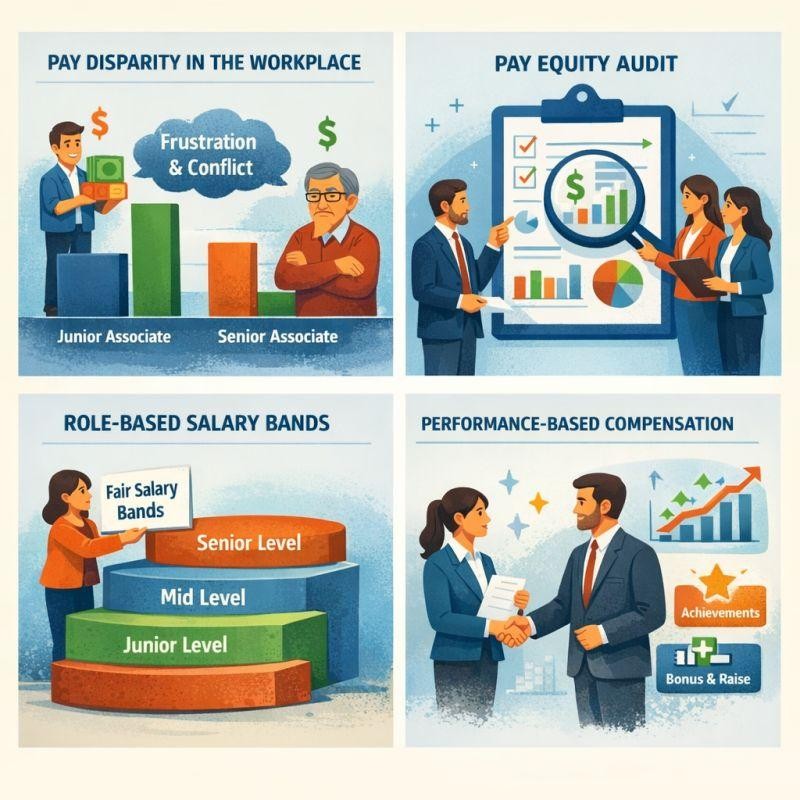
Globally, pay transparency is increasingly driven by law. In parts of the West, especially Europe and some US states, companies are being pushed to disclose salary ranges, explain pay gaps and justify compensation decisions. In these markets, transparency is moving from “good practice” to legal obligation.
In Asia, the movement is more uneven. Singapore, for example, places strong emphasis on fair employment practices, job advertising and merit-based hiring, but broad-based mandatory disclosure of internal salary ranges is not yet as developed as in the EU. Many Asian employers still treat pay as confidential, sensitive and best managed quietly.
This difference is not merely legal. It is cultural.
Western workplaces tend to be more individual-rights driven. Employees are more likely to ask, challenge, negotiate and litigate. Asian workplaces, including Singapore, often operate within stronger hierarchies, face-saving norms and indirect communication styles. Employees may suspect unfairness but hesitate to raise it openly for fear of being labelled “difficult”, “ungrateful” or “not a team player”.
This makes pay transparency a particularly sensitive topic in Asia. It does not only reveal salary differences. It may reveal hierarchy, favouritism, political protection, legacy promises, family ties, hidden obligations and informal power structures.
Scenario 1: The “Scapegoat” Hire
One uncomfortable possibility is that some managers, directors or senior executives are hired not because they are truly empowered, but because they are useful buffers.
They may be given impressive titles, visible accountability and high-pressure deliverables, but without real authority over budgets, people, systems or final decisions. When things go wrong, they become convenient fall guys.
In such cases, pay transparency becomes dangerous because it may expose a mismatch between title, compensation and real power. A person may appear senior on paper but lack the backing, mandate or resources to succeed. Conversely, someone behind the scenes may hold more influence while carrying less formal accountability.
If salary bands and role expectations were transparent, employees could ask hard questions:
Why is this person paid at director level but denied director-level authority? Why is another person lower in title but protected from responsibility? Why are accountability and compensation not aligned?
Pay transparency therefore threatens not only salary secrecy, but the architecture of organisational blame.
Scenario 2: The Protected Insider
Another scenario is the protected insider: a relative, close friend, romantic partner, family connection, investor-linked person or politically connected hire.
Such individuals may receive high pay, flexible expectations, vague job scopes or low-pressure appointments. They may hold titles that sound modest but receive compensation above market. Alternatively, they may hold inflated titles with limited measurable contribution.
This is not always illegal. Family businesses, founder-led companies and relationship-driven Asian business environments often rely on trust networks. A founder may genuinely believe that a relative or trusted companion deserves to be looked after. A board member may want someone loyal near the centre. A business owner may prefer a known person over an unknown professional.
The problem arises when protected arrangements distort fairness.
If other employees carry heavier workloads, larger targets and greater risk but earn less, resentment builds. People may not say it aloud, but they notice. They see who is expected to deliver and who is shielded. They see who is scrutinised and who is excused.
Pay transparency would force the organisation to answer: is compensation based on contribution, loyalty, relationship, risk, market value or personal obligation?
Many organisations are not ready to answer that honestly.
Scenario 3: Title Inflation Without Pay Alignment
Some companies avoid pay transparency because job titles have become disconnected from pay and responsibility.
A “Head of” may not actually head a team. A “Director” may not direct strategy. A “Manager” may be an individual contributor. A “Senior Executive” in one department may carry more responsibility than an “Assistant Director” elsewhere.
This is especially common in organisations that use titles as cheap retention tools. Instead of paying more, they promote titles. Over time, the organisation accumulates inflated designations that do not match decision rights, salary bands or accountability.
Pay transparency would expose the inconsistency. Employees would quickly compare:
Why does this “Manager” earn more than that “Director”? Why does one “Senior Manager” manage nobody while another manages ten people? Why are people with similar titles paid so differently?
Without clean job architecture, pay transparency can become organisational chaos. That is why many companies delay the conversation.
Scenario 4: Historical Overpayment and Legacy Promises
Some employees are overpaid because of historical reasons.
They may have joined during a talent shortage. They may have been counter-offered aggressively. They may have been brought in by a former leader. They may have received hardship premiums, expatriate packages, retention bonuses or legacy allowances that no longer reflect current market conditions.
Meanwhile, newer employees may be hired at lower rates because market conditions changed or budgets tightened.
This creates compression and inversion: new hires may earn more than loyal long-serving staff, or older employees may earn far above newer colleagues performing similar work.
Management often avoids transparency because correcting these gaps is expensive. Once employees see the differences, the organisation must either explain them, remediate them or accept reputational damage.
Silence is cheaper in the short term.
Scenario 5: The “High Pay, Low Accountability” Executive
In some organisations, certain senior people are paid not for what they do today, but for who they know, what they represent, or what risk they absorb.
They may be former officials, industry veterans, rainmakers, investor-facing personalities, founders’ allies, or relationship holders. Their contribution may be intangible: opening doors, calming stakeholders, lending credibility or protecting institutional memory.
The issue is not that intangible value is invalid. In business, networks and trust do matter.
The issue is that the rest of the organisation may not understand why such individuals are paid highly while operational teams carry the daily workload. If their value is not explained, employees may perceive unfairness even when the appointment has strategic logic.
Pay transparency forces leaders to define value more clearly. Is the person paid for execution, relationships, risk management, governance, institutional knowledge or symbolic leadership?
If the answer cannot be articulated, the pay decision becomes vulnerable.
Scenario 6: The Underpaid Loyalist
Pay secrecy also protects another uncomfortable reality: loyal employees are often underpaid.
Many companies reward external hires better than internal staff. A person who stays, supports the organisation and avoids confrontation may be taken for granted. Meanwhile, someone hired from outside may receive a higher package because the company had to “meet market”.
This is one of the most common causes of quiet dissatisfaction. Employees do not always leave because they dislike the company. They leave because they discover that loyalty has been discounted.
Pay transparency would expose whether internal progression is real or merely rhetorical.
Scenario 7: Performance Pay Without Performance Logic
Many organisations say pay is linked to performance. But when employees ask how, the explanation becomes vague.
Performance ratings may be subjective. Bonus pools may be discretionary. Managers may lack documentation. High performers may be told “budget is tight” while politically favoured employees receive better increments.
Without transparent criteria, performance pay becomes a trust problem.
This is why manager readiness matters. Pay transparency is not just about publishing numbers. It is about whether managers can explain the relationship between role, contribution, performance, potential and reward.
If managers cannot explain pay, employees will supply their own explanations — usually involving favouritism, politics or discrimination.
Scenario 8: Grant-Funded Hiring and the Question of Disclosure
In Singapore, another important question arises: if an employee is hired with government grant support, should other staff be told?
There is no simple answer. Individual salary details and personal funding arrangements may involve confidentiality, privacy and HR sensitivity. Employers should not casually disclose another employee’s compensation or personal circumstances.
However, from a governance perspective, there is a strong case for greater internal transparency at the policy level.
If a company receives salary support, training support or overseas market immersion support for certain roles, employees may reasonably want to know:
Is the role commercially sustainable after the grant ends? Is the employee being paid fairly compared with others? Is the grant being used for genuine capability building or merely to reduce payroll cost? Are existing staff disadvantaged because new grant-supported hires receive more training or exposure? Will the company retain the person after the funding period? Is there a conflict of interest in who is selected for grant-supported opportunities?
The right approach is not to expose private salary details. Rather, organisations should disclose the existence of grant-supported programmes, the selection criteria, the purpose of the funding, the obligations attached and how fairness is maintained.
In other words: protect individual privacy, but be transparent about the governance framework.
This is especially important when public funds are involved. If taxpayers support workforce transformation, companies should be able to explain how the support builds capability, protects fairness and avoids abuse.
Is This More Prevalent in Singapore, Asia or the West?
The phenomenon exists everywhere, but it appears differently across regions.
In the West, pay secrecy is increasingly challenged by law, litigation risk, employee activism and public reporting. Companies may still have inequities, but they face stronger external pressure to explain them.
In Asia, including Singapore, the issue may be more culturally embedded. Many organisations are hierarchical, relationship-driven and cautious about open confrontation. Employees may avoid direct salary discussions because they fear career consequences. Employers may prefer discretion because it preserves managerial flexibility and social harmony.
This does not mean Asia is less fair, nor does it mean the West is more ethical. The difference is that Western systems increasingly force disclosure, while many Asian systems still rely on trust, discretion and leadership judgement.
Singapore sits somewhere in between. It has strong institutions, clear employment rules and an emphasis on meritocracy. But culturally, many workplaces still avoid open pay conversations. Employees may value fairness, but they may not yet feel safe challenging pay decisions openly.
That makes Singapore an interesting test case. If pay transparency is introduced thoughtfully, it could strengthen meritocracy. If introduced carelessly, it could create distrust, resentment and defensive management behaviour.
Why Leaders Avoid the Topic
Pay transparency is avoided because it forces leaders to confront several hard truths:
Some people are overpaid. Some people are underpaid. Some titles are inflated. Some roles are poorly designed. Some managers cannot explain compensation. Some protected relationships exist. Some historical decisions cannot be defended today. Some people carry accountability without authority. Some compensation decisions are based on politics rather than contribution.
The fear is not transparency itself. The fear is exposure without readiness.
The Way Forward: Transparency With Architecture
Pay transparency should not mean dumping everyone’s salary into a spreadsheet. That would create noise, not fairness.
A mature approach should include:
Clear job levels and role definitions. Salary bands tied to market data. Transparent promotion criteria. Manager training for pay conversations. Documented performance and reward logic. Regular pay equity reviews. Conflict-of-interest declarations for related-party hires. Governance rules for grant-funded roles. Internal communication that explains principles without violating privacy.
The goal is not to remove all pay differences. Different people can and should be paid differently based on role, skill, performance, scarcity, experience, risk and contribution.
The goal is to make differences explainable.
Beyond Pay: When Transparency Becomes a Question of Public Trust

Pay transparency is not only about salary. At a deeper level, it is about whether ordinary people believe institutions are fair, accountable and respectful.
This is why the pay transparency conversation can easily spill over into wider public experiences — hospitals, food courts, public services, grant-funded hiring, frontline service quality and the lived reality of Singaporeans who feel increasingly displaced in their own country.
Some readers have shared personal experiences that point to a broader concern: when service standards fall, when accountability is unclear, and when citizens feel dismissed, the issue is no longer just about one rude staff member or one bad service encounter. It becomes a question of whether the system is still designed around the people it is meant to serve.
One reader shared an experience at a well-known public children’s hospital. According to her, when she asked about a locker cabinet that was not functioning, a nurse simply said, “It’s broken,” avoided proper eye contact, and walked away. On its own, this may sound like a small incident. Healthcare staff are often overworked, emotionally stretched and under pressure. But to a worried parent with a sick child, tone, eye contact and basic courtesy matter.
The same reader raised an even more serious concern: should patients with similar infectious conditions be grouped more carefully in shared wards?
She recounted that her child was first admitted for gastroenteritis, a bacterial infection affecting the colon, but was allegedly placed near other patients who had influenza. Her child later recovered from the gastroenteritis and was discharged, only to be admitted again the following day with influenza A or B, based on her recollection. Whether or not the infection was acquired during the hospital stay would require proper medical investigation. But the concern itself is legitimate: in shared wards, infection-control practices, patient grouping, ventilation, bed spacing and communication with parents all become matters of trust.
When people do not receive clear explanations, they begin to ask difficult questions:
Was the ward arrangement clinically necessary? Were infection risks properly explained? Were parents given choices or alternatives? Were frontline staff too stretched to communicate with empathy? Was this an isolated incident or a systemic issue?
Transparency, in this context, is not about blaming individual nurses or frontline workers. It is about whether public institutions can communicate clearly, respond respectfully and explain operational decisions that affect families.

Another reader shared a very different but equally revealing experience at a food court in Novena. She had travelled there specifically for Hakka Yong Tau Foo, a dish she used to enjoy in her own neighbourhood before that stall ceased operations. With great anticipation, she ordered her food and helped herself to her favourite chilli. However, after staining her hands, she went briefly to the restroom to wash them.
When she returned, the stallholder was angry and started scolding her: “你在哪里?我喊你但是你不在。” A commotion followed.
What made the situation more painful was that the reader had not gone there looking for conflict. She had gone there with nostalgia, appetite and expectation. She also observed something interesting: she is often known to bring queues wherever she goes. Before she ordered, there had reportedly been no queue. After she placed her order, a queue of five to six people formed.
Yet instead of feeling welcomed as a customer, she felt reprimanded.
To be fair, not everyone in the food court behaved poorly. The reader was thankful that a neighbouring chicken rice stallholder answered her questions tactfully, especially when she asked about whether oil would be added for soup fragrance. She declined it because her children had just been discharged from hospital. That small act of patience stood out because it showed what service can be: not servility, but basic human consideration.
As a Hakka, I feel disappointed hearing this experience. Food is not merely a transaction. Hakka Yong Tau Foo carries memory, dialect culture, family taste and neighbourhood identity. When the service experience becomes harsh or dismissive, something deeper is lost.
The reader also observed that some stall staff appeared to be foreigners with accents. Her emotional conclusion was painful: she felt that Singaporeans are being treated badly in their own country, that local job opportunities have become more difficult, and that even some foreign service staff seem to look down on Singaporeans during ordinary daily interactions.
We need to be careful here. It is not fair to blame all foreigners, nor should Singapore descend into xenophobia. Many foreign workers, nurses, cleaners, cooks and service staff work hard, endure difficult conditions and contribute meaningfully to Singapore.
But it is equally wrong to dismiss the emotional reality of Singaporeans who feel squeezed, ignored or disrespected.
When locals feel that good jobs are harder to secure, service roles are increasingly filled by foreigners, frontline standards are uneven, and public institutions are not transparent enough, resentment grows. The issue is not foreign manpower alone. The issue is whether the system still feels fair.
This brings us back to a difficult national question:
Is Singapore becoming a nice country mainly for elites, large corporations and affluent foreigners, while ordinary Singaporeans are expected to absorb rising costs, job insecurity, service decline and social discomfort quietly?
Government leaders have spoken about the need for growth to translate into good jobs and opportunities for Singaporeans. But if people on the ground increasingly feel that economic growth does not automatically create dignity, security and respect for citizens, then the policy promise becomes vulnerable.
This is where transparency matters.
If companies receive government grants to hire or train workers, employees should understand the purpose, selection criteria and fairness safeguards. If foreign manpower is used, citizens deserve confidence that it complements rather than displaces the Singaporean core. If public hospitals are under strain, families deserve clear communication about warding, infection control and service recovery. If food courts and service outlets rely heavily on foreign labour, operators must still ensure that customer service standards reflect Singapore’s expectations of respect, courtesy and care.
Transparency does not mean exposing every private detail.
It means institutions must be able to explain themselves.
Why was this person hired? Why is this role grant-supported? Why are locals not being trained for this pathway? Why are service standards inconsistent? Why are patients grouped this way? Why does the customer feel scolded instead of served? Why does the citizen feel like a stranger in his or her own country?
Pay transparency is only the starting point. The larger issue is trust transparency.
A fair society is not one where everyone earns the same, receives the same treatment, or has the same outcome. A fair society is one where differences can be explained, decisions can be justified, and people are treated with dignity.
When explanations disappear, resentment takes their place.
And when ordinary people feel they are no longer respected in their own country, the conversation is no longer only about pay.
It becomes a conversation about the social compact itself.
Conclusion: Pay Transparency Is Really Power Transparency
Pay transparency is not merely an HR trend. It is a test of organisational integrity.
When companies resist it, the question should not only be “Are they ready?” The deeper question is “What would transparency reveal?”
Would it reveal fair structures that need better communication? Or would it reveal hidden privilege, weak governance, inflated titles, protected insiders, underpaid loyalists and scapegoated managers?
The future of pay transparency will not be won by companies that disclose numbers first. It will be won by companies that build systems strong enough for the numbers to be explained.
Because in the end, employees do not only want to know what others are paid.
They want to know whether the organisation is honest about value, responsibility and fairness.
This article is published on LinkedIn.
为什么薪酬透明仍然鲜少被谈起:沉默背后的真实组织场景
薪酬透明,表面上听起来很简单。
员工想知道自己是否被公平对待。雇主希望吸引人才、留住人才,并建立信任。监管机构也越来越希望企业证明其薪酬决策并非基于歧视、随意判断或不透明的内部安排。
然而,在许多职场中,薪酬仍然是最少被公开讨论的话题之一。
通常的解释是:企业“还没有准备好”。
这当然有一定道理。许多组织没有清晰的岗位架构、合理的薪酬等级、统一的绩效框架,也没有受过训练、能够清楚解释薪酬决定的管理者。
但在技术性解释之下,其实隐藏着一个更不舒服的问题:
企业回避薪酬透明,究竟是因为行政上还没准备好,还是因为一旦透明,就会揭示组织内部权力真正运作的方式?
合规正在推动对话,但文化仍在抗拒
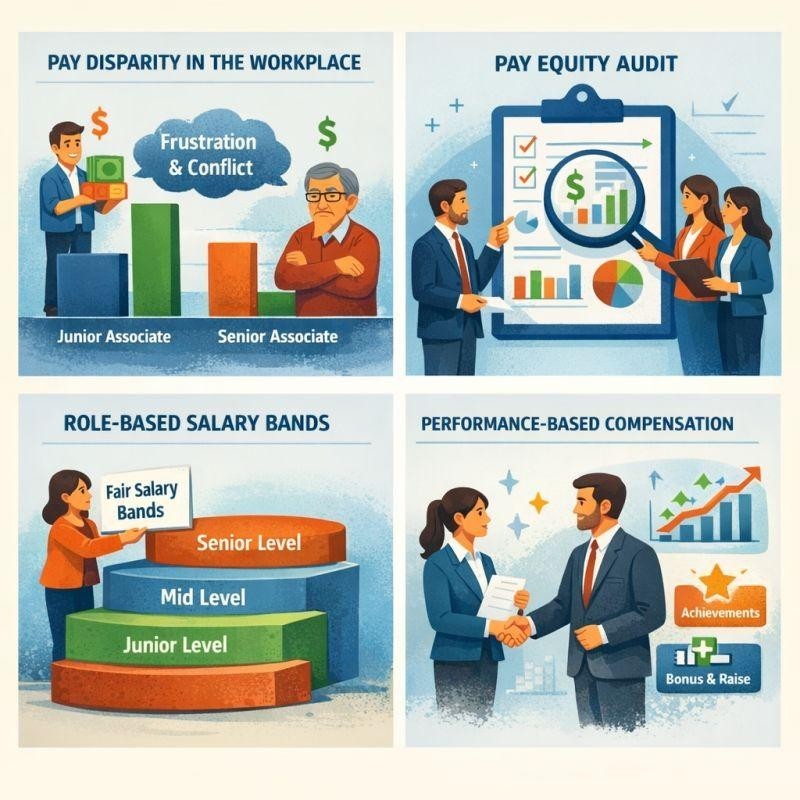
在全球范围内,薪酬透明越来越受到法律和监管的推动。在西方部分市场,尤其是欧洲和美国一些州,企业正被要求披露薪酬范围、解释薪酬差距,并说明薪酬决策的依据。在这些市场,薪酬透明正在从“良好实践”变成“法律义务”。
在亚洲,发展则相对不均衡。
以新加坡为例,我们重视公平雇佣、岗位广告和以能力为本的招聘原则,但对于私人企业内部薪酬范围的全面强制披露,目前仍不像欧盟那样成熟。许多亚洲雇主依然把薪酬视为敏感、保密、最好低调处理的事情。
这种差异不只是法律问题,也是文化问题。
西方职场更强调个人权利。员工更可能提出问题、挑战制度、谈判薪酬,甚至通过法律途径争取权益。亚洲职场,包括新加坡,则往往更重视层级、面子和间接沟通。员工即使怀疑不公平,也可能因为害怕被贴上“难搞”“不知足”“不合群”的标签,而不敢公开提出。
这使得薪酬透明在亚洲尤其敏感。
因为它揭示的不只是工资差异。它也可能揭示层级、偏袒、政治保护、历史承诺、家族关系、隐藏义务,以及非正式权力结构。
场景一:被安排成为“替罪羊”的高管或经理
一个令人不舒服的可能性是:有些经理、总监或高级管理人员,并不是被真正授权去成功,而是被安排成为有用的缓冲层。
他们可能拥有体面的职衔、可见的责任,以及高压的交付目标,却没有真正掌握预算、人事、系统或最终决策权。一旦事情出错,他们就成了方便的“替罪羊”或“背锅侠”。
在这种情况下,薪酬透明会变得危险,因为它可能揭示职衔、薪酬与真实权力之间的不匹配。
一个人表面上看起来很高级,却没有相应的授权、资源或支持。相反,某些躲在幕后的人员,可能拥有更大的影响力,却承担更少的正式责任。
如果薪酬等级与岗位期望变得透明,员工就会开始提出尖锐的问题:
为什么这个人拿着总监级别的薪酬,却没有总监级别的权力?
为什么另一个人的职衔较低,却受到保护、不必承担真正责任?
为什么问责、权力和薪酬之间并没有对齐?
因此,薪酬透明威胁的不只是薪酬保密制度,而是组织内部“责任如何被分配、过错如何被转嫁”的结构。
场景二:被保护的“自己人”
另一种场景是“被保护的内部人”。
这个人可能是亲属、朋友、伴侣、家族关系、投资人相关人士,或政治上有背景的人。
这类人可能获得较高薪酬、较宽松的要求、模糊的工作范围,或压力较低的任命。他们可能职衔看起来不高,但薪酬高于市场水平;也可能拥有听起来很重要的头衔,却没有承担相应的实际贡献。
这并不一定违法。
家族企业、创办人主导的公司,以及高度依赖关系和信任的亚洲商业环境,确实常常依靠熟人网络。创办人可能真心认为,一个亲属或值得信任的人应该被照顾。董事会成员可能希望在核心位置安排忠诚的人。企业主也可能宁愿相信熟人,而不是未知的外部专业人士。
问题在于,当这些被保护的安排扭曲了公平性,组织就会出现裂痕。
如果其他员工承担更重的工作量、更大的业绩目标、更高的风险,却拿着较低的薪酬,不满就会慢慢累积。
人们未必会明说,但他们会看在眼里。
他们知道谁被要求交付成果,谁被保护起来;谁被严格审视,谁被轻轻放过。
薪酬透明会迫使组织回答一个问题:
薪酬到底是根据贡献、忠诚、关系、风险、市场价值,还是私人义务来决定的?
许多组织并没有准备好诚实地回答这个问题。
场景三:职衔膨胀,但薪酬与责任没有对齐
有些企业回避薪酬透明,是因为内部职衔早已和薪酬、责任脱节。
一个“主管”可能并没有真正管理团队。
一个“总监”可能并没有真正主导战略。
一个“经理”可能只是个人贡献者。
一个部门的“高级执行员”,可能比另一个部门的“助理总监”承担更多实际责任。
这种情况在使用职衔作为廉价留才工具的企业中尤其常见。
公司不愿加薪,就给职衔。久而久之,组织内累积了一堆听起来很高级、却没有匹配决策权、薪酬等级和问责边界的职位名称。
薪酬透明会揭露这种不一致。
员工会很快开始比较:
为什么这个“经理”比那个“总监”赚得更多?
为什么一个“高级经理”没有管理任何人,而另一个高级经理却管理十几个人?
为什么职衔相似的人,薪酬差异如此巨大?
如果没有干净清晰的岗位架构,薪酬透明可能会变成组织混乱的开始。
这也是为什么许多企业一直拖延这个话题。
场景四:历史性高薪与过去的承诺
有些员工薪酬偏高,是因为历史原因。
他们可能是在人才短缺时期被高价招进来的。
他们可能曾经收到激烈的反邀约。
他们可能是由前任领导引进的。
他们可能享有艰苦津贴、外派配套、保留奖金或历史遗留福利,而这些条件在今天已经不再符合市场现实。
与此同时,新员工可能因为市场转冷或预算收紧,而以较低薪酬加入。
这就造成薪酬压缩和倒挂:
新员工可能比忠诚服务多年的老员工赚得更多;或者老员工可能远高于执行类似工作的新人。
管理层往往避免透明,因为修正这些差距代价很高。
一旦员工看见差异,组织就必须解释、补偿、调整,或承受信任受损的后果。
短期来看,沉默更便宜。
场景五:高薪、低问责的高级人物
在一些组织里,某些高级人员的薪酬,并不是基于他们今天实际做了什么,而是基于他们认识谁、代表什么、或能够吸收什么风险。
他们可能是前官员、行业老将、关键关系人、投资人面前的门面人物、创办人的盟友,或重要关系的持有人。
他们的价值可能是无形的:开门、安抚利益相关方、提供信誉背书、维持机构记忆,或降低外部不确定性。
问题不在于无形价值没有意义。
在商业世界里,人脉、信任和声望确实重要。
问题在于,组织内其他员工未必理解,为什么这些人拿着高薪,而日常运营团队却承担着最繁重的工作。
如果他们的价值没有被解释清楚,员工就会把这种安排看成不公平。即使任命本身有战略逻辑,也可能被误读为偏袒或利益输送。
薪酬透明会迫使领导层更清楚地定义价值:
这个人的薪酬,是为了执行力、关系、风险管理、治理、机构知识,还是象征性领导力?
如果答案说不清,这个薪酬决定就会变得脆弱。
场景六:被低估的忠诚员工
薪酬保密也保护着另一个不舒服的现实:
忠诚员工往往被低估。
许多公司给外部招聘者的薪酬,比内部员工更好。一个长期留下来、支持组织、不轻易争取的人,往往被视为理所当然。与此同时,从外部招来的人可能因为公司必须“符合市场价”,而拿到更高配套。
这是造成沉默不满最常见的原因之一。
员工离开,不一定是因为他们讨厌公司。
很多时候,他们离开,是因为他们终于发现,忠诚被打了折扣。
薪酬透明会揭示内部晋升到底是真实路径,还是只是口号。
场景七:没有绩效逻辑的绩效薪酬
许多组织都说薪酬与绩效挂钩。
但当员工追问“如何挂钩”时,解释往往变得模糊。
绩效评级可能很主观。
奖金池可能完全由管理层酌情决定。
经理可能没有清楚记录。
高绩效员工可能被告知“预算紧张”,而政治上更受欢迎的人却获得更好的加薪和奖金。
没有透明标准,绩效薪酬就会变成信任问题。
这也是为什么管理者的准备度如此重要。
薪酬透明不只是公布数字。它考验的是管理者是否能够解释岗位、贡献、绩效、潜力和回报之间的关系。
如果管理者无法解释薪酬,员工就会自己寻找解释。
而他们最容易想到的解释,通常是偏袒、政治或歧视。
场景八:政府资助岗位与披露问题
在新加坡,还有另一个重要问题:
如果某个员工是通过政府资助、培训补贴或薪酬支持计划聘用的,是否应该告知其他员工?
这个问题没有简单答案。
个人薪酬细节和具体资助安排,可能涉及保密、隐私和人力资源敏感性。雇主不应随意公开另一个员工的薪酬或个人情况。
然而,从治理角度来看,在政策层面提高内部透明度是有必要的。
如果一家公司获得薪酬支持、培训支持或海外市场沉浸式计划资助,员工可能合理地想知道:
这个岗位在资助结束后是否具备商业可持续性?
该员工的薪酬与其他员工相比是否公平?
这笔资助是为了真正建设能力,还是只是为了降低公司薪资成本?
现有员工是否因为新资助岗位获得更多培训和曝光,而处于不利位置?
资助期结束后,公司是否打算留用此人?
谁被选中参与这些政府支持计划,是否存在利益冲突?
正确的做法不是公开个人薪资细节,而是披露资助项目的存在、选择标准、资助目的、相关义务,以及公司如何确保公平。
换句话说:
保护个人隐私,但公开治理框架。
当公共资金参与其中时,这尤其重要。
如果纳税人的钱被用来支持企业转型和人才发展,企业就应该能够解释,这些支持如何建立能力、维护公平,并避免被滥用。
这种现象在新加坡、亚洲还是西方更普遍?
这种现象到处都存在,只是在不同地区表现不同。
在西方,薪酬保密越来越受到法律、诉讼风险、员工行动主义和公共报告制度的挑战。企业仍然可能存在薪酬不公,但它们面临更强的外部压力,必须解释这些差异。
在亚洲,包括新加坡,问题可能更深地嵌入文化之中。
许多组织层级分明、关系导向,并且不鼓励公开冲突。员工可能不愿直接讨论薪酬,因为担心影响职业前途。雇主也可能偏好低调处理,因为这样可以保留管理弹性和表面上的组织和谐。
这并不是说亚洲比较不公平,也不是说西方一定更有道德。
区别在于,西方制度越来越强制披露,而许多亚洲制度仍然依赖信任、 discretion、以及领导者的判断。
新加坡处在两者之间。
新加坡有强大的制度、清晰的雇佣规则,以及对精英制度和能力主义的强调。但在文化上,许多职场仍然回避开放的薪酬对话。员工重视公平,但未必觉得自己可以安全地挑战薪酬决定。
这使新加坡成为一个很有意思的试验场。
如果薪酬透明被深思熟虑地引入,它可以强化真正的能力主义。
如果引入得太仓促、太粗糙,它也可能制造不信任、怨气和防御性的管理行为。
为什么领导者回避这个话题?
企业回避薪酬透明,是因为它迫使领导者面对许多艰难的事实:
有些人被高估了。
有些人被低估了。
有些职衔被膨胀了。
有些岗位设计得很差。
有些经理根本无法解释薪酬。
有些被保护的关系确实存在。
有些历史决策今天已经无法辩护。
有些人承担责任,却没有权力。
有些薪酬决定更多基于政治,而不是贡献。
真正令人害怕的不是透明本身,而是没有准备好就被曝光。
不只是薪酬:当透明成为公共信任的问题

薪酬透明不只是关于工资。
在更深层次上,它关乎普通人是否相信机构是公平、负责任,并且尊重人的。
这也是为什么薪酬透明的讨论,很容易延伸到更广泛的公共经验:医院、食阁、公共服务、政府资助聘用、前线服务质量,以及新加坡人是否觉得自己在自己的国家里越来越被边缘化。
一些读者分享了个人经历,指向一个更大的担忧:
当服务标准下降、问责不清、国民感到被轻视时,问题就不再只是某个员工态度不好,或某次服务体验不佳。
它会变成一个更根本的问题:
这个系统是否仍然围绕它本来应该服务的人而设计?
一位读者分享了她在一家知名公共儿童医院的经历。她说,当她询问储物柜坏了的问题时,一名护士只是简单地说:“坏了。”没有好好看着她,也没有进一步解释,便转身离开。
单独看,这也许只是一个小事件。
医护人员常常工作繁重,情绪压力大,也面对很高的工作强度。
但对于一位孩子生病、内心焦虑的父母来说,语气、眼神和基本礼貌都很重要。
同一位读者也提出了更严重的担忧:
在多人病房里,是否应该更谨慎地将患有类似传染病的病人安排在一起?
她回忆说,她的孩子最初是因为胃肠炎入院,也就是影响结肠的细菌感染,但据她所述,孩子被安排在接近两名患有流感的病人旁边。后来,孩子从胃肠炎康复并出院,却在第二天又因甲型或乙型流感再次入院,这是她一年前的记忆。
至于孩子是否是在住院期间感染流感,这需要正式的医学调查,不能轻易下结论。
但这个担忧本身是合理的:
在多人病房中,感染控制、病人分组、通风、床位距离,以及院方如何与家长沟通,都是信任问题。
当人们得不到清楚解释时,他们就会开始提出困难的问题:
这样的病房安排是否有临床必要?
感染风险是否已经清楚说明?
家长是否得到选择或替代方案?
前线人员是否太忙,以至于无法带着同理心沟通?
这是个别事件,还是系统性问题?
在这个语境下,透明并不是为了责怪某个护士或前线工作人员。
它是为了让公共机构能够清楚沟通、尊重回应,并解释那些直接影响家庭的运营决定。

另一位读者分享了一个完全不同、但同样具有启发性的经历。
她特地前往诺维娜一处食阁,只为了吃客家酿豆腐。这个味道过去曾经在她的邻里出现过,但后来那间摊位已经停止营业。她带着期待点了餐,也夹了自己喜欢的辣椒。可是因为手被弄脏,她短暂离开去洗手间洗手。
当她回来时,摊主显得非常生气,并开始责骂她:
“你在哪里?我喊你但是你不在。”
随后现场起了一阵争执。
更让她难受的是,她并不是去找麻烦的。
她是带着怀念、食欲和期待去的。
她也观察到一件有趣的事情:她常常被身边人认为会“带来人潮”。她点餐之前,据说摊位前没有什么人;她点餐后,却排起了五六个人的队伍。
然而,她没有感受到被欢迎,反而感到被训斥。
平心而论,并不是食阁里每个人的态度都不好。
她很感谢隔壁鸡饭摊的摊主,耐心又得体地回答她的问题,尤其是她询问汤里是否会加油来增加香气时。因为孩子刚出院,她不希望汤里加油。对方的耐心让她感到安慰。
这个小小的举动,其实说明了什么是服务:
服务不是卑躬屈膝,而是基本的人情味、体谅和尊重。
作为客家人,听到这样的经历,我感到失望。
食物不只是交易。
客家酿豆腐承载着记忆、方言文化、家庭味道和社区身份。当服务体验变得粗暴或冷漠时,失去的不只是胃口,而是一种文化连接。
那位读者也提到,一些摊位员工听起来像是外籍员工,带有口音。她的情绪结论很沉重:她觉得新加坡人在自己的国家里被亏待,本地就业机会越来越不容易,而一些在新加坡工作的外国服务人员,甚至在日常点餐这种小事上,也似乎看不起新加坡人。
这里我们必须谨慎。
不能把个别事件归咎于所有外国人,也不应该让新加坡走向排外情绪。
许多外籍员工、护士、清洁工、厨师和服务人员都非常努力,在艰难条件下工作,也为新加坡作出了有意义的贡献。
但同样错误的是,完全否定新加坡人的情绪现实。
当本地人觉得好工作越来越难找,服务岗位越来越多由外国人填补,前线服务水准参差不齐,而公共机构又没有足够透明的解释时,怨气就会增长。
问题并不只是外籍劳动力。
真正的问题是:这个系统是否仍然让人感觉公平?
这又把我们带回一个艰难的国家问题:
新加坡是否正在成为一个主要适合精英、大企业和富裕外国人的美好国家,而普通新加坡人却被要求默默承受生活成本上升、就业不安、服务下降和社会不适?
政府领导人曾多次强调,经济增长必须转化为新加坡人的好工作和机会。
但如果基层人民越来越感受不到这种联系,如果经济增长没有自动带来尊严、安全感和对国民的尊重,那么政策承诺就会变得脆弱。
这正是透明的重要性所在。
如果企业获得政府资助来聘请或培训员工,员工应该理解资助的目的、选择标准和公平保障。
如果使用外籍劳动力,国民应该有信心知道,这些劳动力是在补充本地核心,而不是取代本地核心。
如果公共医院承受压力,家庭应该获得关于病房安排、感染控制和服务补救的清楚说明。
如果食阁和服务场所越来越依赖外籍劳工,经营者仍然必须确保服务标准符合新加坡社会对于尊重、礼貌和关怀的基本期待。
透明,不是公开每一个私人细节。
透明,是机构必须有能力解释自己。
为什么这个人被聘用?
为什么这个岗位受到政府资助?
为什么本地人没有被训练进入这个发展路径?
为什么服务标准不一致?
为什么病人被这样安排?
为什么顾客感受到的不是服务,而是被责骂?
为什么国民会在自己的国家里,感觉像一个外人?
薪酬透明只是起点。
更大的问题,是信任透明。
一个公平的社会,不是每个人都赚一样多、受到完全一样的待遇,或获得完全一样的结果。
一个公平的社会,是差异能够被解释,决定能够被说明,人能够被有尊严地对待。
当解释消失时,怨气就会取而代之。
而当普通人觉得自己在自己的国家里不再受到尊重时,这场讨论就不再只是关于薪酬。
它变成了关于社会契约本身的讨论。
未来方向:透明必须建立在制度架构之上
薪酬透明不应该等于把所有人的工资丢进一张电子表格。
那制造的是噪音,不是公平。
成熟的做法应该包括:
清晰的岗位等级和角色定义。
与市场数据挂钩的薪酬范围。
透明的晋升标准。
管理者接受薪酬沟通训练。
有记录、有逻辑的绩效与奖励机制。
定期进行薪酬公平审查。
对关联方聘用进行利益冲突申报。
对政府资助岗位设立治理规则。
内部沟通解释原则,同时保护个人隐私。
目标不是消除所有薪酬差异。
不同的人,基于岗位、技能、绩效、稀缺性、经验、风险和贡献,本来就可以、也应该获得不同薪酬。
真正的目标,是让差异能够被解释。
结语:薪酬透明,其实是权力透明
薪酬透明不只是一个人力资源趋势。
它是对组织诚信的一场考验。
当企业抗拒薪酬透明时,我们不应该只问:“他们准备好了吗?”
更深的问题是:
“如果真的透明,会揭示什么?”
会揭示一个公平但沟通不足的制度?
还是会揭示隐藏的特权、薄弱的治理、膨胀的职衔、被保护的内部人、被低估的忠诚员工,以及被安排承担责任却没有权力的替罪羊?
未来薪酬透明的赢家,不会是最早公开数字的企业。
真正的赢家,是那些建立了足够强大制度、能够解释这些数字的企业。
因为到最后,员工真正想知道的,不只是别人赚多少钱。
他们真正想知道的是:
这个组织是否诚实地看待价值、责任和公平。



![[AI in Our Language: Why Southeast Asia Must Not Be Left Behind]](https://marvinfoo.com/wp-content/uploads/2025/04/IMG20250415160349-768x577.jpg)