#132 China Is Not Just a Country — It Is a Civilization 中国不仅是一个国家——它是一种文明
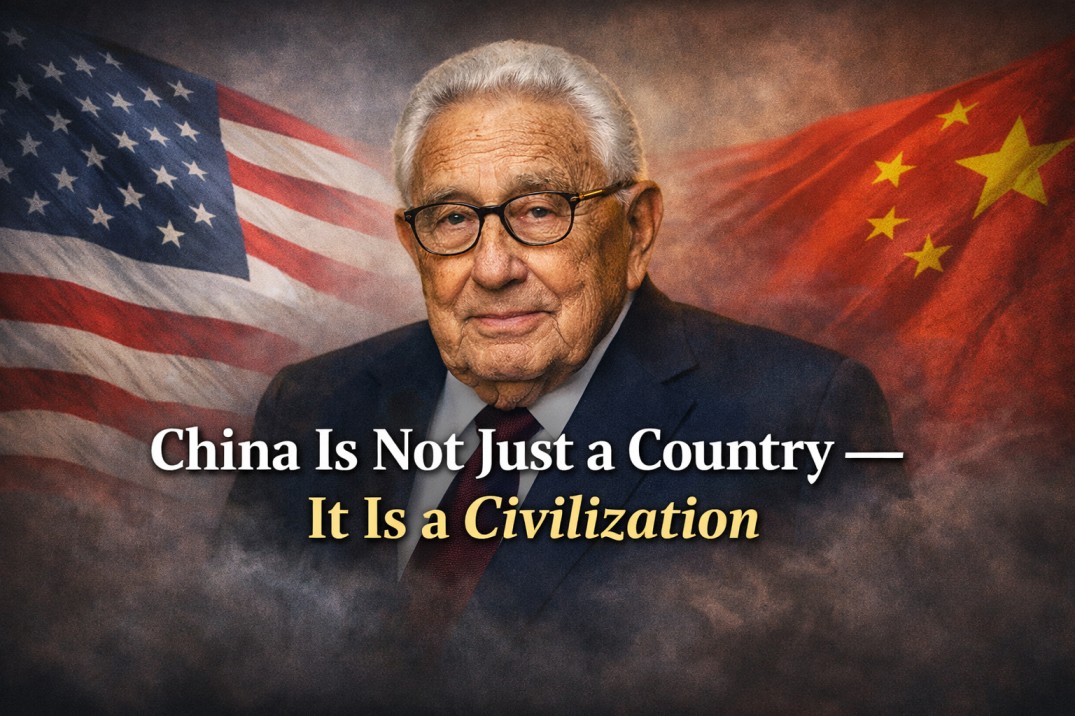
When Henry Kissinger once remarked that “China is not a nation-state in the traditional sense, but a civilization pretending to be one,” he was not being poetic—he was being precise.
This distinction matters.
A country is bounded by borders, constitutions, and political systems. A civilization, however, is something far deeper—it is memory, continuity, philosophy, and identity that transcends time.
China did not begin in 1949. It did not begin in the Qing dynasty, nor the Ming. It is an unbroken narrative stretching thousands of years—absorbing, evolving, and redefining itself continuously.
Asia Was Never Fragmented — It Was Interconnected
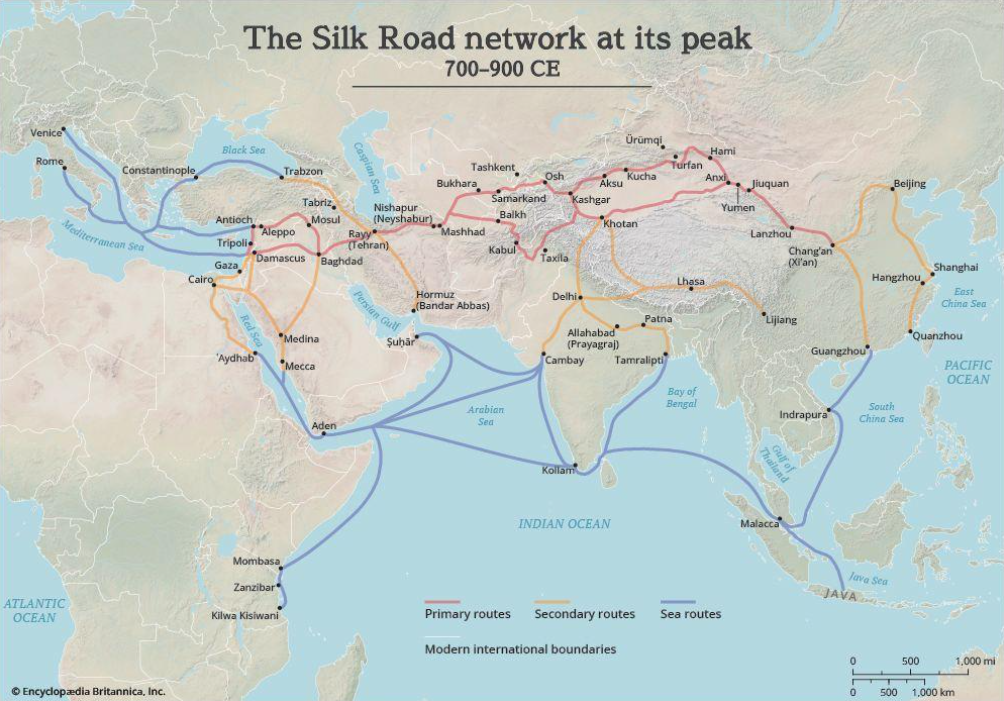
If we look closely at history, what we now call “countries” were once fluid extensions of influence, tribute, and exchange.
Take Japan, for example.
Before it became the modern nation-state we know today, the Ryukyu Kingdom stood as a cultural and diplomatic bridge—maintaining tributary relations with China during the Ming and Qing dynasties.
Japan itself, in its earlier forms, was not always defined by rigid hierarchy or militarisation. There were periods of relative harmony—structured, yet not consumed by the cycles of war that were prevalent across parts of mainland Asia.
Then came influence.
From the mainland—ideas, systems, hierarchies, and conflict. What was once balanced began to shift.
Cycles of Karma and Tao
From a Taoist lens, nothing is linear—everything is cyclical.
What is introduced will return. What is disrupted will rebalance.
The violence and warfare that took root in parts of Asia—including Japan—did not disappear. They transformed, accumulated, and eventually returned.
In many ways, the intensity of World War II in the Asia-Pacific theatre can be seen not just as a geopolitical event, but as a karmic culmination—a release of centuries of imbalance.
This is not about blame. It is about understanding patterns.
A Region Shaped by Multiple Civilizations
China was central—but never alone.
- The Majapahit Empire shaped Southeast Asia through trade and governance influence
- The Dutch East Indies altered economic and political systems across the archipelago
- India extended profound philosophical influence through Hinduism and Buddhism across Asia
And China?
China absorbed.
Like a sponge, it assimilated—filtering what was useful, adapting what was foreign, and embedding it into its own civilizational framework.
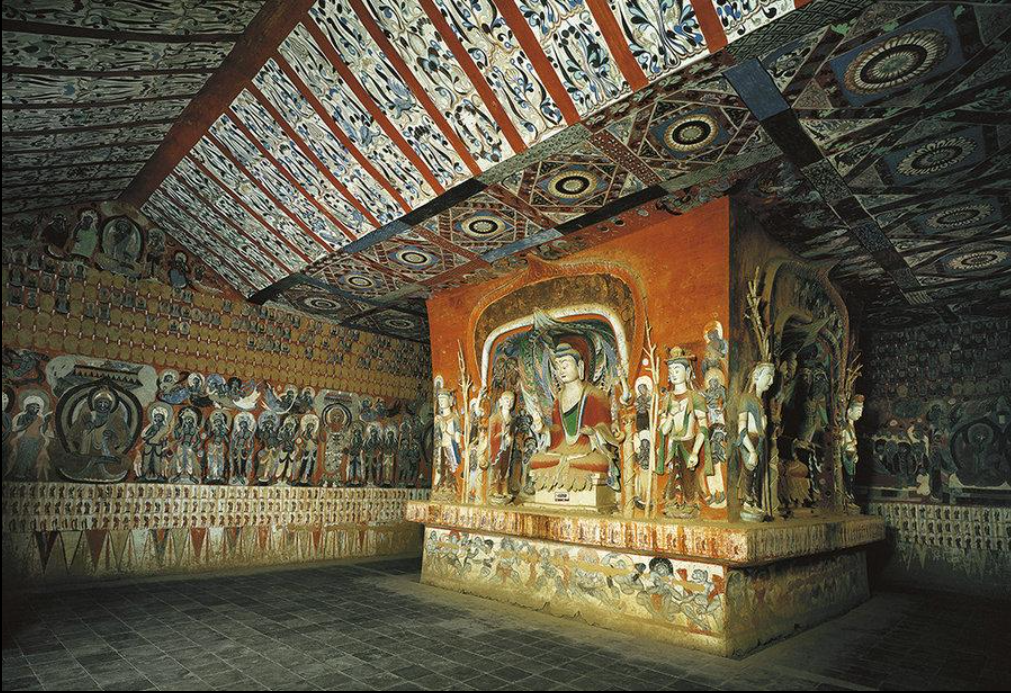
Even before the arrival of Buddhism from India, the teachings of Laozi had already laid the foundations of Tao—one of the earliest expressions of harmony with nature, balance, and the unseen order of the universe.
Later came Buddha. Later came Jesus.
Different expressions. Similar roots.
The Breadth of Chinese Assimilation
To understand China as a civilization is to understand its extraordinary capacity to absorb diversity—not erase it, but integrate it.
In Yunnan, Muslim communities—many of them Hui people—have lived for centuries as part of the Chinese fabric. They practice Islam, maintain distinct cultural expressions, and yet are unmistakably Chinese in identity.
This is not contradiction. This is assimilation without annihilation.
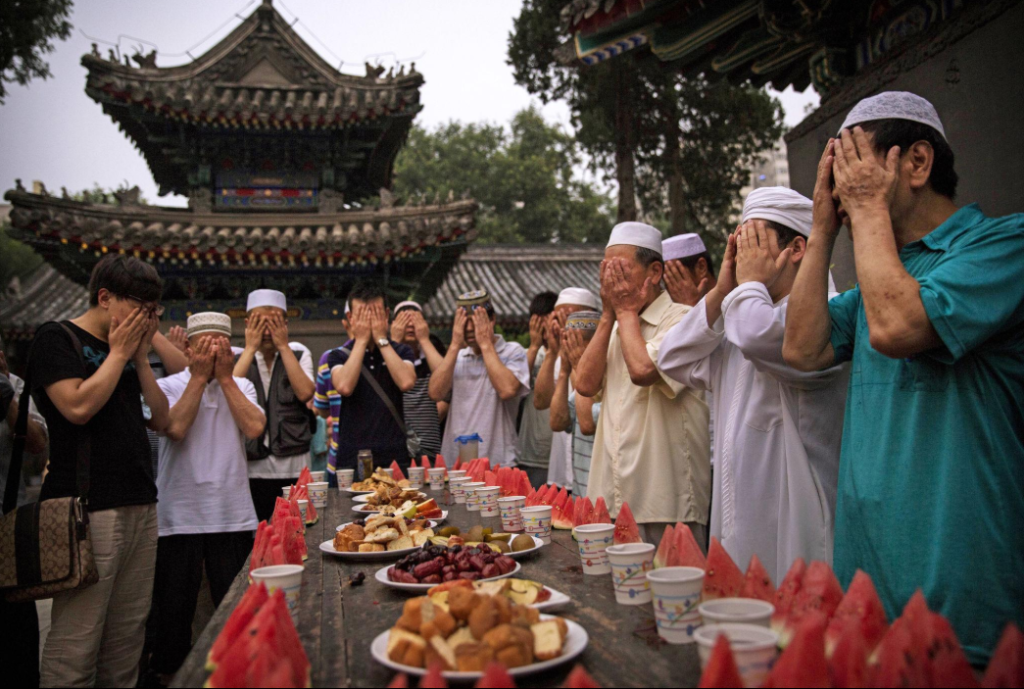
Along China’s vast frontiers—bordering Korea, Russia, and Central Asia—live peoples who, on the global stage, would be classified as entirely different ethnicities. Yet within China, they are part of a broader civilizational identity.
And then there are stories that blur the lines of history itself.
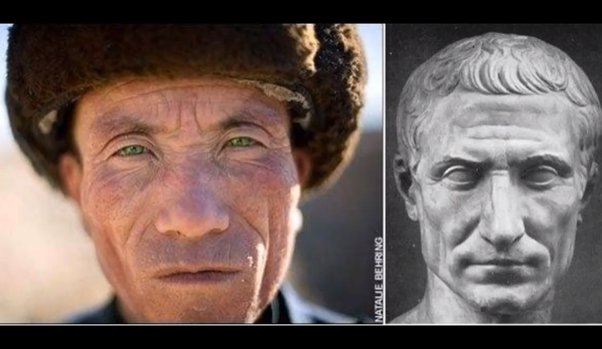
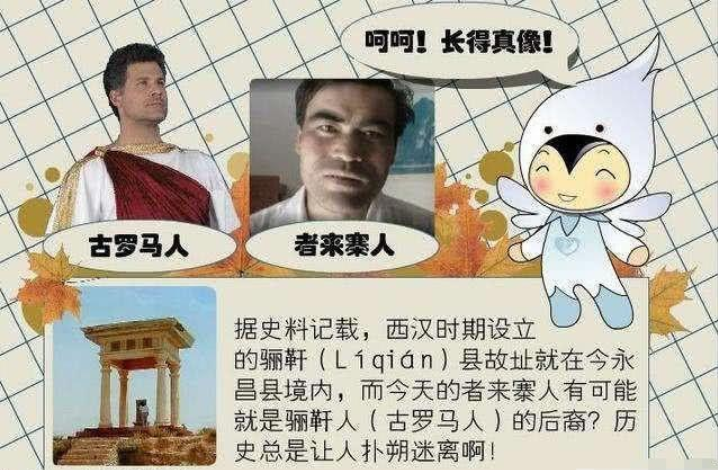
One such account traces back to the aftermath of the Battle of Carrhae—where remnants of a lost Roman legion are believed by some historians to have migrated eastward, eventually settling in parts of China. In places like Liqian, villagers with distinctly European features—lighter eyes, sharper facial structures—have long sparked curiosity and debate.
Whether fully proven or partially myth, the symbolism is powerful:
China does not merely expand. It absorbs, remembers, and transforms.
The Illusion of Difference
At their core, value systems across civilizations are remarkably similar:
- Balance
- Compassion
- Responsibility
- Harmony
Yet we see division.
Why?
Because language differs. Skin differs. Cultural expressions differ.
And where there is difference, doubt arises. Where there is doubt, fear follows. Where there is fear, conflict begins.
The Next Evolution: Consciousness
Today, something unprecedented is happening.
The world is no longer separated by oceans and mountains. It is connected—digitally, physically, economically.
Mobility has accelerated. Information flows instantly. Civilizations are no longer isolated—they are overlapping.
This forces a question:
Can our consciousness evolve fast enough to match our connectivity?
Because if it does not, we risk repeating cycles that history has already shown us—again and again.
From Civilizations to Trust
If China is a civilization, then so too, in different forms, are others.
And perhaps the future is not about competing nation-states, but about aligning civilizations through trust.
Trust that transcends language. Trust that transcends history. Trust that acknowledges cycles—but chooses not to repeat them.
Singapore Must Evolve — Beyond Race, Beyond Dialect, Beyond Perception
If China is a civilization defined by its ability to absorb, adapt, and unify diversity, then Singapore—small as it is—must now confront a similar question of evolution.
China today is not homogenous. Along its borders with Korea, Russia, and Central Asia, it is home to tribes and ethnicities that, on the global stage, we would classify as entirely distinct peoples. Yet within China, they are part of a broader Chinese identity—not defined by skin colour, nor by belief, but by a shared civilizational alignment: the willingness to learn, adapt, and assimilate.
This is a lesson Singapore must internalize—especially within its Chinese community.
Being Chinese is not determined by fairness of skin, nor by dialect, nor by lineage. It is defined by spirit.
I say this not as an observer, but from lived experience.
I am Chinese. I grew up as a minority within a minority—a Hakka, bearing the surname “Hu” (胡), raised among Teochews. My great-grandfather journeyed to Southeast Asia, where he married a local Chinese lady—fair-skinned, deeply cultured, and well-versed in classical Chinese texts. Yet over generations, our family reflected diversity in its truest form—some fair, some darker, including myself.
And with that came a quiet truth.
Not rejection at face value—but subtle exclusion when it mattered most. In livelihood. In opportunity. In perception.
The Chinese competitive instinct is strong—it manifests differently across geographies. In China, competition is grounded in competency. In Singapore, too often, it is entangled with appearance—where fairness or lighter skin is unconsciously elevated as the ideal representation of “Chinese.”
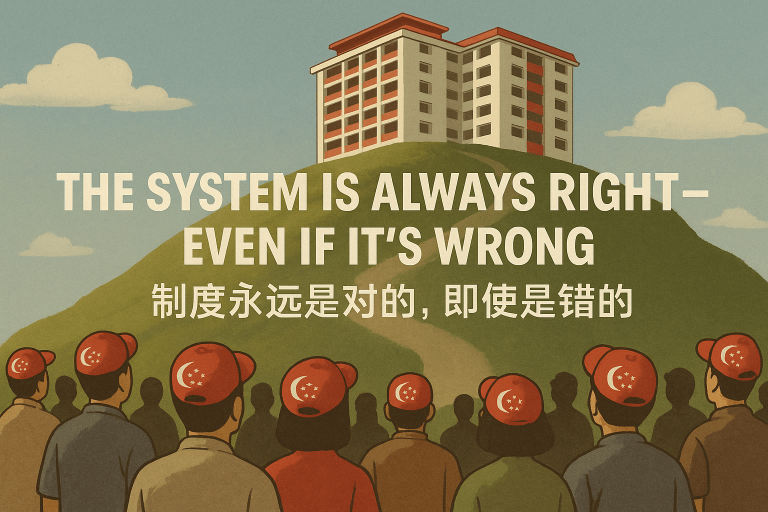
For over 40 years, I believed deeply in the fairness of Singapore’s system—as reflected in our National Anthem and our Pledge. But lived experience, especially in later years, revealed a more complex reality.
When your abilities surpass expectations, but your background or appearance does not align with preconceived norms, you may find yourself quietly sidelined—without confrontation, without explanation.
What struck me most was this:
Friends from minority communities shared that such experiences were common—but many in the majority do not feel it, because access and privilege are often invisible to those who naturally have it.
And yet, even within the Chinese majority, there are layers of minority.
My Hakka lineage traces back to Yongding, Fujian—a lesser-represented subgroup even within the Hakka community in Singapore. In contrast, Dapu Hakkas from Guangdong—more prominent, more visible—have had stronger representation, with figures such as Lee Kuan Yew and Josephine Teo.
My lineage?
Largely unseen. Displaced in quiet ways.
And perhaps this is why I find myself drawn toward neutrality—and toward minorities, whether local, regional, or global.
Because the truth is this:
At some point in time, every one of us has been a minority.
A Call to Rise Above
My call is not to divide—but to elevate.
To move beyond surface differences and reconnect with core universal values:
- Respect
- Merit
- Compassion
- Truth
Values that transcend skin colour, belief, and faith.
Because when we reach that level of consciousness— something shifts.
A new horizon emerges.
I have seen glimpses of it.
And this conviction has only deepened over time.
In reconnecting with relatives in Europe—those who left Southeast Asia decades ago—I began to see something more clearly. Distance, in this case, brought clarity. What many of us normalized locally, they could observe from afar with objectivity.
They saw how subtle forms of subjugation in Singapore have, over time, evolved— from face-value biases… to something far more systemic.
Not just exclusion in opportunity— but the gradual erasure of contributions. The quiet rewriting of narratives. The fading of certain lineages and stories from collective memory—especially in the years following independence.
What is not recorded, what is not acknowledged, eventually disappears.
And that is perhaps the deepest form of displacement—not just of people, but of legacy.
And this is not a solitary view.
Even among communities often perceived as part of the majority—such as Hokkiens—there are voices, including those who feel displaced or sidelined across Singapore and beyond, who quietly acknowledge these same patterns.
Which tells us something important:
Subjugation is not always visible across race lines— it can exist within them.
Yet even within this awakening, there is hope.
Today, I am grateful—deeply—for those who have stepped forward. Those who are willing to question, to correct, and to set the house right.
Because this is not about blame. It is about restoration.
And some things, once seen, cannot be unseen.
Which means they must be addressed. They must be corrected. They must be rebuilt.
Because it has to be done. It shall be done. And it will be done.
A Civilizational Future — Competition Without Fragmentation
If we return to Kissinger’s observation—that China is not merely a country, but a civilization—then perhaps the deeper question for all of us is this:
What should we become next?
Not just separate nations competing for dominance— but a newly assimilated civilization, one that retains diversity yet aligns in purpose.
Assimilation does not mean uniformity. It means coherence.
And within that coherence, one element must never be lost:
The spirit to compete.
Because without competition, there is no progress. But without balance, competition becomes destruction.
The World Is Already Testing This Balance
We are witnessing this tension play out in real time.
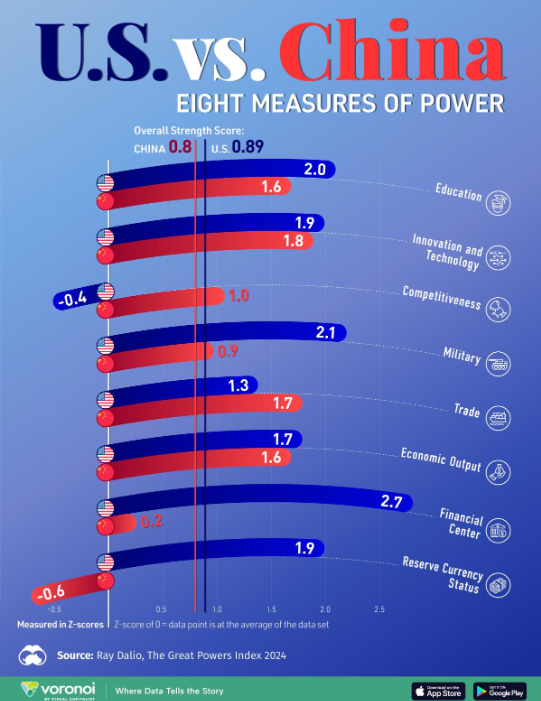
Under Donald Trump, the United States began a decisive shift—re-industrialisation, supply chain sovereignty, and a recalibration of global dependencies. It was not merely economic policy—it was a recognition that civilizational strength must be grounded in production, not just consumption.
At the same time, we observe the emergence of asymmetrical strategies.
In the Middle East, dynamics involving Iran reveal a different layer of global interaction—where powers such as China and Russia engage not always directly, but through indirect support, influence, and proxy theatres. These are not isolated conflicts; they are testbeds—of systems, doctrines, and technologies.
History has shown us before how such moments unfold.
Just as Pearl Harbor attack served as a wake-up call for the United States—revealing vulnerabilities and catalyzing transformation—today’s environment signals something similar:
The gap in technological and military superiority is narrowing.
And this, in part, reinforces the urgency behind America’s push to rebuild its industrial base.
A Personal Reflection on Strategy and Balance
Over the years, I have observed—and at times, contributed perspectives to—strategic discussions closer to home.
There have been instances where institutions, including those connected to Singapore’s broader defence ecosystem, have sought to tap into unconventional thinking—ideas that challenge prevailing assumptions.
One such perspective I shared several years ago remains relevant today:
China’s drive to become number one is understandable. But in doing so, it risks an unintended consequence.
Without a clear external focal point, internal competition may intensify— to the point of fragmentation.
History offers a cautionary parallel.
Before unification, China was divided—fragmented, consumed by internal wars. It was only through the vision and force of Qin Shi Huang that a unified structure emerged.
And so the question becomes:
Is it wiser to be an uncontested number one— or a resilient number two within a stable system?
Because unchecked ambition, without balance, can undo what took centuries to build.
Why Balance Matters — For Everyone
This is not about choosing sides.
It is about understanding interdependence.
The United States must continue to exist—not as a rival to be eliminated, but as a necessary counterpart in a broader global equilibrium.
Because in many ways, the continuity of the Chinese civilization—its ability to contribute meaningfully to humanity—depends not just on its own strength, but on the stability of the system around it.
A world where one dominates absolutely is not a stable world.
A world where multiple powers coexist— compete, yet restrain— is one where civilizations can endure.
The Path Forward
And so we return to where we began.
If China is a civilization, then perhaps the future is not about replacing one power with another—
but about co-evolving into a higher form of civilizational coexistence.
One where:
- Competition sharpens, but does not destroy
- Diversity enriches, but does not divide
- Power balances, but does not dominate
This is not idealism.
It is necessity.
Final Reflection
We stand at a moment where history, philosophy, and geopolitics converge.
We can continue cycles of fragmentation— or we can choose to evolve.
To become not just nations, but a newly assimilated civilization— anchored in trust, strengthened by competition, and guided by balance.
Because only then, can what has been built over millennia continue to stand.
And only then— will we truly understand what it means to be a civilization.
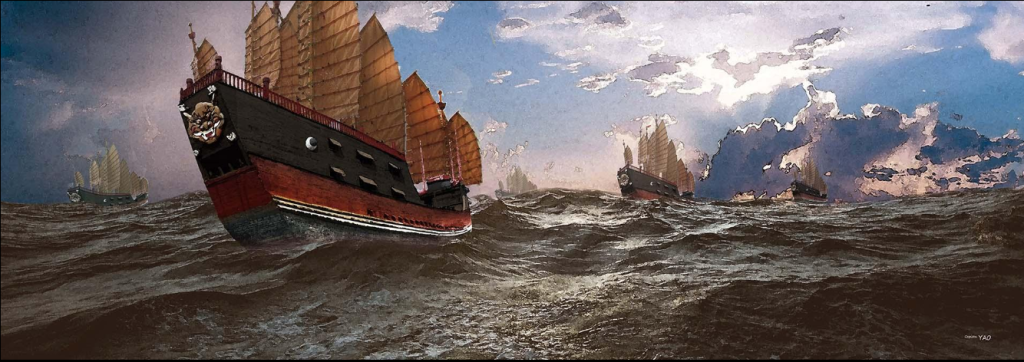
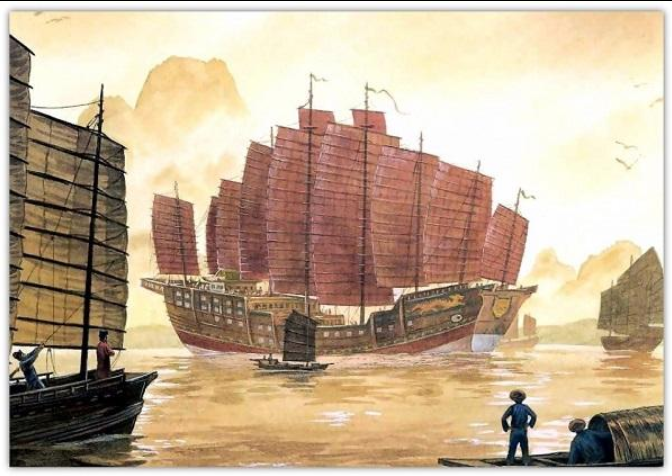
Only then, will the Thousand Ships be worthy of the horizon ahead.
This article is also published on LinkedIn.
中国不仅是一个国家——它是一种文明
当 亨利·基辛格 曾指出:“中国并不是一个传统意义上的民族国家,而是一个伪装成国家的文明”时,他并非在修辞,而是在精准地描述现实。
这个区别,至关重要。
国家,是由边界、制度与政体构成。 而文明,则是更深层的存在——是记忆、延续、哲学与身份认同,跨越时间而存在。
中国,不始于1949年。 不始于清朝,也不始于明朝。
它是一条跨越数千年的连续叙事——不断吸收、演化,并重新定义自身。
亚洲从未真正分裂——它本质上是连通的
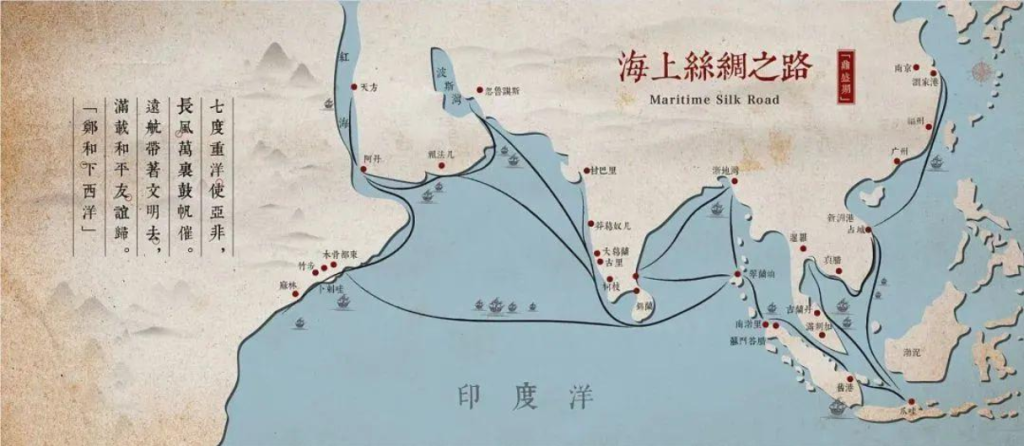
如果我们回看历史,就会发现,今天所谓的“国家”,曾经只是影响力、朝贡与交流的延伸。
以日本为例。
在成为现代国家之前,琉球王国 曾作为一个文化与外交的桥梁,在明清两代与中国维持朝贡关系。
日本在更早期,并非一开始就是高度等级化与军事化的社会。 它曾有过相对和谐的阶段——有秩序,但尚未被战争循环所主导。
直到外来影响的到来。
来自大陆的制度、思想、等级观念,以及冲突。 平衡开始改变。
因果与道的循环
从道家的视角来看,世界并非线性发展,而是循环往复。
引入的,终将回归。 失衡的,终将重整。
亚洲部分地区,包括日本所经历的战争与暴力,并未消失,而是转化、累积,最终以更大的形式回归。
某种程度上,第二次世界大战 在亚太地区的爆发,可以被理解为一种因果的释放——数百年失衡的集中体现。
这不是归责。 而是理解规律。
多文明共同塑造的亚洲
中国是核心,但从来不是唯一。
- 满者伯夷帝国 曾影响东南亚的贸易与治理体系
- 荷属东印度 改变了群岛的经济结构
- 印度通过印度教与佛教,对亚洲思想产生深远影响
而中国?
中国在吸收。
如同海绵一般,它吸纳外来思想,筛选、转化,并融入自身体系。
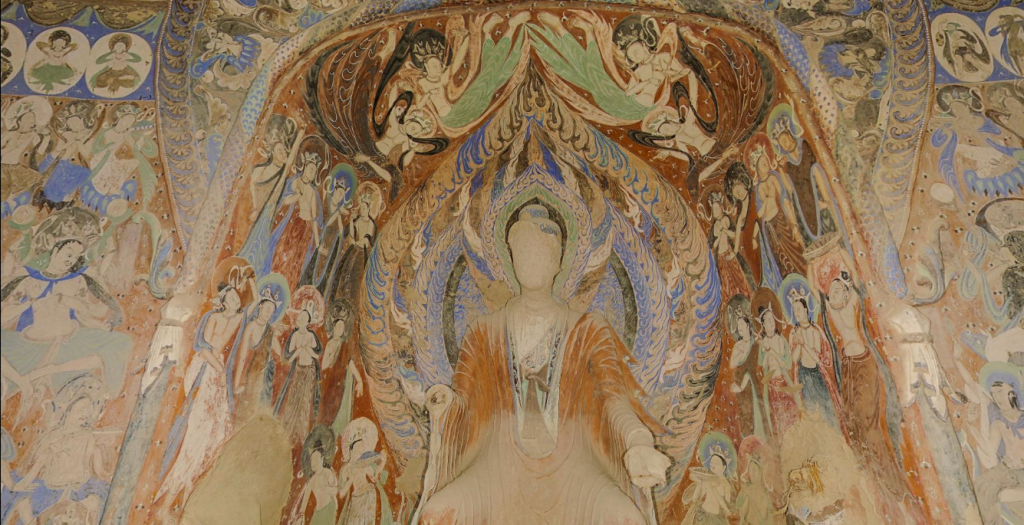
在佛教从印度传入之前,老子 的道家思想,已奠定人与自然和谐的基础。
之后是佛陀。 之后是耶稣。
表达不同,本质相通。
中国文明的广度:同化而不消灭
理解中国为文明,就必须理解它的一个核心能力:
吸收多样性,而不是消灭它。
在 云南,穆斯林群体——尤其是 回族——已在中国社会中存在数百年。
他们信奉伊斯兰。 他们保留文化差异。 但他们同时,也是中国人。
这不是矛盾。 这是文明的同化能力。
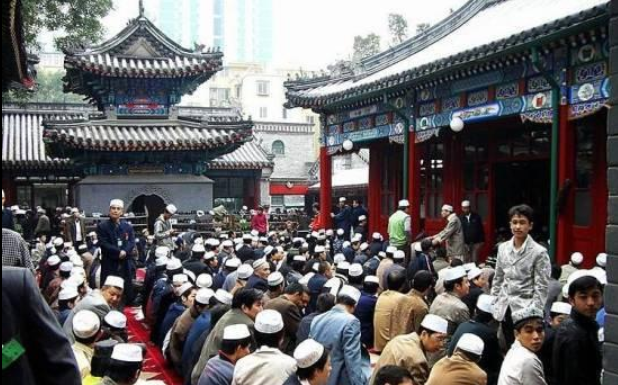
在中国与韩国、俄罗斯、中亚的边境地区,也生活着各种族群。 在国际上,他们被视为不同民族。 但在中国体系内,他们属于同一个文明。
甚至,历史中还存在更模糊的边界。
据部分学者推测,在 卡莱战役 后,一支失散的罗马军团可能东迁至中国西北。
在 骊靬村,至今仍可见部分村民拥有欧洲特征——浅色眼睛、立体轮廓。
无论这一说法是否完全证实,其象征意义非常清晰:
中国不仅扩张, 它吸收、记忆,并转化。
差异的幻象
不同文明的核心价值,其实极其相似:
- 平衡
- 仁爱
- 责任
- 和谐
但我们却看到分裂。
为什么?
因为语言不同。 肤色不同。 文化表达不同。
差异带来怀疑, 怀疑带来恐惧, 恐惧引发冲突。
下一阶段:意识的进化
今天,我们正处于一个前所未有的时代。
世界不再被地理隔绝。 它通过科技与流动紧密相连。
文明不再孤立,而是交叠。
这带来一个问题:
我们的意识,能否跟上连接的速度?
如果不能, 历史的循环将再次上演。
从文明走向信任
如果中国是文明, 那么其他地区也以不同形式存在着文明。
未来,或许不再是国家之间的竞争, 而是文明之间的协调。
以信任为基础:
- 超越语言
- 超越历史
- 承认循环,但不重复
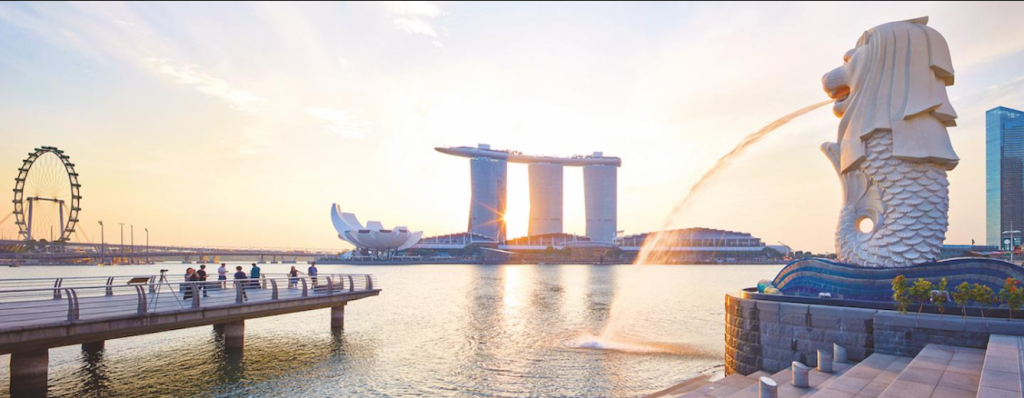
新加坡必须进化——超越种族与方言
如果中国的本质是吸收与融合, 那么新加坡也必须面对同样的问题。
中国本身就是多元社会。 而新加坡,也必须真正理解这一点。
成为华人,不在于肤色、信仰或血统, 而在于一种精神:
学习、适应、融合。
我亲身经历这一切。
我是华人。 也是少数中的少数——客家人,姓胡,成长于潮州群体中。
我的曾祖父来到东南亚, 娶了一位白皙且熟读经典的华人女性。
但我们这一代, 肤色却呈现出多样性。
而现实也随之显现:
不是直接的排斥, 而是在关键时刻的隐性边缘化。
在中国,竞争看的是能力。 在新加坡,往往夹杂着外貌与刻板印象。
我曾相信制度是公平的。 但现实让我重新认识这一点。
甚至连福建人(Hokkien)中,也有人开始意识到这种被边缘化的趋势。
这说明:
不公平,不只存在于种族之间, 也存在于群体内部。
呼吁提升
我的呼吁不是分裂,而是提升。
回归核心价值:
- 尊重
- 公平
- 同理
- 真诚
文明的未来:竞争而不破裂
回到基辛格的观点。
如果中国是文明, 那么未来的问题是:
我们要成为怎样的文明?
一个新的、融合的文明。
但必须保留:
竞争的精神。
没有竞争,就没有进步。 但没有平衡,竞争就会毁灭。
世界正在测试这种平衡
在 唐纳德·特朗普 时期,美国开始再工业化。
与此同时,中国与俄罗斯通过代理方式参与地缘博弈,例如对伊朗的支持。
这些都是:
测试技术与体系的战场。
正如 珍珠港事件 曾唤醒美国,
今天的世界,也在发出信号:
技术差距正在缩小。
平衡的重要性
美国必须存在。 中国也必须完整。
否则,文明将失衡。
正如我曾分享的观点:
中国若一味追求第一, 可能会引发内部竞争与分裂。
宁为稳健的第二, 也不应破坏统一的根基。
正如 秦始皇 所建立的一切。
最终思考
我们站在历史的交汇点。
选择很简单:
重复历史, 或超越历史。
成为一个新的文明。
当那一刻到来, 我们才真正理解文明的意义。
而那时, 千舰,方可起航。