#171 He Has Enough CPF for a BTO Flat.Why Could S$2,000 Still Cost His Family a Home? 一个家 • 2,000新元 • 四次求助
中文版在下方
A reader’s journey through HDB, MND, e2i, SkillsFuture and Singapore’s public-private ecosystem asks a simple question: when help is advertised, can citizens see how decisions are made—and does anyone own the outcome?
By Mar Vin Foo | 24 August 2026
The National Day Rally promised to help families thrive. The next morning, one family was still waiting for a decision about S$2,000.
One resident. One flat. One cash rule.
A reader was successful in the June 2026 BTO sales exercise for a four-room flat in Sembawang. The correspondence supplied for this article records queue number 192 and an expected booking period from November 2026.
He says he has sufficient CPF Ordinary Account savings to afford the flat. What he does not presently have is S$2,000 in spare cash for the option fee.
He is not asking the Government to buy him a home. He is asking for permission to use his own housing savings—or for a waiver, deferment or recoverable bridge—so that a temporary cash-flow problem does not erase a long-term housing opportunity.
He is also a single father of two who says he has spent almost four years moving through job searches, short probationary roles, retraining and entrepreneurship after a series of workplace setbacks. The S$2,000 gap did not appear in a vacuum. It sits at the end of a long effort to keep earning, keep providing and keep believing that the next official door might finally open.
The rule is real. Official CPF guidance lists a S$2,000 option fee for a four-room or larger BTO flat, says it forms part of the downpayment, and says option fees cannot be paid using CPF. But a rule can be real and still deserve review—especially when the money was accumulated for housing and the applicant is not asking to jump the ballot queue.
Four visits to an MP should lead somewhere
The resident says he attended at least four Meet-the-People Sessions. Senior Minister K. Shanmugam, his constituency MP, endorsed an appeal. Volunteers corresponded with agencies. HDB’s 6 August 2026 reply maintained that the fee had to be paid in cash under its uniform policy.
An MP’s letter should never allow a well-connected person to leapfrog a fair queue. But an appeal should trigger a human decision—not simply reproduce the rule that caused the appeal.
Could payment be deferred? Could HDB provide a recoverable bridge? Could the fee be offset when CPF is later drawn down? Could the booking place be protected while the applicant works with a social-service agency? If every appeal ends with a copy of the original policy, the process begins to look like administrative theatre.
The email arrived. The answer did not.
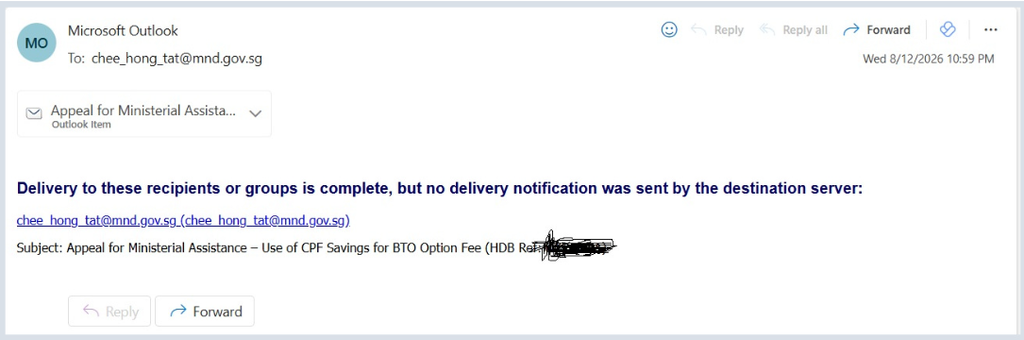
The resident then emailed Minister for National Development Chee Hong Tat. A Microsoft Outlook notice looked alarming, but it was not a bounce: it said delivery was complete, although the destination server had not issued a delivery notification. MND’s reply the next day confirms that the message arrived.
On 13 August, Michelle Leong, writing for MND’s Quality Service Manager, said the ministry was looking into the appeal ‘in consultation with HDB’. Seven days later, after the resident followed up, a system acknowledgement said MND would aim to respond within three to fifteen working days, with more time possible for complex cases.
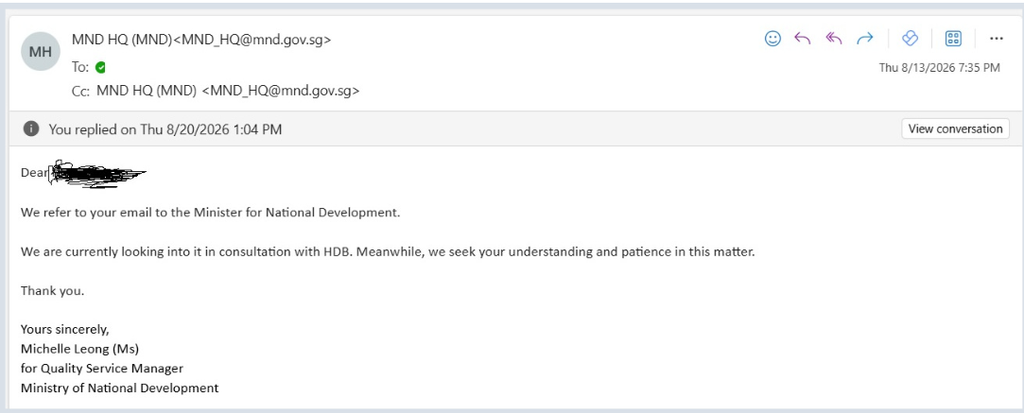
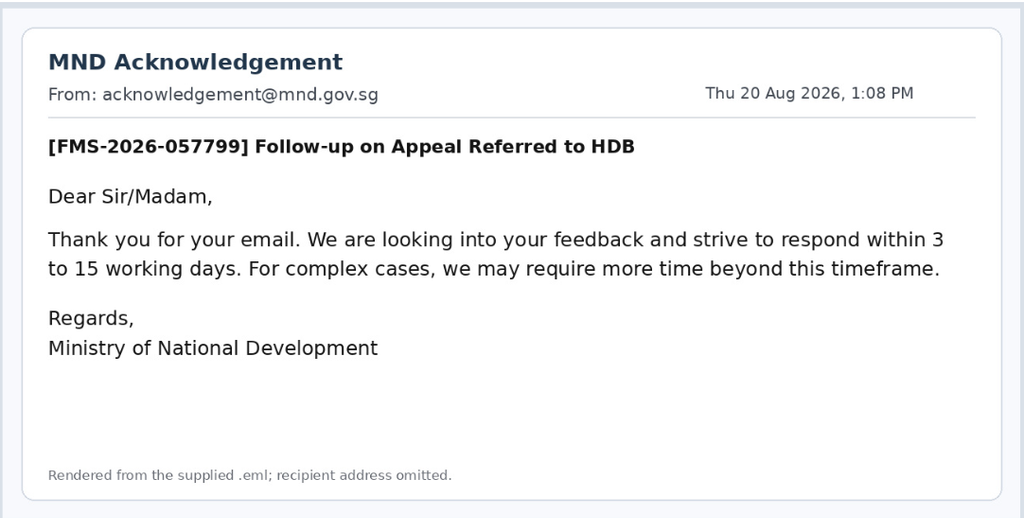
Three to fifteen working days may sound efficient inside an office. It feels different when a flat, a booking date and a family’s future are on the other side of the clock. A useful acknowledgement would name the case owner, state what decision is being made, give a decision date, and assure the applicant that his place will not be lost while agencies consult each other. ‘We are looking into it’ is a holding line. It is not yet help.
A legal warning with a broken link
MND’s email also carried a generic confidentiality footer referring to the Official Secrets Act. The link shown in the supplied screenshot did not work.
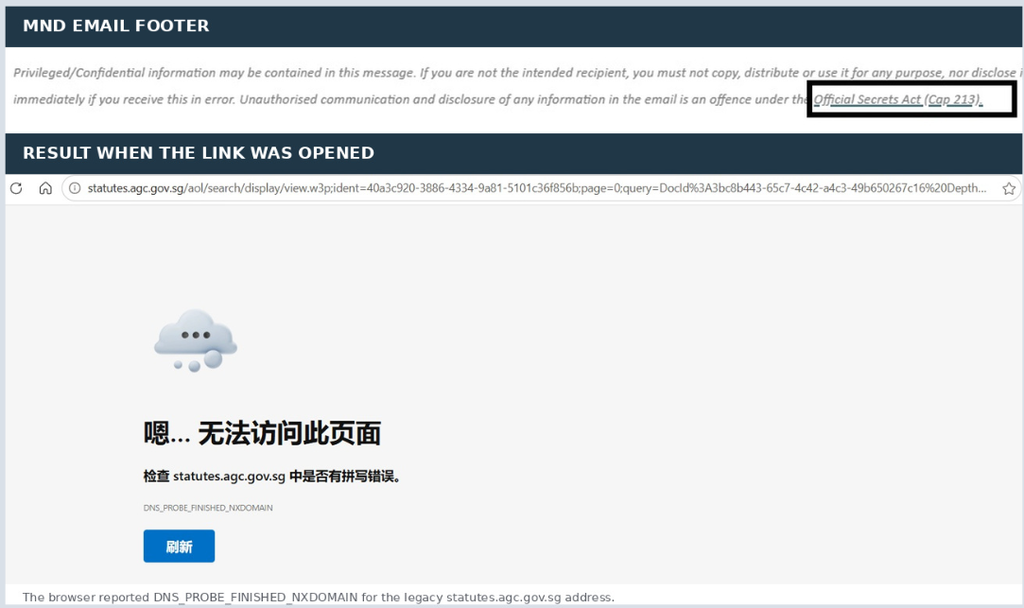
This does not prove that Ms Leong personally threatened the resident. The wording appears to be a standard footer, and the Official Secrets Act does not automatically turn every service email into a state secret. But official language has power. A sweeping legal warning beneath an ordinary citizen appeal can intimidate—especially when the link meant to explain the law is dead. Plain language and a current link would build more trust than a broad warning.
Why S$2,000 matters even if you are not an entrepreneur
The resident is an entrepreneur trying to build a regional circular-economy venture. Cash flow is tight because he is trying to create something, not because his CPF account is empty.
But you do not have to admire start-ups, agree with his business plan or be self-employed to care about this case. Tomorrow it could be a retrenched worker, caregiver, single parent or employee waiting for a late salary. The public question is simple: should a person with sufficient CPF lose a BTO opportunity because of a temporary S$2,000 cash gap?
Minister Chee has publicly invited businesses to identify outdated rules that create unnecessary red tape. Here is one concrete test inside the ministry he now leads. If no safe exception is possible, HDB should explain why. If a narrow hardship pathway is possible, it should be designed before another family loses a flat.
Transparency cannot mean ‘trust us’
This case is about the option fee. It is not proof that HDB manipulated a ballot. I have seen no evidence that staff altered this resident’s queue number, and it would be wrong to publish that claim as fact.
But public housing is too important to operate as a black box. When applicants cannot understand the ballot, the audit trail, manual interventions or the logic of appeals, every missing record and inconsistent answer feeds suspicion. The resident has previously reported that contact fields in his HDB record appeared empty and that correspondence did not reach him. That calls for an audit trail; it does not establish who caused the problem or why.
HDB can protect the integrity of balloting without exposing personal data or methods that could be gamed. It should publish:
a plain-language explanation of computer balloting and how priority schemes affect chances;
the audit records retained, access controls used and safeguards against staff conflicts of interest;
how missing contact fields, duplicate records and other data errors are detected and corrected;
appeal volumes, approval rates, rejection reasons and processing times; and
an annual independent assurance statement covering ballots and manual interventions.
Transparency is not the publication of every secret. It is enough visibility for a reasonable citizen to see that the process is fair—and enough evidence for an independent reviewer to test that claim.
Help exists—in the advertisement
Singapore does not lack schemes. We have e2i, SkillsFuture, SME Centres, Enterprise Singapore, Meet-the-People Sessions, HDB feedback channels and ministerial offices. There are many logos and many doors. The question is whether anyone behind those doors owns the person’s problem.
Two e2i conversations, two very different Singapores
The same reader described two e2i experiences. More than a year ago, he says an officer told him that a parent with two children could not sensibly settle for a S$2,000 job simply because he was desperate. The officer understood the household, not just the vacancy.
More recently, he says another officer began by questioning how a graduate could remain unemployed, then suggested blue-collar or delivery work. He replied that he would clean toilets if necessary to feed his children. His concern about delivery work was not pride: one serious road accident could remove both his income and his ability to care for the family.
A 2023 Minimum Income Standards study estimated that a couple with two children needed about S$6,693 a month for a basic standard of living, while a single parent with a toddler needed about S$3,369. The Government disputed parts of the methodology; these are not official poverty lines. Still, telling a parent to take S$2,000 is not the end of the conversation. It is the start of the arithmetic.
The reader says the e2i session was recorded from the start and that he made his own recording. The quotations and sequence here remain his account. e2i should review the original recording and respond to the substance rather than reduce the case to a placement statistic.
‘Let the past go’—but the past explains the gap

The reader says the recent officer told him to let the past go. She may have meant: do not let old wounds decide your future. But to him, the past explains the four-year gap on his résumé, the loss of income, the depleted confidence and, ultimately, why S$2,000 can now stand between his children and a permanent home.
He does not describe four idle years. He describes a chain of work, near-successes and abrupt endings.
At NCS, Singapore’s largest systems integrator, he recalls COVID-era work stretching to 1am and staff with young children being treated as unprofessional when a child entered a video call—an ordinary collision between lockdown work and family life. He associates that management tone with the leadership period of Howie Sim. This is the reader’s observation; NCS’s public biography confirms Mr Sim’s leadership role, not the alleged conduct.
He further alleges that difficult conditions and low performance ratings were used to push some staff to resign and reduce retrenchment costs. His most serious claim concerns public-sector tenders. He uses the Chinese term an pai—‘hidden cards’ or secret intermediaries—for people who, he believes, coordinated commercial outcomes through golf-course and karaoke-room relationships years before tenders were published. In his telling, an outdated solution could still win because the informal understanding came first and the formal procurement followed.
No tender numbers, bid documents, messages, payment records or independent witness statements have been reviewed for this article. These claims are not established facts. But they illustrate why opacity is corrosive: when award rationales, conflicts, technical evaluations and post-award outcomes are hard to inspect, citizens are left to choose between official assurances and personal experience. The proper answer is an auditable procurement record—not a demand for blind trust.
After NCS, the reader describes better-paid moves to multinational technology companies, repeated certification attempts, progress with CPF as a prospective customer, and terminations near the end of probation. At one US multinational, he says he later learnt from a shocked American colleague that a multi-million-dollar data-centre deal they had worked on had closed, even though that achievement was not acknowledged when he was dismissed. At another employer, he says a market-entry presentation cleared by an experienced pre-sales colleague was rejected in favour of an older template before another termination.
The sequence may be painful without proving that the employers colluded, manipulated examinations or deliberately set him up to fail. Those conclusions require employment records, certification logs, opportunity records and responses from the companies involved. Yet repeated professional injury still has human consequences. A career is income, dignity and the ability to provide. Before telling someone to forget, a coach should ask what happened, what can be proven and what practical step comes next.
For accuracy, e2i is an NTUC tripartite initiative, not a civil-service department. It reports helping many people into work. That deserves recognition. But a strong national total does not erase a poor individual encounter. The person outside the success chart is still a person.
Reskilled until the credits ran out
The reader says he was directed to RISE by Boston Consulting Group, a SkillsFuture Career Transition Programme, and that his credits were substantially used there. When he later wanted hands-on training in electrical work, plumbing or air-conditioning servicing, he says little or no credit remained.
Public records show that RISE is run by BCG and that PAP MP Mariam Jaafar is both a BCG managing director and senior partner and part of the RISE leadership team. Those disclosed roles do not prove that any referral was improper. They do justify transparent safeguards: tell every job seeker why a course is recommended, what it costs, what alternatives exist, what conflicts have been declared, and how many participants secure relevant work at sustainable wages.
SkillsFuture should not become a left-pocket-to-right-pocket exercise in which public credits are consumed but the citizen remains unemployed. Training must be measured by useful capability and employment outcomes—not enrolment numbers alone.
Go regional—but find your own bridge
The same gap appears in entrepreneurship. Singapore urges founders to internationalise and build new markets. Enterprise Singapore’s Market Readiness Assistance grant is real, as are its eligibility, timing and activity rules. Controls are necessary because public money must be protected.
But support becomes a brochure rather than a bridge when a cash-strapped founder cannot determine which door to enter, when to apply, what can be signed, or who can exercise judgment before a regional opportunity disappears. The resident says he is willing to go the distance to build opportunities for himself, his family and other Singaporeans, yet repeatedly finds that the advertised avenues do not meet him at the point of need.
I have seen no evidence that enterprise grants are reserved for relatives, friends, clans or preferred insiders. That accusation should not be stated as fact. The antidote to suspicion is better disclosure: application and approval data, processing times, reasons for rejection, outcome measures, conflict safeguards and a credible appeal route.
Minister Chee’s S$2,000 test
Chee Hong Tat has moved through Health, Communications & Information, Trade & Industry, Education, Foreign Affairs, Transport, Finance, NTUC and now National Development. Portfolio rotation can spread experience. It can also blur responsibility when difficult programmes are handed from one officeholder to another.
At Transport, the SimplyGo transition was reversed after public backlash and Minister Chee apologised for a ‘judgment error’. ERP 2.0 remained under implementation. The final findings on the September 2024 East–West Line disruption were released shortly after he moved to MND. There is no evidence that he was transferred to avoid these matters. The fair institutional question is whether accountability follows the officeholder—or whether every transfer resets the clock.
At MND, his promise to reduce unnecessary red tape now has a human test. If the system cannot find a safe, auditable solution for one CPF-rich but temporarily cash-poor BTO applicant, people will reasonably ask whether cutting red tape is policy or performance.
A photograph is not proof. A bare assurance is not full transparency.
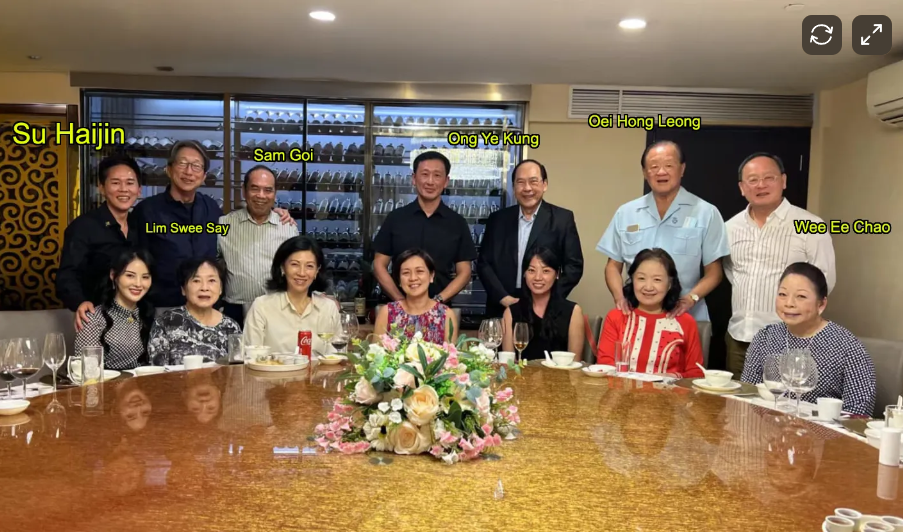
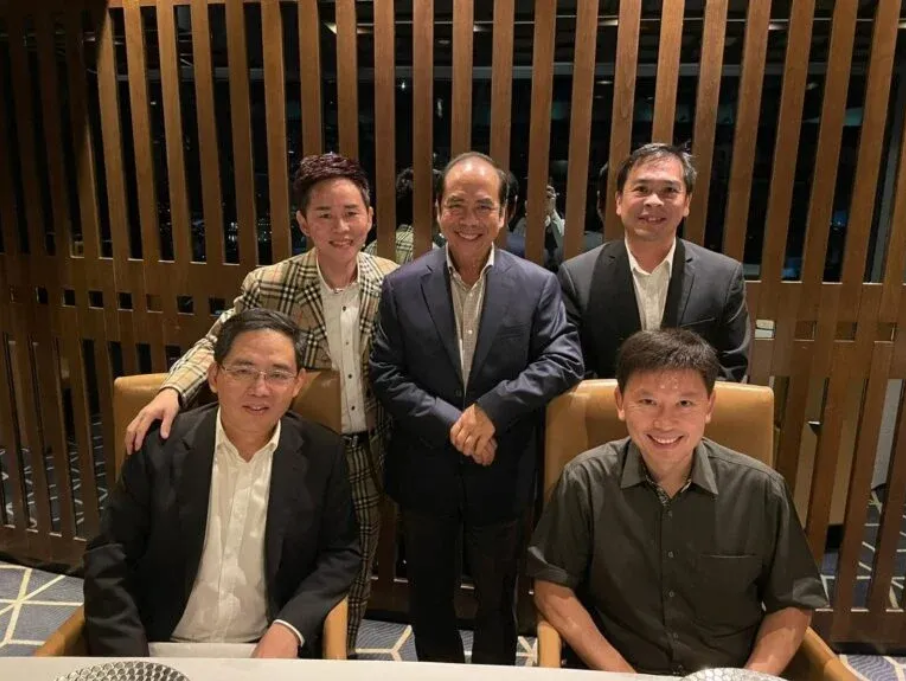
In May 2025, photographs circulated showing Minister Chee at a dinner where Su Haijin—later convicted in Singapore’s multi-billion-dollar money-laundering case—was present. Chee and Health Minister Ong Ye Kung said through their press secretaries that they did not know Su personally and had no contact or dealings with him before or after the dinners. CNA reported that businessman Sam Goi said he organised and paid for the meals.
Those are the established public facts. A shared table proves presence at an event, not corruption. Being Hokkien, Fujian, Cantonese, Teochew or sharing a surname proves nothing about conduct. Guilt by dialect group is unfair and weakens legitimate scrutiny.
But the public is entitled to consistent disclosure when photographs raise reasonable questions: who invited the officeholder, who paid, whether official business was discussed, what contact followed, and whether any declaration or recusal was required. Specific facts carry more weight than ‘trust us’—and more fairness than online speculation.
This is bigger than housing
In earlier articles on HDB, healthcare and family intervention, I kept returning to the same wound: a system can work for most people and still fail the person who most needs judgment, continuity and an appeal.
In When Subsidies Fail to Reach the Vulnerable, a ComCare household described being referred from a government dental clinic to a service at Khoo Teck Puat Hospital without clearly understanding whether it was subsidised or private, followed by a bill and debt-collection contact. Public hospitals can contain public, private and vendor-delivered services. If a vulnerable patient cannot tell which is which, the system has failed to communicate at the moment clarity matters most.
Family intervention needs the same transparency. After activist Han Hui Hui’s children were removed in March 2026, MSF disputed claims and issued a POFMA correction direction; CNA later reported that the children were returned with safeguards. The episode does not prove that the state routinely tears apart loving families. It does show why decisions that separate parent and child require clear reasons, urgency and meaningful review.
In When Home Becomes a Real Distance—my article about ‘The Girl in That Pinafore’—I wrote about a Singapore becoming physically unrecognisable. The deeper danger is emotional: when the person asking for help becomes the problem, every officer can refer the case but nobody owns it, and compassion disappears from the unglamorous file that needs discretion.
Do not ask for children, then abandon the parents

At the National Day Rally on 23 August 2026, Prime Minister Lawrence Wong said that nothing matters more than helping families thrive. Measures announced included a new child-support package, more childcare leave, lower preschool fees, higher BTO income ceilings and additional ballot chances for first-timer families with children.
These commitments should be welcomed—and tested against lived experience. Children are not future labour units. They are not an answer to a manpower shortage. Parents need more than incentives to give birth. They need a home, a liveable income, training that leads somewhere, and public-facing officers who do not make them feel guilty for falling.
We do not need to allege that a voucher was designed to buy a vote in order to ask a harder question: when the rally lights are switched off, does help remain? A voucher can ease a week. A working housing, employment or healthcare system can change a life.
The saying 牺牲小我,完成大我 xisheng xiaowo, wancheng dawo—‘sacrifice the smaller self for the greater whole’—may inspire people in a national emergency. It must not become the daily operating principle for inconvenient cases. One parent, one child or one applicant cannot be treated as acceptable loss so that the average statistic remains beautiful.
What real help would look like
Protect the resident’s booking opportunity while the appeal is decided, and name a case owner and decision date.
Create a narrow hardship route for applicants with sufficient CPF but a temporary cash gap—through deferment, a recoverable bridge, CPF offset or coordinated assistance.
Publish HDB ballot controls, data-correction procedures, appeal outcomes and independent assurance.
Replace MND’s dead Official Secrets Act link and explain in plain language what an ordinary citizen may share.
Review the e2i recording and publish outcome and conflict safeguards for publicly supported training.
Publish meaningful approval, rejection and outcome data for enterprise grants, with a credible appeal channel.
When ministers change portfolios, identify unresolved issues and who owns the follow-through.
Can we still recognise Singapore?
Singapore’s systems help many people. That achievement is real. But the moral quality of a system is revealed by what it does with the person who falls through the gap.
Transparency is not a branding line. It is a citizen being able to see the rule, the reason, the evidence, the decision-maker and the appeal. Help is not the existence of a scheme. Help is movement in the life of the person who asked.
Minister Chee now oversees shelter, land and belonging. Cutting red tape does not always begin with a billion-dollar project. Sometimes it begins with S$2,000, four visits to an MP, and one resident asking the Government to make its promise of help real.
The Rally is over. The resident is still waiting.
Author’s disclosure
This article distinguishes documentary evidence from personal testimony. The BTO queue, option-fee appeal and MND response sequence are drawn from correspondence supplied by the resident, with personal identifiers redacted. Employment, e2i and tender experiences are attributed to the reader unless independently supported by a public source. Allegations of ballot manipulation, procurement rigging, coordinated hiring, ethnic favouritism or corruption are not presented as established facts. Organisations and individuals mentioned are welcome to provide records or responses; material corrections should be published prominently.
References and further reading
Public and institutional sources
National Day Rally 2026 — full speech — Prime Minister’s Office, 23 Aug 2026
NDR 2026: Seven key takeaways — CNA, 23–24 Aug 2026
Booking of Flat — HDB option-fee schedule
HDB option fee and housing expenses you should know — CPF Board; S$2,000 for four-room and larger BTO flats, option fee forms part of downpayment, CPF cannot be used
June 2026 BTO administrative details — HDB
K. Shanmugam — Member of Parliament profile — Parliament of Singapore
Speech at Construction Tech @ Punggol Digital District — Minister Chee’s invitation to flag outdated rules and unnecessary red tape
Chee Hong Tat — official biography — Prime Minister’s Office
SimplyGo parliamentary reply — Ministry of Transport
East–West Line investigation findings — Land Transport Authority, 3 Jun 2025
Chee Hong Tat and Ong Ye Kung deny dealings with Su Haijin — CNA; includes Sam Goi’s account
Meet a Career Coach — e2i’s stated coaching purpose
Social Inclusion Project / Minimum Income Standards — NUS Lee Kuan Yew School of Public Policy
RISE by BCG — SkillsFuture Career Transition Programme
Mariam Jaafar — BCG profile — Corporate role
Market Readiness Assistance Grant — Enterprise Singapore
Official Secrets Act 1935 — Current Singapore Statutes Online page
MSF statement and POFMA correction concerning Han Hui Hui — Official account
Han Hui Hui’s children returned with safeguards — CNA, 16 Mar 2026
Howie Sim — NCS leadership profile — Confirms leadership role only; it does not verify the reader’s account
Related essays on MarVinFoo.com
#170 When Home Becomes a Real Distance — ‘The Girl in That Pinafore’
#158 When Public Service Starts Looking Like Public Relations
Housing Is Not a Lottery — Let HDB Return to Its True Purpose
#88 Inequality in Public Housing Which Singapore Is Proud Of
#86 Meritocracy or Gatekeeping?
#120 Reality vs Reputation: Is HDB Losing Its Way?
#123 Trust: Singapore’s Greatest Strategic Asset
#166 When Subsidies Fail to Reach the Vulnerable
#125 Living With Dignity—or Living Under Systems?
This article is also published on LinkedIn, TikTok, XiaoHongShu, Instagram, Facebook and other Chinese social media platforms.
一个家 • 2,000新元 • 四次求助
他的公积金足够购买一套预购组屋, 为何区区2,000新元仍可能让一家人与安居梦失之交臂?
一名读者在HDB、MND、e2i、技能创前程,以及新加坡公私交织的制度中辗转。他的经历提出了一个简单问题:当官方宣传“援助就在这里”,公民是否看得清决定是如何作出的——又究竟有没有人为结果负责?
作者:胡马宾(Mar Vin Foo) | 原文:2026年8月24日 | 中文版:2026年8月25日
国庆群众大会承诺帮助家庭茁壮成长。翌日清晨,一个家庭仍在等待一项关于2,000新元的决定。
一名居民,一套组屋,一条现金规定
一名读者在2026年6月的预购组屋(BTO)销售活动中,成功取得三巴旺一套四房式组屋的选购资格。提供给本文的往来文件显示,他的排队号码为192号,预计从2026年11月起获邀选房。
他说,自己的中央公积金普通户头(CPF OA)存款足以负担这套组屋。眼前欠缺的,只是支付选购权费所需的2,000新元现金。
他并不是要求政府替他买房。他所请求的,是允许使用自己原本就为住房而积累的公积金;或者提供豁免、延期或可追回的过渡安排,避免一时的现金周转困难,抹去一家人长远安居的机会。
他也是一名单亲父亲,育有两名孩子。他说,过去近四年里,自己不断经历求职、短暂的试用期工作、再培训,以及在一连串职场挫折后创业。那2,000新元的缺口并非凭空出现;它位于一段漫长挣扎的尽头——努力继续赚钱、继续供养孩子,也继续相信下一扇官方大门或许终于会打开。
这项规定确实存在。公积金局的官方说明列明:四房式或更大型BTO组屋的选购权费为2,000新元;这笔钱日后会成为首付款的一部分,但选购权费不能以公积金支付。然而,一项规定即使真实存在,也依然值得检讨——尤其当这笔钱本来就是为住房储蓄,而申请者也没有要求插队或获得优待。
四次出席接见选民活动,理应带来一个去向
这名居民说,他至少四次出席接见选民活动(Meet-the-People Session)。其选区国会议员、国务资政尚穆根也签署了求情信。义工协助与多个机构沟通。然而,HDB在2026年8月6日的回复仍坚持:根据统一政策,选购权费必须以现金支付。
议员的求情信绝不应让关系良好的人跳过公平队列。但所谓求情,至少应促成一次由人作出的判断,而不是把引发求情的原有规定重新抄写一遍。
付款能否延后?HDB能否提供可追回的短期过渡?日后动用公积金时,能否抵销这笔费用?在申请人与社会服务机构协调期间,选房资格能否暂时保留?如果每一次求情最后都只是收到原有政策的副本,这套程序就开始像是一场行政表演。
电邮送达了,答案却没有到来
居民随后电邮国家发展部长徐芳达。微软Outlook的通知乍看之下令人担忧,但那并不是退信。通知说明邮件已经送达,只是收件方服务器没有发出送达确认。国家发展部翌日的回复,也证实邮件确实收到。
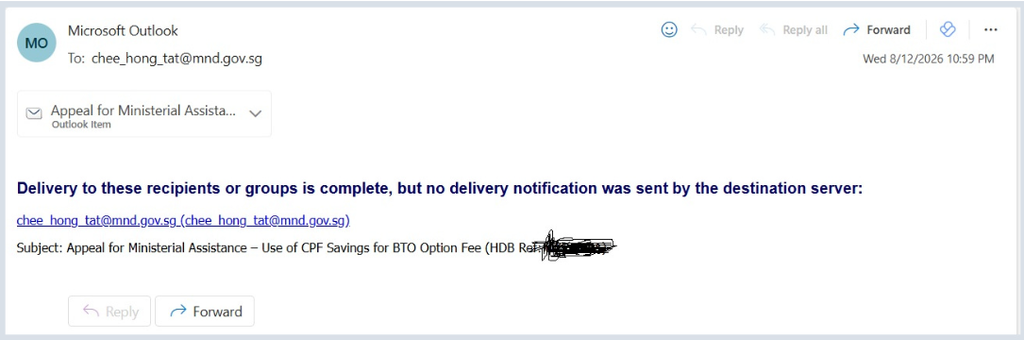
图1:2026年8月12日的Outlook状态通知。系统显示邮件已经送达,但收件方服务器没有发出送达确认。可识别个人资料已省略。
8月13日,国家发展部优质服务经理办公室的梁姓职员Michelle Leong回复说,该部正“与HDB协商”,并审视这项求情。七天后,居民再次跟进,系统回函表示,国家发展部一般会在3至15个工作日内回复;复杂个案可能需要更长时间。
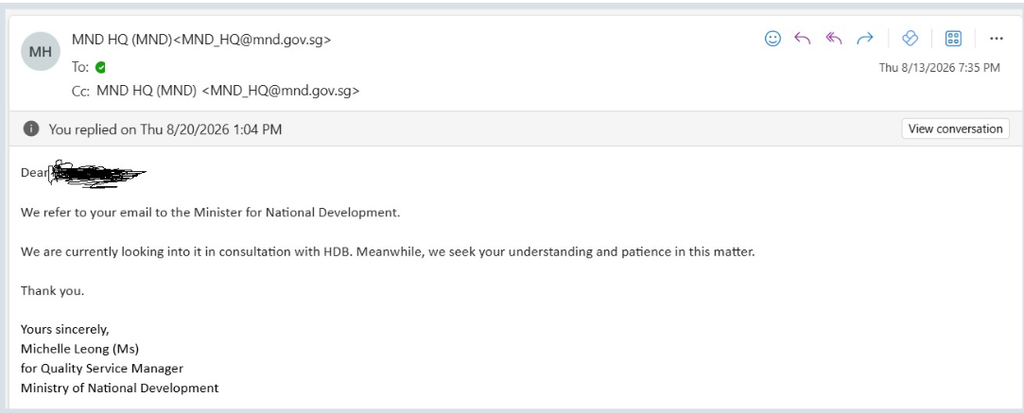
图2:国家发展部于2026年8月13日回复,表示正与HDB协商处理。收件人姓名已遮盖。
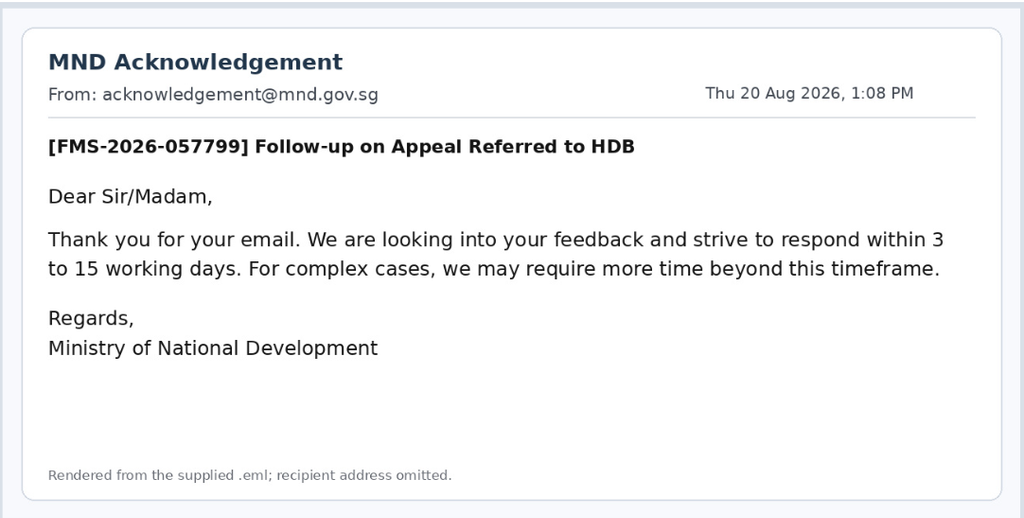
图3:2026年8月20日的系统确认函。国家发展部表示一般会在3至15个工作日内回复。
在办公室内看来,3至15个工作日或许很有效率。但当时钟另一端是选房日期、一个家和孩子的未来,感受完全不同。一封真正有用的确认函,应说明谁负责此案、正在作出什么决定、何时会有结论,并保证机构互相协商期间,申请者不会失去选房机会。“我们正在处理中”只是一句暂缓回应的话,还不能称为援助。
一则法律警告,加上一条失效链接
国家发展部的电邮底部,也附上一段通用保密声明,并提到《官方机密法令》。居民提供的截图显示,其中的链接无法使用。
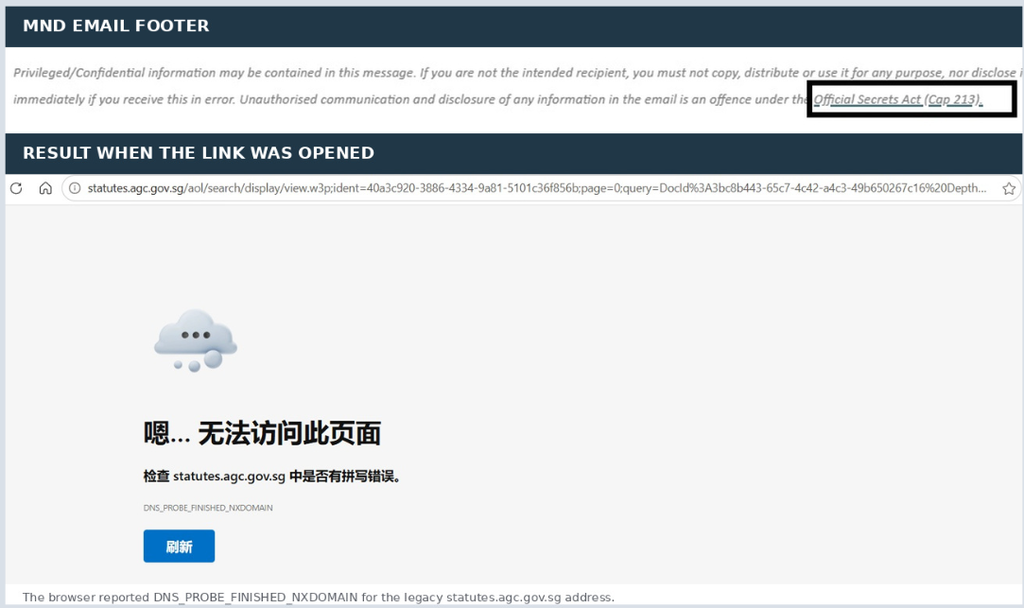
图4:国家发展部的通用电邮页脚引用了一条已经失效的《官方机密法令》链接。这证明链接失效,并不证明有人针对居民作出个人威胁。
这并不能证明梁女士是在亲自威胁居民。相关文字看来属于标准页脚,而《官方机密法令》也不会自动把每一封公共服务电邮变成国家机密。然而,官方措辞具有力量。普通公民提出求助时,电邮底部出现笼统的法律警告,足以令人却步——尤其当本应用来解释法律的链接已经失效。清楚易懂的语言和一条有效链接,比宽泛的警告更能建立信任。
即使你不是创业者,这2,000新元也与你有关
这名居民是一名创业者,正尝试建立一个区域循环经济项目。现金周转紧张,是因为他正在创造事业,而不是因为他的公积金户头没有钱。
但你无需欣赏初创企业,也无需认同他的商业计划,甚至不必是自雇人士,才会关心这个个案。明天面对同样问题的,可能是一名刚被裁退的员工、照顾者、单亲家长,或正在等待迟发薪金的人。公共政策层面的问题很简单:一个公积金充足的人,是否应该因为暂时欠缺2,000新元现金,而失去BTO机会?
徐芳达部长曾公开邀请企业指出造成不必要繁文缛节的过时规定。如今,他所领导的部门内就有一个具体考题。如果不存在安全可行的例外,HDB应解释原因;如果可以设计一条严格而有限的困难援助渠道,就应该在另一个家庭失去组屋之前把它建立起来。
透明不能只是一句“请相信我们”
这个个案讨论的是选购权费,并不证明HDB操纵了抽签。我没有看到任何证据显示职员改动了居民的排队号码,把这种说法当作事实发表是不负责任的。
然而,公共住房太重要,不能像黑箱一样运作。当申请者无法理解抽签、审计轨迹、人工干预或求情判断的逻辑时,每一次资料缺失和前后不一致的答复,都会滋生怀疑。居民此前曾反映,自己的HDB记录中部分联络栏位似乎是空白的,也没有收到应有的信件。这足以要求检查审计轨迹,却不能证明是谁造成问题,或问题为何发生。
HDB完全可以在不泄露个人资料、也不公开可被钻漏洞的方法下,证明抽签制度的完整性。它应当公布:
以普通申请者也看得懂的方式,解释电脑抽签如何运作,以及优先计划怎样改变中签机会;
系统保留哪些审计记录、谁可以查阅,以及如何防止职员利益冲突;
如何发现并纠正联络资料缺失、重复记录和其他数据错误;
每年收到多少求情、批准率、拒绝原因和处理时间;以及
由独立机构每年确认抽签和人工干预均受到适当管控。
透明并不等于公开所有秘密。透明是让一名理性的公民能够看见制度为何公平,也让独立审查者拥有足够证据去检验这种说法。
援助存在——至少在宣传材料里存在
新加坡并不缺少援助计划。我们有e2i、技能创前程、SME Centres、Enterprise Singapore、接见选民活动、HDB反馈渠道和部长办公室。标志很多,门也很多。真正的问题是:门后究竟有没有人为一个人的问题负责?
两次e2i对话,两个截然不同的新加坡
同一名读者讲述了两次e2i经历。一年多前,他说一名职员告诉他:一个需要养育两名孩子的家长,不能只因为走投无路,就随便接受月薪2,000新元的工作。那名职员看到的是整个家庭,而不只是一份空缺。
较近期的一次会面中,他说另一名职员一开始便质疑:一名大学毕业生怎么可能长期找不到工作?随后建议他从事蓝领或送餐工作。他回答,只要能养活孩子,清洗厕所也愿意做。他对送餐工作的顾虑不是放不下身段,而是一次严重交通意外,可能同时夺走收入和照顾家庭的能力。
2023年的最低收入标准研究估算,一对育有两名孩子的夫妻,每月需要约6,693新元才能维持基本生活水平;一名育有幼儿的单亲家长,则需要约3,369新元。政府对部分研究方法提出异议,因此这些数字并不是官方贫困线。即便如此,告诉一名家长去接受2,000新元月薪,并不是谈话的终点,而只是家庭账目的起点。
读者说,e2i会谈一开始便由机构录音,他自己也录下了过程。本文所引述的对话与次序仍属于他的个人陈述。e2i应审阅原始录音,并正面回应内容,而不是把这个人简化为就业安置统计中的一个数字。
“放下过去”——但过去正解释了今天的缺口

读者说,近期接触的职员劝他放下过去。她或许是想说:不要让旧伤决定未来。但对他而言,过去正是履历中四年空窗、收入损失、自信消耗,以及今天为什么2,000新元会横在孩子与永久居所之间的原因。
他所描述的并不是四年无所事事,而是一连串工作、几乎成功的成果,以及突如其来的终结。
在新加坡大型系统集成商NCS任职期间,他回忆疫情时期工作有时延续至凌晨1时;员工的孩子若在视讯会议中闯入画面——封锁期间工作与家庭生活最普通不过的碰撞——有些员工却被视为不专业。他把这种管理语气与Howie Sim, “沈” 领导时期联系起来。这是读者的观察;NCS公开履历只能证实Howie Sim的领导职务,并不能证实相关行为。
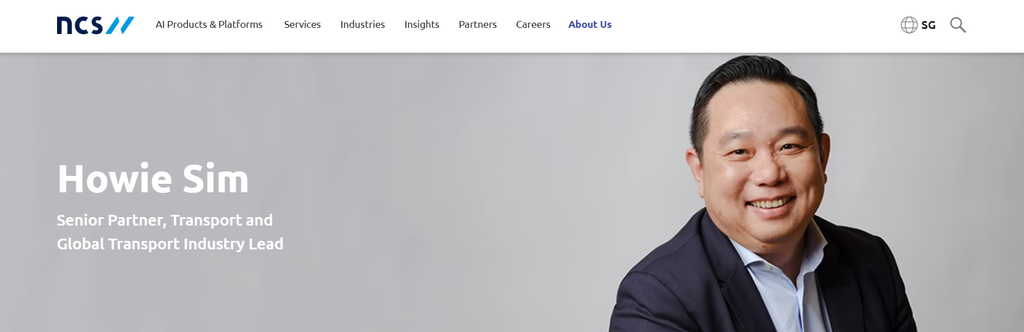
他进一步指称,公司曾以恶劣工作条件和偏低绩效评分,迫使部分员工主动辞职,从而减少裁员成本。他最严重的指控涉及公共部门招标。他使用“暗牌”一词,形容他所相信的隐蔽中间人:在招标正式公布多年前,便透过高尔夫球场和卡拉OK房的关系,协调商业结果。按照他的理解,一套已经落伍的解决方案仍可能中标,因为非正式默契先形成,正式采购程序随后才出现。
本文没有审阅任何具体招标编号、投标文件、通讯、付款记录或独立证人证词,因此这些说法并非已经证实的事实。但它们揭示了制度不透明为何具有腐蚀性:当公众难以查看中标理由、利益冲突、技术评估和项目成果时,只能在官方保证与个人经历之间作选择。正确答案不是要求盲目信任,而是提供可审计的采购记录。
离开NCS后,读者讲述自己转到薪酬更高的跨国科技公司,多次参加认证考试、成功推进CPF潜在客户机会,却在试用期将近结束时遭到解雇。他说,在一家美国跨国公司任职时,后来从一名震惊的美国同事口中得知,他们共同推动的一笔数百万美元数据中心交易已经成交,但他离职时这项成绩并未获承认。另一家公司里,一份已获相识多年的售前同事认可的市场进入简报,却被主管以较旧模板否决,随后他再次被终止聘用。
这段经历可以令人痛苦,却不能单凭先后次序证明多家雇主串通、操纵考试或刻意设局。相关结论需要雇佣记录、认证日志、商机记录以及企业回应。不过,反复的职业伤害依然会造成真实的人生后果。事业代表收入、尊严和供养家庭的能力。在叫一个人忘记过去之前,职业辅导员应先问:发生了什么?什么能够证明?下一步可以做什么?
为求准确,e2i是职总(NTUC)的劳资政合作机构,并非政府公务员部门。它报告曾协助许多人就业,这一点值得肯定。但亮眼的全国总数,不能抹去一次糟糕的个人经历。成功图表以外的人,依然是一个人。
不断再培训,直到培训额度用尽
读者说,自己曾被转介到波士顿咨询集团(BCG)主办的RISE技能创前程职业转换计划,公积的培训额度也大量用在那里。当他后来想学习电工、水管维修或空调维护等实用技能时,发现所剩额度已很少,甚至完全不足。
公开资料显示,RISE由BCG主办;人民行动党议员Mariam Jaafar同时是BCG董事经理兼资深合伙人,并属于RISE领导团队。这些公开职务并不能证明任何转介不当,却足以支持更透明的防范措施:向每一名求职者说明为什么推荐课程、课程成本、还有哪些替代选择、申报过哪些利益冲突,以及多少学员最终找到相关并具有可持续薪资的工作。
技能创前程不应沦为“左口袋进、右口袋出”的运作——公共培训额度被消耗,公民却依然失业。培训成效应以真正获得的能力和就业成果衡量,而不只是报名人数。
走向区域——但过桥还得靠自己
创业领域也存在同样落差。新加坡鼓励创办人国际化、开拓新市场。Enterprise Singapore的市场进入援助计划(MRA)确实存在,相关资格、申请时点和受支持活动等规则也都真实存在。公共资金必须受到保护,因此管控是必要的。
然而,当一名现金紧张的创办人无法确定该走哪扇门、何时申请、什么文件能够签署、谁能在区域机会消失之前作出判断时,所谓支持就只是一份宣传册,而不是一座桥。居民说,他愿意为自己、家庭和其他新加坡人走得更远、创造机会,却一再发现,广告中的援助渠道无法在真正需要的时刻接住他。
我没有看到任何证据显示企业补助只留给公务员亲友、宗亲或受偏爱的圈内人,因此不能把这种指控当作事实。消除怀疑的方法是更充分的披露:申请和批准数据、处理时间、拒绝原因、成果指标、利益冲突防范,以及可信的申诉渠道。
徐芳达部长的2,000新元考题
徐芳达曾先后在卫生部、通讯及新闻部、贸工部、教育部、外交部、交通部、财政部、职总任职,如今领导国家发展部。部长轮调可以扩展经验,却也可能在棘手计划由一名政治职务者交给另一人时,使责任变得模糊。
在交通部时期,SimplyGo全面转换计划因公众反弹而撤回,徐芳达也为“判断失误”道歉。ERP 2.0仍在推行。2024年9月东西线严重故障的最终调查结果,则在他转往国家发展部后不久公布。没有证据显示他被调职是为了逃避这些问题。公平的制度问题是:责任会不会随着政治职务者一起转移,还是每次调职都让问责时钟重新开始?
如今在国家发展部,他削减不必要繁文缛节的承诺面对一项有人情温度的测验。如果制度连一名“公积金充足、现金暂时不足”的BTO申请者,都无法找到安全、可审计的解决办法,公众自然会问:削减繁文缛节究竟是政策,还是表演?
一张合照不是罪证,一句否认也不等于完整透明
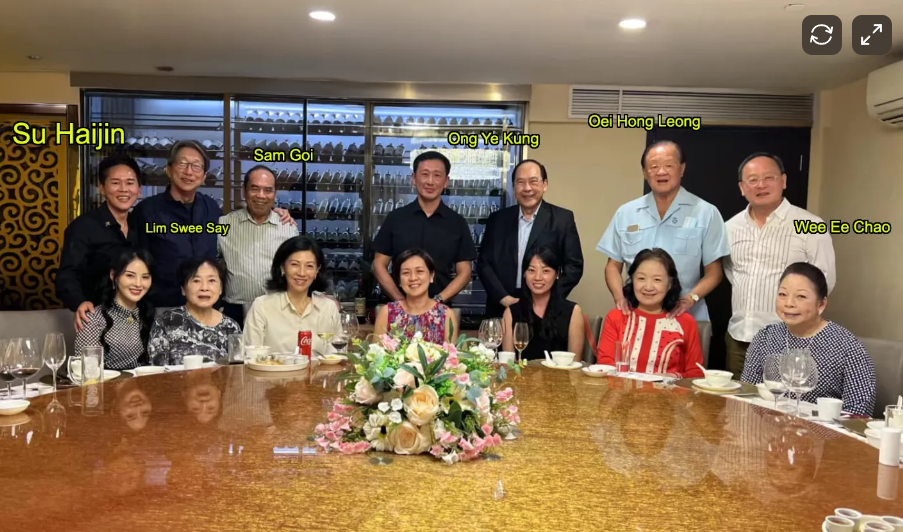
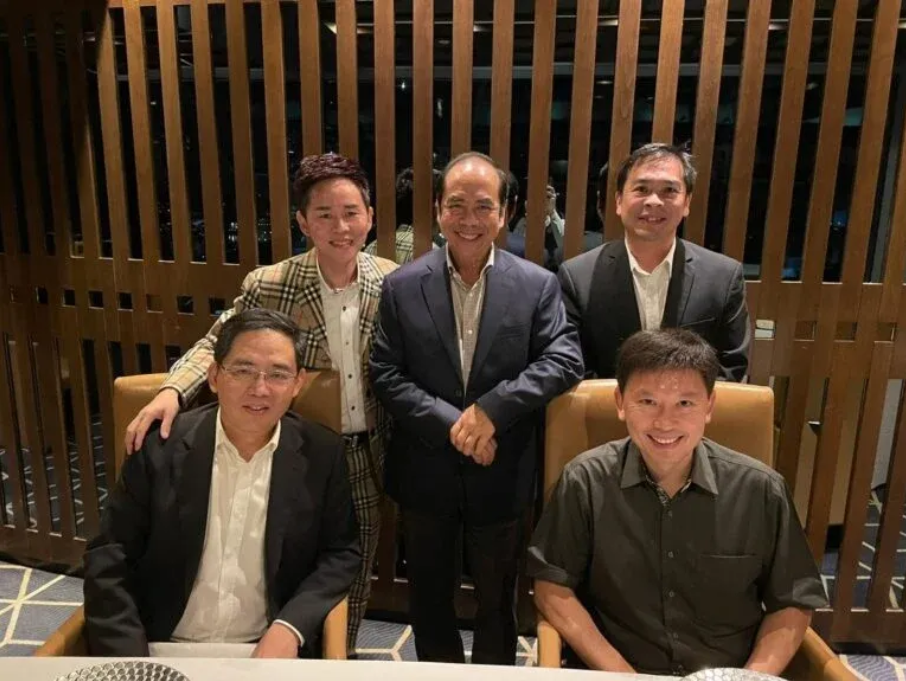
2025年5月,照片显示徐芳达出席的一场晚宴中,也有后来在新加坡数十亿新元洗钱案中被定罪的苏海金。徐芳达和卫生部长王乙康分别透过新闻秘书表示,他们并不私下认识苏海金,在宴会之前或之后也没有与他联络或往来。CNA报道,商人Sam Goi表示,饭局由他安排并付款。
这些才是公开记录中已经成立的事实。同桌出现只能证明参加同一场合,并不能证明贪腐。福建人、广东人、潮州人,或只是拥有相同姓氏,都不能说明一个人的行为。以方言群体定罪既不公平,也会削弱正当监督。
不过,当照片引发合理疑问时,公众要求一致披露并不过分:谁邀请政治职务者?谁付款?是否讨论公务?之后是否继续联络?是否需要申报或回避?具体事实比一句“请相信我们”更有分量,也比网络猜测更公平。
这不只是住房问题
在我此前关于HDB、医疗和家庭干预的文章中,我不断回到同一道伤口:一套制度可以服务大多数人,却依然辜负最需要判断、连续跟进和申诉机会的那个人。
在《当补贴无法到达弱势者》一文中,一个领取ComCare援助的家庭说,他们从政府牙科诊所被转介到邱德拔医院的一项服务,却没有清楚理解那究竟属于津贴服务还是私人服务,后来更收到收费和追债联络。公共医院内可以同时存在公共、私人和外包服务;如果弱势病人在最需要明确说明的时刻,仍分不清其中差别,制度的沟通就已经失败。
家庭干预同样需要透明。2026年3月,社会及家庭发展部在维权人士韩慧慧的孩子被带离后,反驳相关说法并发出POFMA更正指示;CNA后来报道,孩子在附带安全措施下回到母亲身边。事件不能证明国家经常拆散相爱的家庭,却说明任何把父母与孩子分开的决定,都必须给出清楚理由、迅速处理,并提供有意义的复核。
在《当家园成为我们亲手与因果共同造就的真实距离》——也就是我写“穿校服裙的小女孩”的那篇文章——我谈到一个在外观上逐渐变得陌生的新加坡。更深层的危险是情感上的陌生:当求助者反而被当成问题,每一名职员都能把个案转交出去,却没有人真正负责;需要酌情与同理心的普通档案,最终只剩程序。
不要一边鼓励生育,一边抛下父母

2026年8月23日的国庆群众大会上,黄循财总理表示,没有什么比帮助家庭茁壮成长更重要。公布的措施包括新的儿童援助配套、更多育儿假、较低学前教育费用、调高BTO收入顶限,以及为育有孩子的首次购屋家庭增加抽签机会。
这些承诺值得欢迎,也必须以真实生活来检验。孩子不是未来的劳动力单位,也不该只是填补人力短缺的答案。父母需要的不只是生育奖励;他们需要一个家、足以生活的收入、真正通向工作的培训,以及不会因为他们跌倒而让他们感到羞耻的公共服务人员。
我们无需指控某项礼券是为了买票,也能提出一个更难的问题:群众大会的灯光熄灭后,援助是否还在?一张礼券可以缓解一周压力;一个真正运作的住房、就业或医疗体系,却能改变一生。
“牺牲小我,完成大我”这句话,在国家紧急时期或许能够鼓舞人心。但它不应成为处理“不方便个案”的日常原则。不能为了让平均数字继续好看,就把一名父亲、一个孩子或一名申请者视为可以接受的损失。
真正的援助应该是什么样子
在求情作出决定之前,保留居民的选房机会,并明确个案负责人和决定日期。
为公积金充足、但暂时现金不足的申请者设立严格而有限的困难渠道——包括延期、可追回过渡金、公积金抵销或跨机构援助。
公布HDB抽签管控、资料纠正程序、求情结果和独立核证。
更换国家发展部失效的《官方机密法令》链接,并以浅白语言说明普通公民可以分享什么。
审阅e2i录音,并公布受公共资助培训的就业成果和利益冲突保障。
公布企业补助有意义的批准、拒绝和成果数据,并提供可信的申诉渠道。
部长更换职务时,公开列明尚未解决的事项,以及由谁负责后续工作。
我们还能认得新加坡吗?
新加坡的制度确实帮助了许多人,这项成就不应否认。但一套制度的道德品质,最终取决于它如何对待那个从缝隙中掉下去的人。
透明不是一句品牌口号。透明是让公民能够看见规定、理由、证据、决策者和申诉途径。援助也不只是某项计划的存在;援助必须让求助者的人生真正向前移动。
徐芳达如今主管的不只是土地和住房,也是遮蔽风雨的居所与归属感。削减繁文缛节,并不总是从十亿新元的大项目开始。有时,它始于2,000新元、四次出席接见选民活动,以及一名居民要求政府把“援助就在这里”的承诺变成现实。
国庆群众大会已经结束。居民仍在等待。
作者声明
本文明确区分文件证据与个人陈述。BTO排队号码、选购权费求情和国家发展部的回复次序,来自居民提供的往来文件,个人身份资料已遮盖。有关就业、e2i和招标的经历,除非另有公开资料支持,均明确归属于读者的个人陈述。本文没有把操纵抽签、围标、协调招聘、族群偏袒或贪腐等指控当作既定事实。文中提及的机构与个人可提供记录或回应;任何实质性更正都应获得显著刊登。
参考资料与延伸阅读
公共与机构资料
2026年国庆群众大会——完整演讲——总理公署,2026年8月23日
NDR 2026:七项重点——CNA,2026年8月23至24日
HDB选房程序——选购权费表
HDB选购权费及其他住房开支——公积金局;四房式及以上BTO为2,000新元,计入首付但不能使用CPF支付
2026年6月BTO行政详情——HDB
尚穆根——国会议员简介——新加坡国会
徐芳达在Construction Tech @ Punggol Digital District的演讲——邀请企业指出过时规定和不必要繁文缛节
徐芳达——官方履历——总理公署
SimplyGo国会答复——交通部
东西线故障调查结果——陆路交通管理局,2025年6月3日
徐芳达与王乙康否认和苏海金有往来——CNA;包括Sam Goi的说法
与职业辅导员会面——e2i说明的辅导宗旨
社会包容项目/最低收入标准——新加坡国立大学李光耀公共政策学院
RISE by BCG——技能创前程职业转换计划
Mariam Jaafar——BCG履历——企业职务
市场进入援助计划(MRA)——Enterprise Singapore
《官方机密法令1935》——新加坡法令在线现行页面
社会及家庭发展部关于韩慧慧事件的声明与POFMA更正——官方说法
韩慧慧的孩子在附带安全措施下返家——CNA,2026年3月16日
Howie Sim——NCS领导层简介——仅证实领导职务,不证实读者陈述
MarVinFoo.com相关文章
#170 当家园成为我们亲手与因果共同造就的真实距离——“穿校服裙的小女孩”
此刊文也发布在 LinkedIn, TikTok, XiaoHongShu, Instagram, Facebook and other Chinese social media platforms.