#142 Comfort, Vice, and the Burden of Judgment: The Women We Failed to See (With Testimonies) 慰安妇、风月与偏见:我们未曾真正看见的女性(附幸存者证词)
In every society, there exists a quiet hypocrisy.
We condemn the women. But we rarely interrogate the systems—and the men—that created their circumstances.
The Historical Wound We Still Avoid
The system of World War II comfort women system remains one of Asia’s deepest unresolved scars.
Across Korea, China, and Southeast Asia:
- Tens of thousands of women were coerced into military brothels
- Many were teenagers, some as young as 14
But statistics do not capture reality.
Survivors do.
Voices That Refuse to Be Forgotten
Korean Survivor Testimony
Kim Hak-sun said:
“I was taken away and forced to live as a comfort woman… I could not escape.”
Another Korean Survivor
Lee Yong-soo shared:
“We were not treated as human beings. We were tools… like objects.”
Filipino Survivor Testimony
Maria Rosa Luna Henson recounted:
“They raped me many times a day… I lost count.”
NGO and International Documentation
Organizations such as:
- Amnesty International
- United Nations
have consistently documented:
- systematic sexual violence
- long-term trauma
- deep social stigma
Many survivors remained silent for decades—not because they wanted to forget, but because society would not accept them.
This Was Never Just History
Today:
- Women and girls remain the majority of trafficking victims globally
- Sexual exploitation remains the largest profit driver
The structure has not changed:
- deception
- coercion
- economic vulnerability
The Women We Still Judge Too Easily
Consider the story of Li Lizhen.
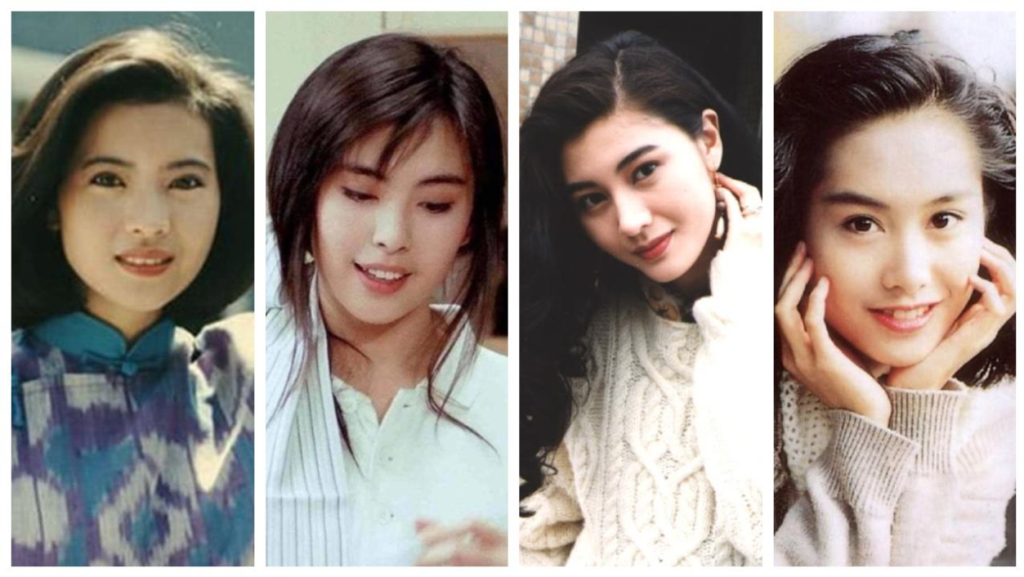
In the 1990s, she became one of Hong Kong’s most recognisable Category III actresses—roles often associated with nudity and controversy.
Yet behind that image was responsibility.
She reportedly took on such roles during difficult periods to support her family, including her brother’s overseas education.
Years later:
- her parents have passed
- her brother built a life abroad
- and she now lives a quieter, largely solitary life
Whether every detail is formally recorded or partly anecdotal, the broader point remains:
Society consumed her image. But rarely stayed to understand her sacrifice.
A Rare Window Into Reality: Hong Kong’s Exhibition
In early April 2026, Hong Kong hosted an exhibition titled:
「一樓一請按鐘」性工作職業博覽會 (“One Flat, One Sex Worker – Please Ring the Bell” Occupational Exhibition)
Organised by a social work initiative under The Society for Community Organization-linked outreach efforts (via the 水銀星三號計劃), the exhibition set out to challenge public misconceptions.
It did something unusual.
It asked visitors to step into the lives of these women.
What Visitors Experienced
- Visitors filled out a “pre-employment questionnaire” → asking what they would be willing to invest (appearance, surgery, emotional labour)
- The exhibition reconstructed: real “one-room brothel” environments working conditions safety tools like CCTV and health kits
- It highlighted that the job requires: emotional support boundary management interpersonal skills risk navigation
This was not voyeurism.
It was education.
The Most Striking Insight
A key observation:
Female visitors outnumbered male visitors.
And many left with the same realization:
“她們也是一群普通人” They are just ordinary people.
They worry about:
- their families’ health
- their future
- their dignity
Just like everyone else.
What Society Gets Wrong
The exhibition directly confronted stigma:
- derogatory labels used casually
- assumptions that the work is “easy money”
- ignorance of the emotional and psychological toll
It reframed the narrative:
This is not just sexual labour. It is emotional labour, survival, and risk management.
The Psychological Reality: Trauma on Repeat
Most people struggle with:
- one betrayal
- one heartbreak
But many of these women face:
- repeated emotional breakdowns
- repeated violations
- repeated survival decisions
multiple times a day.
Over time, this leads to:
- emotional detachment
- loss of trust
- withdrawal from relationships
The “Malèna Effect”: When Society Creates Reality
The film Malèna captures a familiar pattern:
- A woman is objectified
- Society spreads rumours
- She is ostracised
Eventually:
She becomes what society already condemned her to be.
What Survivors Reveal About Us
From wartime survivors… to trafficking victims… to modern-day workers in vice economies…
One truth emerges:
They did not lose dignity. Society withdrew it from them.
Closing Reflection
We often ask:
“Why did she choose this life?”
But the evidence—and the testimonies—tell a different story:
- survival
- coercion
- limited options
- systemic inequality
Mic-Drop Ending
We remember the history of comfort women. We acknowledge it in textbooks.
But when we still judge women in similar circumstances today—
we are not remembering history. We are continuing it.
This article is published on the blog of marvinfoo.com
慰安妇、风月与偏见:
我们未曾真正看见的女性(附幸存者证词)
开篇引言
在每一个社会中,都存在一种无声的虚伪。
我们批判女性。 却很少追问——
究竟是什么制度、什么环境、以及什么样的男性, 将她们推向这样的处境。
我们仍在回避的历史伤口
第二次世界大战时期的慰安妇制度,至今仍是亚洲最深、最难愈合的历史创伤之一。
在韩国、中国与东南亚各地:
- 数以万计的女性被强迫进入军队慰安所
- 许多人仍只是少女,甚至年仅14岁
但数字无法真正呈现现实。
真正承载历史的, 是幸存者的声音。
那些无法被遗忘的声音
韩国幸存者证词
Kim Hak-sun曾公开表示:
“我被带走,被迫成为慰安妇……我无法逃脱。”
另一位韩国幸存者
Lee Yong-soo说道:
“我们不是人,我们只是工具……像物品一样。”
菲律宾幸存者证词
Maria Rosa Luna Henson回忆:
“他们一天侵犯我很多次……我已经数不清了。”
国际组织与非政府组织的记录
包括:
- Amnesty International
- United Nations
长期记录了:
- 系统性的性暴力
- 长期心理创伤
- 深层社会污名
许多幸存者沉默数十年, 并不是因为她们想遗忘,
而是因为—— 社会无法接受她们。
这从来不只是历史
直到今天:
- 女性与女孩依然是全球人口贩卖受害者中的多数
- 性剥削依然是最大利润来源之一
而其结构,从未真正改变:
- 欺骗
- 胁迫
- 经济脆弱性
那些我们仍然轻易评判的女性
想想李丽珍的故事。
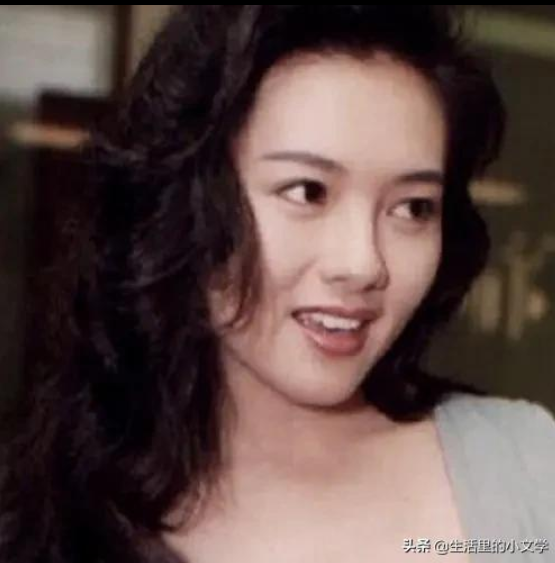
90年代,她成为香港最知名的三级片演员之一。
在人们眼中, 那是情色、争议、裸露。
但在那形象背后, 却是责任。
据悉,她曾在艰难时期接拍这些作品, 为的是支撑家庭,包括供弟弟出国读书。
多年后:
- 父母离世
- 弟弟已在海外建立人生
- 而她自己,却过着相对安静而孤独的生活
也许部分细节带有坊间色彩, 但核心事实依然令人深思:
社会消费了她的形象, 却从未真正理解她的牺牲。
现实的一扇窗口:香港「一樓一請按鐘」展览
2026年4月初,香港举办了一场展览:
「一樓一請按鐘」性工作職業博覽會
该展览由社工组织相关计划——「水銀星三號計劃」推动, 目的并非猎奇,
而是挑战大众对女性性工作者的误解。
它做了一件极少有人愿意做的事情:
让公众走进这些女性的人生。
参观者看见了什么
参观者进入展场前, 必须填写:
「性工作者入职前调查表」
里面的问题包括:
- 你愿意为工作投资多少?
- 愿意接受整容、减肥、情绪劳动吗?
- 是否能承受长期风险与压力?
展览现场还真实还原:
- 「一楼一」工作环境
- 闭路电视与安全设备
- 避孕用品与性病检测工具
- 女性工作与生活空间
更重要的是:
展览强调, 这份工作不只是性劳动。
它还包括:
- 情绪支持
- 人际沟通
- 边界管理
- 风险处理
这不是偷窥。
这是教育。
最令人震撼的一点
主办方发现:
女性参观者,竟然比男性更多。
而许多人离开展览时, 都有同一个感受:
“她们也是普通人。”
她们同样会担心:
- 家人的健康
- 自己的未来
- 自己的尊严
其实, 她们与我们并没有本质不同。
社会真正误解的是什么
展览直接挑战了大众偏见:
- 随口使用侮辱性词汇
- 认为这是“轻松赚快钱”
- 忽视长期心理与情绪代价
它重新定义了这个行业:
这不仅是性劳动。 更是情绪劳动、生存能力与风险管理。
重复创伤下的心理现实
大多数普通人, 可能一生只经历一次重大背叛或情感创伤。
但这些女性:
- 每天面对情绪崩溃
- 每天面对边界侵犯
- 每天都在做生存选择
而且—— 一天可能发生数次。
久而久之:
- 情感逐渐抽离
- 对人失去信任
- 不再相信爱情
很多人最终选择独身, 并不是因为她们不会爱,
而是因为—— 她们见过太多人性最真实的一面。
“玛莲娜效应”:社会如何制造现实
Malèna这部电影,揭示了一个残酷循环:
- 女性被物化
- 流言四起
- 社会孤立她
最终:
她变成了社会最初指控她的模样。
这并不只是电影。
现实世界里, 这样的事情每天都在发生。
幸存者揭示了什么?
从战争幸存者……
到人口贩卖受害者……
再到现代风月行业中的女性……
一个共同真相浮现:
她们并没有失去尊严。 是社会夺走了它。
结语反思
人们常问:
“她为什么选择这条路?”
但真正的问题应该是:
“是什么样的制度与现实, 让她几乎没有更好的选择?”
点题结尾
我们说,我们铭记慰安妇历史。
我们在课本里承认那段过去。
但如果今天, 我们仍然用同样的眼光去审判类似处境中的女性——
那么:
我们并不是在记住历史。 我们是在继续重演历史。