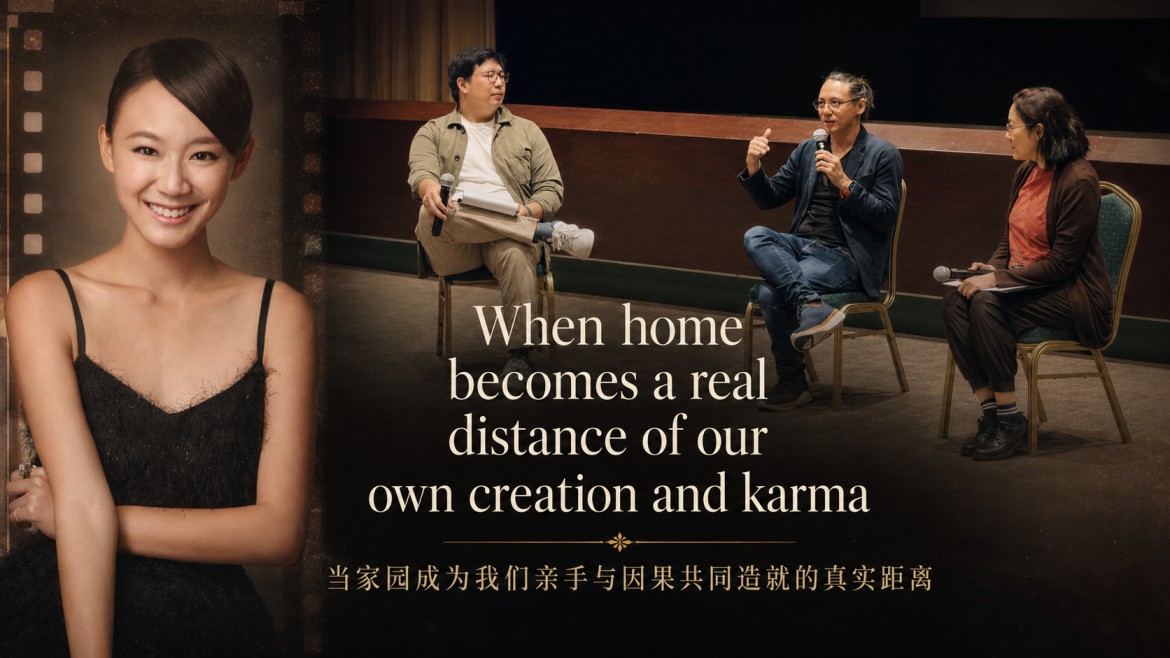
When home becomes a real distance of our own creation and karma #170 当家园成为我们亲手与因果共同造就的真实距离
What makes a place feel like home—its landmarks, its stories, or the people who remember them with us?
I was recently invited to a screening of That Girl in Pinafore (《我的朋友、我的同学、我爱过的一切》), Chai Yee Wei’s 2013 Singaporean comedy-musical, at the Tanglin Club.
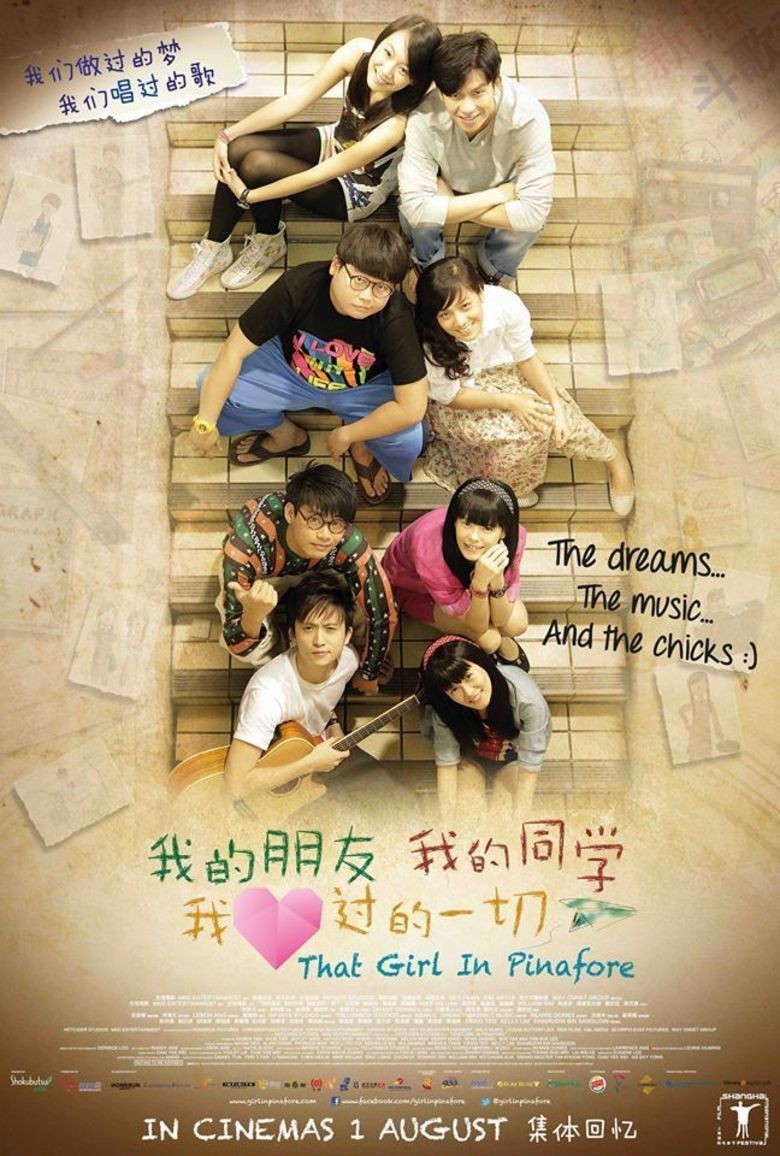
In that nostalgic setting, the film felt like a time capsule. It preserved many memories of growing up in Singapore in the 1990s: the anxiety surrounding the O-Level examinations, the songs that once filled our popular radio stations, and the cast enthusiastically belting out familiar 新谣 classics.
At the centre of it all was the love story between the characters played by Julie Tan and Daren Tan—a story of youthful possibility, family expectations and what might have been.
Love, control and the patterns we inherit
The film also invited a more difficult reflection: what happens when elders interfere in their children’s relationships and stop something before it has the opportunity to become?
In many Asian families, such intervention may come from a sincere desire to protect. Elders believe that their experience enables them to see dangers their children cannot—differences in status, education, family background or future prospects. But protection can quietly become control, especially when fear is mistaken for wisdom.
When someone else decides whom a person may love, the consequences do not always end with that relationship. What is prevented may return as regret, resentment or grief. In some stories, the outcome is tragic. In others, the wound becomes an inheritance carried silently into the next generation.
Perhaps this is one way to understand fate and karma—not simply as forces imposed upon us from outside, but as patterns we unconsciously repeat.
A parent who was once denied a choice may later deny the same choice to a child. A family that avoided confronting an old wound may recreate it under different circumstances. What appears to be fate may sometimes be an unresolved pattern waiting to be recognised.
Karma repeats itself until we are able to elevate ourselves above the immediate emotion and observe the pattern.
We are our own algorithms until we consciously step out of them.
The moment we recognise what repeatedly drives our decisions—fear, pride, social expectation or the desire to control—we gain the possibility of choosing differently. That awareness may be where fate ends and freedom begins.
Thriving between two cultural worlds
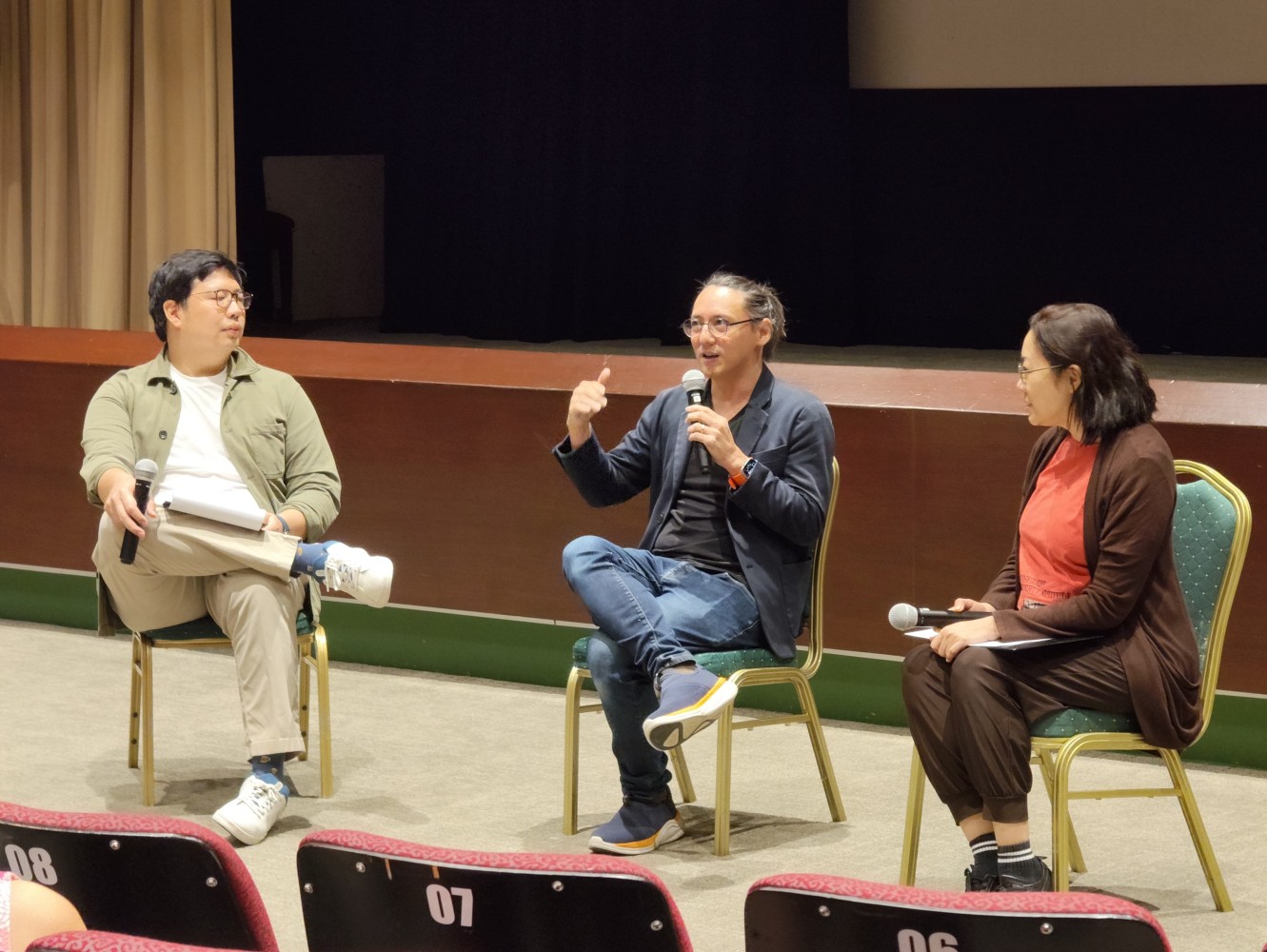
The most thought-provoking part of the event came during the Q&A with Yee Wei.
He spoke about his journey as a Singaporean filmmaker straddling the Chinese- and English-speaking worlds—and the two vast cultures that accompany them. His experience echoed that of many Singaporeans who are trying to find a promising space between languages, markets and cultural identities.
His work has repeatedly taken him beyond Singapore, from the Hong Kong-linked regional journey of Blood Ties (《还魂》), to directing I Want You, the film connected to The Voice of China, and more recently Wonderland (《乐园》).
His success suggests that the space between cultures is not necessarily a disadvantage. It may be precisely where our distinctiveness and international relevance can be found.
Singaporeans are often told that we are too Western for one world and not sufficiently Chinese for another. Yet the ability to move between these worlds—to understand their languages, instincts and unspoken codes—can also become a rare creative and commercial advantage.
The gap is not always an emptiness to be filled. Sometimes, it is the space in which something original can emerge.
The cultures that resist disappearance
Films such as Wonderland, with its use of Hokkien, Mandarin and English, and the recent conversations surrounding the Teochew-language film Dear You (《给阿嬷的情书》), remind us that dialects and subcultures are not merely relics of the past.
They carry memories, values, humour and ways of understanding the world that cannot always be translated without losing something along the way.
Language is more than vocabulary. It contains the emotional architecture of a community.
When a language disappears from daily life, we do not lose only its words. We may also lose the particular intimacy between a grandparent and grandchild, the rhythm of a familiar joke, or the way affection was expressed by a generation that seldom said “I love you” directly.
This is why preserving culture should not mean freezing it in time. Culture survives when people are able to inhabit it, reinterpret it and pass it forward.
When home becomes unfamiliar
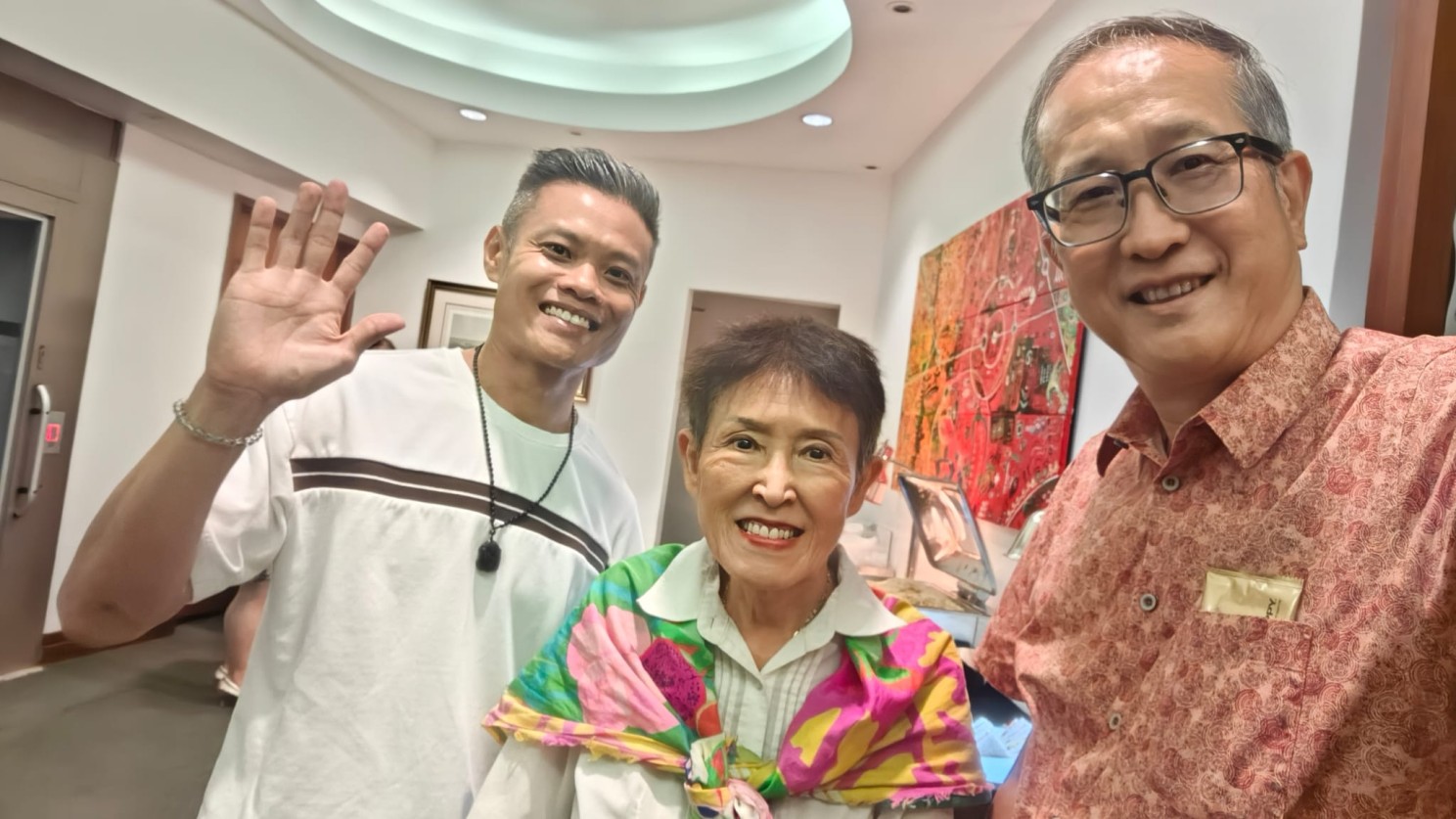
Our conversation eventually turned to a heavier question about home.
Someone recalled how some overseas Singaporeans, when asked whether they missed Singapore, said they were no longer sure. The country had changed so quickly in its pursuit of relevance that parts of it had become almost unrecognisable to them.
That thought stayed with me.
A country must evolve. Singapore’s ability to adapt has always been one of its strengths. But when change happens faster than memory can anchor itself, home can become a real distance—not merely a geographical one, but an emotional distance of our own creation.
Absence makes the heart grow fonder. But there is also an absence that is not immediately visible: the absence of Singaporeans whose contributions receive little recognition at home because their work is unfolding in distant lands.
Far away, they are building bridges, creating hope and extending Singapore’s cultural and economic hinterland for future generations. Yet these homeward hearts can sometimes be left out in the cold, their distance mistaken for disconnection when much of what they do continues to be inspired by home.
Their contributions may not always appear in mainstream narratives. They may not fit comfortably within the familiar images of patriotism or success. But belonging should not be measured only by physical proximity, visibility or how frequently one declares one’s love for the country.
Sometimes, those furthest from home are the ones working hardest to create new possibilities for it.
The home we create
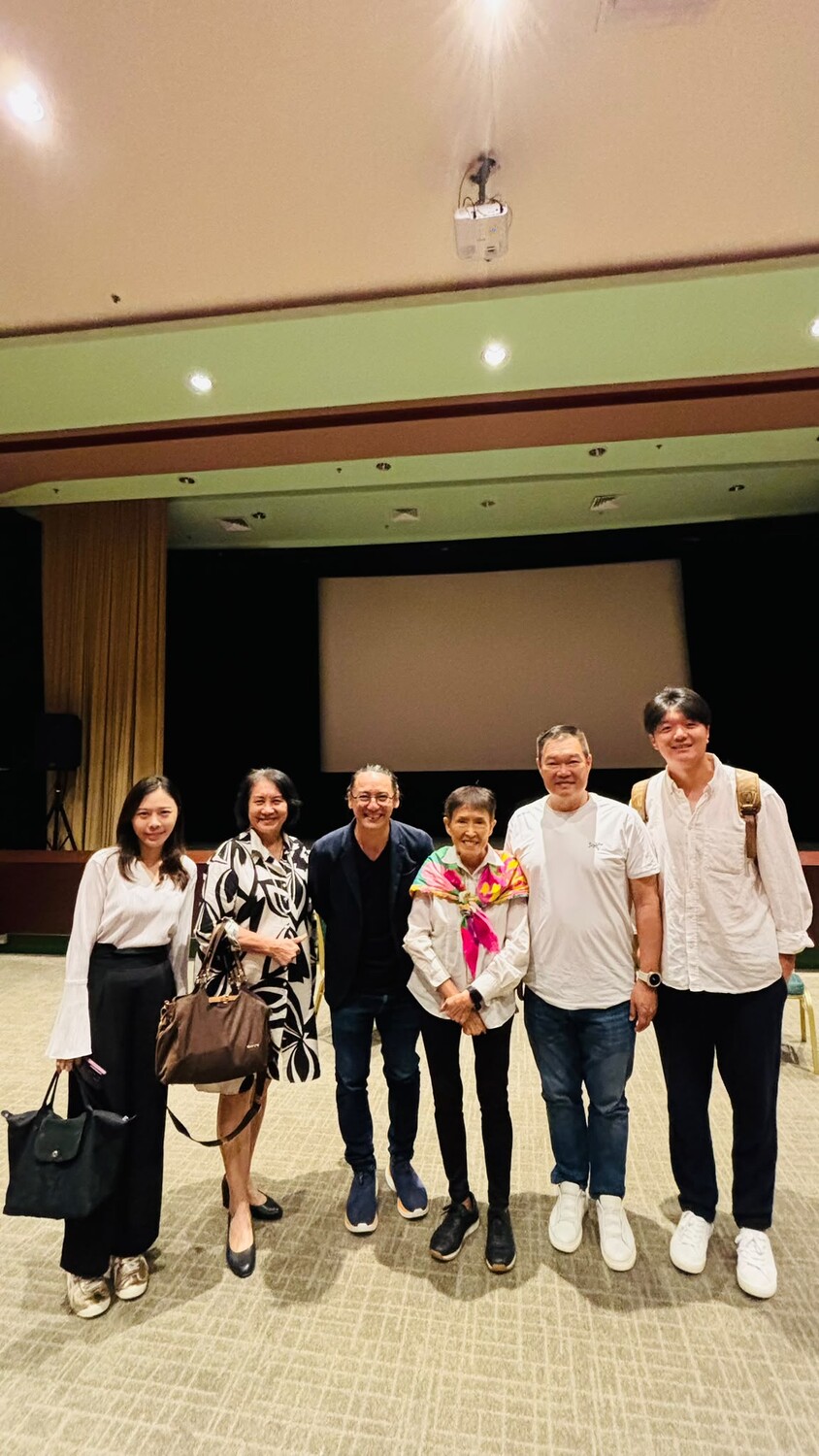
Perhaps families and nations are not so different.
Both can become trapped in their own algorithms. Families repeat inherited fears. Societies repeat familiar narratives. In trying to preserve what they know, both may unintentionally push away the people and possibilities that could have helped them grow.
A nation must continue to evolve, but home is more than a skyline, a campaign or a patriotic message repeated loudly enough. Its soul comes from its people, relationships, shared memories and the quiet connections that give a place meaning.
Progress keeps a country relevant. Memory keeps it human.
Awareness allows us to recognise the patterns we have inherited. Courage allows us to step outside them. And compassion may be what closes the distance we have created between ourselves and those who still carry home within them.
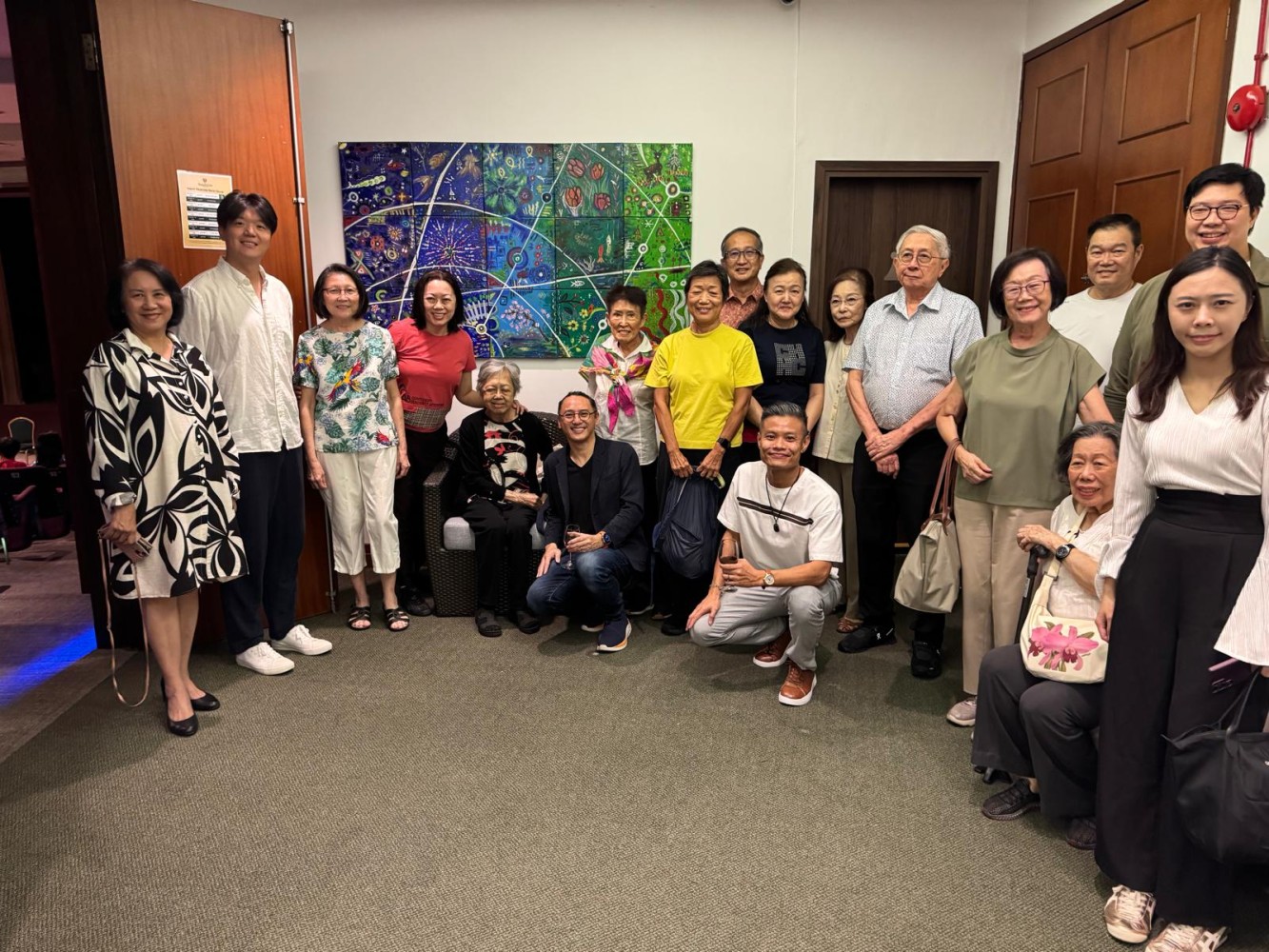
My heartfelt thanks to Dr Chen for the invitation and for the opportunity to mingle with professors and fellow alumni from NUS, as well as friends from her Imperial College alumni community.
It was a wonderful afternoon and evening, made even more memorable by the rich heritage and nostalgic setting of the Tanglin Club.
当家园成为我们亲手与因果共同造就的真实距离
究竟是什么让一个地方成为“家”——是熟悉的地标、共同的故事,还是那些与我们一起记得往昔的人?
最近,我受邀到历史悠久的 Tanglin Club,观看蔡于位执导的2013年新加坡歌舞喜剧电影《我的朋友、我的同学、我爱过的一切》(That Girl in Pinafore)。
在这样一个充满怀旧气息的场所观看这部电影,仿佛打开了一只时光胶囊。电影保存了许多新加坡人在1990年代成长的共同记忆:O水准考试所带来的焦虑、曾经在流行电台反复播放的歌曲,以及演员们高声唱出的经典新谣。
故事的核心,是由陈欣淇(Julie Tan)和陈世维(Daren Tan)饰演的两个年轻人之间的爱情——一段交织着青春的可能、家庭的期望,以及“如果当初……”的感情。
爱、控制,以及我们继承的模式
电影也引发了一个更为沉重的思考:当长辈介入子女的感情,在一段关系尚未有机会开花结果之前便将其阻止,最终会带来什么后果?
在许多亚洲家庭里,这种干预可能源于真诚的保护欲。长辈相信,凭借自身的阅历,他们能够预见孩子尚未察觉的风险——身份、教育、家庭背景或前途上的差异。
然而,当恐惧被误认为智慧,保护便可能悄然演变成控制。
当一个人爱谁的权利由别人决定,后果往往不会随着一段关系的结束而消失。被阻止的感情,可能以遗憾、怨恨或悲伤的形式再次出现。有些故事最终酿成悲剧;另一些伤痛,则成为一种沉默的遗产,被带入下一代的人生。
或许,我们也可以从这个角度理解命运与因果:它们未必只是由外界施加在我们身上的力量,也可能是我们在无意识中不断重复的模式。
曾经被剥夺选择权的父母,日后或许会剥夺孩子同样的选择。一个始终不愿面对旧伤的家庭,可能会在不同的人和环境中,再次制造相似的伤痛。
看似命中注定的事情,有时只是一个尚未被看见、等待我们觉察的循环。
因果会不断重演,直到我们能够超越当下的情绪,站得更高一些,看清整个模式。
在有意识地跳脱之前,我们每个人都是自己的算法。
当我们看见那些不断驱动自己作出决定的力量——恐惧、骄傲、社会期待,或控制他人的欲望——我们才真正拥有作出不同选择的可能。
也许,觉察就是宿命停止、自由开始的地方。
在两种文化之间找到立足之地
放映结束后的问答环节,是当天最发人深省的部分。
蔡于位分享了自己身为新加坡电影人的经历。他长期跨越华语与英语两个世界,同时也穿梭于这两种语言背后庞大而复杂的文化之间。
他的经验,呼应了许多新加坡人的共同处境:我们都在语言、市场和文化身份之间,寻找一道狭窄却充满可能的缝隙——一个不仅能够容身,也能够茁壮成长的空间。
从通过区域发行走向海外的《还魂》(Blood Ties),到执导与《中国好声音》相关的电影 I Want You,再到近年的《乐园》(Wonderland),他的创作道路一再将他带出新加坡,走向更广阔的国际市场。
他的成功提醒我们,身处两种文化之间,未必是一种劣势。恰恰相反,这或许正是新加坡人独特性与国际价值的来源。
新加坡人有时会被认为对于某个世界而言太西化,对于另一个世界而言又不够中华。但如果我们能够理解不同文化的语言、思维、直觉,以及那些未被说出口的规则,这种穿梭于文化之间的能力,便可能成为一种难得的创意与商业优势。
缝隙并不一定代表需要被填满的空白。
有时候,真正原创的事物,正是在缝隙中诞生。
那些拒绝消失的文化
《乐园》中对福建话、华语和英语的运用,以及近期潮州话电影《给阿嬷的情书》(Dear You)在新加坡引发的讨论,都提醒我们:方言和次文化并不是等待消失的历史遗物。
它们承载着记忆、价值观、幽默,以及一套独特的世界观。这些东西在翻译的过程中,往往无法毫无损失地被保留下来。
语言从来不只是词汇。它也保存着一个社群的情感结构。
当一种语言逐渐退出日常生活,我们失去的并不只是一些词语。我们也可能失去祖孙之间特有的亲密感、一句只有自己人才听得懂的笑话,以及上一代人在不轻易说“我爱你”的年代里,表达关怀与爱意的方式。
因此,保存文化,并不等于将文化冻结在过去。
只有当人们仍然能够活在文化之中、重新诠释它,并将它传递下去,文化才会真正延续。
当家变得陌生
我们的对话最后走向了一个更为沉重的问题:什么才是家?
有人提到,当一些旅居海外的新加坡人被问起是否想念新加坡时,他们竟然不再确定答案。这个国家为了保持竞争力和时代相关性,变化得如此迅速,以至于它在很大程度上已经变得陌生。
这个说法一直留在我的心里。
一个国家当然必须进步。不断适应环境,始终是新加坡的重要优势。
但当变化的速度快得让记忆无从扎根,家便可能成为一种真实的距离。那不只是地理上的遥远,也是我们亲手创造出来的情感距离。
距离让思念更加深切。然而,还有一种并不容易被看见的缺席:一些新加坡人的工作与贡献,因为发生在遥远的异乡,而很少在家乡得到承认。
他们在海外搭建桥梁、创造希望,并为下一代新加坡人拓展更广阔的文化与经济腹地。然而,这些始终向着家园的心,有时却被遗留在寒风之中。他们与故乡的距离被误认为疏离,尽管他们所做的许多事情,依然受到家园的启发。
他们的贡献未必会进入主流叙事,也未必符合我们熟悉的爱国或成功形象。
然而,一个人是否属于这里,不应只由他身处何方、是否受到关注,或多么频繁地公开表达对国家的热爱来衡量。
有时候,距离家园最遥远的人,反而最努力地为它创造新的可能。
我们共同创造的家
也许,家庭与国家并没有那么不同。
两者都可能被困在自己的算法之中。家庭不断重复继承而来的恐惧,社会则不断重复熟悉的叙事。为了保存已知的一切,我们有时反而将那些原本能够帮助我们成长的人与可能性推得更远。
一个国家必须继续前进,但家园远不只是一道天际线、一场宣传活动,或一段被不断放大的爱国口号。
一个地方的灵魂,来自它的人民、人与人之间的关系、共同拥有的记忆,以及那些让一处空间产生意义的安静连接。
进步让一个国家保持时代相关性,记忆则让它保有人性。
觉察,使我们能够看见自己继承下来的模式;勇气,使我们能够走出这些模式;而慈悲,或许能够缩短我们与那些依然把家园带在心中之人之间,由我们亲手造成的距离。
衷心感谢陈博士的邀请,让我有机会与新加坡国立大学的教授及校友们交流,也认识了她来自帝国理工学院校友圈的朋友。
这是一个美好的下午与夜晚,而 Tanglin Club 深厚的历史底蕴和怀旧氛围,也让这次相聚更加难忘。



![#50 [🌏 Business Outlook 2025] SCCCI – Maybank Mid-Year Business Outlook Forum 2025 新加坡中华总商会与马来亚银行联合主办 2025年中经济展望论坛(华语)](https://marvinfoo.com/wp-content/uploads/2025/07/IMG_20250717_183143-768x1013.jpg)
One Comment