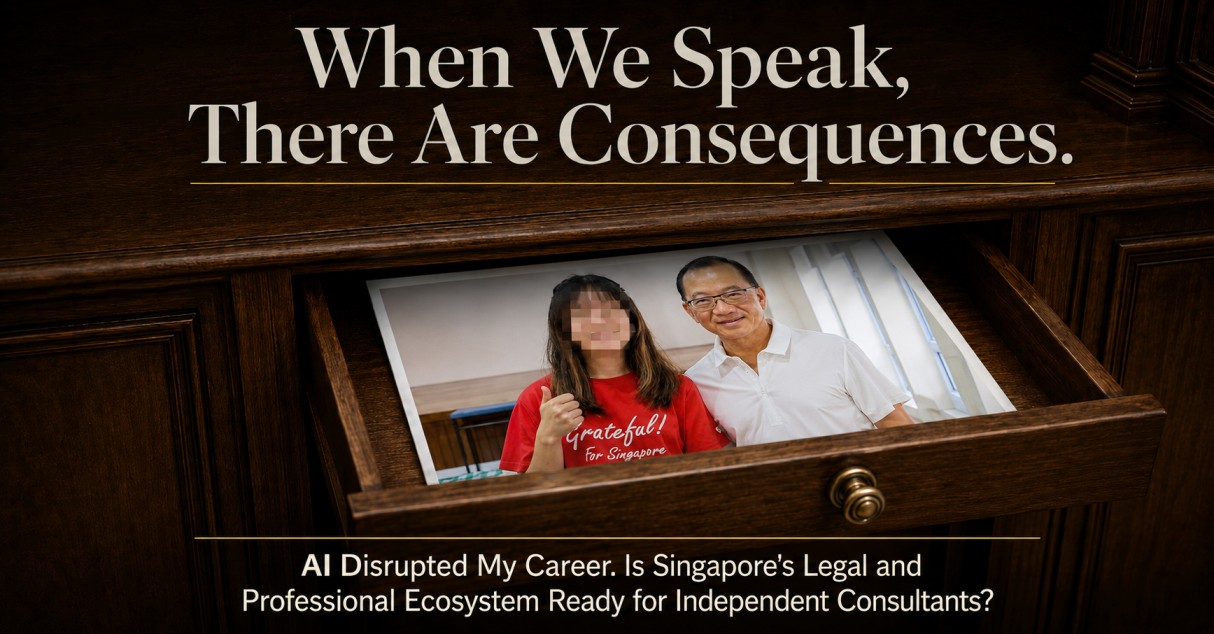
#161 AI Disrupted My Career. Is Singapore’s Legal and Professional Ecosystem Ready for Independent Consultants? AI 改变了我的职业生涯。新加坡的法律与专业生态系统,是否已经准备好迎接独立顾问时代?
中文版在下方
Singapore is entering a new era.
Artificial intelligence, automation and corporate restructuring are reshaping the workforce. Thousands of experienced professionals—engineers, transformation specialists, project managers, consultants and executives—are leaving corporate employment, whether voluntarily or through retrenchment, to build independent consulting practices.
Government agencies encourage lifelong learning. SkillsFuture encourages us to reskill. Industry bodies encourage us to deepen our expertise. Entrepreneurship is promoted as part of Singapore’s future economy.
The message is simple: keep learning, create value and contribute.
But what happens after you leave the safety of corporate employment?
Unlike manufacturers, independent consultants sell knowledge. We are engaged because of decades of accumulated experience. Clients invite us to diagnose problems, conduct site visits, prepare presentations, develop transformation strategies and provide expert recommendations.
Business rarely waits for perfect paperwork.
Factories stop operating. Projects become urgent. Decision-makers travel constantly. Consultants are repeatedly asked to “help first” because the business cannot afford delays. Formal agreements often follow after trust has been established and management approvals are completed.
That is the commercial reality many consultants work in every day.
Unfortunately, when relationships break down, that same reality becomes one of our greatest vulnerabilities.
I experienced this firsthand in my commercial dispute with JE Synergy.
Over several weeks, I conducted meetings, visited the client’s site, prepared proposals, delivered strategic recommendations and provided consultancy services that I believed were requested in good faith. When payment was not forthcoming, I commenced legal proceedings to recover what I believed was owed for professional services rendered.
Instead of recovering payment for my work, I ultimately faced an adverse costs order. As an independent consultant navigating a mid-career transition, the expectation of satisfying that costs order within a short period placed significant financial pressure on me.
The irony is difficult to ignore.
The legal process that I hoped would help me recover fees for professional expertise instead resulted in me having to satisfy a costs order before recovering what I believed I was entitled to for my professional services.
My experience raises broader questions that extend well beyond my own case.
If Singapore is encouraging experienced professionals to become independent consultants, are our institutions sufficiently aligned to support that transition?
If Singapore is encouraging experienced professionals to become independent consultants, are our institutions sufficiently aligned to support that transition?
Knowledge work does not always begin with a signed contract. Consulting often starts because businesses need immediate expertise. While written agreements remain the gold standard and offer the strongest protection for both consultants and clients, commercial reality does not always allow perfect documentation before work begins.
This is particularly true in engineering, sustainability, digital transformation and industrial consulting, where companies frequently seek urgent advice before administrative processes catch up.
Independent consultants already carry substantial commercial risk.
Unlike large corporations, we have no legal departments, no finance teams and no steady monthly salaries. Every hour spent advising a client is time invested on the expectation that professional work will ultimately be recognised and fairly compensated.
When disputes arise, the imbalance becomes obvious.
Large organisations often possess greater financial resources, in-house legal support and the ability to absorb litigation costs as part of their normal business operations.
Independent consultants generally do not.
Losing payment for months of work is damaging enough.
Facing an order to pay legal costs shortly afterwards can be devastating.
For many independent professionals, the greatest fear is not losing a case. It is that pursuing payment for work already performed may leave them in a worse financial position than if they had simply walked away. If that perception becomes widespread, legitimate claims may never be pursued, and confidence in independent consulting as a career may gradually erode.
This is not simply a legal issue.
It is an economic issue.
It is a workforce issue.
It is a question of whether Singapore’s ambitions for lifelong learning and entrepreneurship are fully supported by the institutions surrounding them.
Government agencies invest heavily in helping Singaporeans acquire new skills. Businesses encourage innovation and transformation. Professional institutions encourage members to deepen their expertise and contribute to industry.
As more professionals move into consulting because of AI disruption and corporate restructuring, professional institutions—including engineering, consulting and business associations—have an opportunity to examine whether independent practitioners require stronger guidance, education and advocacy on commercial engagements, contracting practices, dispute prevention and the realities of operating a knowledge-based business.
Similarly, our legal framework should continue evolving alongside the economy it serves.
The law quite properly values evidence, certainty and fairness. Those principles should never be compromised.
At the same time, the growing knowledge economy presents new questions. How should courts evaluate professional services where substantial work was requested and delivered before formal documentation was completed? Are there ways to resolve certain commercial disputes earlier and more proportionately, reducing unnecessary cost, uncertainty and financial pressure on both parties while preserving fairness and due process?
These are difficult questions.
But they deserve discussion.
Singapore has invested billions in helping citizens acquire new skills.
The next challenge is ensuring that professionals can convert those skills into sustainable livelihoods.
Lifelong learning cannot end with another certificate.
It must end with confidence that knowledge, experience and honest work can be fairly valued; that entrepreneurs are not discouraged from contributing their expertise; and that the institutions supporting Singapore’s knowledge economy evolve together with the workforce they are encouraging citizens to become.
That is not just about independent consultants.
It is about the future competitiveness of Singapore’s economy.
P.S.
One unexpected outcome of this case is that word has begun circulating within industry circles.
Several associates have asked me, “Are you in legal practice? We heard you went up against a prominent law firm.”
My answer has always been the same.
“No.”
I simply explain that my professional background has been in commercial sales, business development, contractual negotiations and tender compliance for projects valued at up to half a billion dollars. Throughout my career, I have worked with government agencies, multinational corporations, SMEs and private enterprises, often coordinating more than thirty stakeholders simultaneously.
Negotiation, commercial risk, trust-building and contractual relationships have been part of my professional life long before I became an independent consultant.
Like lawyers, independent consultants are engaged because clients value specialised expertise. Like lawyers, many consultants are paid by the hour.
In fact, many professions are.
What professionals ultimately sell is not merely time. They sell accumulated knowledge, judgement, experience and the trust that clients place in them.
This case has never caused me to lose respect for the legal profession. On the contrary, it has deepened my appreciation of its importance.
Lawyers, consultants, engineers, business leaders and clients may occasionally find themselves on opposite sides of a dispute. That is part of professional life.
But beyond every contract, every courtroom and every commercial disagreement lies something even more enduring: trust, ethics and integrity.
If we pause to put ourselves in one another’s shoes—not as opposing parties, but as fellow professionals seeking to earn an honest living—we may discover that our common ground is greater than our differences.
Long after every judgment has been delivered and every invoice has been paid, what ultimately remains is our character.
My hope is that, despite the dust and grime left behind by commercial disputes, human imperfection and the temptations of greed, we each leave with a clear conscience, having treated one another with fairness, dignity and respect.
And when our own professional journeys are complete, may we each one day return to the arms of our Lord with a clean slate, knowing that we sought not only success, but also justice, compassion and truth.
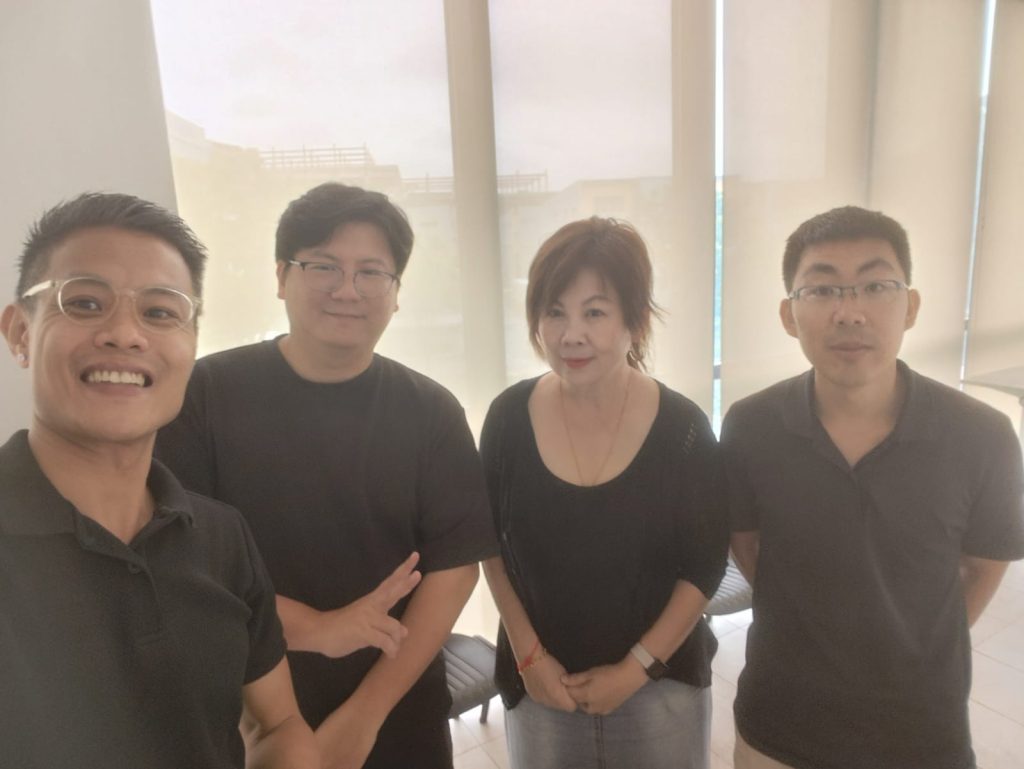
Finally, I would like to express my sincere gratitude to The Thousand Ships team, our stakeholders and our industry partners who continue to stand beside us through both successes and setbacks.
Thank you for believing that Trust is Immutable—that in the new economy, trust is not merely a commercial convenience but the very foundation upon which enduring relationships, innovation and sustainable value are built.
I am equally grateful to the many professionals, business leaders, investors, academics and institutions, both locally and internationally, who continue to observe developments across Singapore and the region with open minds. They recognise not only our achievements, but also the realities, pitfalls and structural gaps that every evolving ecosystem must address before committing their confidence, resources and partnerships.
Constructive progress begins with honest conversations.
Capital, talent and long-term partnerships ultimately flow towards ecosystems where trust is recognised, respected and honoured—not merely in words, but through institutions, business practices and everyday conduct.
That is the future The Thousand Ships believes in.
A future built not merely on contracts, technology or capital, but on trust that outlives individual transactions and creates lasting, mutually beneficial relationships for all.
This article is published on LinkedIn, Facebook, Instagram, TikTok, XiaoHongShu, and WeChat.
AI 改变了我的职业生涯。新加坡的法律与专业生态系统,是否已经准备好迎接独立顾问时代?
新加坡正迈入一个新时代。
人工智能(AI)、自动化,以及企业持续重组,正在重新定义专业人士的职业道路。越来越多经验丰富的工程师、企业转型专家、项目经理、管理顾问及企业高管,因为主动转型或企业裁员,离开稳定的企业岗位,投身独立顾问(Independent Consultant)的职业生涯。
政府鼓励终身学习(Lifelong Learning)。
SkillsFuture 鼓励全民不断提升技能。
各专业机构鼓励会员持续精进专业知识,为产业创造更大价值。
国家亦不断倡导创业精神,希望更多专业人士成为未来知识经济的重要推动者。
国家传递的信息十分明确:
持续学习、持续创造价值、持续贡献社会。
然而,一个鲜少被认真讨论的问题是:
当专业人士真正离开企业这把“保护伞”之后,他们面对的现实,又是什么?
与制造业出售产品不同,独立顾问出售的是知识、经验、判断力,以及多年累积下来的专业信誉。
客户聘请我们的原因,并不是因为我们拥有大型企业,而是因为我们能够帮助他们诊断问题、实地考察、制定企业转型方案、提供战略建议,以及解决他们最迫切的商业挑战。
现实中的商业世界,从来不会等待所有文件都签署完成之后才开始运作。
工厂停产,需要立即恢复生产;
项目迫在眉睫,不能停摆;
企业高层经常身处海外;
客户不断要求顾问:”先帮我们解决问题,手续之后再处理。”
正式合同,往往是在双方建立信任、内部审批完成之后,才正式落实。
这,就是许多独立顾问每天所面对的商业现实。
然而,当合作关系破裂时,这种商业现实,也往往成为独立顾问最大的风险。
我便亲身经历了这一切。
在我与 JE Synergy 的商业纠纷中,我先后召开多次会议、实地走访客户现场、准备商业方案、提交企业转型建议,并提供我认为是在客户主动要求下、且基于诚信原则所提供的专业咨询服务。
当顾问费用迟迟未获支付后,我选择透过法律程序,追讨我认为应得的专业咨询报酬。
然而,最终的结果却并非我所预期。
我不仅未能收回应得的顾问费用,反而需要承担一项对我极具压力的诉讼费用命令。
对于一位正经历中年职业转型、努力建立独立咨询事业的专业人士而言,在短时间内必须承担法院判令支付的诉讼费用,无疑带来了巨大的经济压力。
其中最大的讽刺,在于这一点:
我原本希望透过法律程序,追回应得的专业报酬;最终,却必须先筹措资金履行法院的费用命令,而我所认为应获得的专业报酬,却依然没有实现。
我的经历,并不仅仅属于我个人。
它引出了一个更大的问题。
如果新加坡正积极鼓励越来越多经验丰富的专业人士成为独立顾问,那么我们的制度,是否已经真正准备好支持这样的职业转型?
知识型工作,并不像传统商品买卖。
顾问服务很多时候并不是从一纸正式合同开始,而是从客户迫切需要专业意见的那一刻开始。
虽然书面合同始终是保障客户与顾问双方权益的最佳方式,也是商业合作最理想的标准,但现实商业环境却并不总能等待所有行政程序完成之后,专业工作才正式展开。
尤其是在工程、可持续发展、数字化转型以及工业顾问领域,这种情况更是屡见不鲜。
企业需要的是立即解决问题。
而顾问承担的,则是专业责任。
然而,真正的问题,往往是在发生争议之后才开始浮现。
独立顾问与大型企业之间的资源差距,很快便显露无遗。
大型企业通常拥有完善的法务部门、专业财务团队,以及足以承担漫长诉讼程序的资金实力。
而独立顾问,却往往没有这些资源。
我们没有固定薪资;
没有企业提供的法律支援;
没有稳定现金流;
更没有能力将长期诉讼视为一项正常的经营成本。
对于独立顾问而言,每一个小时投入客户项目,都意味着自己的时间、专业知识,以及几十年累积下来的经验。
我们相信,只要真正创造价值,就能够获得公平合理的报酬。
然而,当商业合作演变成法律纠纷时,现实却可能完全不同。
失去数个月甚至更长时间所投入的专业工作,本身已经是一项沉重的损失。
若随后还必须承担诉讼费用,对于许多正处于职业转型阶段的独立顾问而言,更可能成为压垮他们的最后一根稻草。
我认为,这也是今天越来越多专业人士最担心的问题。
他们害怕的,并不仅仅是败诉。
他们真正害怕的是:
为了追讨自己已经完成的专业工作报酬,最后却让自己陷入比当初选择放弃追讨时更糟糕的财务处境。
如果这样的观感越来越普遍,那么未来,许多本来具有合理基础的商业索偿,可能根本不会进入司法程序。
越来越多独立顾问会选择默默承担损失。
不是因为他们相信自己没有道理。
而是因为他们担心,追讨属于自己的专业报酬,最终所承担的代价,远远超过能够获得的回报。
如果这种情况持续发展,将逐渐削弱社会对于独立咨询行业的信心。
而这,已经不仅仅是法律问题。
这是经济问题。
这是就业问题。
更是国家人才政策的问题。
新加坡不断鼓励国民终身学习、提升技能、勇于创业,希望更多专业人士将多年累积的经验转化为新的事业。
然而,一个真正成熟的知识经济,不应该只鼓励人们学习。
更应该建立一套能够让专业人士安心运用知识、创造价值,并获得公平回报的整体生态系统。
政府持续投入大量资源推动 SkillsFuture、企业转型及创新发展。
企业不断强调生产力提升、数码化及人工智能应用。
各专业机构也持续鼓励会员不断精进专业能力,并积极服务产业发展。
这些方向,无疑都是正确的。
然而,当越来越多专业人士走向独立咨询之路时,整个专业生态,也需要同步成长。
包括工程、管理咨询、商业及其他专业协会,都可以进一步思考:
今天的独立专业人士,是否需要更多关于商业合同、风险管理、收费机制、专业责任、争议预防,以及知识型服务经营模式的培训与支持?
专业机构除了提供持续教育课程之外,是否也能够成为独立专业人士更有力的后盾,帮助会员面对新时代所带来的商业挑战?
与此同时,我们的法律制度,同样需要随着经济的发展不断演进。
法律强调证据、程序、公平及确定性。
这些原则,是法治社会不可动摇的基石。
这一点,毋庸置疑。
然而,当知识经济逐渐成为未来经济发展的核心,我们也应开始认真思考一些新的问题。
当专业服务已经真实发生;
客户主动要求顾问提供意见;
顾问已经投入大量时间、经验及专业能力;
但正式合同尚未完成签署时,
现有制度是否已经足够反映现代商业社会的真实运作方式?
除了传统诉讼之外,是否存在更早期、更有效率、更符合比例原则的机制,让双方能够尽快厘清争议、降低诉讼成本,并减少双方所承受的时间、经济及精神压力?
这些问题,没有简单答案。
但我相信,它们值得整个社会认真讨论。
因为,新加坡未来真正的竞争力,并不仅仅来自科技。
也不仅仅来自资本。
而是来自我们是否能够建立一个真正尊重知识、诚信与专业价值的社会。
一个鼓励专业人士勇敢创业,却也愿意保护他们诚实劳动成果的社会。
一个不仅鼓励学习,更能够让学习真正转化为稳定事业、长期收入以及社会信任的国家。
终身学习,不应该只是多获得一张证书。
它最终应该让一个人,有能力凭借自己的专业知识,建立值得信赖的事业,获得公平的回报,并持续为社会创造价值。
这,不只是独立顾问所关心的问题。
更关系到新加坡未来知识经济的竞争力,以及我们希望留给下一代专业人士怎样的发展环境。
后记(P.S.)
这场商业纠纷,带来了一个我始料未及的结果。
随着案件逐渐被业内人士知悉,越来越多同行开始主动联系我。
有人问我:
“你现在是在执业当律师吗?听说你与一家知名律师事务所交手。”
我的回答始终如一。
“不是。”
我只是向他们分享,我过去的职业生涯一直深耕于商业销售、业务发展、合同谈判,以及大型项目招投标合规管理。
我曾参与价值高达五亿新元的大型商业项目,与政府部门、跨国企业、中小企业及私人机构合作,并在同一时期协调超过三十个不同持份者之间的利益与沟通。
商业谈判、风险管理、建立互信,以及处理复杂合同关系,一直都是我职业生涯的重要组成部分。
这些经验,并不是在成为独立顾问之后才开始拥有。
事实上,它们正是我今天继续为客户创造价值的重要基础。
正如律师依靠专业知识提供法律服务一样,
独立顾问,也是凭借专业知识创造价值。
许多专业人士,包括律师、工程师、顾问、会计师、建筑师及其他知识工作者,本质上都是按专业时间收费。
真正出售的,从来都不是时间本身。
而是几十年来不断累积的专业能力、经验、判断力,以及客户愿意托付给我们的那份信任。
回顾整个案件,我并没有因此而失去对法律专业的尊重。
恰恰相反。
我更加深刻体会到,法律制度对于一个国家的重要性。
律师、顾问、工程师、企业管理者以及客户,在商业世界里,难免会因为不同立场而站在彼此的对面。
这是职业的一部分。
也是商业社会的一部分。
然而,在每一份合同、每一次谈判、每一场诉讼,以及每一个商业决定的背后,其实都存在着比胜负更重要的东西。
那就是:
诚信。
道德。
信任。
如果我们愿意暂时放下彼此在法庭上的身份,不再只是原告与被告、律师与顾问,而是把自己放在对方的位置,思考彼此都只是努力诚实谋生、希望凭借专业能力养家糊口的普通人,
也许,我们会发现:
我们共同拥有的价值,远远多于彼此之间的分歧。
终有一天,
法院会作出最终判决;
案件会结束;
发票会结清;
商业合作也许会画上句点。
但真正留下来的,
永远不是输赢。
而是一个人的品格。
我衷心希望,无论我们在人生中经历过多少商业纷争、人性的软弱,或利益带来的诱惑,
最终,我们都能够带着一颗无愧于心的良知离开。
因为我们曾努力以公平、尊重、诚信与尊严去对待每一个人。
而当我们完成这一生的职业旅程,
愿我们每一个人,
都能够坦然回到主的怀抱,
带着一张洁净的生命答卷。
因为我们追求的不仅仅是成功,
更是公义、
怜悯、
以及真理。
最后,我谨向 The Thousand Ships 全体团队、所有合作伙伴、持份者,以及一路以来给予我们信任和支持的朋友,致以最诚挚的感谢。
谢谢你们始终相信:
Trust is Immutable —— 信任,不可动摇。
在新时代,信任早已不只是商业交易中的一种选择。
它应当成为所有合作关系、制度建设、创新发展,以及长期价值创造最坚实的根基。
我同样感谢来自新加坡,以及世界各地持续关注我们的专业人士、企业领袖、投资者、学术机构和合作伙伴。
你们不仅关注一个国家的发展成果,
更愿意深入观察一个制度在成长过程中所面对的挑战、盲点,以及仍有待完善的地方。
因为真正成熟的投资者,
配置的不只是资本。
他们更是在寻找值得长期托付的制度。
真正优秀的人才,
寻找的不只是薪资。
他们更是在寻找一个尊重诚信、尊重专业、尊重人格的社会。
真正长远的合作伙伴,
追求的不只是利润。
他们更是在寻找值得彼此信赖、能够共同成长几十年的伙伴关系。
因此,
真正的进步,
始于诚实面对问题。
资本,
最终会流向值得信任的地方。
人才,
最终会聚集到尊重专业的社会。
合作关系,
最终会建立在诚信与公平之上。
这,
正是 The Thousand Ships 始终坚持的信念。
我们相信,
未来最珍贵的资产,
不是科技。
不是资本。
甚至不仅仅是一纸合同。
而是人与人之间,
那份能够跨越时间、跨越文化、跨越利益、跨越每一次商业交易之后,
依然历久弥新的——
信任。
因为,
Trust is Immutable.
这则刊文也发布在 LinkedIn, Facebook, Instagram, TikTok, XiaoHongShu, and WeChat.