#143 Smaller Nations, Superpower Pressure, and the Grey Zone of Survival 小国、生存压力,与大国夹缝中的灰色地带
One of the least discussed realities in geopolitics is that smaller nations rarely operate in a perfectly clean environment.
Publicly, international relations are framed around diplomacy, trade agreements, defence partnerships, and mutual prosperity.
But beneath official frameworks often exists another layer:
Influence operations. Intelligence bargaining. Unofficial intermediaries. Economic pressure. Elite networks. Strategic kompromat. Underground financial channels. And sometimes, darker transactional ecosystems tied to energy, weapons, logistics, narcotics, cyber operations, or political leverage.
Smaller states positioned between major powers often face impossible strategic calculations.
If they refuse alignment, they risk isolation. If they align too closely, they risk becoming compromised. If they attempt neutrality, both sides may distrust them.
This creates an uncomfortable geopolitical reality:
Some leaders may gradually enter morally grey arrangements not because they are inherently malicious, but because survival itself becomes transactional in a world dominated by larger powers.
And when officials, military officers, intelligence handlers, or political elites from major powers themselves become compromised by corruption, factionalism, or disloyalty, the ripple effects spread far beyond their own borders.
Smaller nations dependent on trade routes, security guarantees, financial systems, or strategic partnerships inevitably absorb those shocks.
Singapore’s Leadership Refresh and a Changing Global Environment
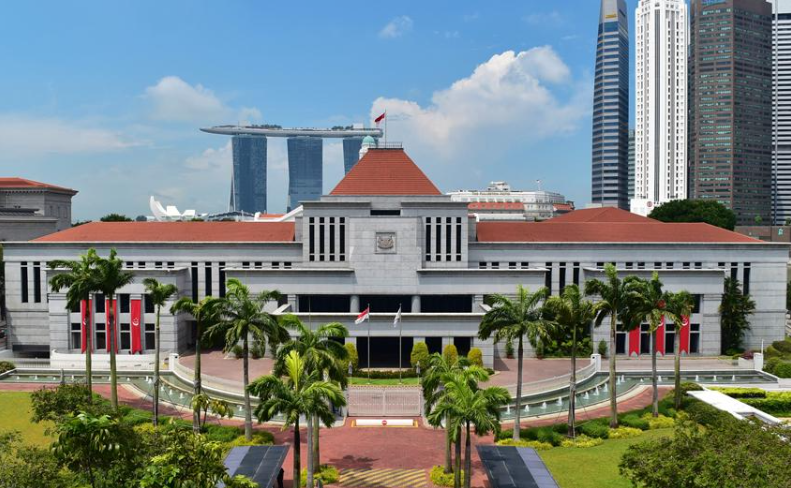
Viewed through this lens, Singapore’s significant leadership and cabinet transitions surrounding the 2025 General Election may reflect more than ordinary political renewal.
Publicly, many departures were framed as retirement, succession planning, generational transition, or leadership refresh.
But globally, the geopolitical environment itself has become far more unstable.
Across multiple major powers in recent years, we have witnessed:
Corruption probes, Espionage allegations, Elite factional struggles, Military purges, Disloyalty investigations, And deepening distrust within state institutions themselves.
In such an environment, smaller nations must constantly reassess institutional resilience, internal loyalty structures, and strategic continuity.
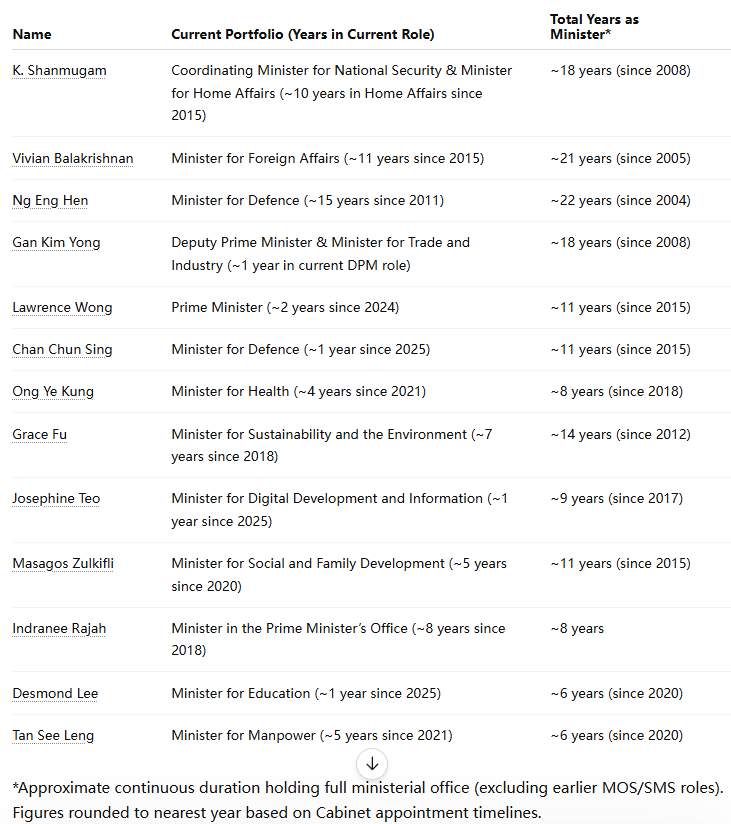
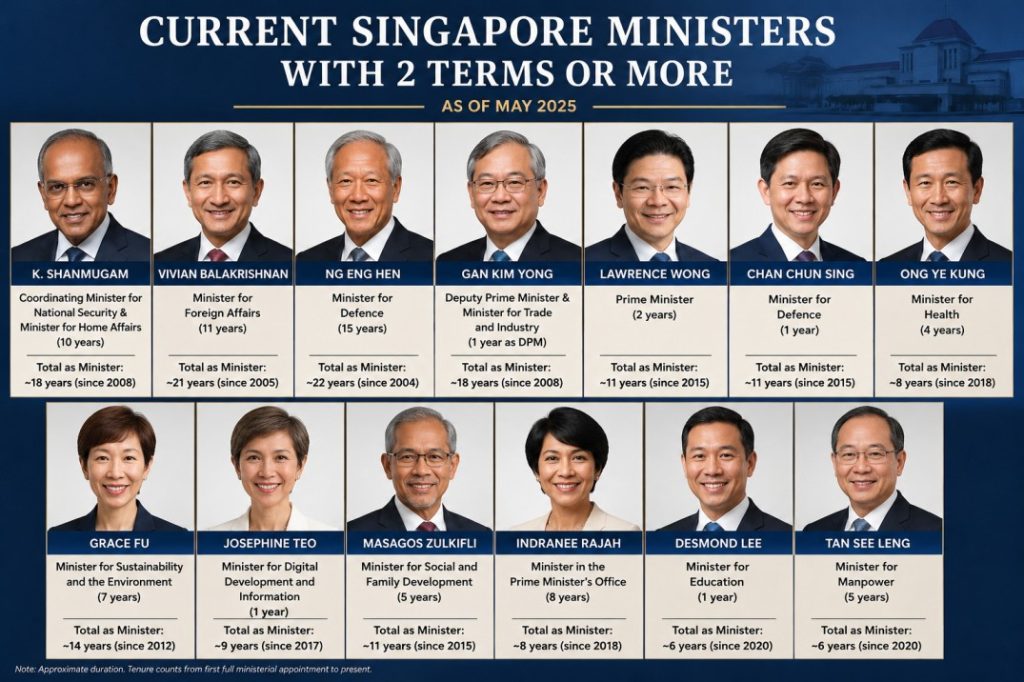
Singapore’s political architecture has long emphasised disciplined cadre-style leadership development, institutional continuity, and controlled succession planning.
This became especially visible when Lawrence Wong referred to retired veteran politician Ong Ah Heng as a “comrade” in a public Facebook post.
To some observers, this language reflects solidarity, loyalty, and collective mission.
To others, it evokes comparisons with communist-style cadre systems, where internal hierarchy, ideological discipline, and elite alignment become central pillars of governance.
And this is where modern societies encounter another difficult paradox:
On paper, many political systems speak of equality, meritocracy, and representation.
But in practice, all systems — whether capitalist, communist, democratic, authoritarian, or hybrid — develop internal power structures that determine who is protected, who rises, who is silenced, and who becomes expendable.
The mechanisms differ.
The human dynamics often do not.
Stability Versus Conformity
The danger is not merely corruption.
The deeper danger is when institutional preservation gradually becomes indistinguishable from enforced conformity.
History repeatedly demonstrates that systems under prolonged external pressure tend to centralise control internally.
This may strengthen resilience in the short term.
But over time, excessive consolidation of narrative control can also create fear-driven environments where dissent, independent thought, or uncomfortable truths become increasingly difficult to surface.
In these moments, societies face an extraordinarily delicate balancing act:
Too much fragmentation invites instability. Too much control suffocates adaptation.
And when populations begin feeling unheard, monitored, selectively targeted, or socially marginalised, the psychological contract between state and citizen quietly weakens beneath the surface — even if economic indicators remain strong.
This is why national security cannot be understood purely through military strength, intelligence capabilities, or economic performance alone.
The ultimate foundation of national resilience is trust.
And trust cannot survive indefinitely through fear, optics management, or institutional dominance alone.
It survives only when people still believe the system ultimately protects the dignity of ordinary citizens — not merely the continuity of power itself.
帝皇术, Information Control, and the Manufactured Fall Guy
Throughout history, one of the greatest dangers within any power structure is not merely corruption or external enemies.
It is distorted information reaching the top.
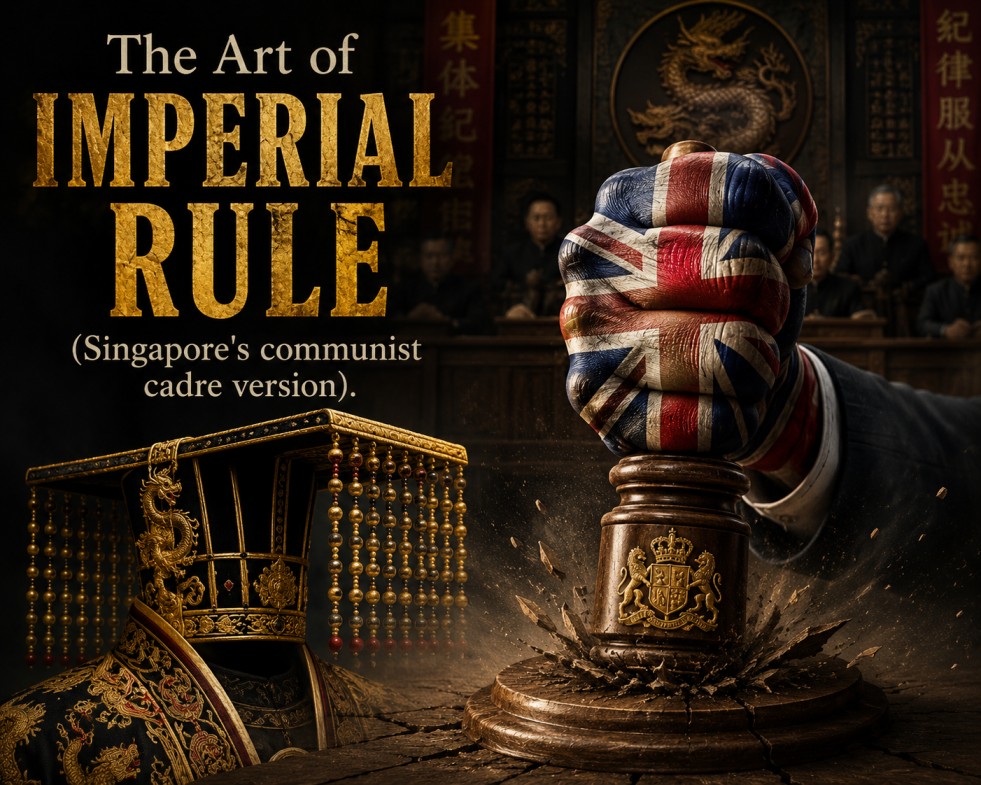
In Chinese political philosophy and historical statecraft, there exists a concept often referred to as 帝皇术 — loosely translated as “the art of imperial rule” or “the techniques of the ruler.”
It is not a single doctrine.
Rather, it is a collection of survival mechanisms used by emperors, dynasties, ruling courts, and political elites to preserve authority, maintain control over ministers, manage factions, and prevent threats to the throne.
At its darkest extreme, 帝皇术 revolves around several uncomfortable truths:
The ruler must never become fully dependent on any one subordinate. No official should become too loved by the people. No military figure should become too powerful. No minister should accumulate enough influence to rival the centre of power. And sometimes, perception itself becomes more important than truth.
This creates a dangerous dynamic inside hierarchical systems.
The top appointment holder — whether a minister, general, judge, intelligence chief, or political successor — may genuinely believe he is acting on objective facts.
But in reality, the information environment surrounding him may already have been curated, filtered, framed, or weaponised long before decisions reach his desk.
What he sees may not be the complete truth.
Only the truth permitted to reach him.
The Invisible Architecture of Narrative Control
In highly centralised systems, information does not naturally flow upward cleanly.
Subordinates protect themselves. Agencies protect institutional interests. Political factions protect survival. Intelligence handlers protect operational objectives. And rulers themselves may consciously or unconsciously shape what can safely be known.
Over time, this creates a closed-loop ecosystem where narratives become self-reinforcing.
The top leader begins acting based on “facts.”
But those facts may already have been selectively assembled to produce a desired conclusion.
This is where miscarriages of justice, political purges, institutional scapegoating, or wrongful persecution can emerge — even without overt evil intent from the decision maker himself.
The tragedy is that the person carrying out the decision may sincerely believe he is protecting the nation.
The Creation of the “Invincible” Official
帝皇术 also explains another recurring historical pattern:
The deliberate elevation of powerful public figures.
Sometimes a senior official is allowed to appear untouchable:
Highly visible. Politically dominant. Feared by institutions. Praised by state narratives. Presented as indispensable.
To the public, such individuals appear invincible.
But historically, many powerful ministers, generals, anti-corruption chiefs, and political enforcers were only “invincible” because the ruler temporarily permitted it.
The moment political winds shift, the same system that elevated them can rapidly isolate them.
And once isolated, they become ideal fall guys.
Why?
Because concentrating enforcement power onto one visible figure creates strategic convenience.
Public anger can later be redirected toward that individual. Institutional mistakes can be attributed downward. Harsh verdicts, wrongful prosecutions, or unpopular actions can be localised onto one office holder. The broader system survives while the individual absorbs the blame.
History is filled with such examples:
Powerful ministers executed after serving loyally. Generals stripped after military victories. Intelligence chiefs discarded after political transitions. Anti-corruption figures later accused of corruption themselves.
Not always because they were innocent. Not always because they were guilty.
But because systems under pressure eventually require sacrifice points to preserve legitimacy.
When Innocence Becomes Structurally Irrelevant
Perhaps the darkest aspect of 帝皇术 is this:
In some systems, innocence may eventually become secondary to political necessity.
A person may be persecuted not because they truly threaten society, but because their existence threatens a narrative, factional balance, institutional reputation, or strategic objective.
And the officials carrying out such actions may not even realise they themselves are being used.
This is why mature societies must always preserve:
Independent review, Institutional transparency, Checks and balances, Open discourse, And humility within power structures.
Because once a leadership ecosystem becomes too insulated, even intelligent leaders can become trapped inside curated realities.
And when that happens, entire nations may begin making decisions based not on truth, but on managed perception.
Final Reflection on Power and Information
The greatest threat to a ruler is not always rebellion outside the palace.
Sometimes it is the invisible distortion inside the palace walls themselves.
History repeatedly shows that leaders rarely fall because they lacked intelligence.
Many fall because they no longer knew which intelligence was real.
And in systems governed too heavily by fear, hierarchy, secrecy, and political preservation, even loyal officials can unknowingly become instruments of injustice — before eventually becoming sacrifices themselves.
Race, Power, and the Illusion of Neutral Systems
Modern societies often pride themselves on meritocracy, equality, multiculturalism, and institutional neutrality.
On paper, everyone is equal.
But human systems are never operated on paper alone.
They are operated by people: with emotions, biases, fears, loyalties, historical memories, social networks, and survival instincts.
This is why discussions about race, discrimination, and institutional treatment remain emotionally charged even in highly developed societies.
Because discrimination is not always explicit.
Sometimes it appears through: who gets trusted, who gets promoted, who gets monitored, who gets protected, who gets sacrificed, and whose voices are quietly ignored.
In many modern systems, hierarchy no longer announces itself openly.
It operates subtly: through access, optics, circles of influence, educational pipelines, economic class, political alignment, and social acceptability.
The result is a strange contradiction:
Societies may sincerely believe they are fair, while individuals within those same societies may still experience exclusion, profiling, marginalisation, or selective pressure in deeply personal ways.
And once people repeatedly encounter these invisible barriers, they begin searching for explanations.
Race becomes one lens. Class becomes another. Religion, language, ideology, education, and family background become others.
Sometimes these suspicions are justified. Sometimes they are emotional projections born from pain. Often, reality contains elements of both.
This is what makes institutional trust so fragile.
Because once citizens begin feeling that systems apply principles unevenly, the psychological distance between state and society quietly widens beneath the surface.
Beyond Racism: The Deeper Question of Power
Perhaps the deeper issue is not race alone.
It is power.
Power decides: which narratives become acceptable, which people become dangerous, which mistakes become forgivable, and which individuals become permanently marked.
And power rarely operates in perfectly transparent ways.
This is why mature societies must constantly examine themselves honestly:
Are systems truly protecting justice? Or merely protecting stability? Are institutions treating people fairly? Or merely consistently within existing power structures? Are dissenting voices dangerous? Or simply inconvenient?
These questions are uncomfortable.
But refusing to ask them does not eliminate them.
It only drives them underground.
Final Reflection
The greatest danger to a multicultural society is not disagreement between races.
It is the silent erosion of trust that occurs when people begin believing equality exists only as a public slogan rather than a lived reality.
Because once citizens lose faith that systems will treat them fairly regardless of identity, background, or social standing, fragmentation begins long before conflict becomes visible.
And by the time division surfaces openly, the damage underneath is often already deep.
Closing Reflection
Perhaps the deepest lesson across history, politics, national security, race, and governance is this:
No system is ever as neutral as it believes itself to be.
Every institution — regardless of ideology — is ultimately operated by human beings struggling with fear, ambition, loyalty, survival, morality, and power.
This does not mean societies are doomed.
But it means healthy societies must remain humble enough to continuously question themselves.
Because once a system becomes incapable of self-reflection, it slowly loses the ability to distinguish: truth from narrative, security from control, justice from convenience, and loyalty from obedience.
And when that line disappears, even intelligent nations may unknowingly begin drifting toward the very dangers they once believed they were protecting themselves from.
This article is also published on LinkedIn.
小国、生存压力,与大国夹缝中的灰色地带
在地缘政治中,一个极少被公开讨论的现实是:
小国从来不是在一个“绝对干净”的环境中运作。
表面上,国际关系被包装成: 外交、贸易协定、防务合作,以及共同繁荣。
但在官方框架之下,往往还存在另一层世界:
影响力操作、 情报交换、 非官方中间人、 经济施压、 精英网络、 政治黑材料(Kompromat)、 地下金融渠道、 甚至与能源、军火、物流、毒品、网络战及政治杠杆相关的灰黑色交易生态。
夹在大国之间的小国,常常面临近乎不可能的战略选择。
若拒绝站队,可能遭到孤立; 若靠得太近,又可能被渗透与控制; 若尝试保持中立,则双方都可能不再信任。
于是,一个令人不安的现实出现了:
有些领导人逐渐踏入灰色地带,并不一定因为他们天生邪恶,而是因为在一个由大国主导的世界里,“生存”本身已经变成一种交易。
更复杂的是,当超级大国中的官员、军方、情报系统或政治精英本身出现腐败、派系斗争或忠诚问题时,其冲击波会远远超越本国边界。
依赖贸易路线、安全保障、金融体系或战略伙伴关系的小国,最终都必须承受这些后果。
新加坡领导层更替,与全球局势的变化
从这个角度来看,新加坡在2025年大选前后的大规模领导层与内阁调整,也许并不仅仅是普通的政治更新。
官方叙事是: 退休、交棒、世代更替、领导层刷新。
但放眼全球,地缘政治环境早已变得更加不稳定。
近年来,多个大国频繁出现:
贪腐调查、 间谍指控、 高层派系斗争、 军方清洗、 忠诚问题调查、 以及国家机构内部日益加深的不信任。
在这种环境下,小国必须不断重新评估:
制度韧性、 内部忠诚结构、 以及国家长期延续性。
新加坡长期以来强调: 干部式领导培养、制度延续,以及受控接班机制。
这一点在现任总理 Lawrence Wong 公开称呼退休资深政治人物 Ong Ah Heng 为“同志(comrade)”时,变得尤其明显。
对一些人而言, 这代表团结、忠诚与共同使命。
但对另一些观察者来说, 这种语言会令人联想到共产党式干部体系—— 一种以内部等级、意识形态纪律,以及精英一致性为核心的治理结构。
而这正是现代社会最矛盾之处:
表面上, 各种政治制度都强调平等、精英治国与代表性。
但实际上, 无论是资本主义、共产主义、民主制、威权制,还是混合体制, 最终都会形成自己的权力结构。
决定谁被保护、 谁被提拔、 谁被压制、 以及谁最终变成可被牺牲的人。
制度不同。
但人性,往往并没有太大差别。
稳定,还是服从?
真正的危险,并不只是腐败。
更深层的危险是:
当“维护制度”逐渐与“强制服从”无法区分。
历史反复证明, 在长期外部压力下,系统往往会不断集中控制权。
短期来看, 这可能增强韧性与稳定。
但长期而言, 过度集中叙事控制, 会形成一种由恐惧驱动的环境。
异议、独立思考,以及令人不舒服的真相, 会越来越难以存在。
于是社会进入一种极度脆弱的平衡:
过度分裂,会导致动荡; 过度控制,则会扼杀适应与进化。
当人民开始感到: 自己不被倾听、被监控、被选择性针对、或被边缘化时,
即使经济数据依然亮眼, 国家与人民之间的心理契约,也会在水面下慢慢松动。
因此, 国家安全从来不能只靠:
军事实力、 情报能力、 或经济表现来定义。
真正决定国家韧性的核心, 其实是“信任”。
而信任, 无法永远依靠恐惧、舆论管理,或制度权威来维持。
它最终只能建立在:
人民仍然相信, 这个制度保护的是普通人的尊严, 而不仅仅是权力本身的延续。
帝皇术、信息控制,与被制造出来的“替罪羊”
纵观历史, 任何权力结构最大的危险, 往往并不只是腐败或外敌。
而是—— 错误的信息被送到了最高层。
在中国政治哲学与历史权术中, 有一个概念叫:
“帝皇术”。
它并不是单一理论。
而是一整套历代帝王、朝廷与统治精英用来:
维持权威、 控制臣子、 平衡派系、 以及防止威胁皇权的生存机制。
在其最黑暗的层面里, 帝皇术包含几个令人不安的原则:
君主不能完全依赖任何一个臣子; 任何官员都不能太受人民爱戴; 任何将领都不能过于强大; 任何重臣都不能累积足以挑战中央的影响力; 而有时,“观感”甚至比真相更重要。
这会形成一种极其危险的结构:
最高任命者—— 无论是部长、法官、将军、情报主管,还是政治接班人——
都可能真心相信, 自己是在依据“事实”做决定。
但现实中, 在信息抵达他面前之前,
整个环境可能早已被:
筛选、 包装、 过滤、 甚至武器化。
他看到的, 未必是真相。
而只是“被允许看到的真相”。
叙事控制的隐形结构
在高度集中的体系里, 信息从来不会自然、干净地向上流动。
下属保护自己; 机构保护自身利益; 政治派系保护生存; 情报系统保护行动目标; 而统治者本身,也可能有意识或无意识地塑造“什么可以被知道”。
久而久之, 整个系统会形成一个封闭循环:
叙事不断自我强化。
最高领导人开始依据“事实”行动。
但那些所谓的事实, 其实可能早已被精心排列成一个预设结论。
于是:
冤案、 政治清洗、 制度性甩锅、 错误迫害,
即使没有明显恶意, 依然可能发生。
而最悲哀的是:
执行这些行为的人, 可能真心以为自己是在“保卫国家”。
被制造出来的“无敌官员”
帝皇术还解释了另一个历史上不断重复的现象:
刻意制造“不可动摇”的权力人物。
有时, 某位高官会被允许显得:
极度高调、 政治强势、 令人畏惧、 被官方叙事高度赞扬、 仿佛不可或缺。
在公众眼里, 他们近乎无敌。
但历史上, 许多权倾朝野的大臣、将军、反贪负责人, 之所以“无敌”,
只是因为统治者暂时允许他们如此。
一旦政治风向改变, 同一个系统, 也能迅速孤立他们。
而当他们被孤立之后, 就会成为最理想的替罪羊。
因为:
将执行权集中在一个显眼人物身上, 在政治上非常方便。
公众怒火可以被重新导向; 制度错误可以被往下归责; 争议判决、错误迫害、或不受欢迎的行动, 都能被局部化到某一个人身上。
而整个体系,则得以继续存活。
历史上, 这种案例数不胜数:
忠心耿耿的大臣被处死; 打赢战争的将军被削权; 情报首脑在政局转换后被抛弃; 反贪人物后来反被指控贪腐。
他们未必完全无辜。 也未必完全有罪。
但当系统承受巨大压力时, 它最终总需要“祭品”来维持合法性。
当“清白”变得不再重要
帝皇术最黑暗的一面, 也许就在这里:
在某些系统里, 一个人是否真正无辜, 最终可能变得不再重要。
某个人遭受迫害, 未必因为他真的威胁社会。
而是因为:
他的存在, 威胁了某种叙事、派系平衡、机构声誉, 或更大的战略目标。
更可怕的是:
执行这些行动的人, 甚至未必意识到, 自己也只是工具。
因此, 成熟社会必须保留:
独立审查、 制度透明、 权力制衡、 开放讨论、 以及对权力保持谦卑。
因为一旦领导层过度封闭, 即使再聪明的人, 也可能被困在一个被精心塑造的现实之中。
而当这种情况发生时, 整个国家做出的决定, 将不再基于真相,
而是基于“被管理过的观感”。
关于权力与信息的最后反思
统治者最大的敌人, 未必是宫殿外的叛乱。
有时, 真正危险的, 是宫殿内部看不见的信息扭曲。
历史不断证明:
许多领导人并不是因为缺乏智慧而失败。
而是因为, 他们再也无法分辨—— 哪些情报才是真实的。
在一个被恐惧、等级、保密与权力维护过度支配的体系中,
即使是忠诚的官员, 也可能在毫不知情之下,
一步步成为不公的执行者。
直到最后, 他们自己也成为被牺牲的人。
种族、权力,与“中立制度”的幻觉
现代社会常以: 多元种族、平等、精英制度,以及制度中立性为傲。
在纸面上, 人人平等。
但现实中的制度, 从来不是由纸张运作。
而是由人运作。
由:
情绪、 偏见、 恐惧、 忠诚、 历史记忆、 社交网络、 以及求生本能所驱动。
这也是为什么:
即使在高度发达社会中, 种族、歧视,以及制度待遇的问题, 依然如此敏感。
因为歧视, 未必总是赤裸裸地出现。
它有时体现在:
谁更容易被信任、 谁更容易被提拔、 谁被监视、 谁被保护、 谁被牺牲、 以及谁的声音被悄悄忽视。
在许多现代制度里, 等级制度不再公开宣布自己存在。
它通过:
资源接触、 舆论观感、 关系圈层、 教育体系、 经济阶层、 政治立场、 以及社会可接受性,
悄悄运作。
于是形成一个奇怪的矛盾:
社会真心相信自己是公平的,
但个体却仍可能在现实中, 不断感受到排斥、标签化、边缘化, 以及选择性压力。
而当人们一次又一次碰撞这些“看不见的墙”时,
他们开始寻找解释。
种族,是一种解释。 阶级,是另一种。 宗教、语言、意识形态、教育背景与家庭出身,也都可能成为解释。
有时这些怀疑是合理的。 有时则是痛苦所投射出的情绪。 更多时候,现实其实同时包含两者。
而这, 正是制度信任为何如此脆弱的原因。
因为一旦人民开始觉得:
制度并不是以同样标准对待所有人,
国家与人民之间的心理距离, 就会在无形中不断扩大。
超越种族:真正的问题,其实是“权力”
也许更深层的问题, 并不只是种族。
而是—— 权力。
权力决定:
什么叙事可以存在; 什么人会变成危险人物; 什么错误可以被原谅; 以及谁会被永久贴上标签。
而权力, 从来不是绝对透明的。
因此, 成熟社会必须不断诚实地反问自己:
制度真正保护的是正义? 还是稳定?
机构真正追求的是公平? 还是既有权力结构的延续?
异议人士真的危险? 还是只是“不方便”?
这些问题并不舒服。
但拒绝面对, 并不会让它们消失。
它只会让问题, 慢慢沉入地下。
最后的反思
一个多元种族社会最大的危险, 并不是不同族群之间存在分歧。
真正危险的, 是人民开始逐渐相信:
所谓平等, 只是一种公开口号, 而不是现实中的真实体验。
因为一旦人民失去对制度公平性的信任,
分裂, 往往在冲突真正爆发之前, 就已经悄悄开始了。
而当裂痕终于浮现到表面时,
底层的伤害, 通常早已非常深。
总结反思
也许, 历史、政治、国家安全、种族与治理, 最终都在提醒人类同一个事实:
没有任何制度, 会像它自己想象的那样“绝对中立”。
因为所有制度, 终究都由人类运作。
而人类, 始终在:
恐惧、野心、忠诚、生存、道德与权力之间挣扎。
这并不意味着社会注定失败。
但它意味着:
健康的社会, 必须始终保有自我反思的能力。
因为当一个制度失去自我检讨能力时,
它便会慢慢失去区分:
真相与叙事、 安全与控制、 正义与便利、 忠诚与服从之间界线的能力。
而当那条界线彻底消失时,
即使再聪明的国家, 也可能在毫无察觉之下,
一步步走向它原本最想避免的危险。