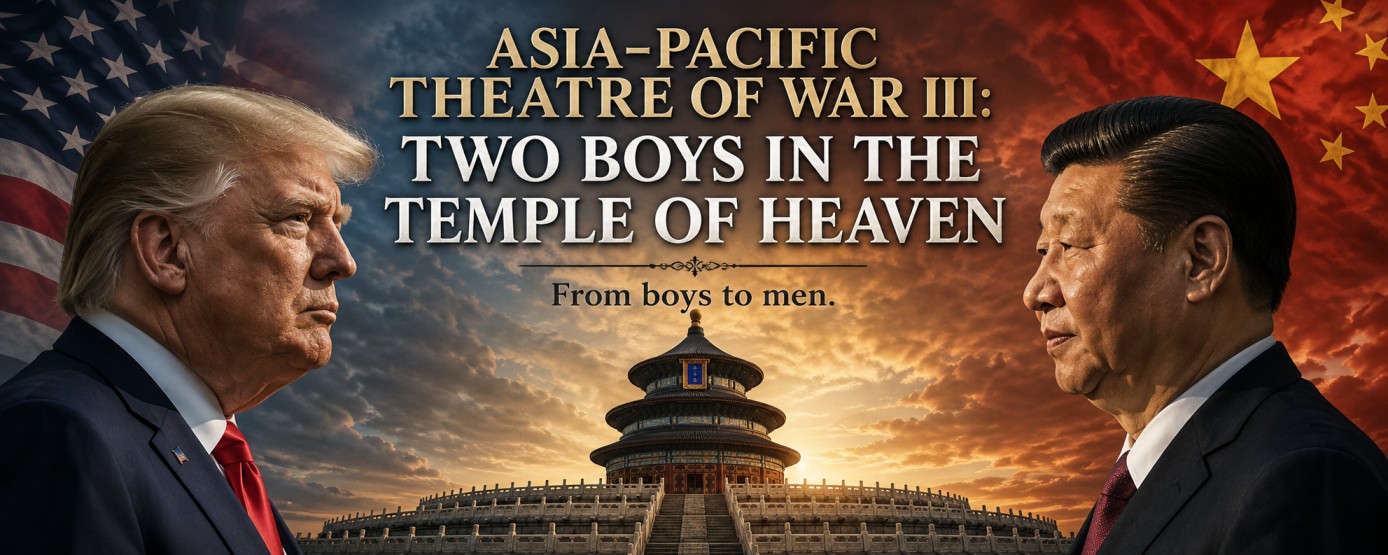
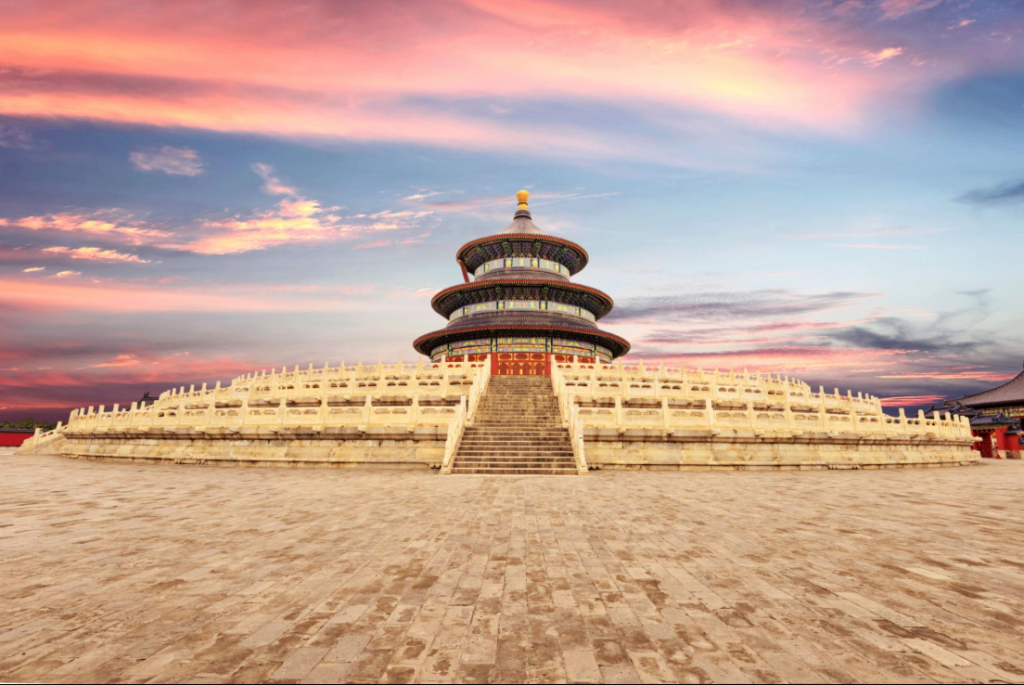
#144 Asia-Pacific Theatre of War III: Two Boys in The Temple of Heaven 《亚太战争剧场 III:天坛里的两个男孩》
This is not a boy band fan article; neither is this new Indiana Jones movie. This is a geopolitical inflection during a time of turmoil where things either can go well or completely south.
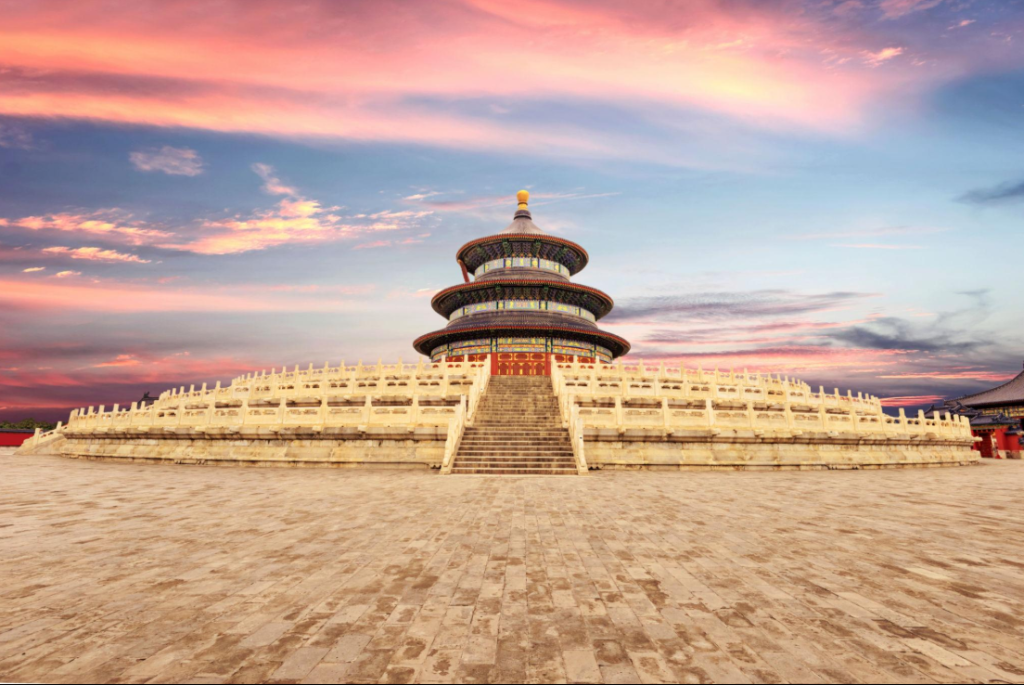
I. The Korean Peninsula — The Most Dangerous Trigger Point in Asia
In my earlier article, “Asia Pacific Theatre of War II”, I discussed one of the most underexplored strategic risks in East Asia:
The collapse scenario of the Korean Peninsula.
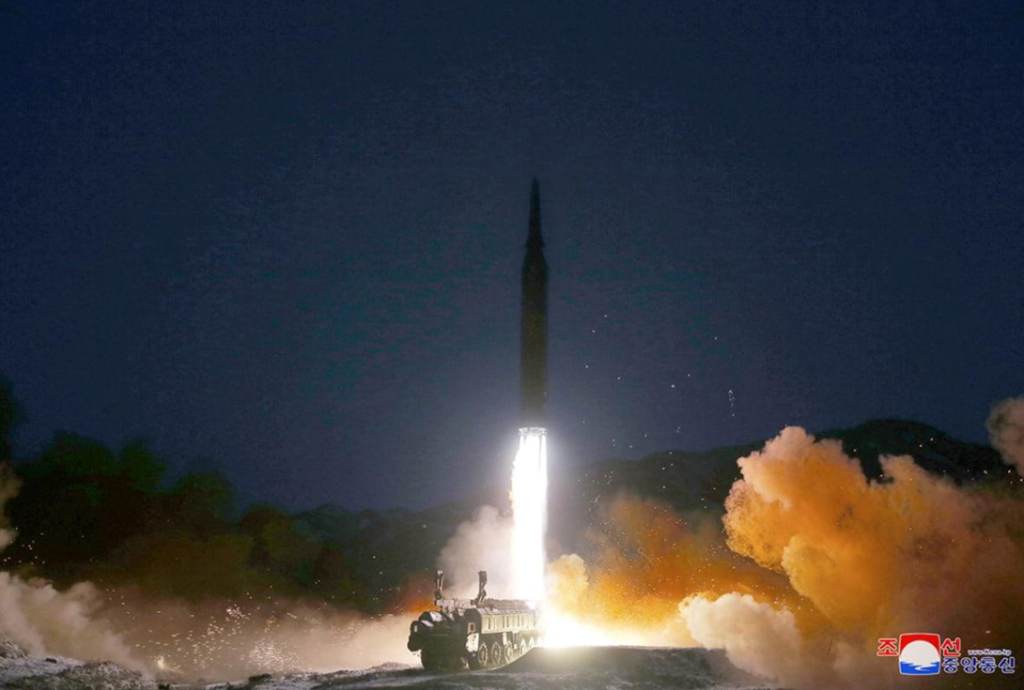
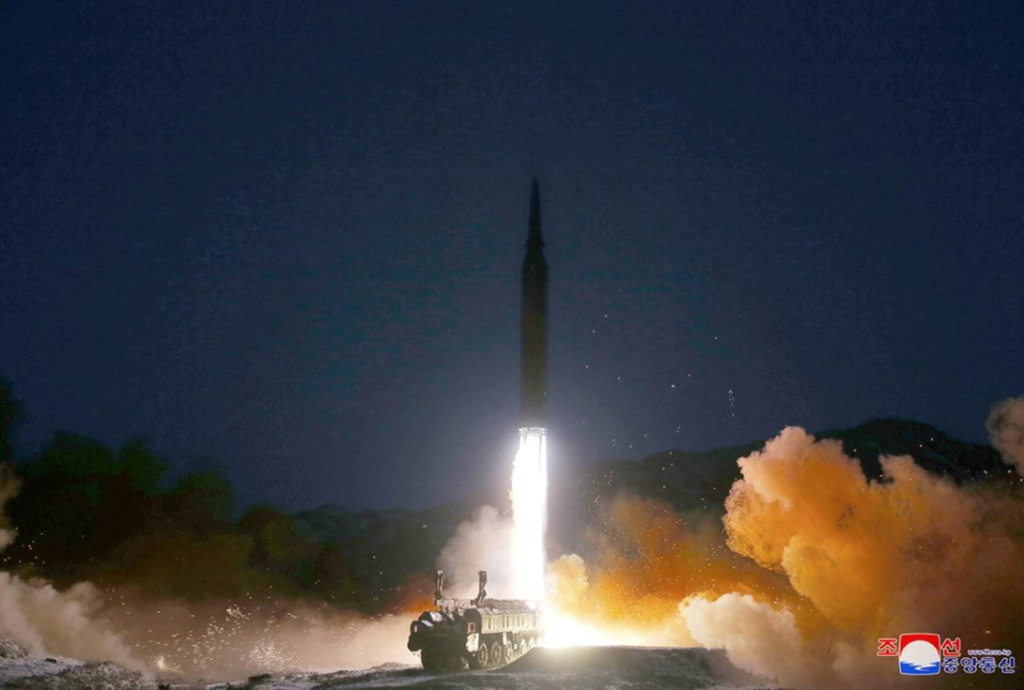
Recent geopolitical developments suggest that the leadership in North Korea has become increasingly aware of historical regime-destabilisation doctrines associated with great power competition.
Reports and strategic interpretations surrounding constitutional and military posture changes imply a hardened deterrence logic:
If the leadership is decapitated, retaliation mechanisms may immediately activate against regional adversaries such as South Korea and Japan.
This fundamentally changes the strategic equation in Northeast Asia.
Because beyond Seoul and Tokyo lies another uncomfortable question:
What happens if a collapsing North Korea behaves irrationally?
And what if missiles fly northward too?
In such a scenario, China faces not only refugee overflow risks into its northeastern provinces, but also the nightmare of radioactive instability directly along its borders.
The land war risks for China remain profound.
Yet despite these structural vulnerabilities, Beijing enters upcoming negotiations with the administration of Donald Trump from a position far stronger than many expected just a few years ago.
Why?
Because modern warfare is increasingly revealing what industrial depth, missile doctrine, and long-range systems truly mean.
II. South Asia’s Shifting Balance of Power
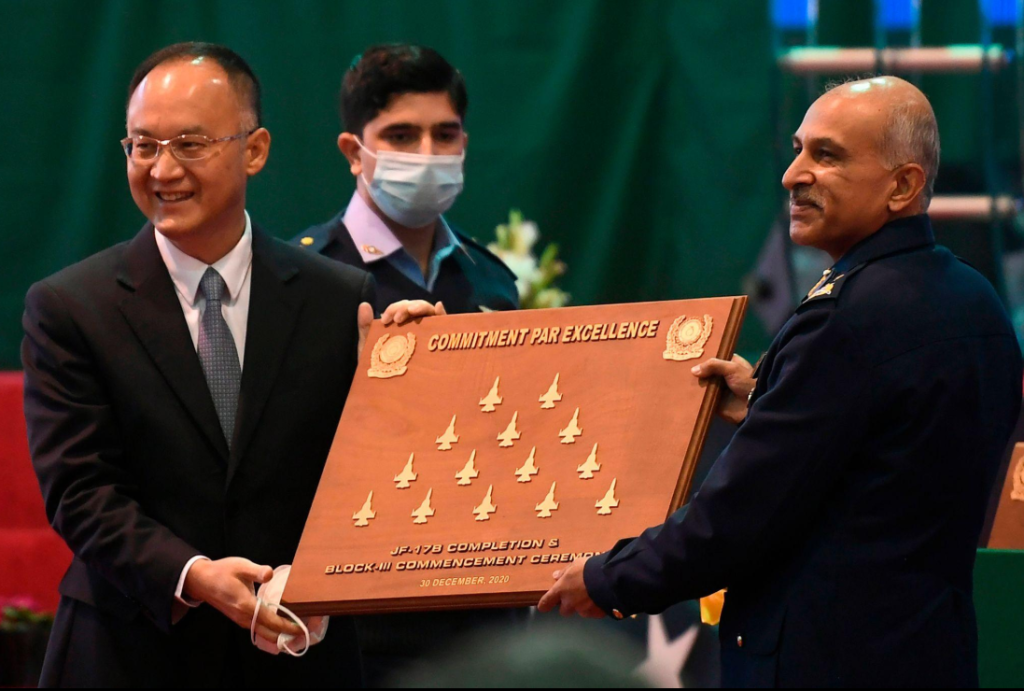
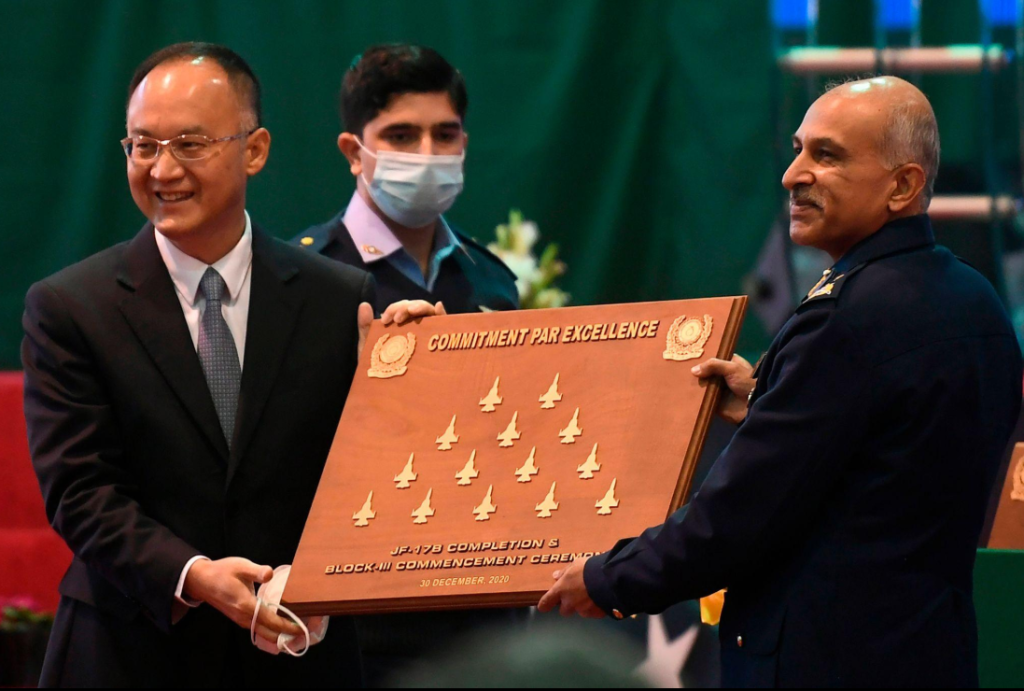
The recent operational performance associated with the JF-17 Thunder — jointly developed by Pakistan and China — has become a symbolic geopolitical moment in South Asia.
The narrative emerging from recent regional tensions suggests that long-range engagement capabilities are changing strategic assumptions even before traditional dogfights begin.
This matters enormously.
Because for decades, many powers calculated conflict based on proximity and attritional engagement.
Now the battlefield may already be decided hundreds of kilometres away.
The implications extend beyond Pakistan.
Bangladesh is reportedly acquiring JF-17 platforms.
Azerbaijan has reportedly moved even further with major procurement commitments.
Viewed together, Pakistan, Bangladesh, and Azerbaijan form a widening geopolitical arc around India across multiple strategic fronts.
South Asia’s balance of power is visibly evolving.
In response, India appears increasingly willing to deepen strategic cooperation with Taiwan, including reported assistance linked to submarine capabilities through broader democratic consortium frameworks.
This is despite Taiwan historically facing significant constraints in openly purchasing advanced submarine systems on global markets.
This is no longer merely military competition.
This is systems competition.
Civilisational competition.
Industrial competition.
Psychological competition.
For decades, many Western administrations attempted to change China fundamentally.
But Trump appears to have recognised something different:
Ancient civilisations do not simply transform because another power wishes them to.
As the Chinese saying goes:
“我吃盐,比你吃米多。”
“I have eaten more salt than you have eaten rice.”
Behind the phrase lies something deeper than arrogance.
It reflects a civilisational mentality.
A long memory.
A strategic patience.
The stereotypical Chinese strategic instinct is rarely absolute submission.
Even apparent weakness is often temporary balancing.
Counter-balancing is deeply embedded into its statecraft tradition.
Not necessarily to dominate.
But to survive and maintain equilibrium.
This may explain why Trump’s strategic posture increasingly appears less about “changing China” and more about “managing China.”
Ironically, that may prove to be the more realistic approach.
III. The Middle East, the Awakening of Allies, and the Return of Balance
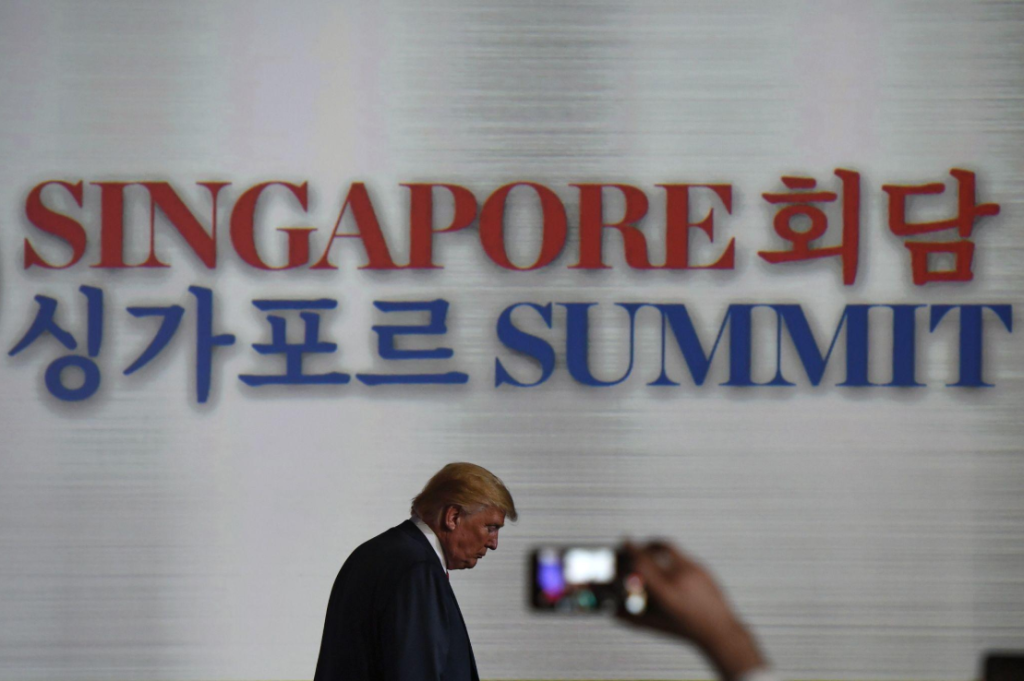
Meanwhile, the recent conflicts in the Middle East have produced another unexpected outcome:
They have galvanised the United States and forced fence-sitting allies in Europe to reveal their positions more clearly.
In many ways, it resembles the Chinese idiom:
“打草惊蛇” — striking the grass to alarm the snakes.
Traditionally, the idiom warns against prematurely exposing hidden dangers.
But Trump, in very Taoist fashion, appears to have inverted the principle entirely.
He deliberately struck the grass to wake the snakes.
“Wake up.”
“Choose your side.”
And suddenly, powers like United Kingdom and France could no longer remain psychologically distant observers while still depending on Persian Gulf energy realities.
At the same time, China may actually have gained substantial strategic mileage simply by observing, learning, and remaining comparatively restrained during many of these conflicts.
Some may even argue that Beijing increasingly behaves less like a direct combatant and more like a behind-the-scenes grand chessboard player from the South China Sea, 中南海。
But this is precisely where wisdom becomes critical.
A wise strategist within the Chinese cabinet would understand:
This is the moment to stabilise tensions — not overplay victory.
China’s greatest geopolitical risk has never only been external containment.
It has also been reputational overreach.
The sidelining of some of the more aggressive “wolf warrior” diplomatic styles may therefore be one of the most important developments for China’s global positioning.
Because true great powers do not constantly need to shout.
They demonstrate gravity.
Calmness.
Control.
IV. Two Giants at the Temple of Heaven
So is America declining, as many claim?
I do not think the answer is so straightforward.
The Middle East conflicts may have actually re-galvanised American strategic cohesion, much like how Attack on Pearl Harbor awakened the United States into industrial and military mobilisation decades ago.
History shows that America often becomes most dangerous not during comfort — but after shock.
The optimistic scenario for humanity is therefore not victory by one civilisation over another.
It is equilibrium.
A world where major powers — including the leading nuclear states — accept a balanced sharing of influence, resources, and security space.
But for that to happen, the two giants must come to terms quickly.
Before the rest of the world begins concluding that the “two great men in the Temple of Heaven” are merely two little boys holding nuclear weapons…
and none the wiser.
In short? Grow up and stop being the boy band as if the seventies are the new teenage years.
#Geopolitics #China #UnitedStates #Trump #India #Pakistan #Taiwan #NorthKorea #SouthAsia #MiddleEast #GlobalOrder #MilitaryStrategy #Civilisation #InternationalRelations #TheThousandShips
This article is also published on LinkedIn.
《亚太战争剧场 III:天坛里的两个男孩》
这不是一篇追星式的男团粉丝文章,也不是什么新版《Indiana Jones and the Temple of Doom》冒险电影。
这是一个动荡时代中的地缘政治转折点。
局势,既可能走向稳定与平衡,
也可能彻底失控,急转直下。
一、朝鲜半岛——亚洲最危险的引爆点
在我上一篇文章《亚太战争剧场 II,Asia Pacific Theatre of War II》中,我曾谈到东亚最被低估的战略风险之一:
朝鲜半岛崩溃情景。
近期的地缘政治发展显示,北韩North Korea领导层显然越来越警惕历史上“大国通过斩首行动 destabilise 政权”的战略模式。
从外界对其宪法与军事姿态调整的解读来看,其核心逻辑似乎已经转向一种更极端的威慑机制:
一旦最高领导人遭遇“斩首”,报复机制将可能立即启动,对韩国 South Korea与 日本Japan展开核打击。
这彻底改变了东北亚的战略格局。
因为在首尔与东京之后,还有一个更令人不安的问题:
如果一个崩溃中的朝鲜,进入不可预测状态,会怎样?
如果导弹往北飞呢?
在这种情景下,中国 China面对的不仅是大量难民涌入东北边境的问题,更可能是放射性灾难直接逼近边境的噩梦。
中国所面对的陆地战争风险,依然非常深重。
但即便存在这些结构性风险,北京如今进入与 特朗普 Donald Trump政府的新一轮谈判时,其战略位置却比许多人几年前预想的更强。
为什么?
因为现代战争,正在重新定义工业深度、导弹体系与远程打击能力的重要性。
二、南亚力量平衡正在转移
近期围绕JF-17 Thunder——由巴基斯坦 Pakistan与中国联合研发的战斗机——所展现出来的实战表现,已经成为南亚地缘政治中的象征性事件。
从近期区域紧张局势所释放出的讯号来看:
超视距远程打击能力,正在改变过去传统空战的逻辑。
这意义重大。
因为几十年来,许多国家计算战争风险时,依赖的是距离、消耗与近距离缠斗。
但如今,胜负可能在几百公里外就已经决定。
其影响已超越巴基斯坦本身。
孟加拉国 Bangladesh据称正在采购 JF-17。
亚塞拜然 Azerbaijan更进一步,据传已展开大规模采购。
如果把地图摊开来看:
巴基斯坦、孟加拉与阿塞拜疆,实际上正在从三个方向形成对India的战略包围弧线。
南亚的力量平衡,正在发生明显变化。
为了平衡这一压力,印度也开始更积极深化与台湾 Taiwan之间的战略合作,包括潜艇能力相关的协助。
这尤其值得注意,因为台湾长期以来在国际市场上一直受到潜艇采购限制。
这已经不再只是军事竞争。
而是:
体系竞争。
文明竞争。
工业竞争。
心理竞争。
几十年来,许多西方政府一直试图“改变中国”。
但特朗普似乎逐渐意识到:
一个古老文明,不会因为另一个国家希望它改变,就真正改变。
中国有一句老话:
“我吃盐,比你吃米多。”
这句话背后,不只是傲慢。
而是一种文明心态。
一种漫长历史所形成的战略耐性。
中国式思维,很少真正完全臣服。
即便表面示弱,也往往只是阶段性的平衡。
“制衡”本身,早已深植于中国的国家治理逻辑之中。
不一定是为了征服。
而是为了生存与维持平衡。
也因此,特朗普如今对中国的战略方向,看起来越来越不像“改变中国”,而更像是:
“管理中国”。
讽刺的是,这或许反而是更现实、也更有效的方法。
三、中东战争、盟友觉醒与新的平衡时代
与此同时,近期中东 Middle East冲突,也带来了另一个意想不到的结果:
它重新凝聚了 美国United States,并迫使原本观望的欧洲 Europe盟友,逐渐明确自己的立场。
某种程度上,这很像中国成语:
“打草惊蛇”。
传统意义上,这句话是提醒人们不要轻举妄动,以免惊动潜伏的危险。
但特朗普却用了非常“道家式”的反向逻辑。
他故意打草。
故意惊蛇。
目的就是:
“醒过来。”
“选边站。”
于是,像英国 United Kingdom与 法国 France这样的国家,开始无法继续一边依赖波斯湾能源利益,一边假装与战争无关。
与此同时,中国其实也从这些战争中获得了巨大战略红利。
因为它更多时候是观察者。
学习者。
甚至某种程度上的幕后棋手。
有人会形容,北京越来越像一位在南中国海,中南海背后布局的大棋手。
但真正聪明的中国谋士会明白:
现在最重要的,不是乘胜追击。
而是稳定局势。
中国最大的风险,从来不只是外部围堵。
还有自身的“形象过度扩张”。
因此,近年来一些激进“战狼外交”风格被边缘化,也许正是中国国际形象修复过程中最重要的发展之一。
因为真正的大国,不需要天天咆哮。
真正的大国,展现的是:
重量。
冷静。
控制力。
四、天坛里的两个巨人
那么,美国真的在衰落吗?
我认为,答案并没有那么简单。
中东冲突,反而可能重新激活了美国的战略凝聚力。
就像当年的“突袭珍珠港事件” Attack on Pearl Harbor一样。
历史告诉我们:
美国最危险的时候,往往不是最安逸的时候。
而是受到震动之后。
对于世界而言,最理想的未来,并不是某一个文明彻底击败另一个文明。
而是:
平衡。
一个让主要核强国都能共享安全空间、资源与影响力的世界。
但这一切,有一个前提:
两个巨人必须尽快学会相处。
否则,全世界最终可能会开始觉得:
所谓“天坛里的两个大人”,
其实只是两个拿着核武器的小男孩……
却依然不够成熟。
#地缘政治 #中国 #美国 #特朗普 #印度 #巴基斯坦 #台湾 #朝鲜 #中东 #国际关系 #文明冲突 #战略 #全球秩序 #亚太 #TheThousandShips