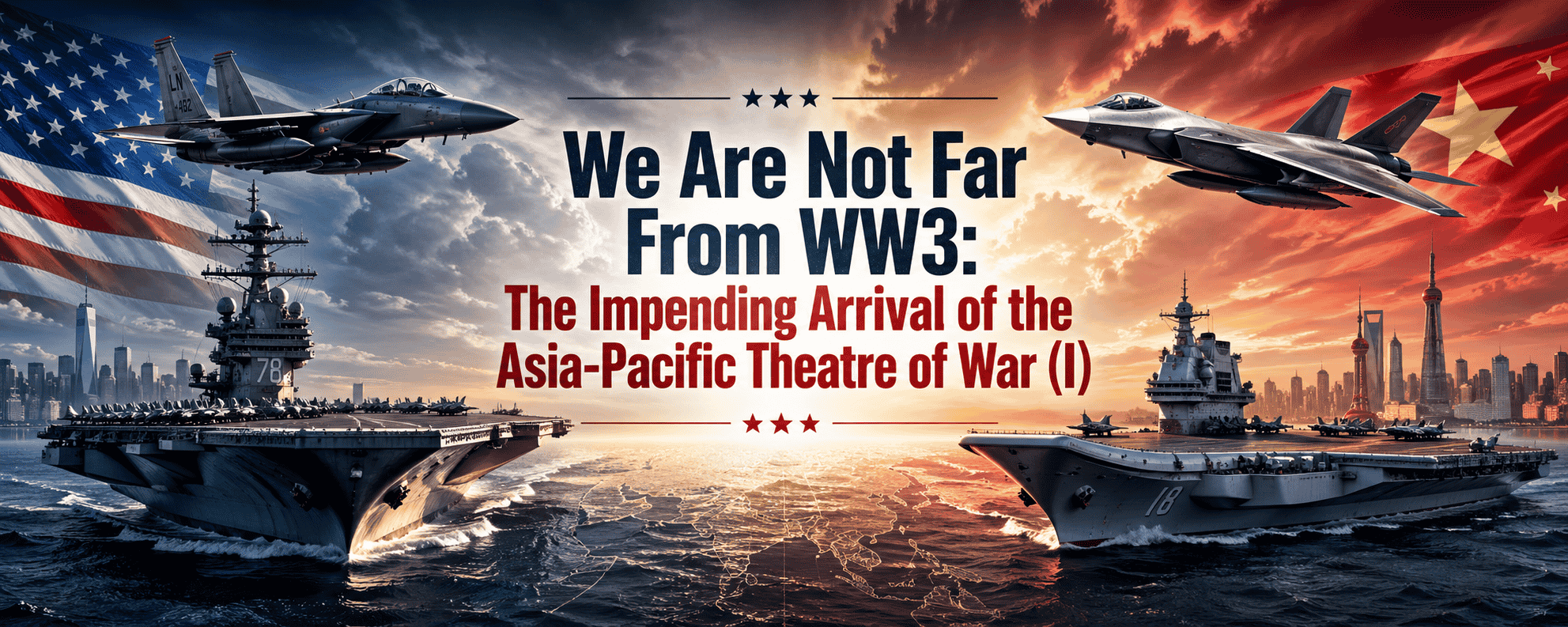
#137 We Are Not Far From WW3: The Impending Arrival of the Asia-Pacific Theatre of War (I) 我们离第三次世界大战并不遥远:亚太战场的即将到来 (I)
For years, the world has been fixated on flashpoints in the Middle East and Eastern Europe.
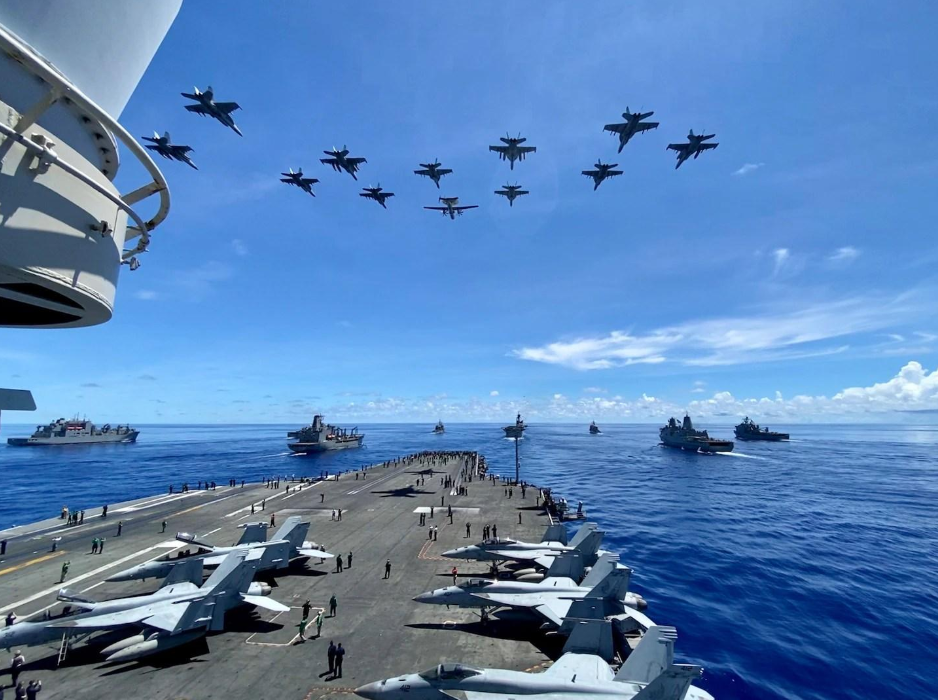
But the real question is no longer where conflict begins.
It is where it ultimately converges.
And increasingly, the answer points toward the Asia-Pacific.
War Today Is Not About Speed. It Is About Time
We are witnessing a shift in the nature of conflict.
Not blitzkrieg. Not decisive battles.
But prolonged tension designed to stretch systems.
- Energy prices remain elevated
- Shipping insurance costs rise
- Supply chains become fragile
- Capital becomes cautious
This is not accidental.
Time itself has become a strategic weapon.
Every additional week of instability compounds pressure—not necessarily on the combatants, but on the rest of the world.
The Silent Pressure on China
China may appear insulated.
It has:
- diversified energy access
- long-term supply arrangements
- state-managed buffers
But the real pressure is indirect.
Economies across Southeast Asia, South Asia, Africa, and beyond—many deeply tied to China—are feeling the strain.
They are asking a quiet but important question:
If China is rising as a global stabiliser, why is it not stabilising?
This is the paradox.
A rising power can observe. A leading power is expected to act.
The longer China maintains a posture of strategic patience, the more it risks being perceived not as a stabiliser—but as a beneficiary of disorder.
Iran Has Shown the World Something Important
Much of the analysis underestimates one factor: civilisational endurance.
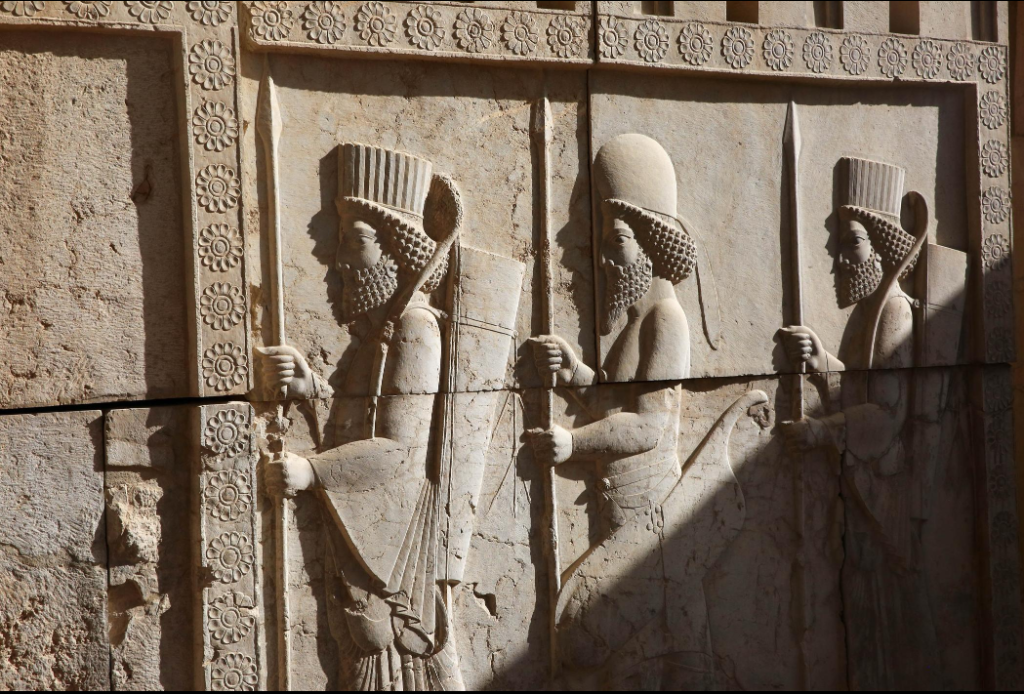
Iran is not simply a geopolitical actor..
It is a civilisation that has endured sanctions, isolation, and conflict for decades.
Its posture today signals a critical reality:
Not all players are seeking quick resolution.
Some are prepared to absorb pain, extend timelines, and outlast pressure.
This changes the calculus for everyone.
Russia’s Strategy: Power Through Absence
While much attention is placed on active players, Russia’s positioning is equally instructive.
By limiting direct involvement, it:
- benefits from elevated energy prices
- allows adversaries to expend resources
- preserves optionality without overexposure
In modern conflict, not moving can be a move.
The U.S. Advantage: Decisiveness in Motion
The United States continues to project clarity:
- acting quickly
- signalling strength
- enforcing economic pressure
- shaping the narrative
Whether one agrees with the approach or not, it has one undeniable effect:
It forces others to respond.
And right now, that “other” is increasingly China.
The Risk of Strategic Delay
There is a long-standing strategic principle: 隔岸观火 — observe the fire from across the river.
But in today’s interconnected system, the fire does not stay contained.
It spreads through:
- energy markets
- maritime routes
- financial systems
- political expectations
The longer the delay, the greater the question:
Is restraint strategic—or is it indecision?
Why the Asia-Pacific Becomes the Theatre
The Asia-Pacific is not just another region.
It is:
- the centre of global manufacturing
- the backbone of maritime trade
- the intersection of major powers
- the most economically interdependent region in the world
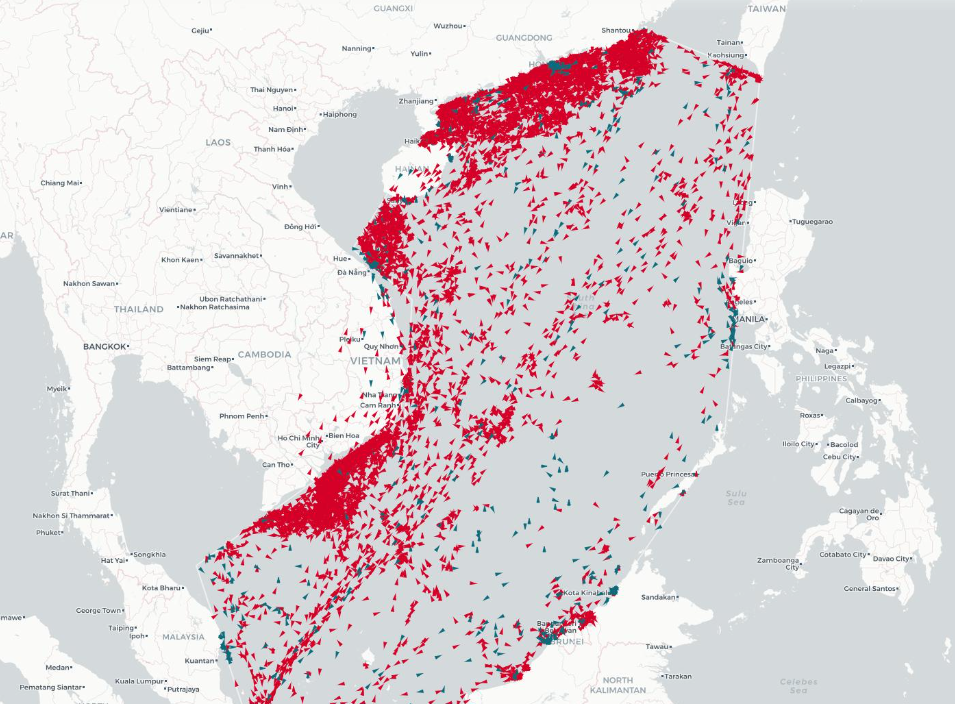
When pressure accumulates across systems, it does not dissipate.
It relocates.
And the Asia-Pacific is where:
- strategic interests overlap
- economic dependencies collide
- and miscalculations carry the highest cost
A Message to Leadership
This is not a call for alarmism.
It is a call for clarity.
The world is entering a phase where:
- delay is no longer neutral
- restraint carries reputational cost
- and leadership requires visible stabilisation
The next phase of global order will not be defined solely by who is strongest.
It will be defined by who is willing—and able—to stabilise the system under pressure.
Final Thought
We are not yet in a world war.
But we are no longer in a stable peace.
Between the two lies a dangerous space— where pressure builds, expectations rise, and decisions delayed become decisions made.
The Asia-Pacific may not be where this begins. But it is increasingly where it will be decided.
Stay tuned for the next article installation, ‘Asia-Pacific Theatre of War (II): The Land Risk China Cannot Ignore‘ where the insights are even bigger and consequential.
This article is also published on LinkedIn.
我们离第三次世界大战并不遥远:亚太战场的即将到来 (I)
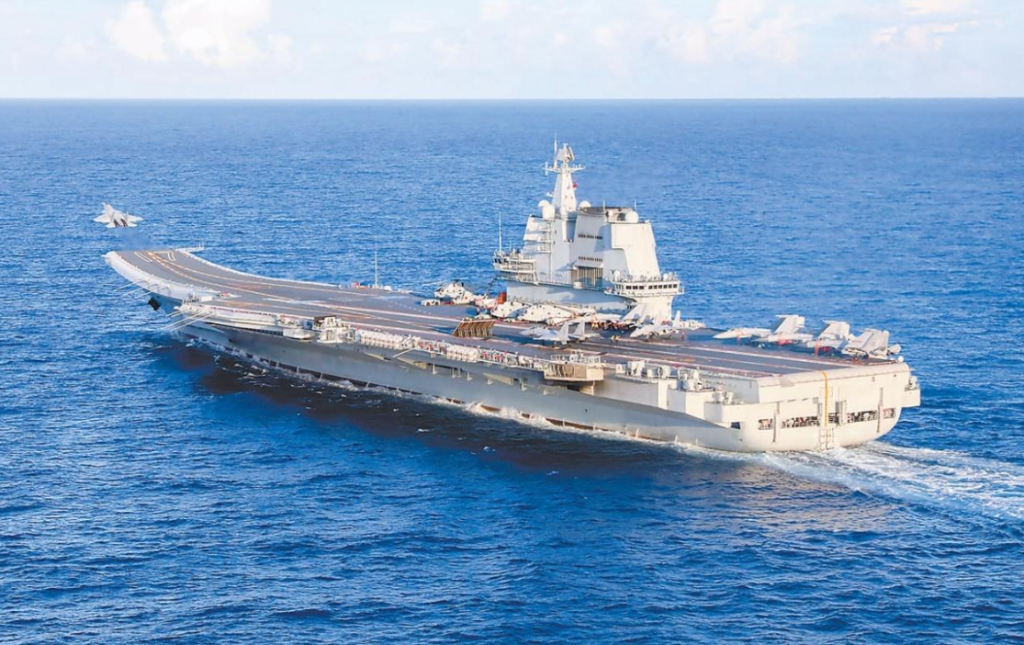
多年来,世界的目光始终聚焦在中东与东欧的冲突热点。
但真正的问题,早已不再是——战争会从哪里开始。
而是:
它最终会在哪里汇聚、爆发。
而越来越清晰的答案,正指向——亚太地区。
当代战争,不再比拼速度,而是消耗时间
我们正目睹战争形态的转变:
不再是闪电战, 不再是速战速决。
而是——以时间为武器的长期消耗战。
- 能源价格维持高位
- 航运保险成本上升
- 供应链脆弱化
- 资本趋于保守
这并非偶然。
时间本身,已成为战略工具。
每拖延一周,压力便不断累积—— 而承压的,并不仅是冲突各方,更是整个世界体系。
对中国的隐性压力
表面上,中国似乎具备一定的缓冲能力:
- 能源来源多元化
- 长期供应协议
- 国家层面的调控能力
但真正的压力,并非直接作用于中国本身。
而是通过其周边与合作体系传导:
东南亚、南亚、非洲等高度依赖中国贸易体系的经济体, 正在承受成本上升与不确定性的冲击。
他们开始产生一个关键疑问:
如果中国正崛起为稳定世界的力量,为何尚未展现稳定能力?
这正是当前的核心悖论:
崛起者可以观望, 但领导者必须承担。
随着时间推移,中国若持续保持克制, 可能被视为并非稳定者,而是秩序的受益者。
伊朗向世界展示了一个现实
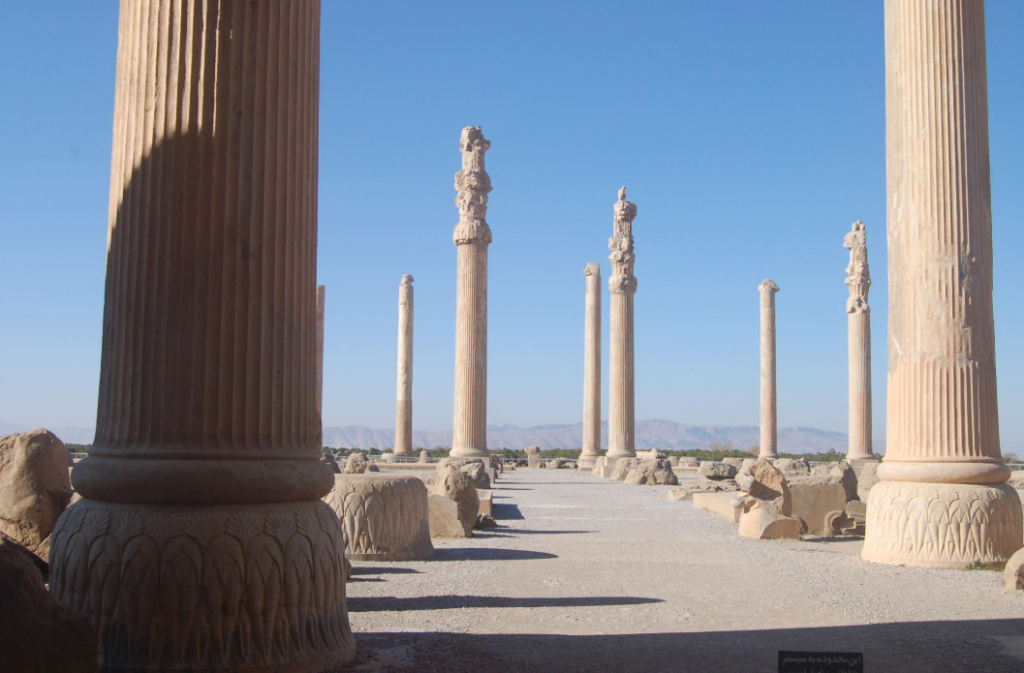
当前分析中,常被低估的一个变量是:
文明的韧性。
伊朗不仅是一个国家,更是一个古老文明。
经历数十年的制裁与孤立,其国家与社会已适应长期压力环境。
其当下态度传递出一个重要信号:
并非所有参与者都寻求快速解决。
有些力量,愿意承受痛苦、延长周期、消耗对手。
这将彻底改变博弈逻辑。
俄罗斯的策略:以“不作为”形成力量
在各方积极行动之际,俄罗斯的选择同样值得关注:
- 维持有限介入
- 受益于能源价格上升
- 让对手持续消耗资源
- 保持战略灵活性
在当代冲突中:
不行动,本身就是一种行动。
美国的优势:行动与叙事的掌控
美国持续展现出明确姿态:
- 快速行动
- 强化威慑
- 推动经济制裁
- 主导国际叙事
无论外界如何评价,这种策略带来一个直接结果:
迫使其他大国作出回应。
而当前,这一压力正在逐步转向中国。
战略延迟的风险
“隔岸观火”是传统智慧。
但在高度互联的世界中,火势不会局限在彼岸。
它将通过:
- 能源市场
- 海运航道
- 金融系统
- 政治预期
不断扩散。
当延迟成为常态,一个问题将愈发尖锐:
克制,究竟是战略,还是犹豫?
为何亚太成为最终战场
亚太地区并非普通区域。
伊朗向世界展示了一个现实
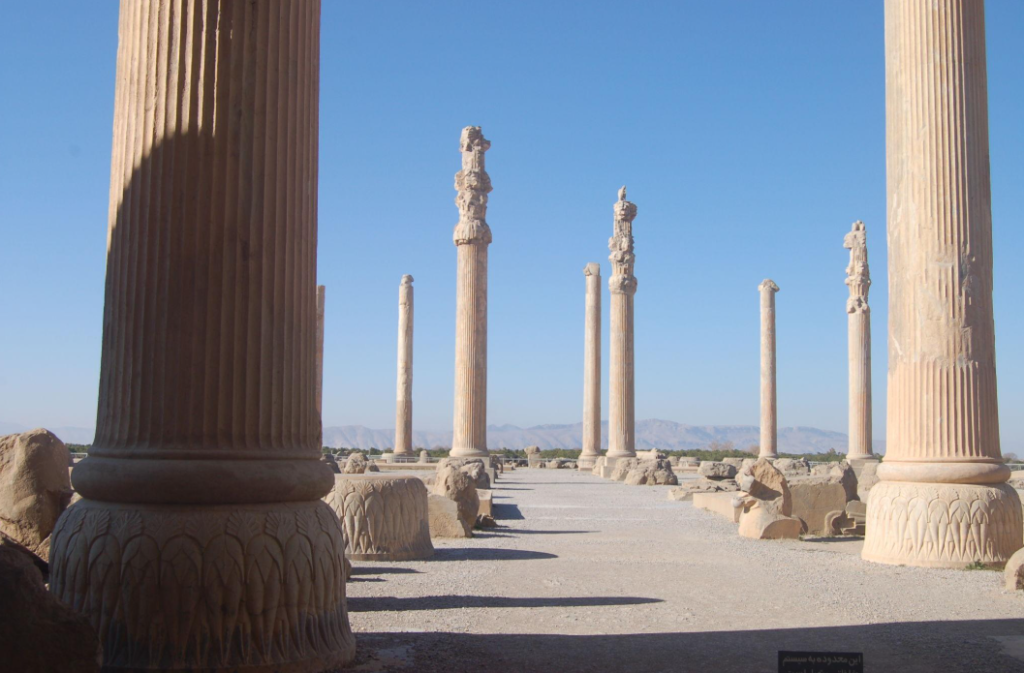
当前分析中,常被低估的一个变量是:
文明的韧性。
伊朗不仅是一个国家,更是一个古老文明。
经历数十年的制裁与孤立,其国家与社会已适应长期压力环境。
其当下态度传递出一个重要信号:
并非所有参与者都寻求快速解决。
有些力量,愿意承受痛苦、延长周期、消耗对手。
这将彻底改变博弈逻辑。
俄罗斯的策略:以“不作为”形成力量
在各方积极行动之际,俄罗斯的选择同样值得关注:
- 维持有限介入
- 受益于能源价格上升
- 让对手持续消耗资源
- 保持战略灵活性
在当代冲突中:
不行动,本身就是一种行动。
美国的优势:行动与叙事的掌控
美国持续展现出明确姿态:
- 快速行动
- 强化威慑
- 推动经济制裁
- 主导国际叙事
无论外界如何评价,这种策略带来一个直接结果:
迫使其他大国作出回应。
而当前,这一压力正在逐步转向中国。
战略延迟的风险
“隔岸观火”是传统智慧。
但在高度互联的世界中,火势不会局限在彼岸。
它将通过:
- 能源市场
- 海运航道
- 金融系统
- 政治预期
不断扩散。
当延迟成为常态,一个问题将愈发尖锐:
克制,究竟是战略,还是犹豫?
为何亚太成为最终战场
亚太地区并非普通区域。
它是:
- 全球制造中心
- 海运贸易命脉
- 大国力量交汇点
- 经济依存度最高的区域
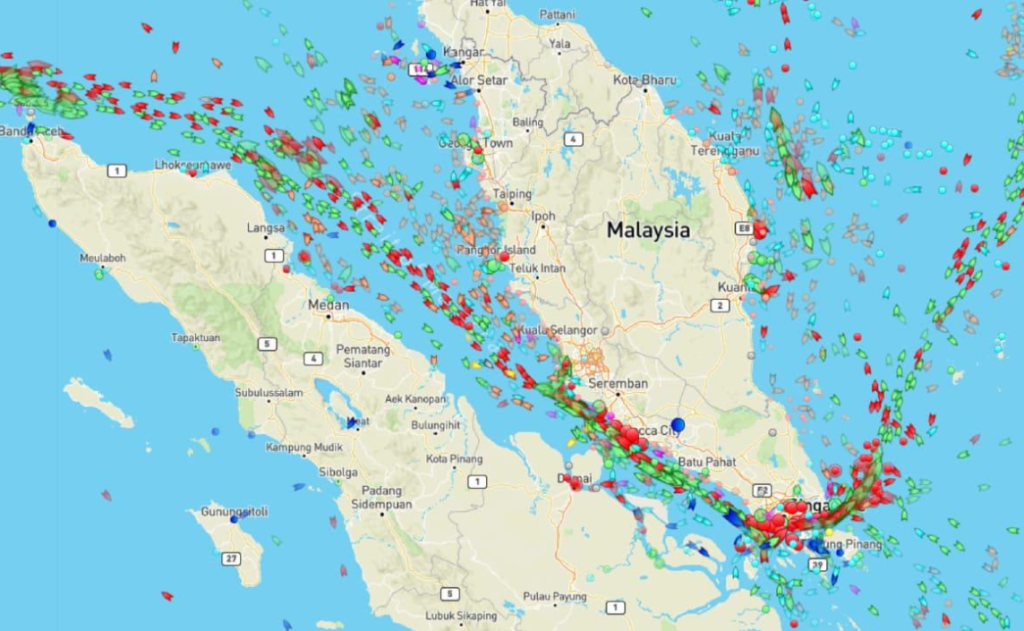
当系统性压力持续累积, 它不会消失——
只会转移并集中。
而亚太,正是:
- 战略利益交错之地
- 经济依赖叠加之地
- 误判代价最高之地
致全球领导层的一段话
这不是危言耸听。
这是对现实的清醒判断。
世界正在进入一个新阶段:
- 延迟不再中性
- 克制不再无成本
- 领导力需要可见的稳定能力
未来的秩序,不再仅由力量决定。
而是由——
谁有能力在压力之下维持稳定。
结语
我们尚未进入世界大战。
但我们也已不再处于稳定的和平。
在两者之间,存在一个极其危险的灰色地带—— 压力不断累积,预期不断上升,延迟不断转化为结果。
亚太,或许不是起点。 但极有可能,成为决定胜负之地。
尽请期待下一章刊文,‘亚太战场的即将到来 (II)’。