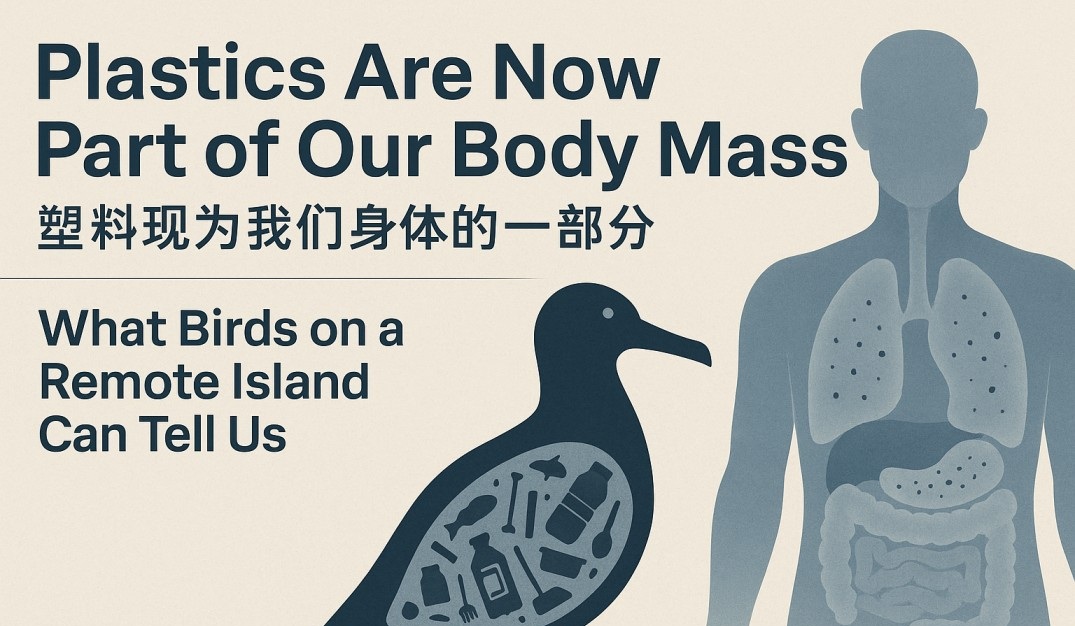
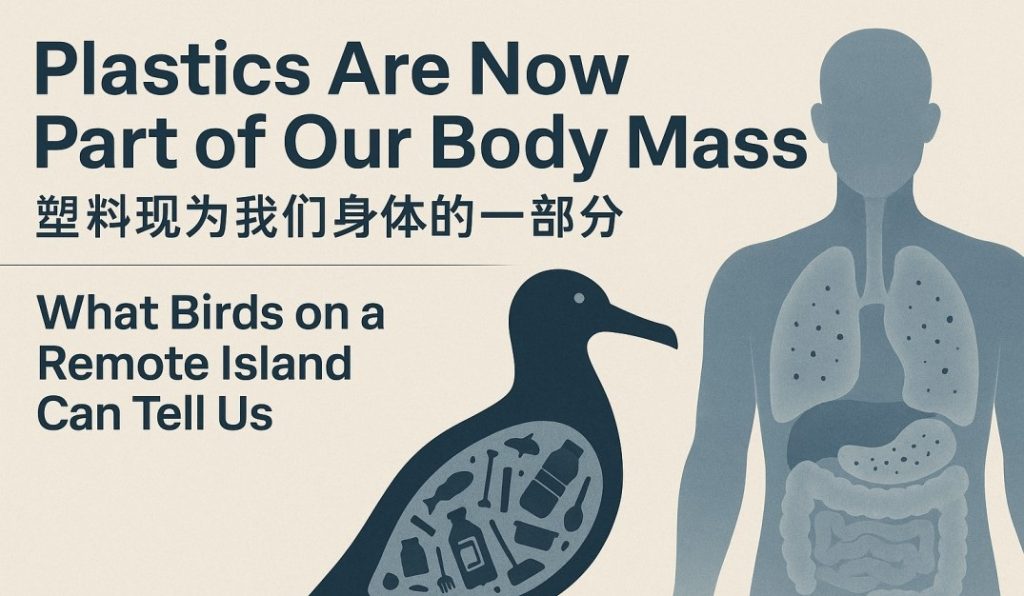
#31 | [♻️ Circular Crisis] Plastics Are Now Part of Our Body Mass – What Birds on a Remote Island Can Tell Us #31|[♻️循环危机] 塑料已成我们身体的一部分 —— 一座偏远小岛的鸟儿给人类的警示
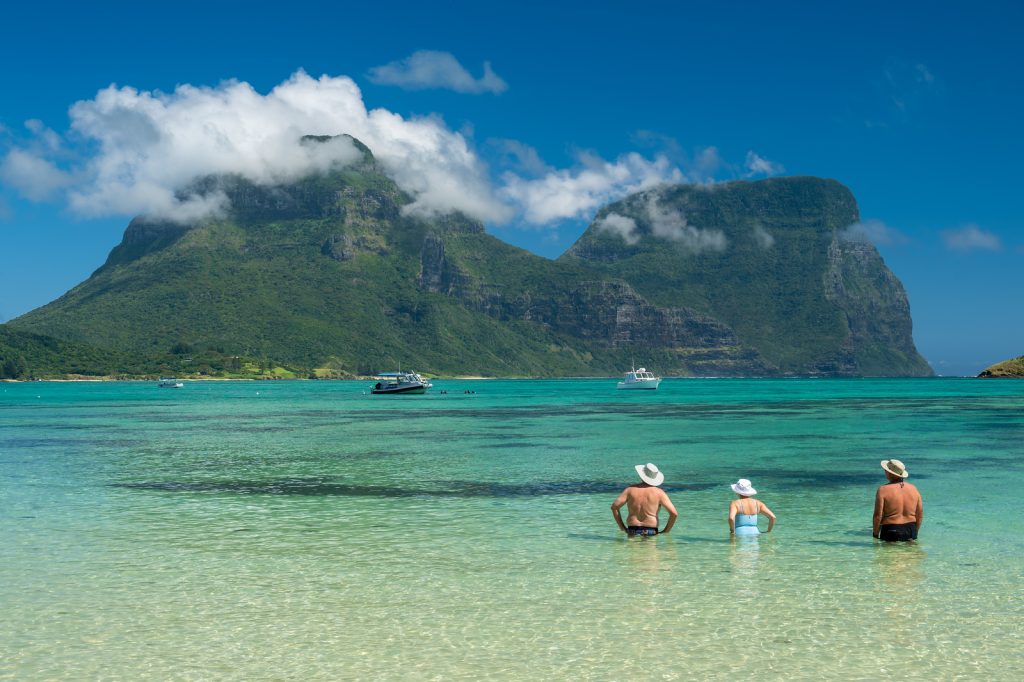
A remote island should have been untouched by human waste. But when scientists picked up dead seabirds from Lord Howe Island in Australia, they heard a crunch. Not bones breaking—but plastic.
“You hear the crunch. You feel the crunch. It is gut-wrenching.” – Jennifer Lavers, Lead Researcher (People Magazine)
在没有工业污染的人迹罕至之地,理应是自然宁静的避风港。 但科学家在澳洲的豪勋爵岛捡起死去的海鸟时,却听到了“咔嚓”的声音——不是骨头碎裂,而是塑料在鸟体内碎裂的声音。
“你听得到,也感觉得到那种咔嚓声,令人心碎。” ——Jennifer Lavers, 研究人员(原报道)
这些鸟并没有在垃圾堆里觅食,它们生活在远离人类的孤岛上。而塑料,是随着洋流飘来的。 污染无国界,也无死角。
Microplastics Are Now in Us All
We may not crunch, but recent research suggests that humans carry microplastics in nearly every organ. Here’s where they’ve been found:
- Bloodstream: A Dutch study in 2022 confirmed the presence of PET (polyethylene terephthalate), polystyrene, and polyethylene microplastics in human blood samples.
- Placenta: Microplastics have been detected in the placenta of unborn babies, raising alarming questions about long-term effects.
- Lungs: Inhaled microplastics—especially from synthetic clothing and urban air—have been found embedded in lung tissue.
These tiny particles enter our system through food, water, air, and even table salt. Researchers estimate that we ingest the equivalent of a credit card’s worth of plastic (about 5 grams) every week.
微塑料已悄然渗透我们的身体
不只是鸟类,人类体内也发现了微塑料,而且几乎无处不在:
- 血液中: 荷兰2022年研究首次证实人类血液样本中存在微塑料,包括PET(聚对苯二甲酸乙二醇酯)、聚苯乙烯等。
- 胎盘中: 未出生婴儿的胎盘也检测出塑料微粒。
- 肺部组织: 长期吸入的微塑料纤维,来自合成衣物和城市空气,已经嵌入肺部。
我们每天吃下的食物、喝下的水、呼吸的空气,都可能是“隐形塑料餐”。研究估计,每周人类摄入的塑料总量,相当于一张信用卡的重量——约5克。
It’s Not Just Us—Nature Is Ingesting Plastics Too
Seafood and Salt:
- Mussels, clams, and oysters have been shown to contain microplastics, especially those farmed near polluted coastlines.
- Sea salt, especially brands sourced from Asian waters, carries traceable levels of plastic particles.
Plants and Crops:
- A 2020 study revealed that nanoplastics can travel from roots to shoots in lettuce and wheat.
- Wastewater sludge (used as fertilizer) has introduced microplastics into farmland, making their way into grains, vegetables, and fruits.
Soil and Freshwater:
- Earthworms have been found to ingest microplastic fibers, disrupting their digestion and affecting soil health.
- Microplastics now appear in remote mountain rivers and lakes once considered pristine.
不只是人类,大自然也在“吞塑”
海鲜与海盐:
- 贻贝、蛤蜊和蚝体内均检测出微塑料,特别是近岸养殖区。
- 部分海盐品牌中也存在塑料纤维,尤其是亚洲水域采集的产品。
植物与作物:
- 2020年研究显示,纳米塑料可以从根系转移至莴苣和小麦的茎叶。
- 使用污水处理残渣作肥料的农田,微塑料已渗入谷物、水果与蔬菜中。
淡水与土壤:
- 蚯蚓摄入微塑料,影响其消化并破坏土壤生态。
- 连偏远山区的湖泊和河流,也无法幸免微塑料的侵袭。
The Body Burden: What Does This Mean for Us?
While the full health impact is still under investigation, early findings link microplastic exposure to:
- Inflammation
- Endocrine disruption
- Potential cancer risks
- Immune system suppression
The scariest part? These effects might not be immediately visible, much like the plastics hiding in the bellies of seabirds. We are only beginning to grasp the cumulative and intergenerational consequences.
身体负担:微塑料对我们的影响是什么?
尽管长期影响仍在研究中,已有研究表明,微塑料可能引起:
- 慢性炎症反应
- 内分泌系统紊乱
- 潜在癌症风险
- 免疫系统受损
最可怕的是,它的危害往往不会立即显现,就像那只“咔嚓作响”的海鸟,直到解剖时我们才看清真相。 而我们身体里隐藏的“塑料危机”,也正在一步步显形。
📚 Further Reading 延伸阅读
To learn more about how plastics have infiltrated our ecosystems and bodies, explore these:
了解更多关于塑料污染如何入侵生态系统与人体的研究:
- People: Birds Crunch from Eating Plastics on Lord Howe Island 《People》报道:澳洲孤岛鸟类因吞塑而“咔嚓作响”
- National Geographic – You Eat Thousands of Bits of Plastic Every Year 国家地理:你每年吞下上千片塑料微粒
- The Guardian – Microplastics Found in Human Blood for First Time 卫报:人类血液首次检测出微塑料
- ScienceDirect – Nanoplastics Can Translocate in Crops 科学研究:纳米塑料可在植物体内转移传播
Final Reflection 最后沉思
If nature’s cleanest corners now reflect our dirtiest habits, what hope is there for the rest of us?
Plastics—born from our convenience—have turned into permanent biological trespassers. Until we radically change how we produce, consume, and discard plastics, we are all participants and victims in this circular tragedy.
Let’s end the cycle.
当最干净的角落反映出最肮脏的习惯,我们还能对地球的未来抱有多少希望?
塑料——这个为了方便而创造的人类奇迹,已成了永久性的生物入侵者。 如果我们不彻底改变生产、消费和废弃塑料的方式,我们将同时成为污染的加害者与受害者。
我们必须打破这个循环。 让下一代,不必“咔嚓”作响。
#Microplastics #PlasticPollution #CircularEconomy #EnvironmentalHealth #人类健康 #塑料污染 #可持续发展 #MarVinFoo
This article is also published on LinkedIn. For more interesting stories, articles and insights, please visit marvinfoo.com‘s blog section.
这篇刊文也发布在领英社交媒体。若想阅读更多类似的文章,请点击此处游览【胡马宾的博客页面】。