#151 China’s Artificial Sun, Nuclear Scale-Up, and the AI Age: Why Energy and Circular Infrastructure Will Define the Next World Order
For decades, nuclear fusion has often been described as the energy source that is always “30 years away”.
Yet recent developments from China suggest that this assumption may need to be reconsidered.
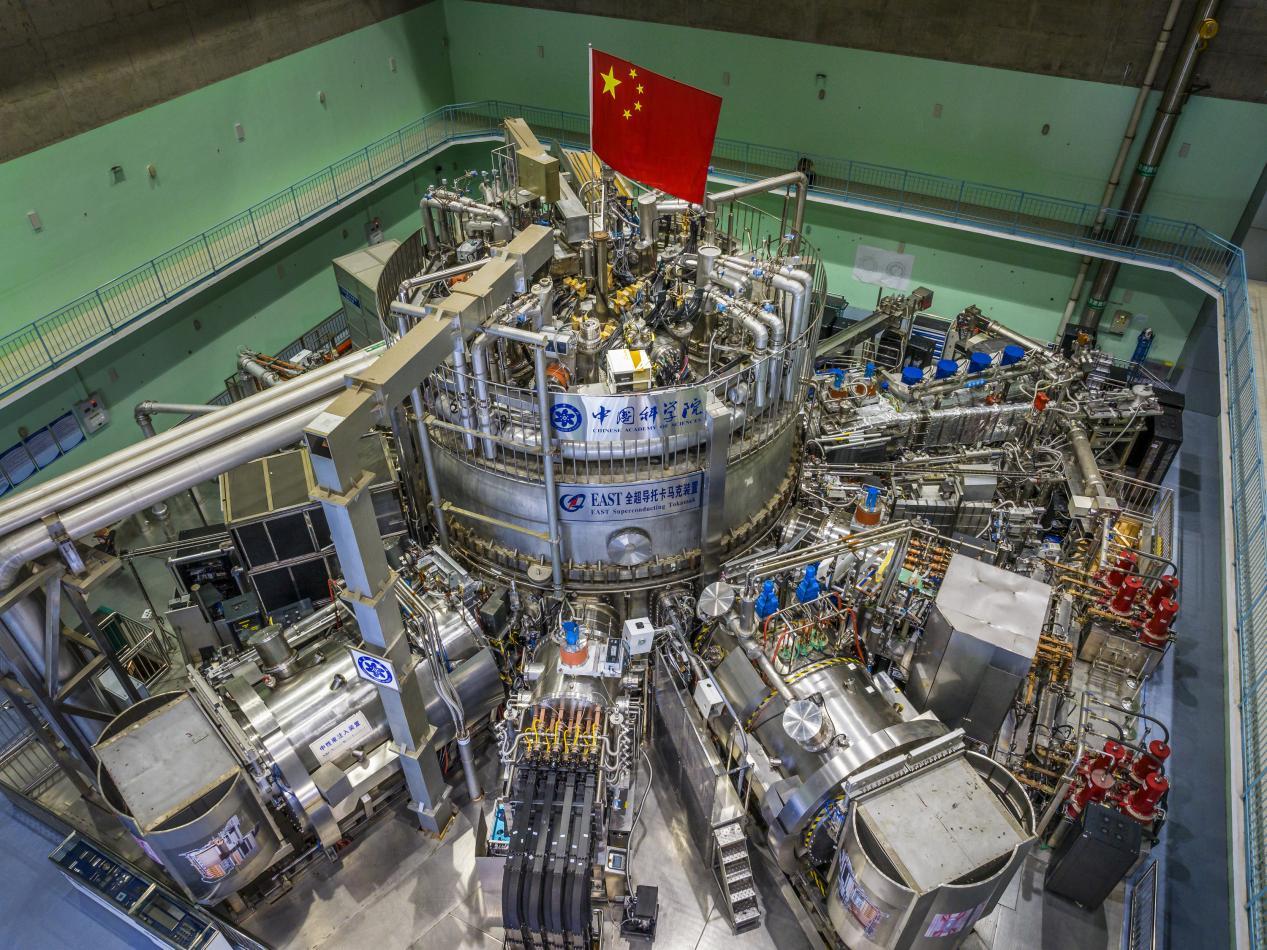
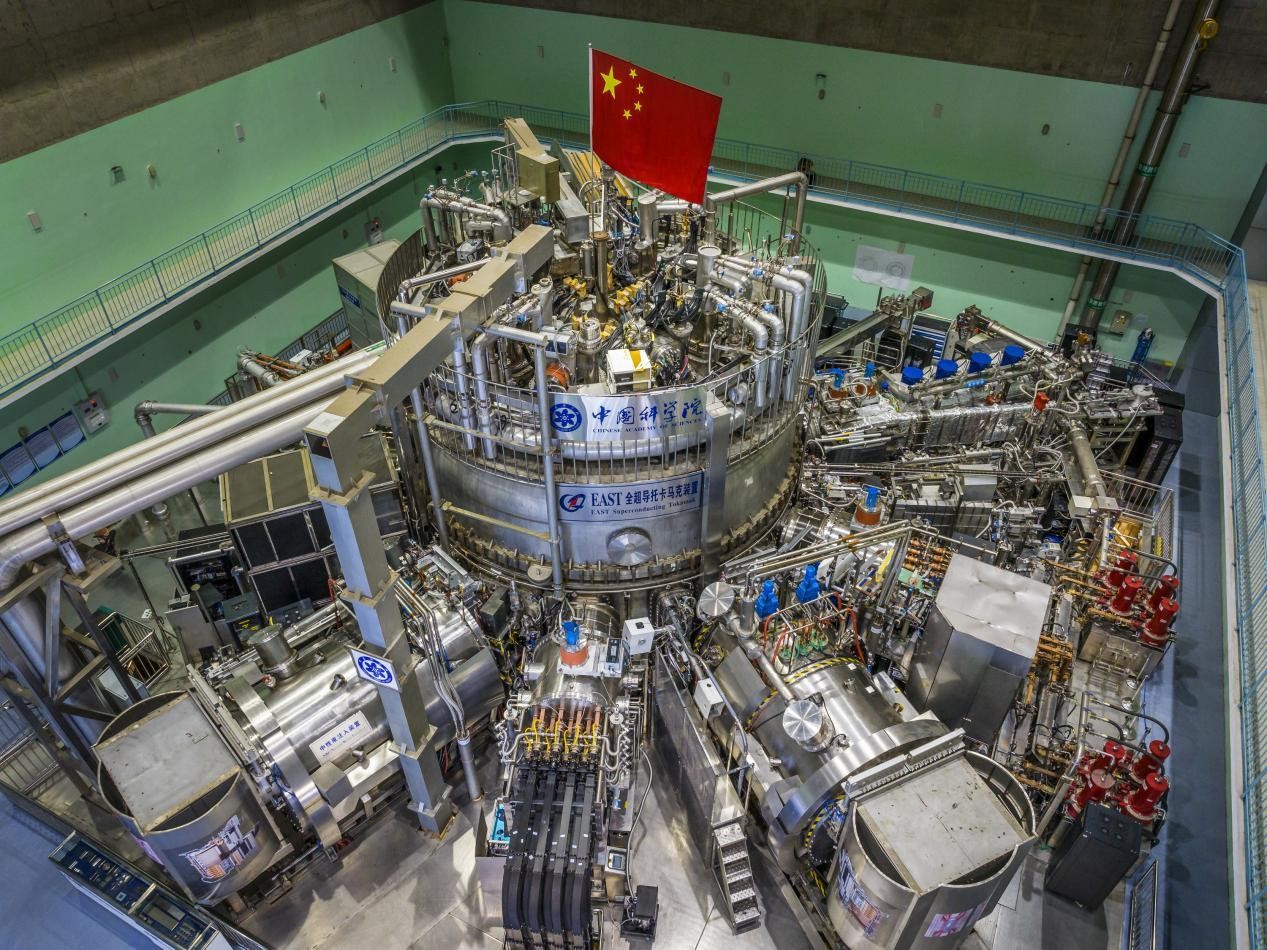
According to Xinhua, China’s Experimental Advanced Superconducting Tokamak, better known as EAST or China’s “artificial sun”, achieved a major world-record milestone by sustaining high-confinement plasma operation for 1,066 seconds.
This is not merely a scientific headline.
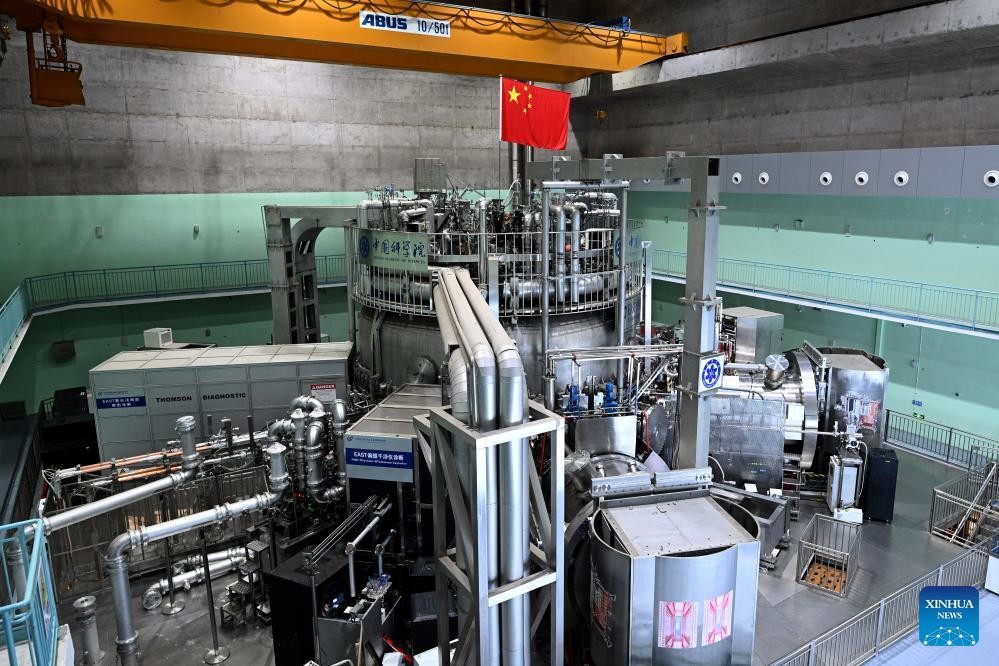
In fusion research, temperature alone is not enough. The real challenge is sustaining ultra-high-temperature plasma in a stable, controlled, long-duration operating state. That is why the “100 million degrees for over 1,000 seconds” milestone matters.
It signals movement from scientific possibility toward engineering feasibility.
Fusion is not commercially solved yet. Many major technical, materials, economic, and regulatory challenges remain. But China’s achievement shows the power of long-term national commitment, deep scientific capability, and patient engineering execution.
At the same time, China is not waiting for fusion.
It is also scaling conventional nuclear fission.
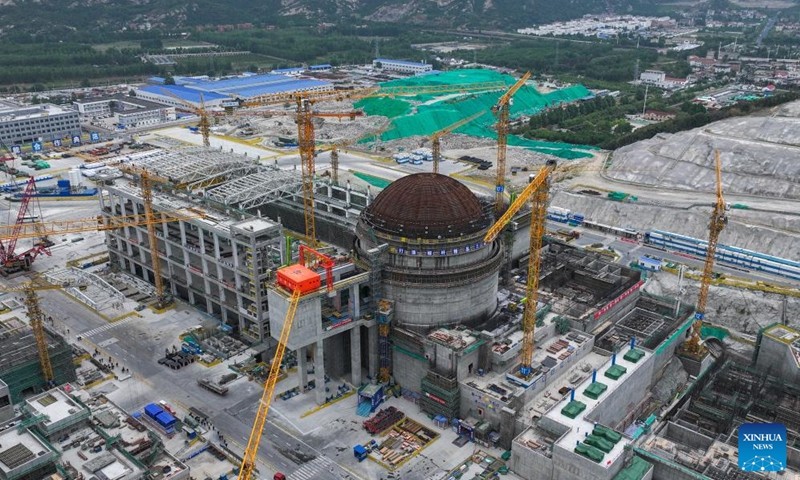
Chinese state media has reported that China’s total nuclear power capacity — including units in operation, under construction, and approved for construction — has reached the world’s largest scale. This dual-track strategy is important.
Fission now.
Fusion later.
Industrial capability throughout.
This is where the nuclear conversation intersects directly with artificial intelligence, economic leadership, and world power.
The next global race will not be won by algorithms alone.
AI requires chips.
AI requires data.
But above all, AI requires electricity — vast, stable, uninterrupted electricity.
As artificial intelligence scales from chatbots into national infrastructure, industrial automation, robotics, defence systems, scientific discovery, financial modelling, logistics optimisation, autonomous decision-making, and smart-city infrastructure, power becomes the foundation of competitiveness.
The countries that can generate clean, reliable baseload energy at scale will have a structural advantage.
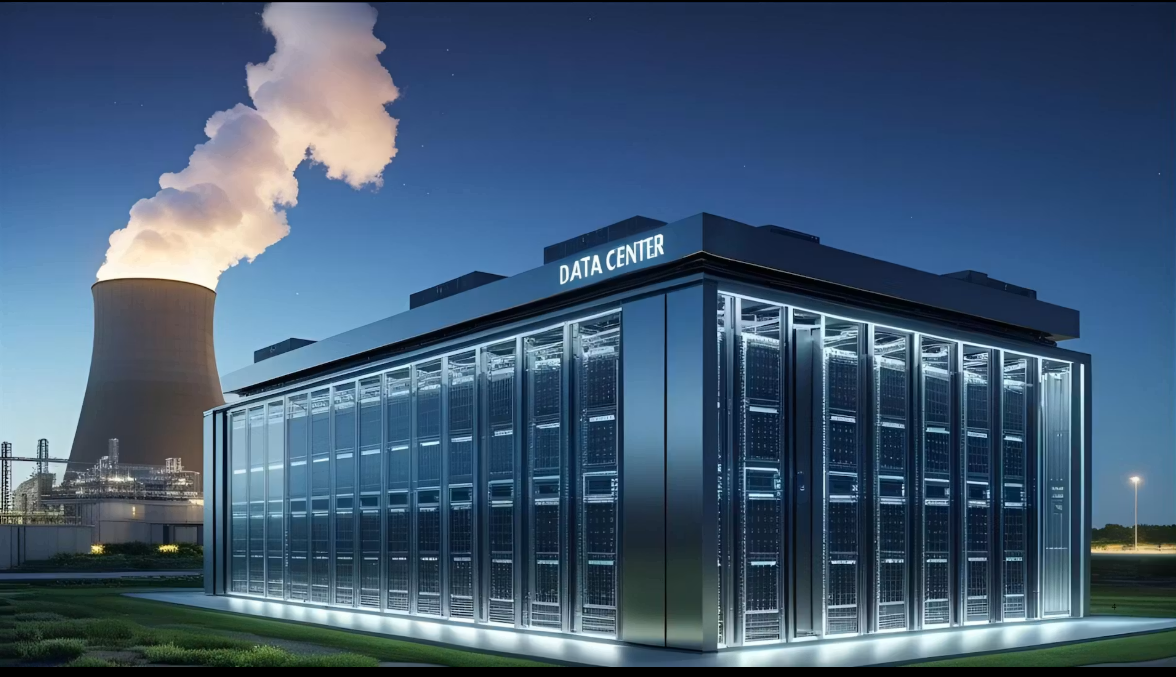
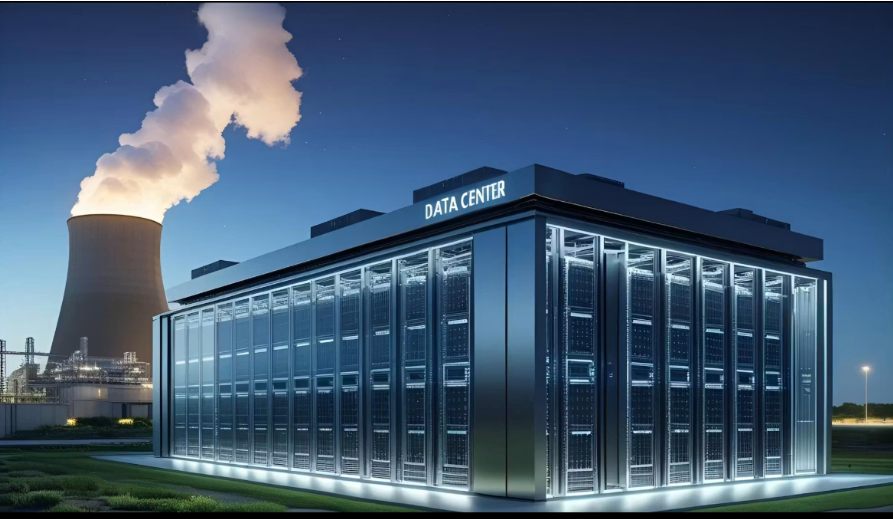
They will host the data centres.
They will train the models.
They will attract the semiconductor ecosystem.
They will power advanced manufacturing.
They will shape the standards of the next industrial age.
This is why China’s nuclear strategy deserves close attention.
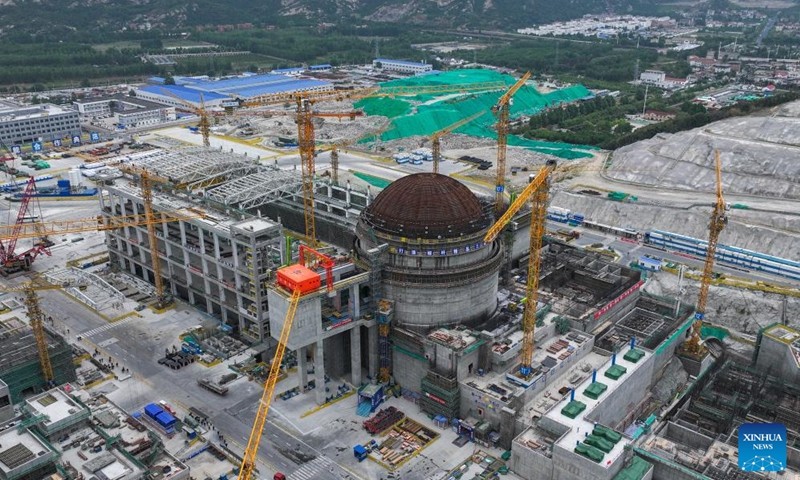
China is not treating nuclear as a single technology. It is building a layered energy strategy: conventional nuclear power for today’s baseload needs, and fusion research for tomorrow’s deeper energy frontier.
This is not only about energy.
It is about AI sovereignty.
It is about industrial resilience.
It is about national security.
It is about manufacturing depth.
It is about climate strategy.
It is about the right to remain economically relevant in a world where intelligence itself requires power.
For Singapore, this raises a major strategic question.
If Singapore wants to remain a trusted hub for AI, finance, advanced manufacturing, semiconductors, logistics, digital infrastructure, regional headquarters, and high-value services, where will the next layer of clean baseload power come from?
Solar will help, but land constraints remain real.
Imported electricity will help, but it introduces regional dependency.
Natural gas provides stability, but does not fully solve decarbonisation.
Battery storage supports flexibility, but it is not a complete substitute for long-duration baseload power at national scale.
This is why Singapore’s exploration of nuclear energy is significant.
Singapore may not rush into a conventional large nuclear plant. Its land constraints, grid size, safety expectations, public confidence requirements, and regional diplomacy are unique.
But Singapore cannot afford to remain a passive observer.
The more likely pathway is capability-building first.
Singapore will need nuclear literacy, regulatory expertise, safety assessment capability, emergency-planning competence, public-communication maturity, international partnerships, and technology-monitoring depth.
Small modular reactors, advanced reactors, floating nuclear concepts, regional nuclear-backed electricity imports, and future fusion partnerships may all become part of the strategic conversation.
The point is not that Singapore must adopt nuclear immediately.
The point is that Singapore must build optionality before optionality becomes expensive.
However, there is another important implication that is often overlooked.
If nuclear power scales successfully, what happens to waste-to-energy?
At first glance, one may assume that waste-to-energy becomes less important. If nuclear fission provides stable baseload power, and if fusion eventually becomes commercially viable, why would cities still need to extract energy from waste?
But this question misunderstands the future of waste.
Waste-to-energy will not disappear.
Its role will change.
In a nuclear-abundant world, waste may lose part of its value as an energy source. But waste will become even more important as a resource, pollution, land-use, public-health, and circular-economy challenge.
Cities will still generate plastic waste, food waste, textiles, construction debris, packaging waste, e-waste, contaminated residues, and ocean-bound leakage.
Landfills will still occupy land.
Open dumping will still produce methane.
Plastic leakage will still enter rivers and seas.
Unsorted waste will still destroy material value.
Poor waste systems will still harm public health, urban dignity, and environmental resilience.
This means the next generation of waste infrastructure cannot be justified only by electricity generation.
It must be justified by circular value.
The future is not simply waste-to-energy.
The future is waste-to-resources, waste-to-materials, waste-to-chemicals, waste-to-fuels, and only finally waste-to-energy for the residual fraction that cannot be economically recovered.
This is where circular infrastructure becomes more important, not less.
Nuclear power may solve part of the baseload electricity problem.
But nuclear power does not solve the waste problem.
AI will require enormous power. Nuclear can help power that intelligence.
But the physical economy will still require circular infrastructure to manage the material consequences of urbanisation, consumption, e-commerce, packaging, industrial growth, shipping, tourism, and infrastructure development.
In that sense, nuclear energy and circular infrastructure are not opposing pathways.
They are complementary layers of the next civilisation.
Nuclear powers the AI age.
Circular infrastructure cleans and regenerates the material age.
This distinction matters deeply for Singapore and ASEAN.
Singapore is exploring nuclear because long-term clean baseload power is becoming strategic. But Singapore and the wider region must also confront waste leakage, landfill pressure, marine plastics, and the need for resilient circular systems.
For ASEAN cities, islands, ports, and coastal communities, waste is not an abstract environmental issue.
It is visible.
It is political.
It is logistical.
It affects tourism, fisheries, public health, flooding, drainage, land use, and social confidence.
This is why circular infrastructure must be elevated from a “green initiative” into a core infrastructure layer.
The world should not treat waste as fuel alone.
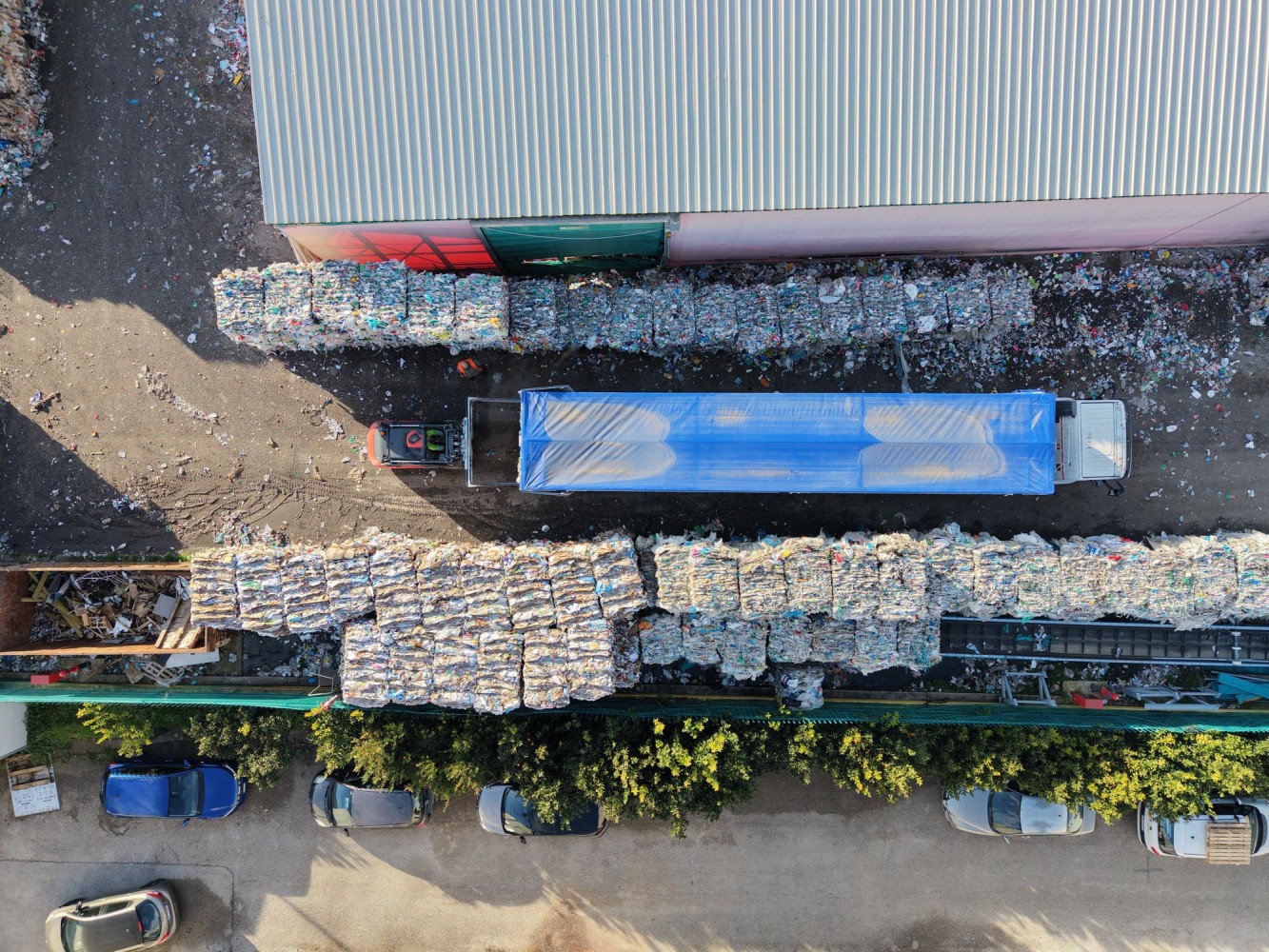
Waste must be treated as a resource stream.
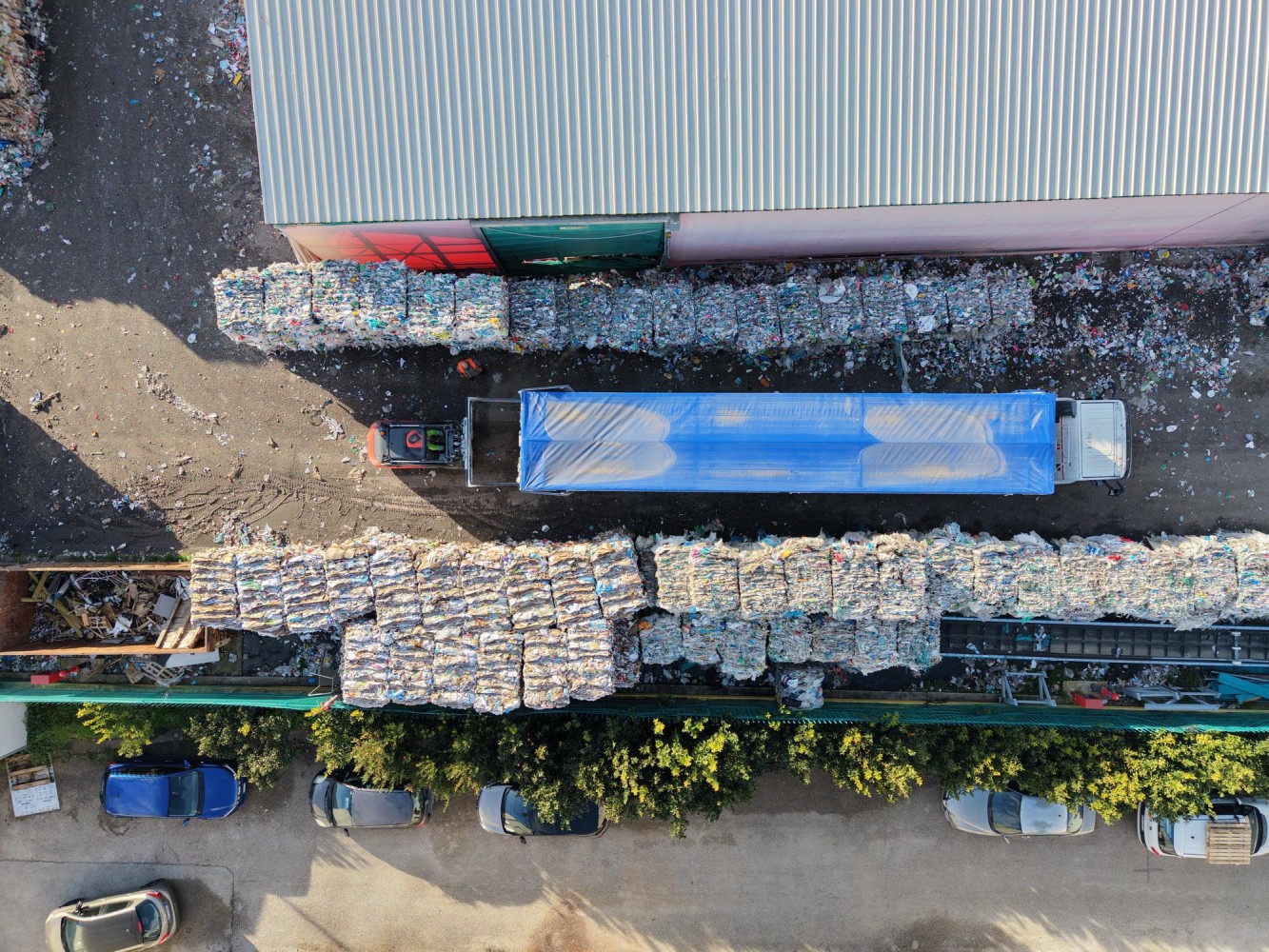
Plastics can become recycled resin, pyrolysis oil, wax, fuel, asphalt modifiers, or petrochemical intermediates.
Metals can be recovered.
Organics can become compost, biogas, soil enhancers, or controlled bioenergy streams.
Residual waste can be safely treated, reduced, or converted where recovery is no longer practical.
The strategic question is no longer simply:
“How much electricity can we get from waste?”
The better question is:
“How much material value, land value, environmental value, and social value can we recover before waste becomes a burden?”
This is the future direction of circular infrastructure.
For companies, cities, and governments, the lesson is clear.
Do not build yesterday’s waste-to-energy model for tomorrow’s energy world.
Build circular infrastructure that remains relevant even when electricity becomes cleaner and more abundant.
Build systems that sort, recover, convert, measure, certify, and reintegrate materials back into the economy.
Build infrastructure that reduces landfill dependency.
Build infrastructure that stops leakage before it reaches rivers and oceans.
Build infrastructure that creates local jobs and regional resilience.
Build infrastructure that complements clean baseload power instead of competing against it.
The countries that lead the future will not only be those that generate the cleanest electrons.
They will be those that manage both energy and materials intelligently.
China’s artificial sun shows us one side of the future: the race for clean, powerful, long-duration energy.
China’s nuclear scale-up shows us another: the industrialisation of baseload power at national scale.
AI shows us why this matters: intelligence requires electricity.
Waste shows us what must not be forgotten: even the smartest civilisation still produces material consequences.
Therefore, the next world order will be built on two foundations.
Clean baseload power.
And circular infrastructure.
If nuclear power becomes the backbone of the AI age, circular infrastructure becomes the immune system of the material economy.
The artificial sun may power the future.
But circular systems will determine whether that future remains liveable.
This article is also published on LinkedIn.
中国“人造太阳”、核电扩张与人工智能时代:为什么能源与循环基础设施将定义下一个世界秩序
几十年来,核聚变常被形容为一种“永远还需要三十年”的未来能源。
然而,中国近期的发展,正在让这个长期假设重新受到审视。
根据新华社报道,中国的全超导托卡马克核聚变实验装置 EAST,也就是外界常称的中国“人造太阳”,实现了一项重要的世界纪录:成功维持高约束等离子体运行 1066 秒。
这并不只是一个科学新闻标题。
在核聚变研究中,温度本身并不够。真正困难的是,如何在超高温状态下,让等离子体保持稳定、受控、长时间运行。
因此,“一亿摄氏度以上、超过一千秒”的突破之所以重要,是因为它显示核聚变正在从科学可能性,逐步走向工程可行性。
当然,核聚变距离商业化仍然还有很长的路要走。材料、成本、控制、安全、监管、工程系统等方面,仍然存在重大挑战。
但中国的这项突破,已经展示出长期国家投入、深厚科学能力,以及持续工程攻关的力量。
与此同时,中国并没有等待核聚变成熟。
中国也正在大规模推进传统核裂变发电。
中国官方媒体已经报道,中国核电机组总规模,包括在运、在建以及核准待建机组,已经达到世界第一。这种“双轨战略”非常关键。
当下依靠核裂变。
未来布局核聚变。
中间贯穿的是完整的工业能力。
这正是核能议题与人工智能、经济领导力和世界格局直接交汇的地方。
下一轮全球竞争,不会只由算法决定。
人工智能需要芯片。
人工智能需要数据。
但更根本的是,人工智能需要电力——大量、稳定、持续、不间断的电力。
当人工智能从聊天机器人,进一步扩展到国家基础设施、工业自动化、机器人、国防系统、科学发现、金融建模、物流优化、自动决策和智慧城市时,电力就成为竞争力的基础。
能够大规模生产清洁、稳定基荷能源的国家,将拥有结构性优势。
它们将承载数据中心。
它们将训练大型模型。
它们将吸引半导体生态。
它们将支撑先进制造。
它们将塑造下一个工业时代的标准。
这就是为什么中国的核能战略值得高度关注。
中国并不是把核能视为单一技术,而是在建设一个分层能源战略:以传统核电满足今天的基荷电力需求,以核聚变研究布局未来更深层次的能源前沿。
这不只是能源问题。
这是人工智能主权问题。
这是工业韧性问题。
这是国家安全问题。
这是制造业深度问题。
这是气候战略问题。
这也是一个国家在智能时代是否还能保持经济相关性的核心问题。
对新加坡而言,这提出了一个重大的战略问题。
如果新加坡希望继续作为人工智能、金融、先进制造、半导体、物流、数字基础设施、区域总部和高价值服务的可信枢纽,那么下一层清洁基荷电力将从哪里来?
太阳能会有所帮助,但土地限制是真实存在的。
进口电力会有所帮助,但也带来区域依赖。
天然气提供稳定性,但无法完全解决脱碳问题。
电池储能可以支持灵活调节,但并不能完全替代国家级、长期、稳定的基荷电力。
这就是为什么新加坡探索核能具有重要意义。
新加坡未必会仓促兴建传统大型核电站。新加坡的土地限制、电网规模、安全要求、公众信任门槛和区域外交环境,都非常特殊。
但新加坡不能只是被动旁观。
更可能的路径,是先建立能力。
新加坡需要核能素养、监管专业、安全评估能力、应急规划能力、成熟的公众沟通能力、国际合作网络,以及深入的技术观察能力。
小型模块化反应堆、先进反应堆、浮动核能概念、区域核电支持的电力进口,以及未来核聚变合作,都可能逐渐进入战略讨论。
重点并不是新加坡今天就必须决定部署核能。
重点是,新加坡必须在选择权变得昂贵之前,先建立选择的能力。
然而,还有一个经常被忽略的重要问题。
如果核能成功大规模发展,垃圾发电会发生什么变化?
乍看之下,人们可能会以为垃圾发电的重要性会下降。如果核裂变能够提供稳定基荷电力,如果未来核聚变也逐步走向商业可行,那么城市为什么还需要从垃圾中提取能源?
但这个问题误解了未来垃圾治理的本质。
垃圾发电不会消失。
它的角色会改变。
在一个核能充裕的世界里,垃圾作为能源来源的价值可能会下降一部分。但是,垃圾作为资源问题、污染问题、土地问题、公共卫生问题和循环经济问题,反而会变得更加重要。
城市仍然会产生塑料垃圾、厨余垃圾、纺织废弃物、建筑废料、包装废弃物、电子垃圾、受污染残余物,以及可能流入海洋的废弃物。
填埋场仍然会占用土地。
露天倾倒仍然会产生甲烷。
塑料泄漏仍然会进入河流和海洋。
未分类垃圾仍然会破坏材料价值。
落后的垃圾系统仍然会损害公共卫生、城市尊严和环境韧性。
这意味着,下一代垃圾基础设施,不能只靠发电来证明自身价值。
它必须通过循环价值来证明自身价值。
未来不是简单的“垃圾变能源”。
未来是垃圾变资源、垃圾变材料、垃圾变化学品、垃圾变燃料,最后才是对无法经济回收的残余部分进行垃圾变能源处理。
这正是循环基础设施变得更加重要,而不是不重要的原因。
核电可以解决一部分基荷电力问题。
但核电无法解决垃圾问题。
人工智能需要巨大的电力。核能可以帮助支撑这种智能。
但实体经济仍然需要循环基础设施,来管理城市化、消费、电子商务、包装、工业增长、航运、旅游和基础设施发展所带来的物质后果。
从这个角度看,核能与循环基础设施并不是相互竞争的路径。
它们是下一个文明体系中互补的两层结构。
核能支撑人工智能时代。
循环基础设施清理并再生物质时代。
这个区别对新加坡和东盟尤其重要。
新加坡探索核能,是因为长期清洁基荷电力正在成为战略资源。但新加坡和更广泛的区域,也必须面对垃圾泄漏、填埋压力、海洋塑料,以及建立更有韧性的循环系统的迫切需要。
对东盟城市、岛屿、港口和沿海社区而言,垃圾不是一个抽象的环境议题。
它是看得见的。
它是政治性的。
它是物流性的。
它影响旅游业、渔业、公共卫生、排水、防洪、土地使用和社会信心。
这就是为什么循环基础设施必须从“绿色项目”,提升为核心基础设施层。
世界不应只把垃圾视为燃料。
垃圾必须被视为资源流。
塑料可以转化为再生树脂、裂解油、蜡、燃料、沥青改性剂或石化中间体。
金属可以被回收。
有机物可以转化为堆肥、沼气、土壤改良剂或受控生物能源流。
残余垃圾则可以在无法继续回收时,被安全处理、减量或转化。
战略问题不再只是:
“我们能从垃圾中获得多少电力?”
更好的问题是:
“在垃圾成为负担之前,我们能回收多少材料价值、土地价值、环境价值和社会价值?”
这就是循环基础设施的未来方向。
对企业、城市和政府而言,这里的启示非常明确。
不要为了明天的能源世界,建设昨天的垃圾发电模式。
应当建设即使在电力变得更清洁、更充裕的未来,仍然具有相关性的循环基础设施。
建设能够分类、回收、转化、计量、认证,并把材料重新导入经济体系的系统。
建设能够减少填埋依赖的基础设施。
建设能够在垃圾进入河流和海洋之前,阻止泄漏的基础设施。
建设能够创造本地就业和区域韧性的基础设施。
建设能够补充清洁基荷电力,而不是与它竞争的基础设施。
未来领先的国家,不只会是那些能够生产最清洁电子的国家。
也会是那些能够同时智慧管理能源和材料的国家。
中国“人造太阳”向我们展示了未来的一面:对清洁、强大、长时能源的竞赛。
中国核电扩张向我们展示了另一面:国家规模基荷电力的工业化。
人工智能告诉我们,这为什么重要:智能需要电力。
而垃圾提醒我们,不能忘记另一件事:即使是最智能的文明,也仍然会产生物质后果。
因此,下一个世界秩序,将建立在两大基础之上。
清洁基荷电力。
以及循环基础设施。
如果核能成为人工智能时代的骨干,那么循环基础设施就是物质经济的免疫系统。
“人造太阳”也许能够照亮未来。
但循环系统将决定这个未来是否依然适合人类居住。