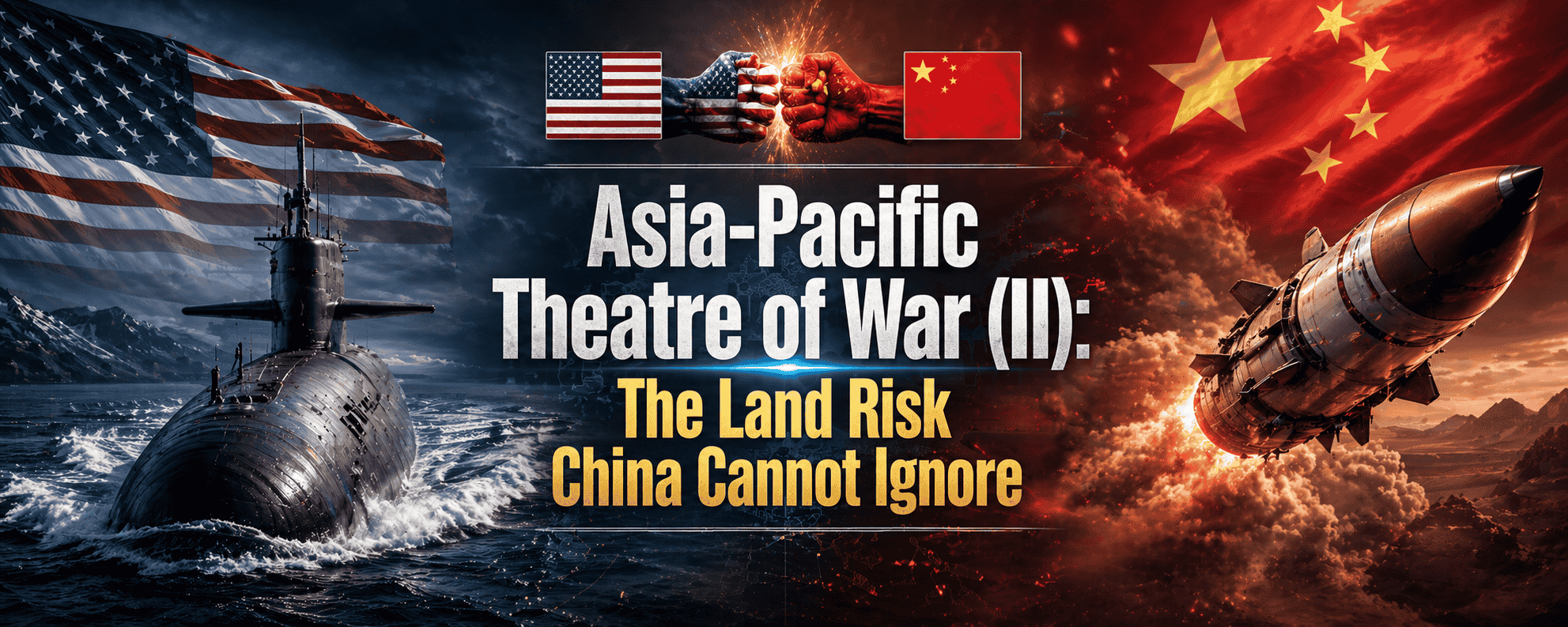
#139 Asia-Pacific Theatre of War (II): The Land Risk China Cannot Ignore 亚太战场(II):中国不可忽视的陆地风险
In the first installment, we examined how time, economic pressure, and maritime chokepoints are reshaping the global balance.
But there is a second layer that remains under-discussed:
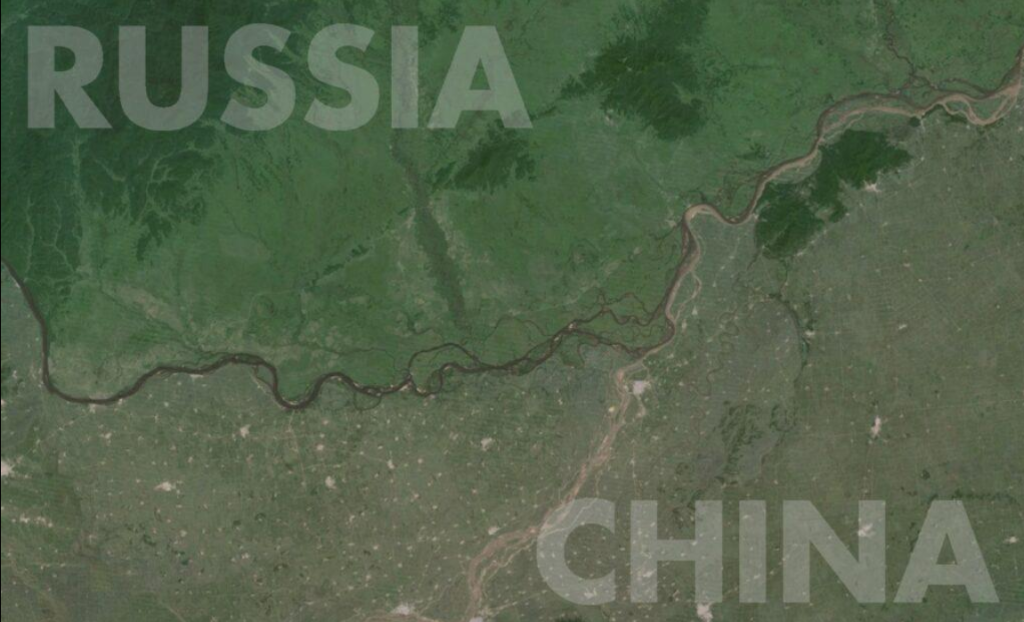
China’s greatest strategic risk may not come from the sea. It may come from the land it believes is secure.
The Illusion of Strategic Depth
China is often seen as geographically advantaged—vast territory, layered buffers, and proximity to aligned partners.
Yet in a prolonged global tension scenario, that depth can invert into exposure.
To the north and northeast lie:
- Russia
- North Korea
These are typically framed as buffers.
But in a world under stress, buffers can become variables.
Alignment Does Not Equal Stability
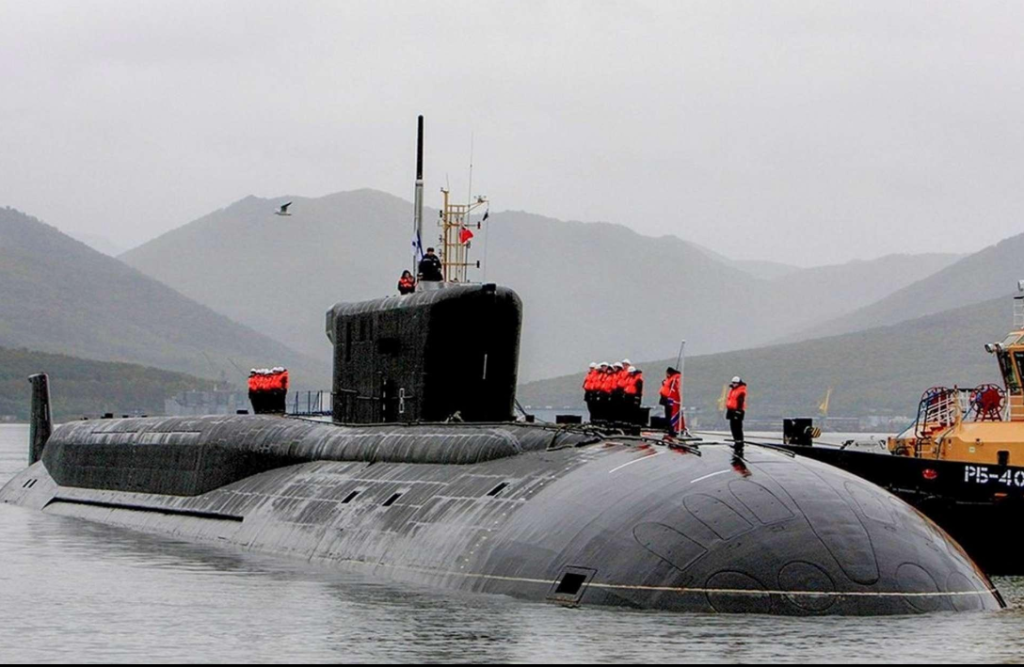
Russia today operates with strategic autonomy under sanction:
- benefiting from elevated energy prices
- less exposed to global financial systems
- comfortable with prolonged instability
North Korea operates under a different logic:
- highly militarised
- economically isolated
- less predictable in behaviour
The uncomfortable reality is this:
Neither actor is structurally incentivised to carry China’s stability as a priority.
In extreme scenarios, a distracted or pressured China does not necessarily disadvantage them.
The Encirclement Is Not Just Maritime
Much of the global narrative focuses on:
- South China Sea
- Taiwan Strait
- Malacca chokepoint
But if maritime routes become constrained, China’s reliance on:
- internal logistics
- overland stability
- border coherence
intensifies.
This creates a strategic inversion:
As sea access tightens, land-side risks become more consequential.
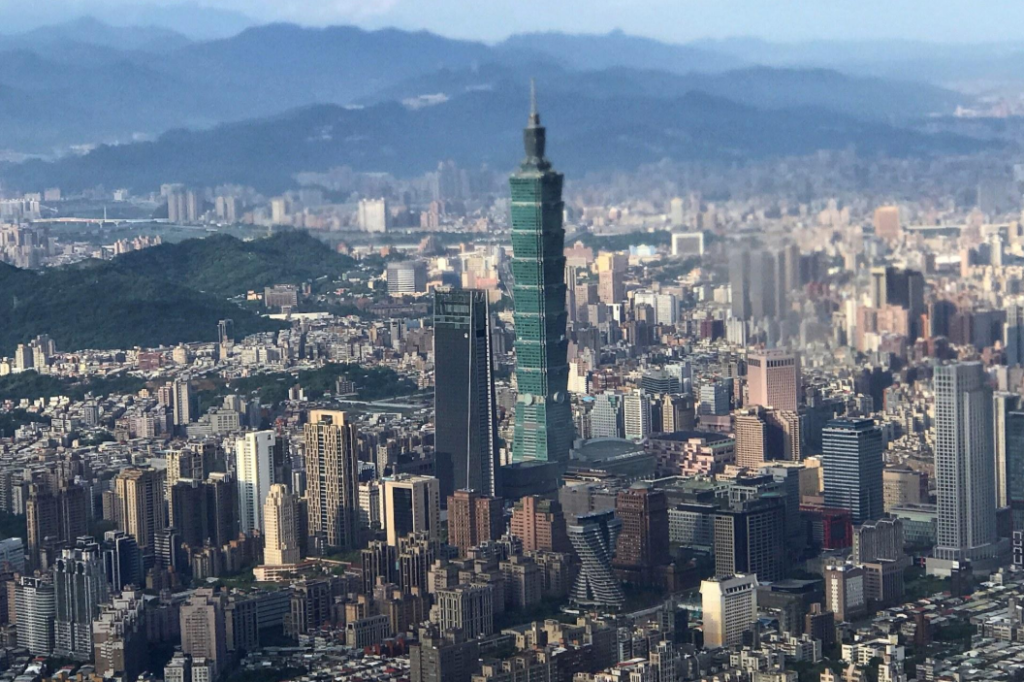
Taiwan: The Most Dangerous Timing Risk
The objective of resolving Taiwan is well understood.
But timing defines outcomes.
A move under conditions of:
- elevated global tension
- economic strain
- multi-front uncertainty
could shift the situation from a regional issue into a systemic trigger.
The risk is not only military.
It is financial, economic, and reputational.
The Strategic Dilemma
China is navigating a three-layered challenge:
- Maritime pressure from the Pacific
- Economic pressure from global interdependence
- Land-side uncertainty from neighbouring powers with independent agendas
This is not weakness.
But it is complex exposure.
A Necessary Recalibration
For decades, China has balanced between:
- engagement with Western systems
- alignment with non-Western partners
The current environment raises a harder question:
Can China afford to remain equidistant?
Or does risk management now require:
- stronger stabilising signals to global markets
- clearer economic alignment where systemic trust still resides
- a more deliberate calibration of strategic partnerships
Not as concession.
But as pragmatism under pressure.
China’s Real Strength: Not Force, But Assimilation
For all the focus on military capability and economic scale, one enduring strength stands out:
China’s greatest advantage is its capacity for assimilation.
Across centuries, China has:
- absorbed external influences
- integrated diverse systems
- harmonised contradictions into continuity
This is not passive.
It is adaptive strength.
In a fragmented world, the ability to connect rather than divide may prove more decisive than force projection alone.
A Strategic Crossroads: Two Paths to Leadership
To frame the moment, consider the model popularised by Sid Meier’s Civilization.
There are broadly two ways to win:
1. Domination
- military expansion
- territorial control
- coercive leverage
2. Advancement
- scientific leadership
- technological progress
- cultural and systemic influence
The first is immediate.
The second is enduring.
The question is not which is easier.
It is which is sustainable.
Beyond Earthly Competition
The danger today is that major powers default toward escalation.
Yet the alternative path requires:
- stabilising global systems
- advancing energy and infrastructure
- coordinating beyond narrow blocs
- preparing for longer-term human progress
Because at a certain threshold, the question shifts from:
Who leads the world?
to:
Can humanity act coherently at all?
Returning to The Way (道): Breaking the Cycle
Beneath geopolitics lies a deeper rhythm.
Civilisations rise. They expand. They overreach. They fragment.
Then they rise again.
In Taoist thought, this reflects the flow of 阴阳 (Yin and Yang)— a continuous transformation between opposites.
盛极必衰,衰极必盛。 At the height of strength lies the seed of decline; at the depth of decline lies the seed of renewal.
The risk today is not conflict alone.
It is repetition without awareness.
If nations continue to:
- pursue dominance without balance
- escalate without restraint
- react without reflection
then history is not being shaped.
It is being replayed.
Final Thought
The Asia-Pacific may yet become the decisive theatre.
But the deeper question lies beyond geography.
Will this era be defined by another cycle of rise and fall— or by the moment humanity chooses to rise above it?
顺势而为者存,逆势而为者亡。 Those who align with the greater flow endure. Those who resist it fade.
The future will not be determined only by power.
It will be determined by whether power is guided by awareness.
This article is also published on LinkedIn.
亚太战场(II):中国不可忽视的陆地风险
在上一篇文章中,我们探讨了时间、经济压力与海上咽喉要道如何正在重塑全球格局。
但还有一层更深的现实,仍然鲜少被提及:
中国最大的战略风险,或许并非来自海洋, 而是来自其认为最安全的陆地。
战略纵深的错觉
中国常被视为拥有地缘优势——广袤的国土、多重缓冲区域,以及相对稳定的周边关系。
然而,在长期全球紧张局势之下,这种“纵深”可能转化为暴露点。
在其北方与东北方向,存在着两个重要邻国:
- 俄罗斯
- 朝鲜
这些通常被视为“战略缓冲”。
但在系统性压力环境中,缓冲可能演变为不确定变量。
结盟,不等于稳定
俄罗斯当前处于一种特殊状态——制裁下的战略自主:
- 受益于高能源价格
- 相对脱离全球金融体系
- 对长期不稳定具备承受能力
而朝鲜则运作于另一种逻辑之中:
- 高度军事化
- 经济孤立
- 行为模式难以预测
一个不容忽视的现实是:
这两个国家,并不以中国的稳定为其首要战略目标。
在极端情况下,一个被牵制或分散注意力的中国,并不一定对它们不利。
包围,并非仅来自海洋
全球叙事多集中于:
- 南海
- 台湾海峡
- 马六甲海峡
然而,一旦海上通道受到限制,中国对:
- 内部物流体系
- 陆地稳定性
- 边境安全
的依赖将显著提升。
这形成一个战略反转:
当海路受限,陆地风险将被放大。
台湾:最具时间风险的变量
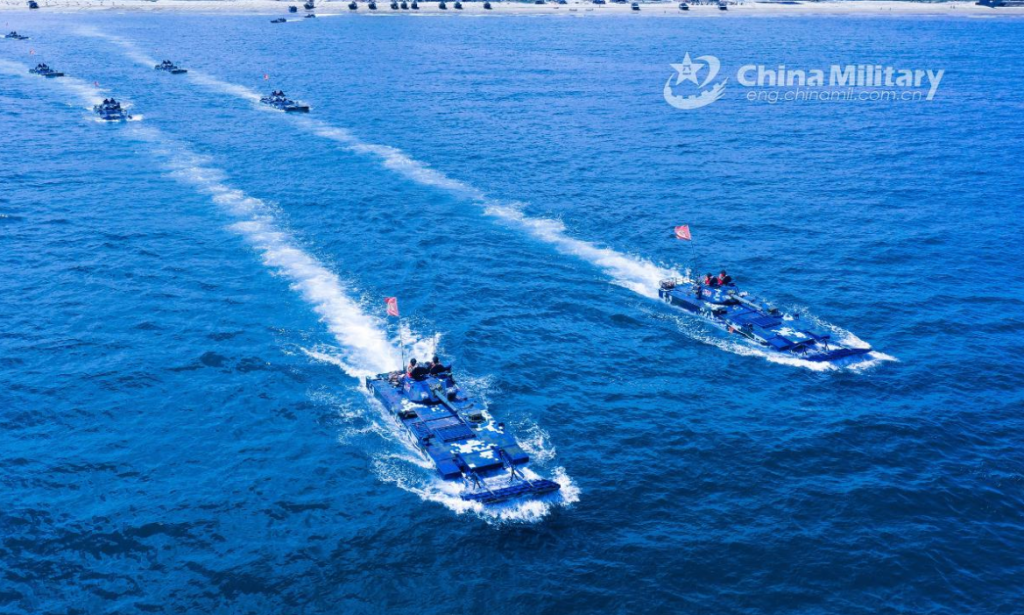
“解决台湾问题”的战略意图广为人知。
但关键在于——时机。
若在以下条件下行动:
- 全球紧张局势升温
- 经济系统承压
- 多重不确定性叠加
这一问题可能从区域层面,升级为系统性冲突触发点。
其影响,不仅限于军事层面,更将波及:
金融、贸易、信心与全球秩序。
战略困局
当前中国面临三重交织压力:
- 海上压力(太平洋方向)
- 经济压力(全球依存体系)
- 陆地不确定性(邻国独立战略)
这并非弱势。
但这是一个复杂暴露的结构。
必要的再平衡
过去数十年,中国在以下两者之间取得平衡:
- 与西方体系的深度连接
- 与非西方伙伴的战略协同
而当下局势提出一个更为严峻的问题:
中国还能继续保持“等距平衡”吗?
还是需要:
- 向全球市场释放更清晰的稳定信号
- 在关键经济体系中强化信任链接
- 对战略伙伴关系进行更审慎的校准
这不是让步。
而是在压力下的理性调整。
中国真正的优势:不是力量,而是“融合力”
在军事与经济之外,有一个更深层的优势:
中国最大的力量,在于其“融合能力”。
纵观历史,中国不断:
- 吸收外来文化
- 融合不同体系
- 将矛盾转化为连续性
这并非被动。
而是一种高度适应性的文明能力。
在一个趋于分裂的世界中,
连接与整合的能力,或许比对抗更具决定性。
战略分岔:两种“胜利路径”
可以借鉴 Sid Meier’s Civilization 的经典框架:
人类文明有两种主要胜利方式:
1. 征服型胜利
- 军事扩张
- 领土控制
- 强制性影响
2. 文明进化型胜利
- 科学领先
- 技术突破
- 文化与制度影响力
前者快速而显性。
后者缓慢却持久。
关键不在于哪条路径更容易,
而在于——
哪条路径更可持续。
超越地球层面的竞争
当前最大的风险,是各方默认走向第一条路径:
对抗、升级、博弈。
但另一条路径要求:
- 推动能源与科技发展
- 稳定全球基础体系
- 强化跨文明协作
- 为人类更长远的发展做准备
因为在某个阶段之后,问题将不再是:
谁主导世界?
而是:
人类是否具备整体协同的能力?
回归“道”:打破循环
在地缘政治之下,存在一个更深层的规律:
文明兴起, 文明扩张, 文明过度, 文明衰落。
周而复始。
在道家思想中,这正是阴阳流转的体现。
盛极必衰,衰极必盛。
问题不在于冲突是否发生,
而在于——
人类是否仍然在无意识地重复历史。
若各国继续:
- 追求力量而忽视平衡
- 面对压力而缺乏反思
- 在能力面前缺乏克制
那么历史并未被改变,
只是被再次上演。
结语
亚太,或许将成为决定性的舞台。
但真正的关键,不在地理位置。
而在于:
这一代人类,是继续陷入循环, 还是选择跳出循环。
顺势而为者存,逆势而为者亡。
未来的走向,不仅取决于力量,
更取决于——
力量是否由觉知所引导。
![#50 [🌏 Business Outlook 2025] SCCCI – Maybank Mid-Year Business Outlook Forum 2025 新加坡中华总商会与马来亚银行联合主办 2025年中经济展望论坛(华语)](https://marvinfoo.com/wp-content/uploads/2025/07/IMG_20250717_183143-768x1013.jpg)