#127 🧭 When Systems Work — But People Fall Through 🧭 当系统运作良好——但人却被遗落
A Ground Reflection on Singapore’s Emerging Trust Gap
Over the past months, I’ve been receiving an unusual pattern of messages from readers.
They are not always about crime. Not always about policy failure. Not always about injustice.
But they all point to something deeper:
A slow erosion of trust — across systems that are technically working.
Individually, each case seems explainable. Together, they reveal something structural.
This is not an accusation.
It is a ground reflection.
🧱 1. The Rise of “Legal Scams” in Renovation
In the renovation and interior design space, a new pattern is emerging.
On the surface, everything looks professional:
- Clean Instagram and Facebook ads
- Short-form video funnels
- Bilingual consultants (English, Chinese, Singlish)
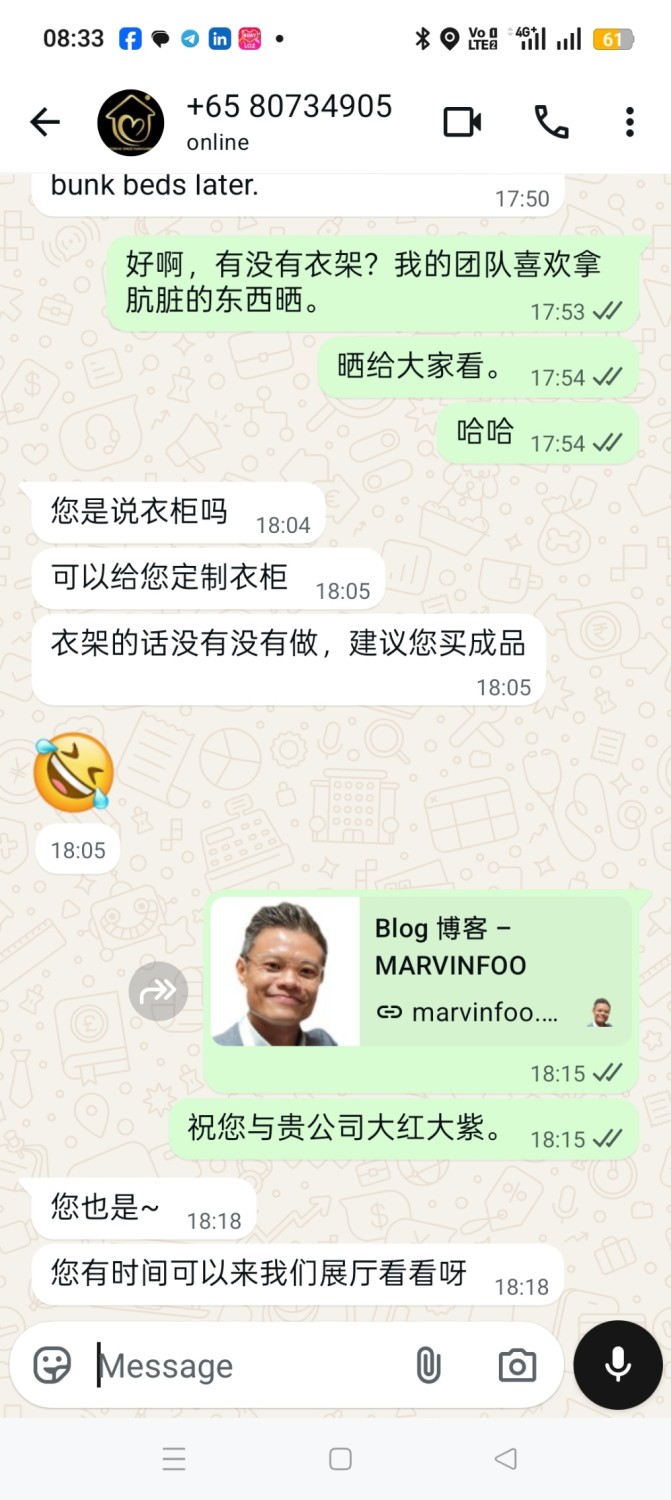
- Fast WhatsApp responses
- Structured consultation flows
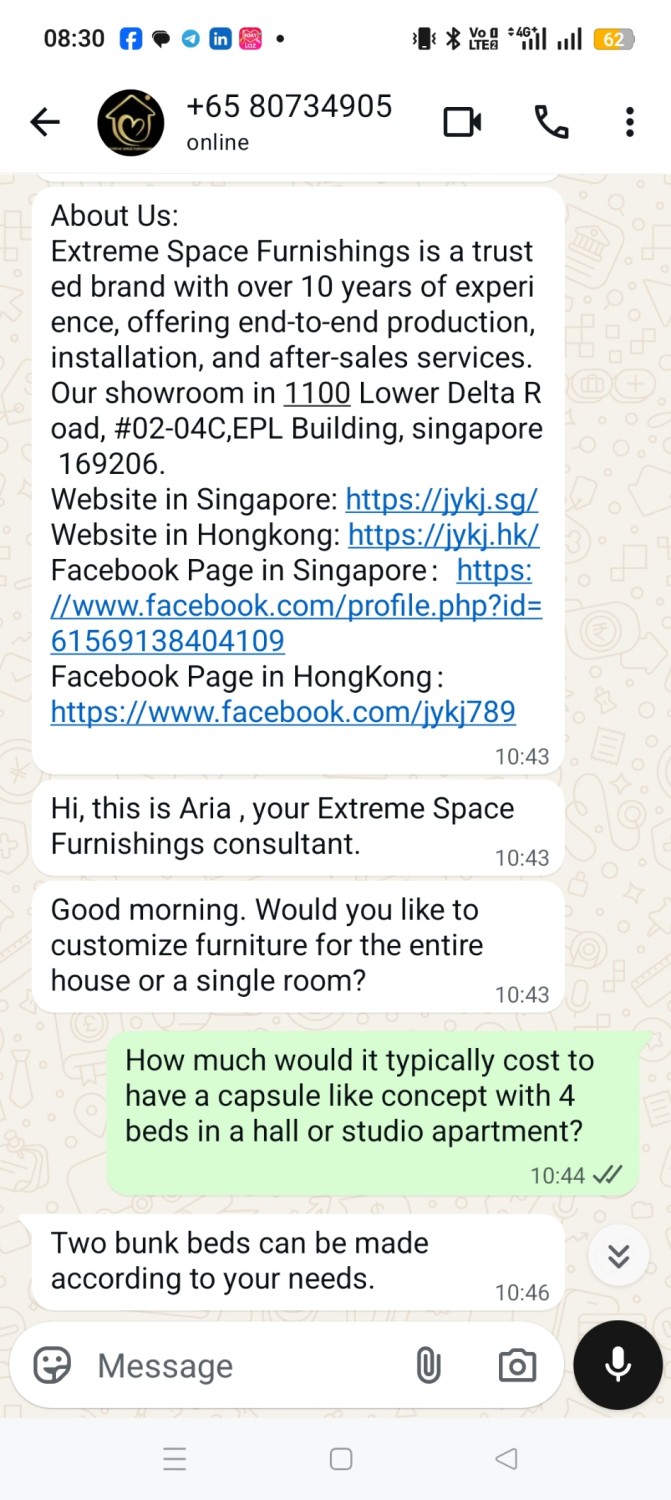
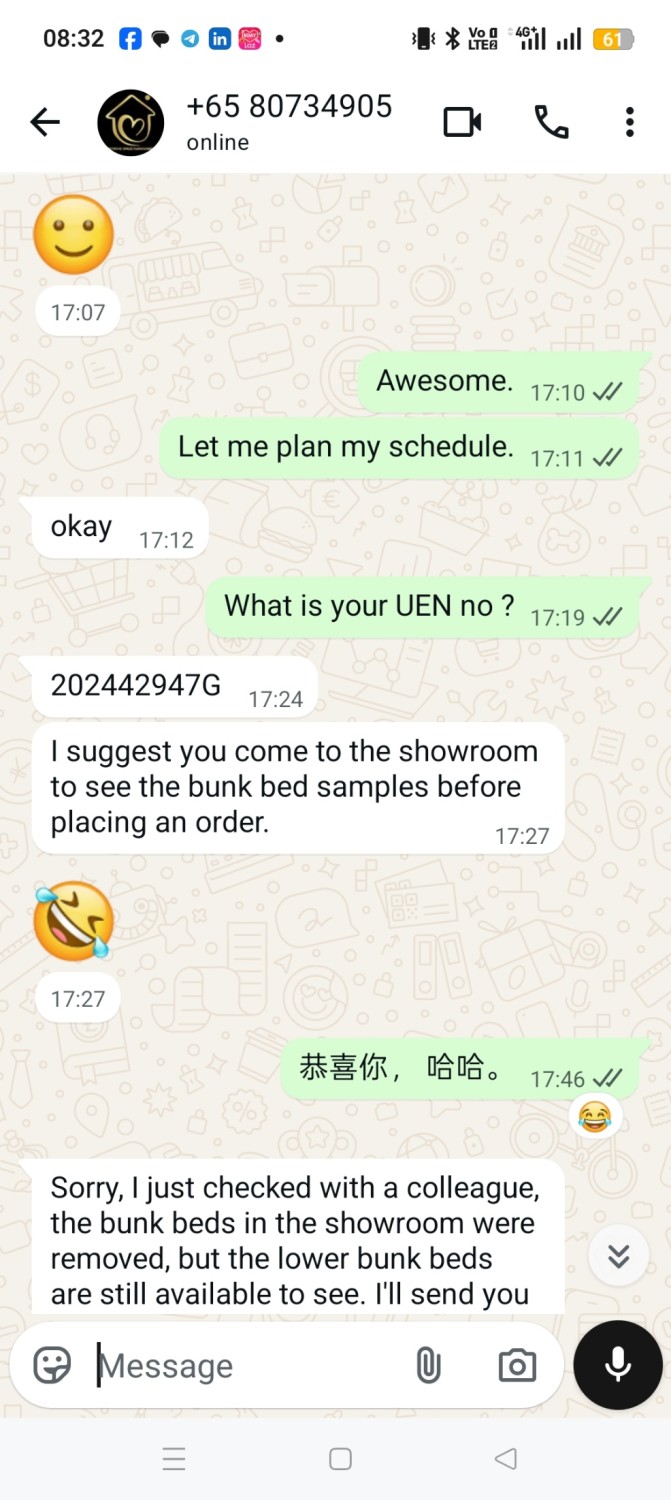
I conducted a mystery shopper exercise.
After searching:
- “HDB renovation”
- “Affordable interior design”
The algorithm began pushing targeted ads aggressively.
📱 The Funnel
The journey is consistent:
- Social media ad
- Attractive pricing hook
- Redirect to WhatsApp
Inside WhatsApp:
- Immediate replies
- Professional tone
- Consultative questioning
Everything feels legitimate.
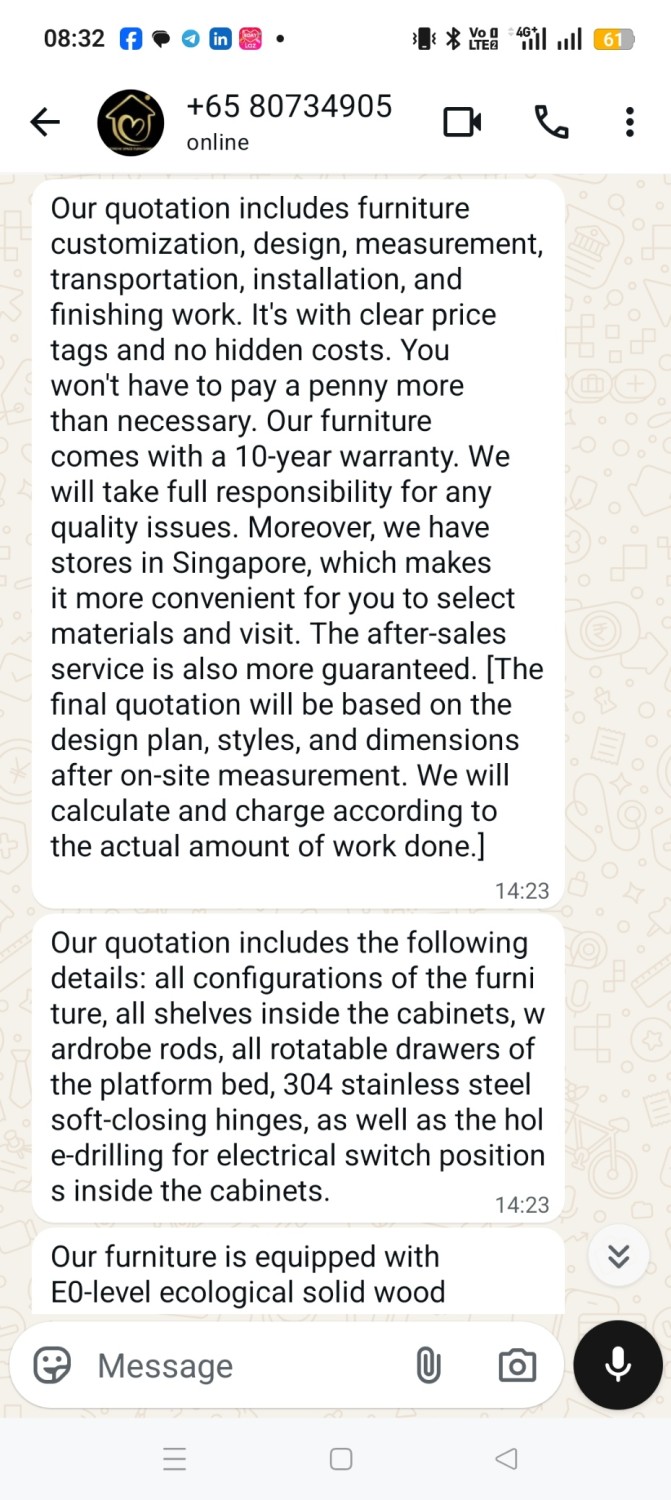
💰 The Pricing Gap
I requested a capsule-style concept.
Quotes received:
- ~$23,000 (market aligned)
- ~$6,000 (highly attractive, still somewhat believable)
The lower quote was justified by:
- “Direct factory sourcing”
- “Hong Kong standards”

⚠️ The Subtle Red Flags
Only upon deeper inspection:
- Vague quotation breakdown
- Missing scope clarity
- WhatsApp promises not reflected in writing
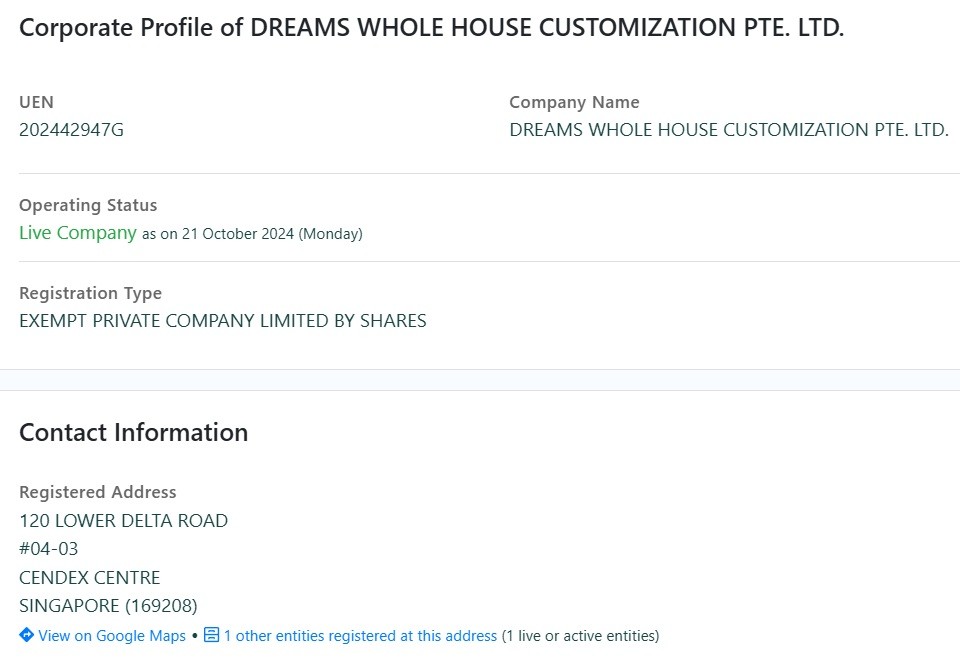
- Company name mismatch with UEN
- Showroom address different from registered address
Multiple brands appeared to operate from the same showroom.
Which raises a critical question:
When something goes wrong — who is legally responsible?
🎯 Who Is Being Targeted?
Patterns suggest alignment with:
- 2-room HDB owners
- Divorcees
- Single parents
These are groups that:
- Are price-sensitive
- Need fast solutions
- Trust structured proposals
But most importantly:
They have the least room for error.
⚖️ A Policy Gap We Already Solved — Elsewhere
In Singapore’s training sector:
SkillsFuture Singapore has already taken action.
Training providers are not allowed to use third-party sales agents.
Why?
Because authorities observed:
- Misrepresentation
- Over-promising
- Commission-driven selling
- Pressure tactics
The conclusion was clear:
When sales and accountability are separated, consumers are exposed.
🧠 The Parallel
Today in renovation:
- Third-party agents sell
- Companies distance liability
- Contracts do not reflect promises
The structure is identical.
Yet regulation is not.
🛠️ A Necessary Question
If consumer protection is important:
Why is this not extended to renovation and interior contracting?
💔 2. Sham Marriages — Survival or System Navigation?
Another stream of reader insights points to a sensitive issue:
Sham marriages.
Not only for immigration.
But increasingly:
As a workaround for survival.
Reported behaviours include:
- Paper marriages
- Strategic divorces
- Structured arrangements
To navigate:
- Housing eligibility
- Financial constraints
At the same time, a perception emerges:
- Some can navigate the system more effectively
- Enforcement feels uneven
Whether fully accurate or not is secondary.
Perception drives behaviour.
Once trust weakens:
People stop relying on systems. And start working around them.
🏫 3. Networks, Access — And the Quiet Inequality No One Talks About
Shortly after the passing of Lee Kuan Yew, a reader shared an observation.
It began with a simple conversation about:
👉 Primary school admissions
💬 The Conversation
Within a family setting, someone remarked:
“If you want to get into Chong Fu, just contribute to the clan.”
The school mentioned:
👉 Chong Fu Primary School
Highly sought after.
The tone was casual.
Confident.
👞 The Signals
At a later dinner:
Guests removed their shoes.
One pair stood out:
- Prada shoes
- Over $1,000
- Brand clearly visible
Then came a remark:
“These things… it’s normal. Part and parcel of how things work here.”
The context suggested:
- Informal payments
- Relationship-based access
Whether casual or serious:
Normalisation matters.

⚖️ A Contrasting Experience
Another reader shared her own attempt to enroll her child into:
👉 Chong Fu Primary School
She:
- Prepared a one-page formal letter
- Queued physically
- Met the school’s admissions representative
- Followed the official process
The outcome:
Rejected.
🧠 The Real Question
This is not about whether alternative pathways exist.
It is about:
When unofficial pathways produce outcomes that contradict official narratives of fairness.
Because then:
- One group follows process
- Another accesses networks
And both believe they are in the same system.
📊 Behaviour Beyond One Domain
Within the same social network:
- Discussions of coordinated stock trading
- Encouragement to open accounts
- Collective action
One spouse refused.
Others continued.
Eventually:
The law caught up.
🧠 What This Reveals
Not about any group.
But about what happens when:
- Internal trust is strong
- External accountability is weak
Over time:
Lines blur.
🏫 4. When Even Community Spaces Lose Structure
A reader shared observations at a community centre training kitchen:
- Utensils missing
- No inventory tracking
- Trainers told to “figure it out”
- Paper towels unavailable
Not major issues.
But telling.
Trust without systems eventually breaks down.
🍔 5. A Small Incident That Isn’t Small
A child from a financially vulnerable household received a McDonald’s coupon.
He was excited.
He wanted to treat his family.
At the outlet:
- Coupon failed
- App returned “403 Forbidden”
- Staff could not resolve
The family:
Spent more than planned to avoid disappointing the child.

🧠 What I Discovered
The promo code:
- Was not applied at checkout
- Hidden deep in the app
- Buried among 20–30 banners
- Only visible after scrolling
A savvy user:
Would not expect to find it there.
💔 Why It Matters
For most:
Minor inconvenience.
For some:
Emotional impact.
The child may feel:
“Did I cause this?”
🧠 Connecting the Dots
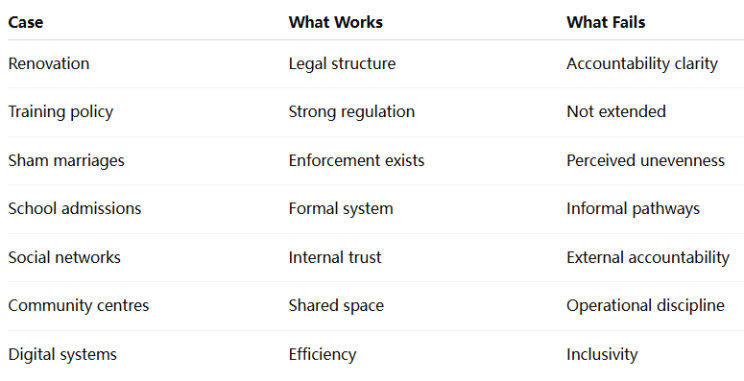
🧭 What Is Happening?
Singapore remains:
- Efficient
- Structured
- Respected
But beneath:
A gap is forming between system design and lived experience.
Where:
- Majority experiences efficiency
- Vulnerable experience friction
🛠️ What Needs to Be Considered
1. Extend Proven Safeguards
Apply third-party sales restrictions to renovation
2. Design for the Least Advantaged
Not just the average user
3. Strengthen Basic Systems
Inventory, accountability
4. Increase Transparency
If alternative pathways exist — make them clear
🔚 Final Reflection
A nation is not judged only by how systems function.
But by:
How fairly they are experienced — especially by those with the least margin for error.
Because trust does not collapse overnight.
It erodes:
Quietly. Gradually. Systematically.
Until one day:
People stop believing the system works for them.
If this resonates, perhaps the question is no longer:
“Do our systems work?”
But:
“Who do they truly work for?”
This article is also published on LinkedIn.
🧭 当系统运作良好——但人却被遗落
关于新加坡“信任裂缝”的一线观察
过去几个月,我陆续收到一些读者的分享。
这些内容:
不是单纯的犯罪, 不是单一的政策失误, 也不完全是不公。
但它们都指向一个更深层的问题:
在那些“看似运作良好”的系统中,信任正在悄然流失。
单独看,每个案例似乎都合理。 放在一起,却呈现出一个结构性现象。
这不是指控。
而是一种来自一线的观察。
🧱 1️⃣ 装修行业中的“合法骗局”
在装修与室内设计领域,一种新模式正在浮现。
表面上,一切都很专业:
- 精致的Instagram / Facebook广告
- 短视频营销
- 中英双语销售(甚至夹杂Singlish)
- WhatsApp快速回复
- 结构化咨询流程
我进行了一次“神秘顾客”测试。
搜索关键词:
- “HDB装修”
- “便宜室内设计”
很快,算法开始不断推送相关广告。
📱 销售漏斗
流程高度一致:
1️⃣ 社交媒体广告 2️⃣ 吸引人的低价 3️⃣ 引导至WhatsApp
进入对话后:
- 即时回复
- 专业语气
- 有逻辑的提问
一切看起来都很“真实”。
💰 价格差异
我提出一个空间设计需求。
收到报价:
- 约 $23,000(符合市场)
- 约 $6,000(极具吸引力)
低价解释为:
- “直接工厂采购”
- “香港标准”
⚠️ 隐藏的问题
深入后发现:
- 报价内容模糊
- 缺乏清晰范围说明
- WhatsApp承诺未写入合同
- 公司名称与UEN不一致
- 展厅地址与注册地址不同
甚至:
👉 多个品牌共用同一展厅
关键问题出现:
一旦出问题——谁负责?
🎯 被针对的群体
模式显示目标群体包括:
- 两房式HDB住户
- 离婚人士
- 单亲家庭
这些群体:
- 预算有限
- 时间紧迫
- 依赖信任
但最重要的是:
他们最承受不起出错。
⚖️ 我们其实早有解决方案(在另一个行业)
在培训行业:
SkillsFuture 已明确规定:
禁止使用第三方销售代理推广课程
原因:
- 防止误导
- 避免过度承诺
- 确保责任明确
🧠 对比现实
装修行业却存在:
- 第三方销售
- 公司与销售分离
- 承诺与合同不一致
结构几乎相同。
监管却不同。
🛠️ 一个关键问题
如果保护消费者是重要的:
为何不将此政策延伸至装修行业?
💔 2️⃣ “假结婚”:生存策略还是制度套利?
另一批读者提到一个敏感现象:
假结婚。
不仅仅为了移民。
更是:
一种生存方式。
包括:
- 形式婚姻
- 纸面离婚
- 结构性关系
目的:
- 住房资格
- 经济压力
同时,一种认知正在形成:
- 有资源者更容易操作系统
- 执法似乎不均
是否完全属实并不重要。
关键在于——人们开始这样相信。
一旦如此:
人们不再信任制度, 而是开始绕开制度。
🏫 3️⃣ 网络、人脉与“隐形的不公平”
在 李光耀 逝世后的几年,一位读者分享了一段经历。
从一场关于:
👉 小学入学申请(Primary School Admission)
的对话开始。
💬 咖啡桌上的话
家庭成员讨论:
- 小学报名
- 如何进入名校
其中一人说:
“要进崇福(Chong Fu),给会馆钱就可以了。”
语气自然。
仿佛常识。
👞 晚餐中的信号
一次晚餐中:
进门脱鞋。
一双鞋特别显眼:
- Prada名牌
- 超过千元
- 品牌清晰
随后一句话:
“这些很正常,这里就是这样运作的。”
语境涉及:
- 非正式金钱
- 人脉操作
⚖️ 完全不同的现实
另一位读者分享:
她也申请:
👉 崇福小学(Chong Fu Primary School)
她:
- 准备正式一页申请信
- 排队
- 与校方会面
- 按流程申请
结果:
被拒绝
🧠 核心问题
问题不在于是否存在其他路径。
而在于:
当结果与“公平叙事”不一致。
于是:
- 一部分人走流程
- 一部分人走关系
却在同一系统中。
📊 行为延伸
同一圈子中:
- 协同炒股
- 集体操作
有人退出。
有人继续。
最终:
法律介入。
🧠 说明了什么?
不是关于某个群体。
而是:
当内部信任强、外部约束弱时的结果。
🏫 4️⃣ 社区空间的“微裂缝”
社区中心厨房:
- 器具遗失
- 无库存系统
- 物资不足
不是大问题。
但说明:
没有制度支撑的信任,会崩。
🍔 5️⃣ 一个“小事件”,却不小
一个来自弱势家庭的孩子,拿到优惠券。
很开心。
想带家人去吃。
结果:
- 优惠券无法使用
- App报错
- 员工无法解决
家人只好多花钱。
🧠 系统设计问题
优惠码:
- 不在结账页面
- 被隐藏
- 操作不直观
💔 为什么重要
对多数人:
小问题。
对部分人:
情绪冲击。
孩子可能会想:
“是不是我害的?”
🧠 总结
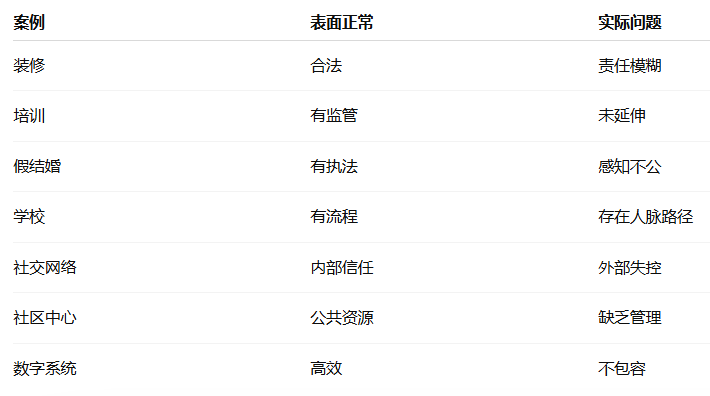
🧭 正在发生什么?
新加坡依然:
高效、稳定、先进。
但底层:
制度与体验之间出现裂缝。
🛠️ 我们需要思考
1️⃣ 政策延伸
2️⃣ 包容性设计
3️⃣ 基础管理
4️⃣ 透明机制
🔚 最后的思考
一个国家的价值,
不只是系统是否运作。
而是:
是否被每一个人公平地感受到。
因为信任不会突然崩塌。
它会:
慢慢流失, 悄悄削弱, 直到某一天——
人们不再相信系统是为他们而设。
![[Singapore National Employers Federation (SNEF) 财政预算案2025 华文座谈会 | 听见华商的声音,迈向更好的未来]](https://marvinfoo.com/wp-content/uploads/2025/03/IMG_20250310_173102-768x1013.jpg)