#125 Living With Dignity — Or Living Under Systems? 🔥 在尊严中生活,还是在制度之下生存?
Singapore is known for efficiency, order, and strong institutions.
But a deeper question is emerging:
Are our systems preserving dignity — or enforcing compliance?
Recent developments surrounding the Han Hui Hui case have sparked debate.
Children were removed. Statements were issued. A narrative was established.
But when we step back, this is not just one case.
🧭 When to Intervene — And When Not To
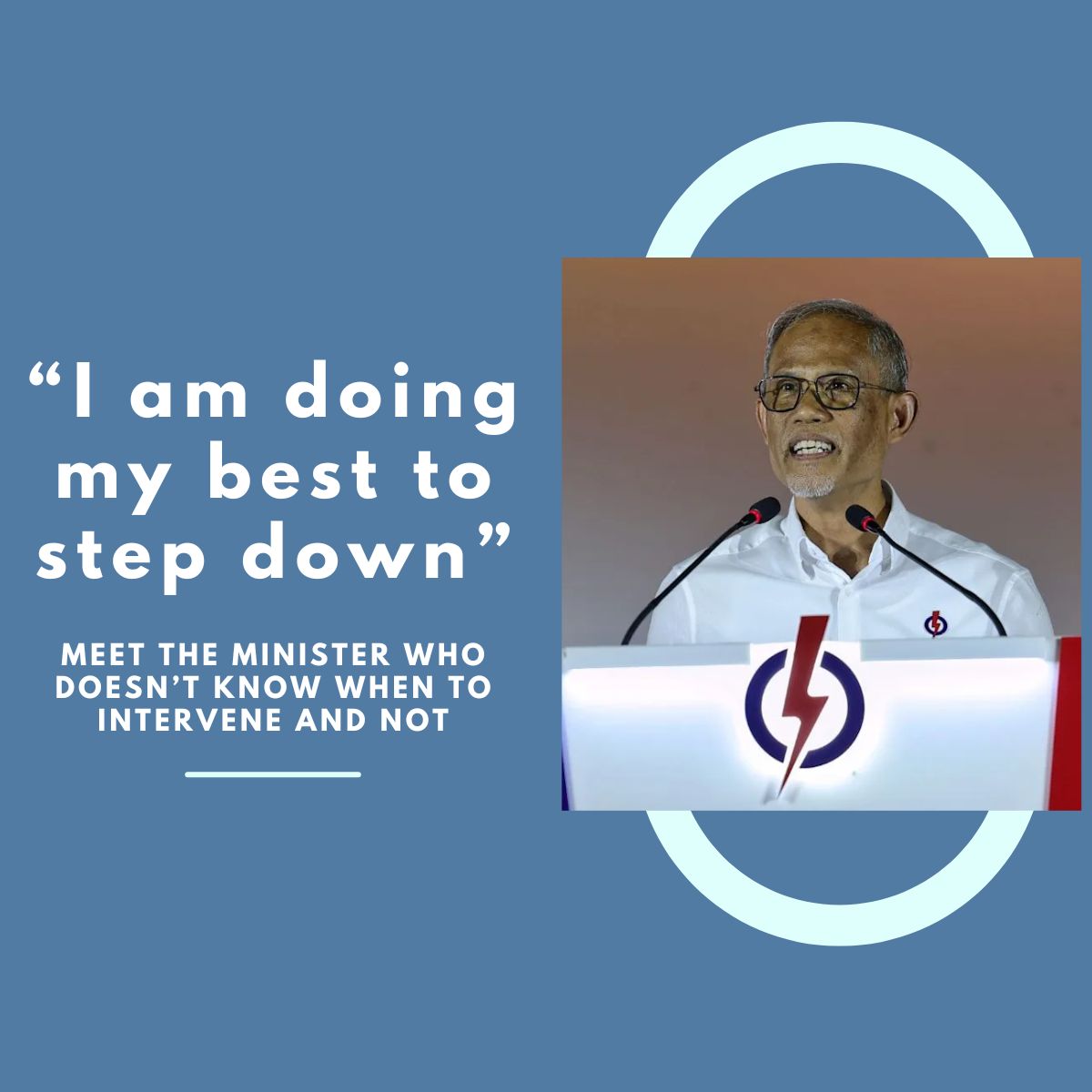
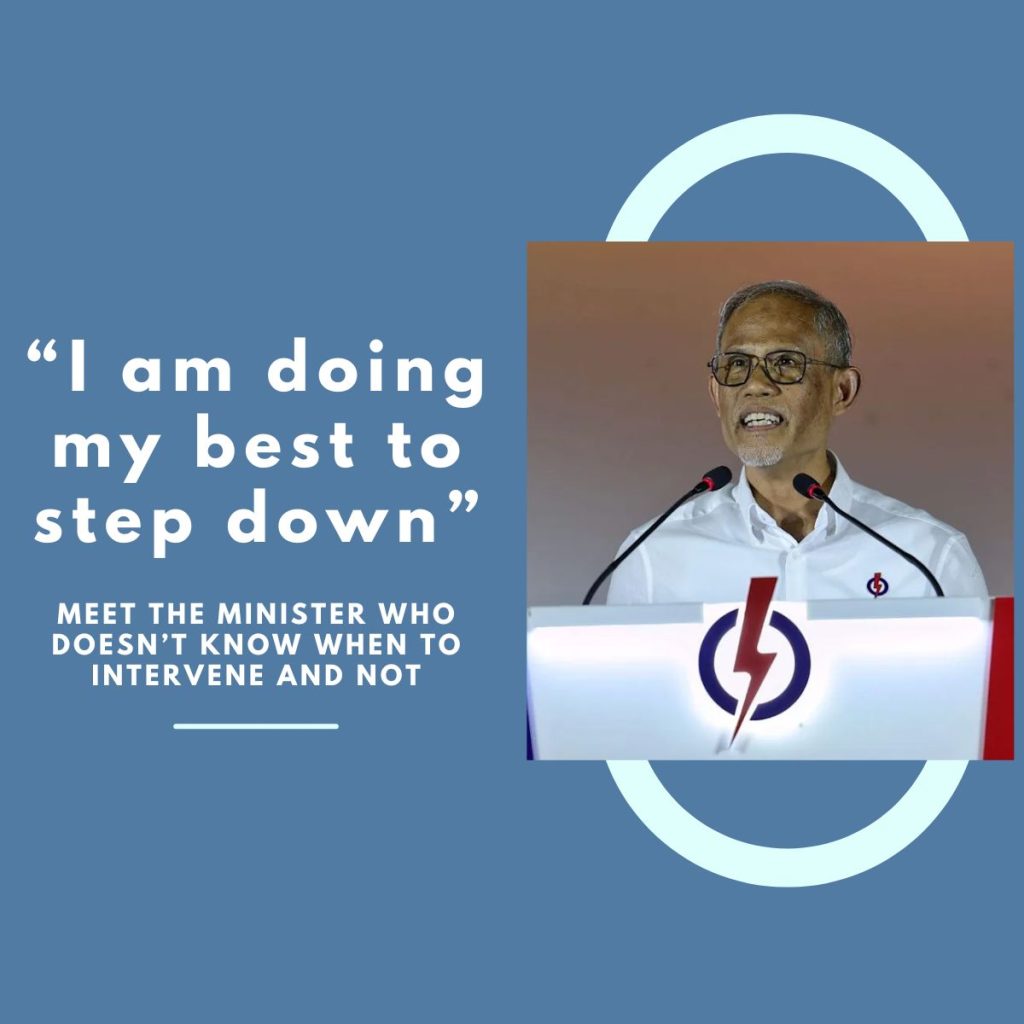
At the centre of this conversation is the role of Masagos Zulkifli, whose ministry oversees child protection and family welfare.
The challenge is not simple.
Because Singapore has seen both extremes:
⚠️ When the system did NOT intervene enough
In the tragic case of Megan Khung:
- Warning signs were present
- Intervention did not come in time
- A life was lost

⚠️ When the system MAY be perceived to intervene too strongly
In the recent Han Hui Hui case:
- Children were removed
- Institutional custody was applied
- A public narrative was enforced

🔴 The Real Difficulty
The hardest question for any social system is this: Where is the line between protection and overreach?
And this is not something policy alone can solve.
🧠 Because Social Work Is Not Mechanical
Social work is not:
- A checklist
- A compliance exercise
- A risk-scoring model
It is:
- Human
- Emotional
- Context-dependent
⚠️ Certifications Are Not Enough
We often assume:
- Training = capability
- Certification = competence
But in reality:
Family and social cases require something deeper
- Emotional intelligence
- Judgment under ambiguity
- Cultural sensitivity
- De-escalation skills
- The ability to build trust with resistant individuals
🔗 Back to Han Hui Hui’s Case
One detail stands out:
A family assessor reportedly declined to proceed with an interview because:
👉 She was recording the session
At first glance, this may seem non-cooperative.
But ask:
Why would someone feel the need to record?
Because trust may already be broken.
Because there is fear that:
- Words may be reframed
- Narratives may be constructed
- Labels may follow
🔁 When Trust Breaks, Systems Escalate
Mistrust → Self-protection → Seen as resistance → Escalation → Labels → More mistrustAnd once labels are applied, they are hard to reverse.
🧓 What We Are Seeing on the Ground
This is not isolated.
I received several accounts:
1. Elderly Trainer (Community Centre)
- Reprimanded for adapting with handwritten attendance
- Instead of being supported
2. Elderly Woman & Domestic Helper
- Told to “go and die” (allegedly)
- Could not change helper due to agency constraints
- Helper accountable to employer (son), not elderly
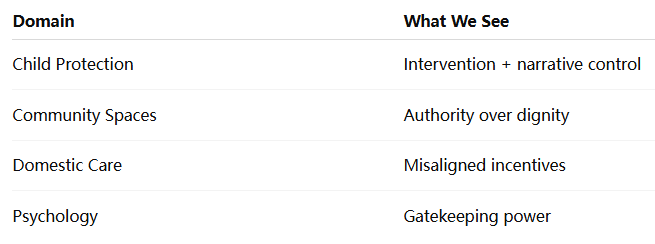
👉 System design misalignment 👉 Vulnerable person has the least power
3. Psychology Gatekeeping
- Qualified professionals excluded
- Authority concentrated
- Limited transparency
⚖️ A Pattern Emerges
🧭 This Is Not a Resource Problem
Singapore has:
- Capable officers
- Strong institutions
- Clear frameworks
❗ This Is a Leadership & System Design Problem
The real issue is:
How power is exercised — and how trust is maintained
👥 The Forgotten Group: Social Workers Themselves
There is another side we must not ignore.
Many social workers:
- Enter the field with compassion
- Carry emotional burdens daily
- Face complex, high-stakes decisions
But:
- They may be overworked
- Emotionally drained
- Operating under pressure
⚠️ If We Do Not Care for Them — They Cannot Care Well
A burnt-out social worker becomes procedural. A supported social worker remains human.
Good social workers:
- Feel responsible for their cases
- Carry emotional weight home
- Struggle between policy and empathy
🔴 Leadership Responsibility
This is where leadership matters.
Leaders must:
- Protect not just systems — but the people within them
- Ensure social workers: Are not overburdened Are psychologically supported Have space for judgment, not just compliance
🔥 Because Without This…
Systems become:
- Rigid
- Defensive
- Label-driven
Instead of:
- Supportive
- Adaptive
- Human
🧾 Final Reflection
A system is efficient when it enforces rules. A society is just when it preserves dignity while doing so.
Singapore has built strong systems.
The next step is harder:
Building systems that people can trust — especially when they are at their weakest.
🧠 Closing Question
When someone resists a system — is it defiance?
Or is it:
A signal that trust has already been lost?
This article is also published on LinkedIn.
🔥 在尊严中生活,还是在制度之下生存?
新加坡以高效、有序和强大的制度著称。
但一个更深层的问题,正在浮现:
我们的制度,是在守护人的尊严,还是在执行合规?
近期围绕 韩慧慧 的事件,引发了广泛讨论。
孩子被带走。 官方发声。 叙事迅速形成。
但如果我们退一步看,这并不只是一个个案。
🧭 什么时候该介入?什么时候不该?
这一切的核心,在于 马善高 所领导的体系。
问题并不简单。
因为新加坡曾经经历过两个极端:
⚠️ 当制度没有及时介入
在 梅根·孔 的悲剧中:
- 警讯早已存在
- 介入未能及时发生
- 最终酿成无法挽回的后果
⚠️ 当制度可能被感知为过度介入
在最近的韩慧慧事件中:
- 孩子被带离家庭
- 被安排至机构环境
- 官方叙事迅速确立
🔴 真正的难点在这里
对任何社会体系而言,最困难的问题从来都是: 保护与越界之间的界线在哪里?
而这个问题,不是靠制度条文就能解决的。
🧠 因为社会工作,不是机械操作
社会工作不是:
- 一套流程
- 一张表格
- 一个风险评分模型
它是:
- 人性的
- 情绪的
- 高度情境化的
⚠️ 证书,不等于能力
我们常常假设:
- 有培训 = 有能力
- 有认证 = 有判断力
但现实是:
家庭与社会个案,要求的是更深层的能力
包括:
- 情绪智商(EQ)
- 模糊情境下的判断力
- 文化敏感度
- 降温与沟通能力
- 与不信任对象建立信任的能力
🔗 回到韩慧慧的关键细节
有一个细节值得深思:
据称,一位家庭评估员因韩慧慧录音而拒绝继续访谈。
表面上看,这似乎是不配合。
但我们应该问:
一个人为什么会选择录音?
往往不是对抗。
而是一个信号。
一个说明:
- 信任已经破裂
- 担心被误解
- 害怕被“重新叙述”
尤其是在过往互动中,如果当事人感受到:
- 说的话被扭曲
- 情境被简化
- 标签被提前贴上
🔁 当信任破裂,系统就开始升级
不信任 → 自我保护(录音等) → 被视为不配合 → 升级处理 → 被标签化 → 更深的不信任一旦被贴上标签,就很难再翻身。
🧓 我们在基层看到的情况
这并非孤例。
我收到几则读者分享:
1️⃣ 社区中心的年长导师
一位行动不便的年长导师:
- 因手写记录出席名单
- 被工作人员当众指责
原因只是:没有使用打印名单(但名单已遗失)
👉 问题不在制度 👉 而在权力如何被使用
2️⃣ 长者与外籍看护的困境
一位行动不便的长者分享:
- 被看护(女佣)辱骂:“去死”
但她无法更换看护,因为:
- 中介通常只提供一次更换机会
- 她不想把事情闹大
- 看护更在意“雇主”(她的儿子),而不是她本人
这里存在一个结构性矛盾:
👉 看护是照顾长者的 👉 但法律上只对雇主负责
在 新加坡人力部 的制度下:
- 雇主通常是子女
- 而非真正接受照护的长者
👉 最脆弱的人,反而最没有话语权
当然,我们也必须保持平衡:
- 不同世代存在价值观差异
- 看护也承受压力与适应挑战
👉 现实往往存在两个版本的故事
但当制度无法有效纠偏时:
尊严,就变成了可被牺牲的变量
3️⃣ 心理专业的“圈层化”
一位拥有国际认证的心理从业者分享:
- 无法进入本地体系
- 被主流群体排除
问题随之出现:
谁有权定义“心理健康”?
更重要的是:
谁来监督这些“评估他人”的专业人士?
⚖️ 一个清晰的模式正在浮现
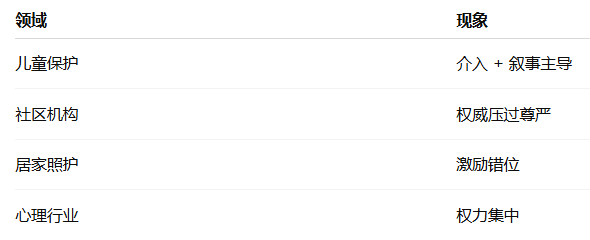
🧭 这不是资源问题
新加坡不缺:
- 专业人才
- 制度设计
- 执行能力
❗ 这是一个“信任结构”的问题
真正的问题是:
权力如何被使用,以及是否被制衡
👥 我们也不能忽视:社会工作者本身
很多社会工作者:
- 初衷是帮助他人
- 承担巨大情绪负担
- 面对复杂与高风险决策
但现实是:
- 他们可能被过度工作
- 情绪被耗尽
- 在制度与人性之间挣扎
⚠️ 如果他们被耗尽,他们就无法再“人性化”
一个疲惫的社工,会变得流程化。 一个被支持的社工,才能保持温度。
好的社工:
- 会为个案负责
- 会把压力带回家
- 会在规则与同理之间挣扎
🔴 这正是领导层的责任
领导者必须:
- 不只是管理制度
- 也要保护执行制度的人
包括:
- 合理工作负荷
- 心理支持
- 判断空间
🔥 否则,制度将变成什么?
- 僵化
- 防御性强
- 以标签为导向
而不是:
- 支持性
- 灵活
- 以人为本
🧾 最后的思考
一个制度的高效,在于它执行规则的能力。 一个社会的公正,在于它执行规则时,是否保留人的尊严。
新加坡已经建立了强大的制度。
下一步,更难:
建立一个人们愿意信任的制度——尤其是在他们最脆弱的时候。
🧠 最后一个问题
当一个人开始抗拒制度, 是因为他在对抗?
还是因为:
他已经不再相信制度?
![#38 [🌿 Spiritual Leadership]神域的平常心,凡间的日常行 – 胡马宾 A Divine Calmness in the Mundane World – Mar Vin, Foo](https://marvinfoo.com/wp-content/uploads/2025/06/ChatGPT-Image-Jun-12-2025-06_24_30-AM-768x512.jpg)