
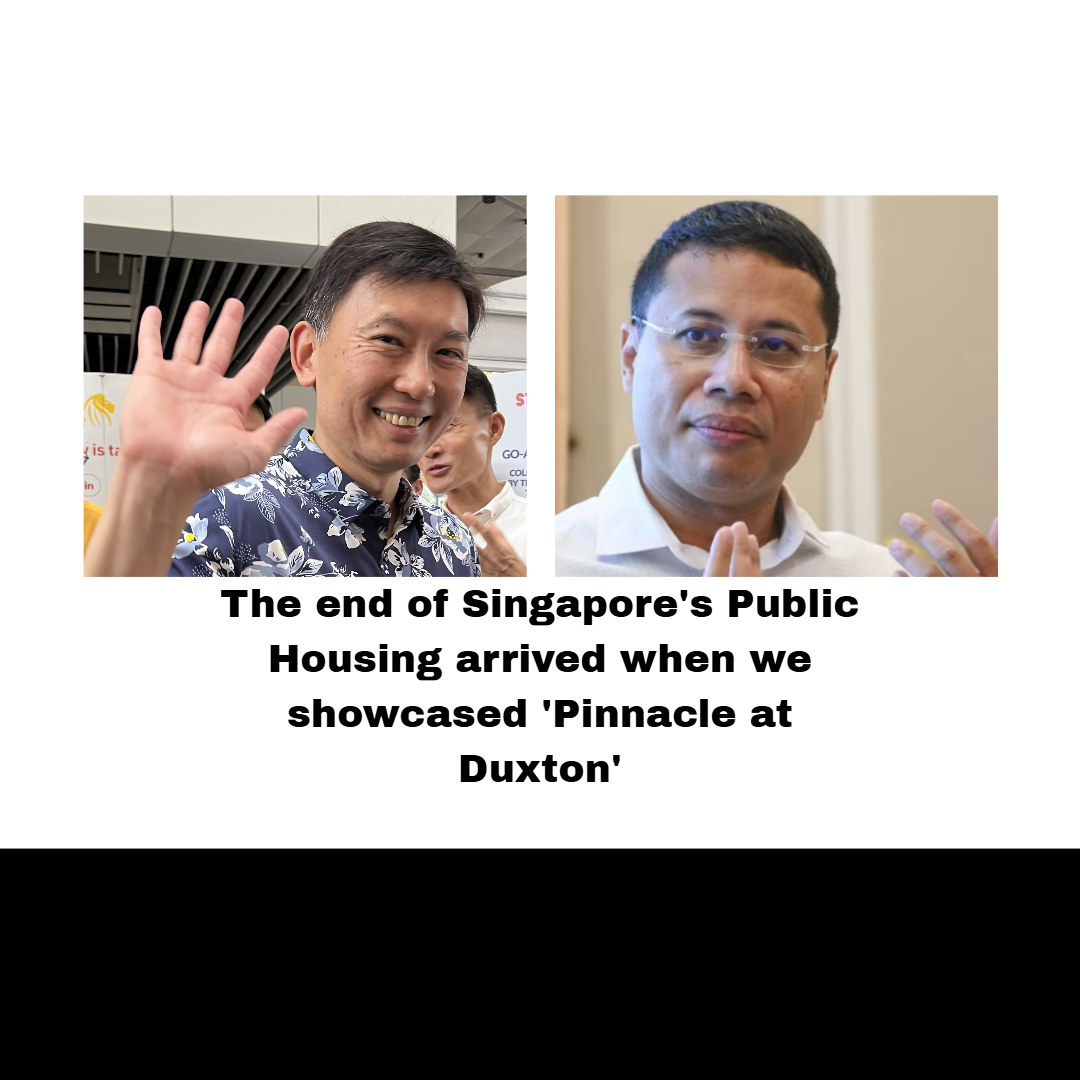
#120 Reality vs Reputation: Is the Housing Development Board Losing Its Way? 建屋发展局是否正在迷失方向?
Reality vs Reputation: Is the Housing Development Board Losing Its Way?
Singapore’s Housing & Development Board (HDB) was once a global benchmark for public housing excellence.
It built a nation.
It housed over 80% of the population.
It engineered social cohesion through town planning that the world studied.
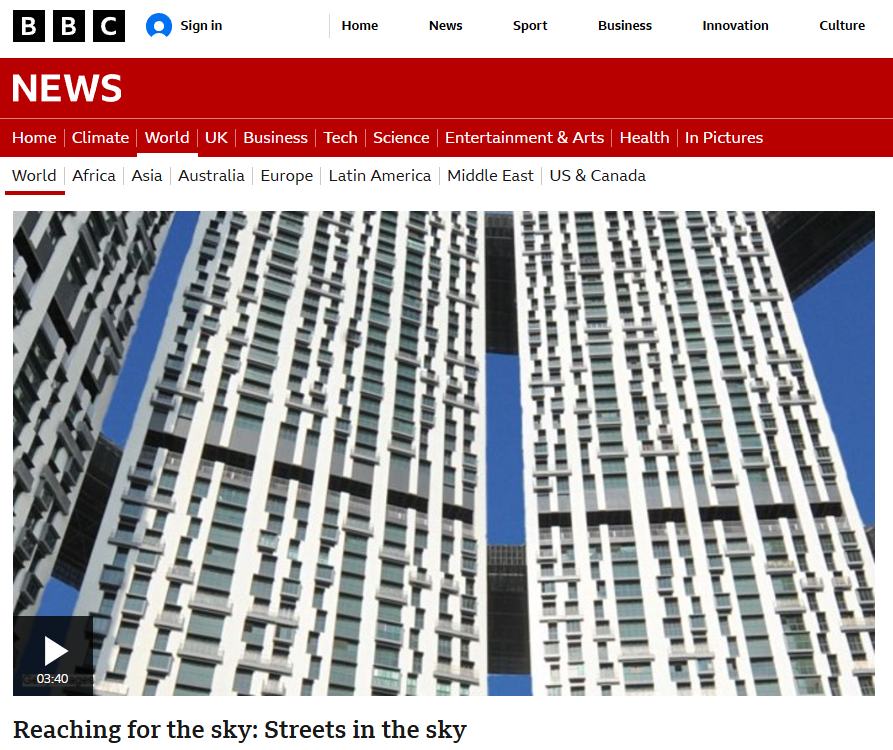
And at its symbolic peak stood The Pinnacle@Duxton — a project that made international headlines and was featured by global media including outlets such as BBC and CNN as a case study of how public housing could rival private condominiums.
But today, something feels different.
From Global Showcase to Million-Dollar HDB Flats
When The Pinnacle@Duxton was launched, it symbolised aspiration. Sky gardens. Iconic architecture. Central Business District proximity.
Today, million-dollar HDB transactions are no longer rare — not just at Duxton, but across mature estates and even heartlands.
Recent headlines have documented:
- Million-dollar resale flats in Toa Payoh
- Five-room flats crossing $1M in Queenstown
- Executive flats and maisonettes hitting record highs in Bishan
- Yishun and other far-flung estates approaching unprecedented price levels
In fact, Yishun — once perceived as peripheral — has seen resale flats breach record territory, reflecting a broader inflationary trend across public housing.
Public housing was designed for affordability and accessibility.
When multi-million-dollar flats become normalised, we must ask:
Is HDB still serving its foundational mandate?
Prime & Plus: Policy Innovation or Market Misread?
Under former National Development Minister Desmond Lee, HDB introduced the Prime and Plus categories — an attempt to recalibrate subsidies and impose tighter resale conditions for centrally located flats.
On paper, the reforms aimed to:
- Preserve affordability
- Prevent windfall gains
- Introduce longer Minimum Occupation Periods (MOP)
- Claw back subsidies upon resale
However, recent BTO exercises revealed subscription rates under 1.0 in certain projects — meaning supply exceeded demand.
The narrative presented publicly?
“All first-timers secured their choice units.”
Technically accurate.
But does that reflect strong demand — or weakening confidence?
If Prime and Plus flats were truly attractive propositions, why would subscription ratios fall below equilibrium levels?

Leadership Transition — And Service Deterioration?
Since Chee Hong Tat took helm of the Ministry of National Development portfolio, concerns appear to be mounting — particularly around service standards.
As of 1 March 2026, HDB’s general hotline (6490-1111) has been discontinued.
Customers are now directed to:
- HDB e-Services
- Dedicated branch hotlines
- Online channels
In theory, digitisation improves efficiency.
In practice?
Readers report:
- Calling HDB 20 times after receiving a missed call — with no response
- Being told walk-in enquiries are not accepted without prior appointment
- Counter staff refusing service without digital booking
Imagine a public agency that:
- Reduces phone accessibility
- Restricts physical walk-ins
- Channels enquiries selectively online
Digital transformation should increase access — not narrow it.
When Process Overrides Compassion
More troubling are the procedural rigidity cases emerging:
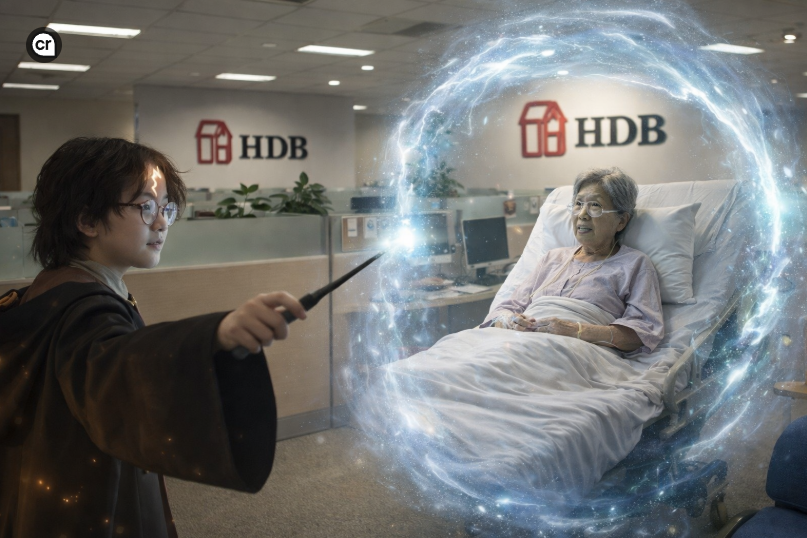
• A bed-ridden elderly mother reportedly required to appear physically at HDB to give consent.
• A divorced parent with shared care and control (court-ordered) told the ex-spouse must be physically present to consent before purchase of a flat.
• A staff allegedly saying to a reader: “Can you don’t inform Ministry of Law?”
If accurate, these accounts raise uncomfortable questions:
- Does HDB override court orders?
- Does it impose internal policy above judicial rulings?
- Is discretion being exercised — or avoided?
We are living in a digital age of Singpass authentication, video verification, and e-consent frameworks.
Why insist on rigid manual appearances in exceptional hardship cases?
A Wider Pattern?
The trajectory appears paradoxical:
- Million-dollar resale flats proliferate
- Prime/Plus projects under-subscribe
- Hotline discontinued
- Walk-ins restricted
- Procedural rigidity increases
Meanwhile, response times reportedly decline.
The agency that once built towns with community as its backbone now risks becoming administratively distant.
The Pinnacle Paradox
The Pinnacle@Duxton was meant to demonstrate that public housing could achieve excellence without sacrificing inclusivity.
Instead, it may have unintentionally normalised the idea that public housing can — and should — command private market premiums.
When public housing becomes an asset class first and a social stabiliser second, distortions follow.
The Question That Matters
HDB is not just a statutory board.
It is the backbone of Singapore’s social contract.
If confidence erodes — not because of architecture, but because of:
- Access
- Fairness
- Responsiveness
- Compassion
Then the issue is no longer housing supply.
It becomes governance quality.
Singapore’s public housing miracle was built on:
Pragmatism. Accessibility. Rule of law. Administrative excellence.
If citizens now feel unheard, unseen, or procedurally cornered, then reform is not optional — it is urgent.
The world once studied HDB as a model.
The question today is:
Will Singapore study it again — this time as a cautionary tale?
If you have experienced challenges with HDB — particularly regarding Prime/Plus schemes, consent procedures, or accessibility — I welcome constructive dialogue.
Public institutions improve not through silence, but through scrutiny.
This article is also published on LinkedIn.
现实与声誉:建屋发展局是否正在迷失方向?
新加坡的 Housing & Development Board(建屋发展局,HDB)曾经是全球公共住房的典范。
它建设了一个国家。 它安置了超过80%的人口。 它通过精密的城镇规划塑造了社会凝聚力,成为世界研究的样本。
而在象征性的巅峰之作——The Pinnacle@Duxton——更是登上国际媒体版面,被 BBC、CNN 等全球媒体报道,誉为“媲美私人公寓的公共住房典范”。
然而今天,情况似乎正在发生变化。
从全球标杆到百万新元组屋
当 Pinnacle@Duxton 落成时,它象征着一种理想—— 空中花园、地标式建筑设计、紧邻中央商业区。
如今,百万新元组屋交易已不再罕见——不仅在市中心的 Duxton,在成熟组屋区,甚至远至心脏地带也频频出现。
媒体近期报道显示:
- 大巴窑百万组屋成交
- 女皇镇五房式突破百万
- 碧山公寓式组屋创纪录
- 远至 Yishun 亦出现高价成交
公共住房原本的核心使命,是“可负担”与“可及性”。
当“百万组屋”成为常态,我们必须问:
建屋发展局是否仍然忠于其创立初心?
Prime 与 Plus:政策创新还是市场误判?
在前国家发展部长 Desmond Lee 任内,HDB 推出了 Prime 与 Plus 分类制度,试图通过:
- 延长最低居住年限(MOP)
- 加强补贴回收机制
- 限制转售条件
来抑制“风fall收益”,维持公平性。
政策初衷值得肯定。
然而,近期部分项目出现 认购率低于1.0 的情况——即供应多于需求。
官方的叙述是:
“所有首次购房者都获得了心仪单位。”
这在技术上无误。
但问题是:
这反映的是成功,还是市场信心下降?
若 Prime 与 Plus 真具吸引力,为何需求未达预期?
领导更迭与服务质量下降?
自 Chee Hong Tat 接掌相关发展事务后,公众对服务标准的质疑似乎增加。
自 2026年3月1日起,HDB 总热线(6490-1111)正式取消。
公众被引导至:
- HDB 电子服务
- 各分行专线
- 在线渠道
理论上,数字化应提高效率。
现实中,读者反映:
- 接到HDB来电后回拨20次无人接听
- 无预约不得现场咨询
- 柜台拒绝无预约办理
一个公共机构:
- 取消总热线
- 限制现场接待
- 主要通过线上筛选
这真的是“数字转型”吗?
还是“降低可达性”?
当程序凌驾于人性
更令人担忧的是以下个案:
- 一位卧病在床的母亲被要求亲自到场签署同意
- 一名拥有法院判定“共同监护及共同照料”的家长,被要求前配偶必须到场同意
- 有工作人员对读者表示:“你可以不要通知律政部吗?”
如果属实,这些情况引发严肃问题:
- HDB 是否凌驾于法院裁决之上?
- 内部政策是否优先于法律精神?
- 是否缺乏酌情权与人性化判断?
在 Singpass 电子验证、视频认证、电子签署广泛应用的时代,
为何仍坚持僵化的线下亲自到场程序?
更大的结构性问题?
目前呈现出一个矛盾现象:
- 百万组屋普遍化
- Prime/Plus 项目认购不足
- 热线取消
- 现场咨询限制
- 回应效率下降
曾经以“以民为本”著称的建屋发展局,
是否正变得行政化、机械化?
Pinnacle 的悖论
Pinnacle@Duxton 原本是向世界展示:
公共住房也可以卓越。
但如今,它似乎成为“资产化公共住房”的象征。
当公共住房从“社会稳定器”转向“资产投资工具”,
结构性扭曲便难以避免。
真正需要思考的问题
建屋发展局不仅是一个法定机构。
它是新加坡社会契约的核心。
如果民众对它的信心因以下因素动摇:
- 可达性
- 公平性
- 回应效率
- 人性化处理
那么问题已不只是“供应量”。
而是“治理质量”。
新加坡公共住房的成功建立在:
务实。 可及。 法治。 高效行政。
若民众开始感到:
听不到回应、 得不到协助、 被程序压迫、 被制度忽视,
那么改革已不再是选择,而是必须。
世界曾研究 HDB 作为成功典范。
今天的问题是:
未来是否会有人将其研究为一个反面教材?
如果你在 Prime/Plus 机制、组屋审批流程、或与 HDB 沟通中遇到困难,欢迎理性交流。
公共制度的进步,不来自沉默,而来自监督与讨论。
此刊文也发布在领英社交媒体,LinkedIn.
![🙋♂️💕🌿 [MENTORSHIP | GROWTH | WELLNESS]](https://marvinfoo.com/wp-content/uploads/2025/03/IMG_20250328_061315-768x406.jpg)

![[Satire] Meritocracy, Dynasties & The Curious Case of the Lee Clan](https://marvinfoo.com/wp-content/uploads/2025/03/image-22-768x1022.jpeg)