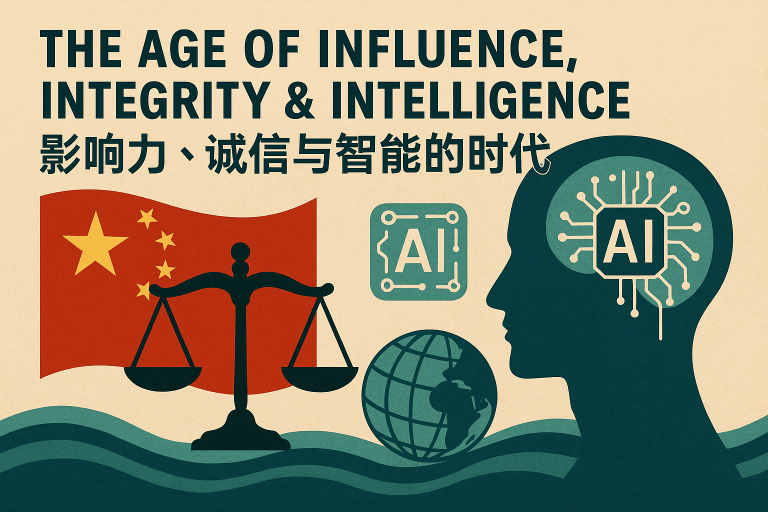
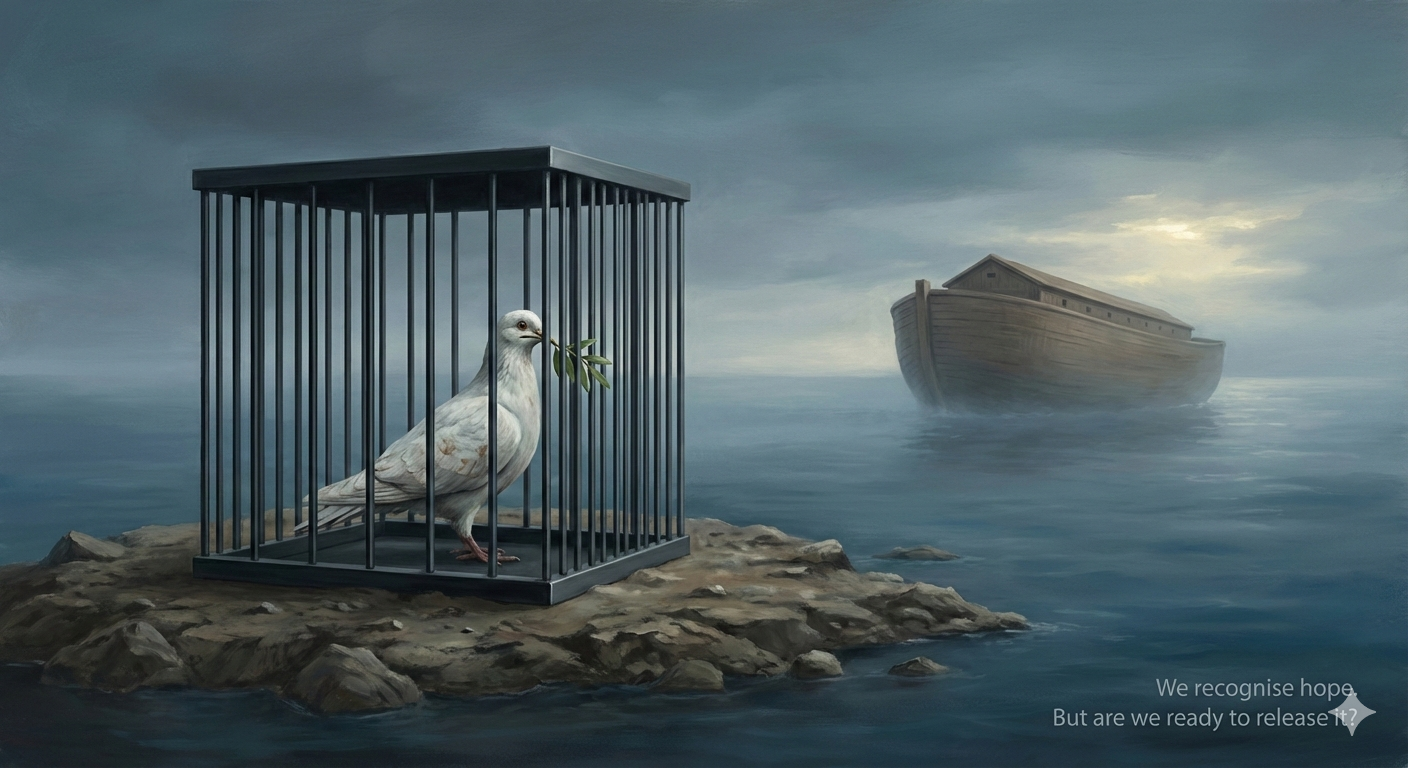
#108 Healing Our Home: When East Meets West, and Compassion Is Still Conditional 疗愈我们的家园:当东西方相遇,而慈悲依然是有条件的
Singapore is often admired as a city that works — clean, efficient, orderly. Yet beneath this polished surface lies a quieter question that refuses to go away:
What does it mean to be truly civilised?
Is civilisation measured by how spotless a city appears — or by how it treats those who live at its margins: animals, women, ecosystems, and people who do not fit neatly into approved categories?
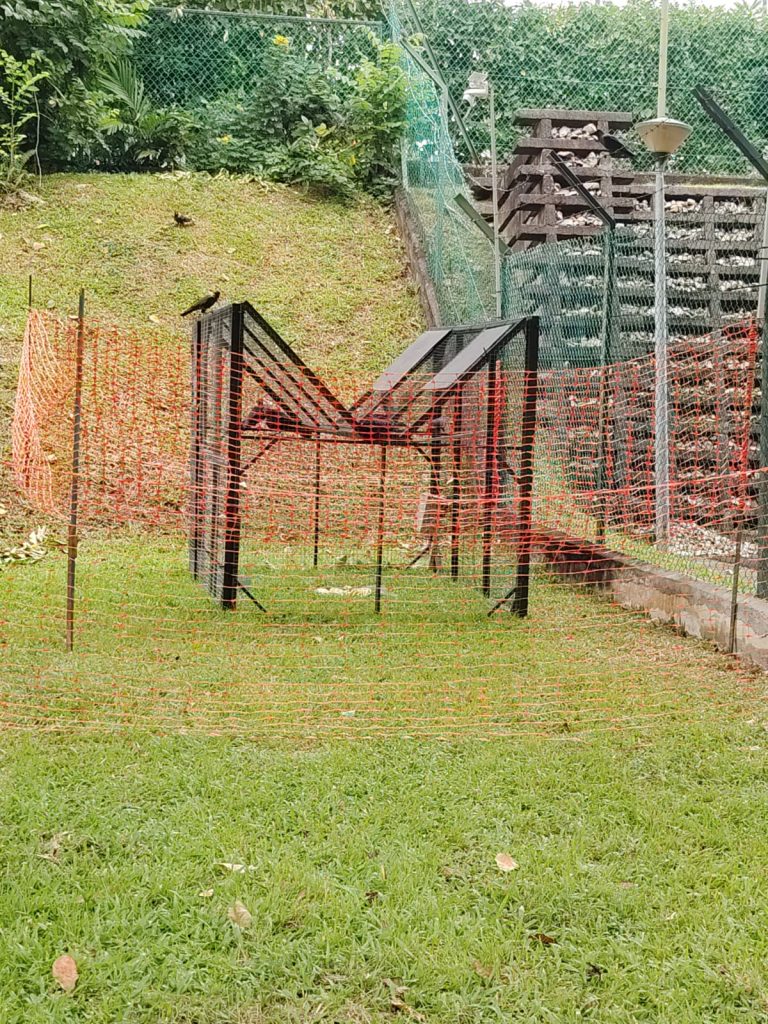
This question has followed me as I reflected on urban wildlife policies, listened to readers’ observations on labour conditions in the vice trade, revisited global risk assessments, and returned — unexpectedly but deeply — to a story that shaped my conscience as a child: the Legend of Madam White Snake.
East and West: Two Paths, One Unfinished Lesson
Historically, Eastern and Western civilisations have approached meaning differently.
- The East emphasised inner cultivation — harmony, balance, self-reflection, and alignment with nature.
- The West often sought redemption through movement — pilgrimage, conquest, discovery of promised lands.
In today’s world, these paths intersect. Humanity now possesses the technology to reach beyond Earth, to imagine terraforming other planets. Yet we remain unable — or unwilling — to heal the ecosystems and social fractures in our own backyard.
The question becomes unavoidable:
What is urgent and important at the same time? Escaping to the stars — or restoring the only living planet we know?
A civilisation that cannot care for its own home has no moral mandate to seek another.

Adoption Over Exotic Imports: Choosing Responsibility Over Vanity
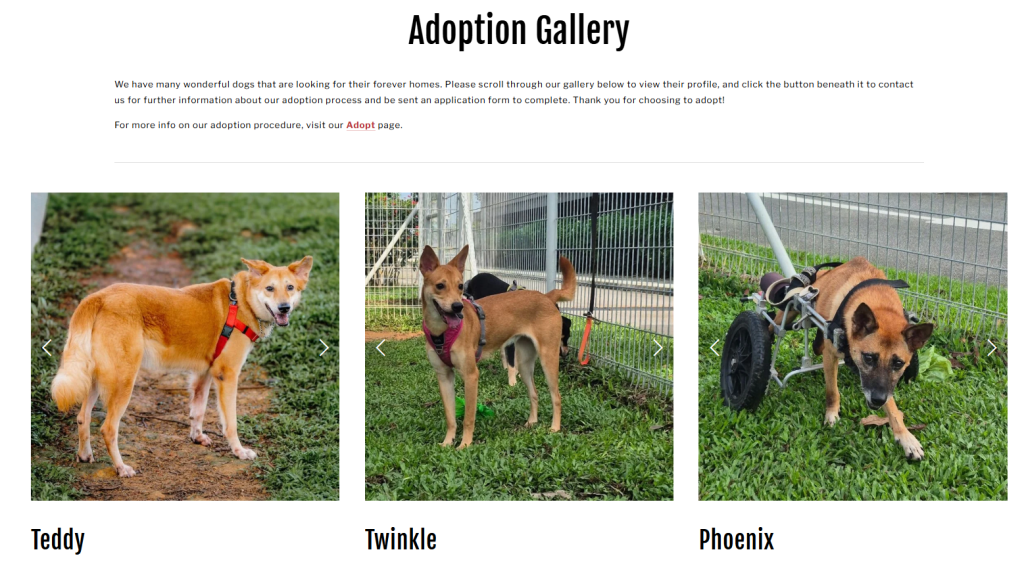
Many readers raised a troubling contradiction. While local shelters struggle with abandoned dogs and cats, exotic and expensive pets continue to be imported.
Encouraging adoption of local strays is not about virtue signalling. It is about:
- reducing unnecessary euthanasia,
- discouraging wildlife trafficking,
- fostering community responsibility,
- and recognising that care should precede novelty.
A society that imports luxury animals while eliminating its own strays must ask whether it has confused appearance with care.
Fragmented Systems and the Illusion of Clean Hands
Concerns were also shared about fragmented processes in animal welfare management — poorly routed calls, inconsistent responses, and reliance on subcontractors for population control.
Yet outsourcing does not outsource responsibility.
Whether suffering is administered directly or indirectly, the ethical burden remains collective. When harm is hidden behind procedures, silence is mistaken for resolution.
The Global Context: Environmental Risk Is Not Abstract
These local reflections are not isolated.
The Global Risks Report 2026 reminds us that biodiversity loss, ecosystem collapse, and extreme weather remain among the most severe long-term threats facing humanity. Environmental degradation is no longer theoretical; it is systemic, compounding social stress and economic instability.
Urban wildlife issues, labour exploitation, and environmental neglect are not separate problems. They are symptoms of the same imbalance.
Seeing the Birds: Consequence, Not Punishment
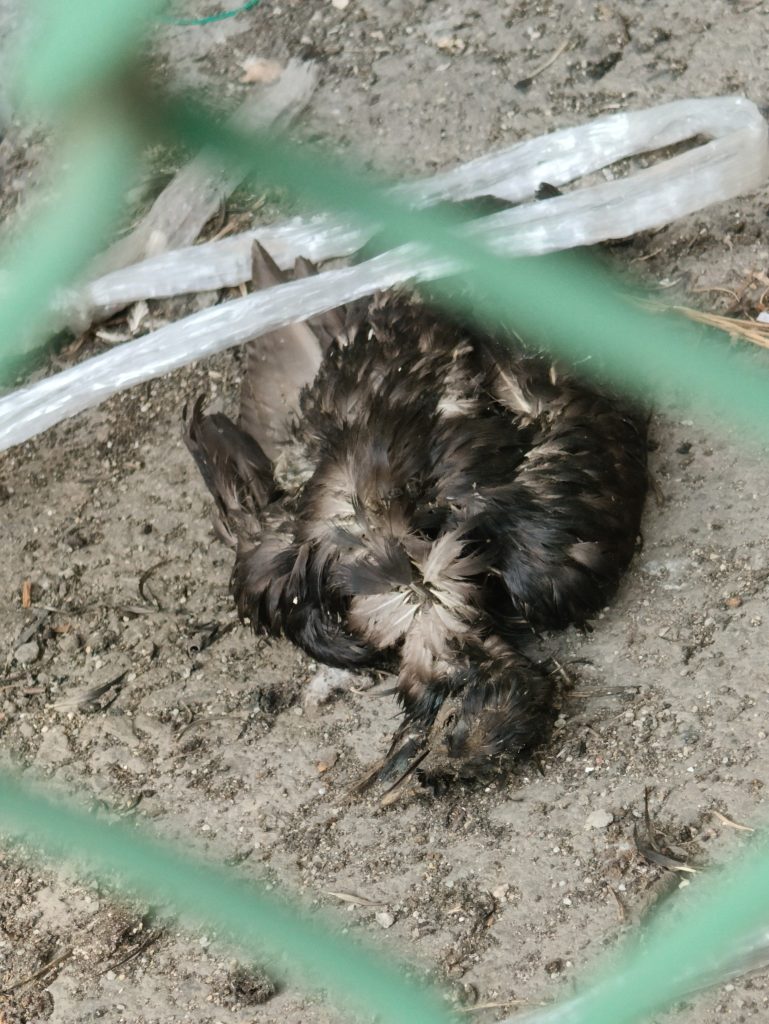
Some interpret the growing visibility of dead birds or the persistence of crow populations as punishment or omen. A more grounded understanding is simpler and more sobering:
Nature responds to imbalance with consequence, not judgement.
Food waste, habitat loss, urban heat, and policy choices shape outcomes. When control replaces coexistence, problems return in altered forms.
Nature does not retaliate. It reflects.

Dignity of Labour: Women Who Carry Society’s Unspoken Burdens
After earlier reflections were shared, readers reached out with observations from Taiwan, China, India, and Singapore, particularly from villages and marginalised communities.
Across regions, women in the vice trade often work under conditions that lack:
- basic hygiene,
- healthcare access,
- reasonable working hours,
- and protection from exploitation.
This is not a discussion about endorsement or morality. It is about dignity of labour.
These women quietly absorb loneliness, grief, anger, and emotional wounds that society does not know how to hold elsewhere. Their labour is stigmatised, hidden, and undervalued — yet relied upon.
When labour is hidden, suffering becomes normalised.
A society cannot claim cleanliness while ignoring the conditions under which its comfort is maintained.
Madam White Snake: Healer, Not Monster
As a child, I was deeply moved by the Legend of Madam White Snake — not because she was mythical, but because she was a healer.
Together with Xu Xian, she cured the sick and ran medical halls that served ordinary people. Her punishment did not arise from cruelty or deception, but from loving across boundaries deemed unacceptable.
That story stayed with me because it revealed a painful truth:
Compassion is admired in legend, yet distrusted in life when it disrupts rigid norms.
Madam White Snake was not condemned for harm. She was condemned for difference.
If I speak of lineage, it is not blood — but values. A lineage of healing, inclusion, and quiet service.

The Enduring Irony of Civilisation
Here lies the unresolved irony.
We are moved by stories of compassion and sacrifice. Thousands of years pass. Yet societies still discriminate.
Against animals deemed nuisances. Against women whose labour is stigmatised. Against those who love, heal, or live outside sanctioned categories.
Progress has refined our tools — but not our maturity.
We know better. But we still struggle to live better.
Stories endure because they are unfinished. Each generation inherits the same question:
Now that you recognise compassion — will you protect it this time?
Stewardship Over Spectacle
Space exploration inspires wonder. But healing Earth is urgent.
No other planet can replace this one within any meaningful human horizon. A civilisation obsessed with escape before repair risks repeating the same harm elsewhere.
Stewardship is not weakness. It is foresight.

Conclusion: A Clean City Requires a Clean Conscience
Compassion does not require endorsement. It requires responsibility.
Just as polluted rivers eventually poison cities, societies that exhaust women, silence suffering, and eliminate life for convenience corrode from within.
Healing our ecosystems also means healing how we treat the women who carry society’s unspoken burdens. There is no clean city built on an unclean conscience.
This article is also published on LinkedIn.
疗愈我们的家园:当东西方相遇,而慈悲依然是有条件的
新加坡常被誉为一座高效、有序、洁净的城市。然而,在光鲜亮丽的城市表象之下,有一个挥之不去的问题值得我们深思:
什么才是真正的文明?
文明,是街道的整洁与秩序? 还是对生活在边缘的存在——动物、女性、生态系统,以及不符合主流框架的人——所展现的关怀与尊重?
这个问题,一直萦绕在我心中。它来自于对城市野生动物政策的反思,来自读者对性产业中女性劳动条件的分享,来自对全球风险报告的关注,也来自我重新回望一个童年时期深深触动我良知的故事——白蛇传。
东西方:两条道路,一堂尚未学完的课
从历史上看,东西方文明对“意义”的追寻路径并不相同。
- 东方强调内在修养——和谐、平衡、自省,与自然合一。
- 西方则更倾向于向外寻找救赎——朝圣、探索、征服、寻找“应许之地”。
而在当代世界,这两条道路正在交汇。
人类已拥有走出地球、探索宇宙、甚至构想改造其他星球的技术; 但我们却依然无法——或不愿——修复自己家园中的生态破坏与社会裂痕。
问题因此变得无法回避:
什么事情既紧急,又重要? 是奔向星辰大海, 还是修复我们唯一已知、能够孕育生命的星球?
一个连自己家园都无法照料的文明,是否真的具备探索另一个世界的道德资格?
领养胜过进口:责任应先于虚荣
不少读者提出一个令人不安的矛盾:
在本地收容所难以安置流浪猫狗的同时,昂贵的异宠却仍在被大量进口。
提倡领养本地流浪动物,并非道德优越感,而是出于基本责任:
- 减少不必要的安乐死
- 抑制野生动物走私
- 培养社区的责任感
- 承认关怀应优先于新奇与炫耀
一个不断引入“奢侈动物”,却清除自己城市中流浪生命的社会,或许已经混淆了表面整洁与真实关怀。
碎片化的系统,与“干净双手”的幻觉
读者与志愿者也反映,动物福利相关的处理流程常显得支离破碎——电话转接不畅、现场反应不一、人口控制外包给第三方。
然而,外包并不能外包道德责任。
无论伤害是由谁执行,最终的责任仍属于整个社会。当痛苦被程序化、被隐藏在流程背后,沉默就会被误认为是问题的解决。
全球视角:环境风险并非抽象概念
这些本地观察并非孤立。
《2026 年全球风险报告》清楚指出:生物多样性丧失、生态系统崩溃、极端气候仍是人类面临的最严重长期风险之一。
环境退化不再是理论问题,而是系统性风险,会不断放大社会压力与经济不稳定。
城市野生动物问题、劳动剥削、生态破坏,并非彼此独立—— 它们是同一种失衡的不同表现。
看见鸟类:不是惩罚,而是结果
有人将死鸟的出现或乌鸦数量的变化解读为惩罚或征兆。更理性的理解其实更简单,也更严肃:
自然并不审判,它只回应失衡。
食物浪费、栖息地破坏、城市热岛效应、政策选择——共同塑造了这些结果。当“控制”取代“共存”,问题只会以新的形式回归。
自然不报复, 它只是反映。
劳动的尊严:承载社会沉默负担的女性
在早前的反思发表后,不少读者分享了来自台湾、中国、印度、新加坡的观察,尤其是乡村与边缘社区中性产业女性的处境。
在多个地区,这些女性的工作环境往往缺乏:
- 基本卫生条件
- 医疗与健康保障
- 合理的工作时长
- 抵御剥削的保护机制
这不是对行业的道德辩护, 而是关于劳动尊严。
这些女性默默承接着社会无处安放的孤独、悲伤、愤怒与情绪创伤。她们的劳动被污名化、被隐藏、被低估,却在现实中被依赖。
当劳动被隐藏, 痛苦便会被正常化。
一个忽视舒适背后代价的社会,无法真正自称洁净。
白蛇:医者,而非妖物
童年时,白蛇的故事深深触动了我——并非因为神怪,而是因为她是一位医者。
她与许仙一同开设医馆,治病救人,服务百姓。她的惩罚,并非源于伤害或欺骗,而是因为跨越了被视为不可逾越的界线去爱。
这个故事之所以长久留在我心中,是因为它揭示了一个令人痛心的真相:
慈悲在传说中被赞美,却在现实中因挑战秩序而遭到恐惧。
白蛇并非因恶而被惩罚, 而是因不同而被定罪。
若说“传承”,那不是血缘,而是价值—— 一种疗愈、包容与无声付出的传承。
文明未解的讽刺
这里,正是最深层的讽刺。
我们会被牺牲与慈悲的故事感动。 千年流转。 但歧视依旧存在。
对被视为“滋扰”的动物。 对被污名化劳动的女性。 对不符合主流框架的爱、生命与存在。
工具在进步, 但成熟却没有同步。
我们知道得更多, 却依然难以活得更好。
故事之所以流传,是因为它们尚未完成。每一代人都继承着同一个问题:
既然你已经认出了慈悲,这一次,你会保护它吗?
守护胜于表演
太空探索令人向往。 但修复地球刻不容缓。
在可预见的人类时间尺度内,没有任何星球能够替代地球。一个尚未修复自身伤痕的文明,若急于逃离,只会将同样的破坏复制到别处。
守护不是软弱, 而是远见。
结语:真正洁净的城市,始于洁净的良知
慈悲不等于纵容, 它意味着责任。
正如被污染的河流终将反噬城市,耗尽女性、掩盖痛苦、为方便而消灭生命的社会,也会从内部腐蚀。
疗愈生态,也意味着疗愈那些承载社会沉默负担的女性。 一个良知不洁的城市,不可能真正洁净。