#74 When Silence Speaks Louder: The Flyer, Hyflux, and the Pattern of Blocking Accountability 当沉默比言语更响亮:新加坡摩天观景轮、海峡水务与问责的遮掩模式
中文版在英文刊文下方
The Flyer Case: A Story Left Hanging
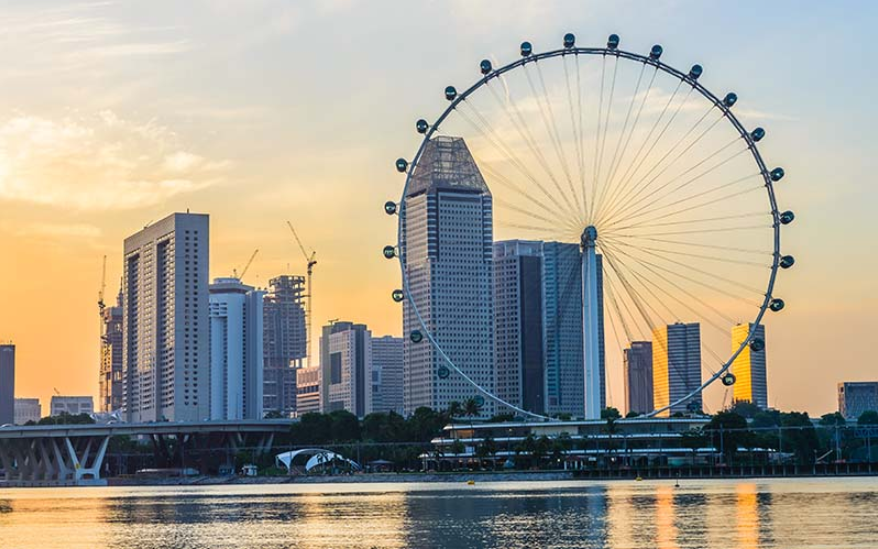
William Tan and Steven Yeo, a former Singapore Economic Development Board (EDB) scholar and later CEO of The Flyer (Singapore’s version of the London Eye), once shared with me a troubling account.
After leaving the Singapore Economic Development Board (EDB) as a senior executive, Steven was tasked to lead The Flyer. Instead of inheriting a smooth operation, he uncovered financial irregularities tied to its German backers. The attraction, already facing technical issues and operating losses, was allegedly bled further by those entrusted with its recovery.
Steven did the responsible thing: he compiled documents and submitted them to the Corrupt Practices Investigation Bureau (CPIB). But the Bureau declined to act, saying the case didn’t fall under its jurisdiction because it wasn’t “Singapore’s money.”
This raises a sharp question: if the funds came from a German pension fund, does that make it acceptable for mismanagement to go unchecked simply because the victims were foreigners? To the Germans reading this: your hard-earned pensions may have been siphoned into a failed Singapore project without proper accountability.
Blocking as a Response
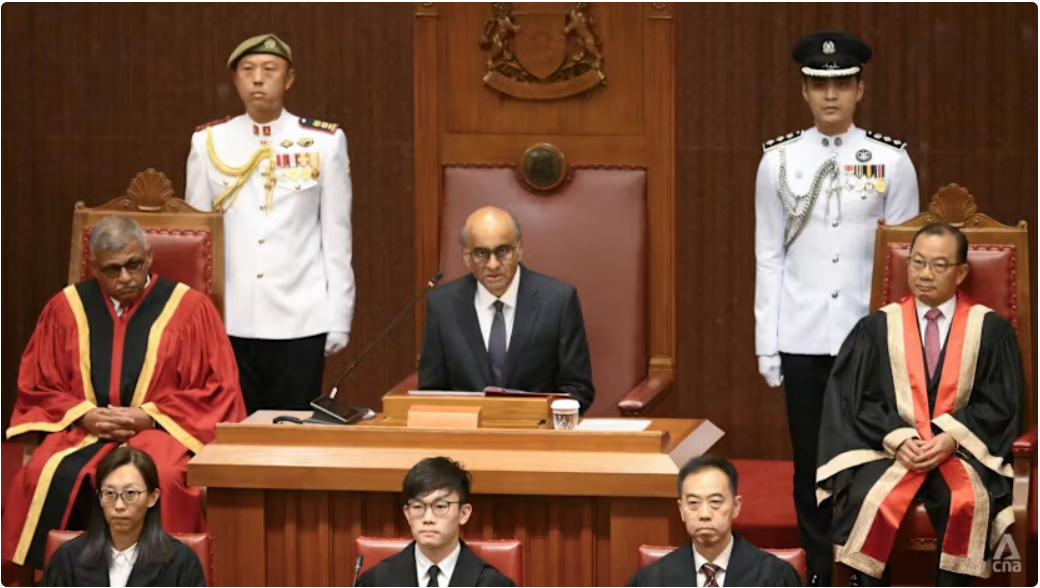
When I raised these questions, I was blocked; not just by institutions, but by leaders across government, GLCs, and industry, including CPIB itself and President Tharman Shanmugaratnam.
Blocking doesn’t answer the question. It avoids it. And avoidance doesn’t solve problems; it compounds them.
The Mantra of “We First”
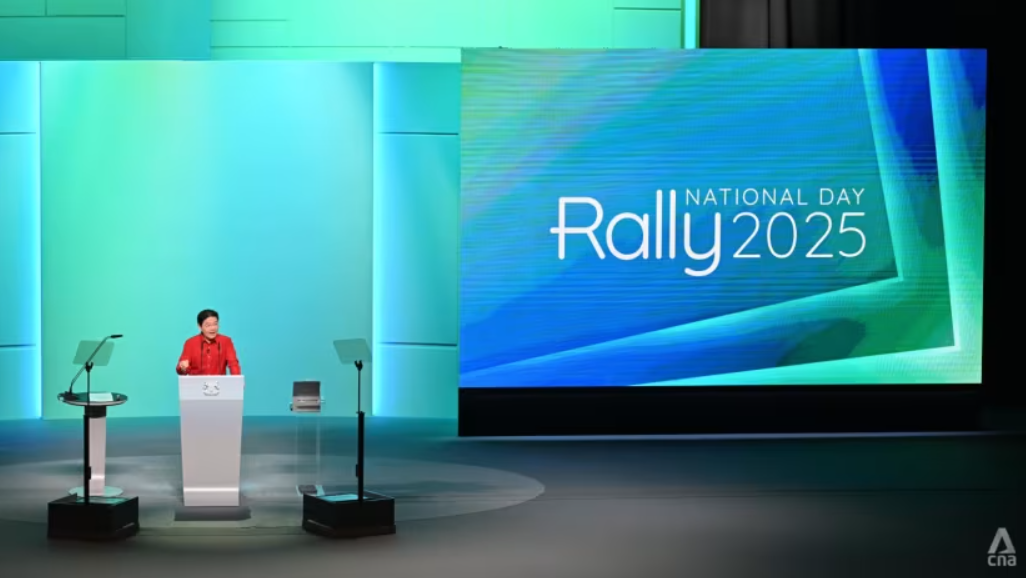
Recently, both Lawrence Wong and Tharman Shanmugaratnam have emphasized “We First” in rallies and parliamentary speeches. On the surface, this sounds patriotic: Singaporeans first, safeguarding national interests.
But is this phrase also a tell-tale sign of a deeper posture? Tight-lipped silence when actions benefit elites and locals at the expense of outsiders?
- If “We First” means brushing off irregularities when German pensions are siphoned, what message are we sending to international partners like the US, China, Germany, and Japan; all economic powerhouses whose cooperation Singapore depends on?
- If “We First” justifies covering up mismanagement that advantages insiders, are we not teaching our children to cover up one lie with another, so long as it lines our pockets?
Leaders Always Taking the Brunt
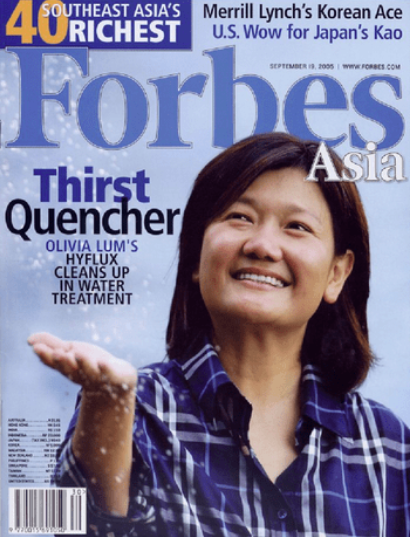
This reminded me of a conversation at SMECCI 2025, where Vivian Balakrishnan, Minister of Foreign Affairs was the Guest of Honour. A senior veteran businessman remarked about the Hyflux collapse. Public outrage focused on Olivia Lum, but he claimed the true perpetrators were her left and right-hand men.
The pattern repeats: leaders become scapegoats, while those who pull the strings quietly disappear from scrutiny.
The Signature of Networks
From The Flyer to Hyflux, a recurring playbook emerges: outsiders and leaders bear the losses, insiders walk free.
Observers note how the 黄 (Huang) surname family; Ng, Wee, Wong, Oei frequently surfaces across crises. While surnames alone don’t imply guilt, the repetition raises questions: coincidence, or the signature of entrenched networks shielding one another?
Read more about the 黄 Huang family (Wong, Ng, Wee, Oei) who are ruling Singapore now:
#64 Surname Power; Representation in Singapore’s Elite (A Deeper Look) ; 新加坡精英层的姓氏力量与代表性(深度观察)
黄 (Huang) – Different Dialect Family Names in Singapore Belong to One Family – MARVINFOO
A Historical Reminder
This pattern isn’t new. Before independence and after, the 胡 (Hu / Aw family) and members of the Eng Teng Association were stripped of their assets and businesses under the guise of nation-building. Their contributions, wealth, and networks were absorbed into the state machinery. Read more here: “Hanging Out with Uncle Robin Lye: Stories of Legacy, Resilience, and Reflection”
What does this show us? That foreign partners and local families alike, whether German pensioners or old Chinese clan have long been convenient sources of capital for Singapore’s rise, but are discarded or silenced once their usefulness is exhausted.
The Su Haijin Case: When “Tight Controls” Aren’t Tight
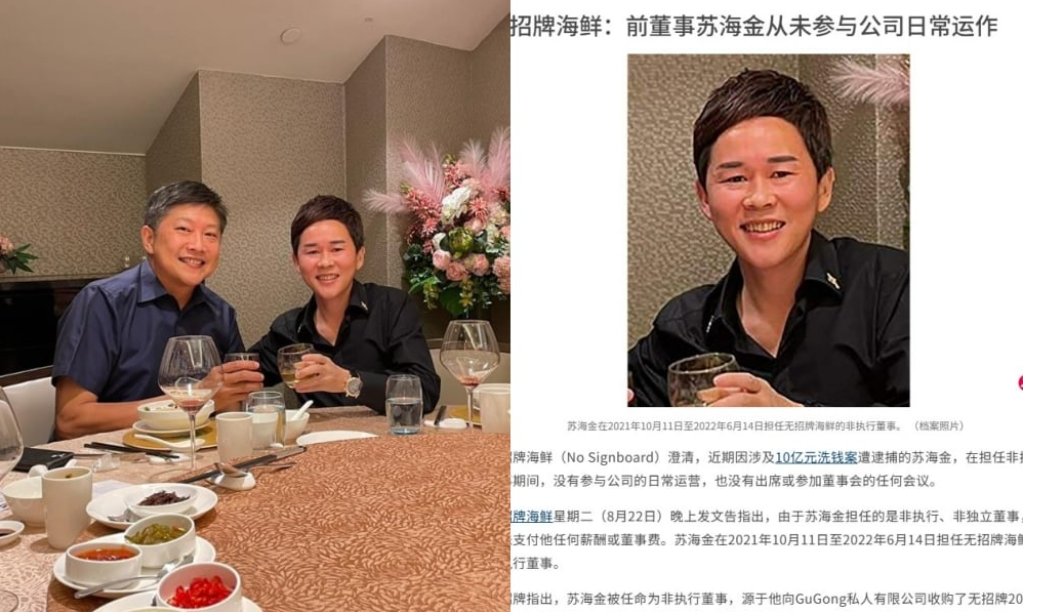
Singapore constantly prides itself on tight border security and strict financial controls. But if those systems were truly airtight, how did Su Haijin and the Hokkien gang succeed in moving billions of dollars through our financial system?
Someone, somewhere, must have assured them it was safe to park their funds here. Yet the outcome was a classic double-cross, Singapore-style: lure the money in, slam the trap shut, and pocket the assets under the banner of enforcement.
We have to admire the tourism marketing spin where Singapore presents itself as a clean, efficient hub where rules protect everyone equally. But the reality? Rules bend when insiders benefit, and outsiders pay the price.
What Comes Next?
To cover one lie, another is spun. To cover one scandal, another distraction is created. And to cover one breach of trust, the people are handed just enough in vouchers and money to keep the illusion that everything is fine.
But is it really?
- The plan to ditch us all may already be in motion.
- The coffers are being emptied quietly, layer by layer.
- Half the Cabinet has retired with pockets full, escaping accountability.
- The other half may already be packing their bags, ready to leave the young generation holding the mess.
This is the cost of a system built on selective accountability and double standards. Each cover-up doesn’t erase the truth; it simply deepens the debt that the next generation will have to pay.
The Germans, the Hu family, Eng Teng clans, foreign investors, even syndicates; all have tasted this double-cross. But the greatest victims may yet be our own young, who will inherit a hollowed-out trust and an empty treasury.
Conclusion: Turning Silence Into a Call
And perhaps this is why Singapore has itself become a target of scams, losing billions every year. Because when we pot call the kettle black, when we dismiss accountability and take the money of others through similar means, how can we expect the world to treat us differently?
名门正派也不过如此。 Even those who claim to be upright and noble reveal themselves as no different.
P.S. Make no mistake. This current regime stole from the 胡 (Hu / Aw family) and Eng Teng Association members before independence, and after independence. And it continues to steal from you today while wearing the pretext of being a friend.
To read more interesting article for an alternate Singapore opinion, please visit https://marvinfoo.com/blog
当沉默比言语更响亮:新加坡摩天观景轮、海峡水务与问责的遮掩模式
作者:胡马宾(Mar Vin Foo)
摩天观景轮的悬案
曾经,新加坡经济发展局(Singapore Economic Development Board, EDB)的学者、后来担任新加坡摩天观景轮(The Flyer)首席执行官的杨先生(Steven Yeo),向我分享了一段令人不安的经历。
离开新加坡经济发展局(EDB)后,他受托接管摩天观景轮。然而,他发现的并不是顺利的交接,而是与德国投资方有关的财务违规。这个本就因技术和运营问题亏损的项目,被操盘者进一步“放血”,以谋取私利。
杨先生尽责地整理了文件,并上交给新加坡贪污调查局(Corrupt Practices Investigation Bureau, CPIB)。然而,CPIB 的回复却是:此案不在其管辖范围之内,因为“那不是新加坡的钱”。
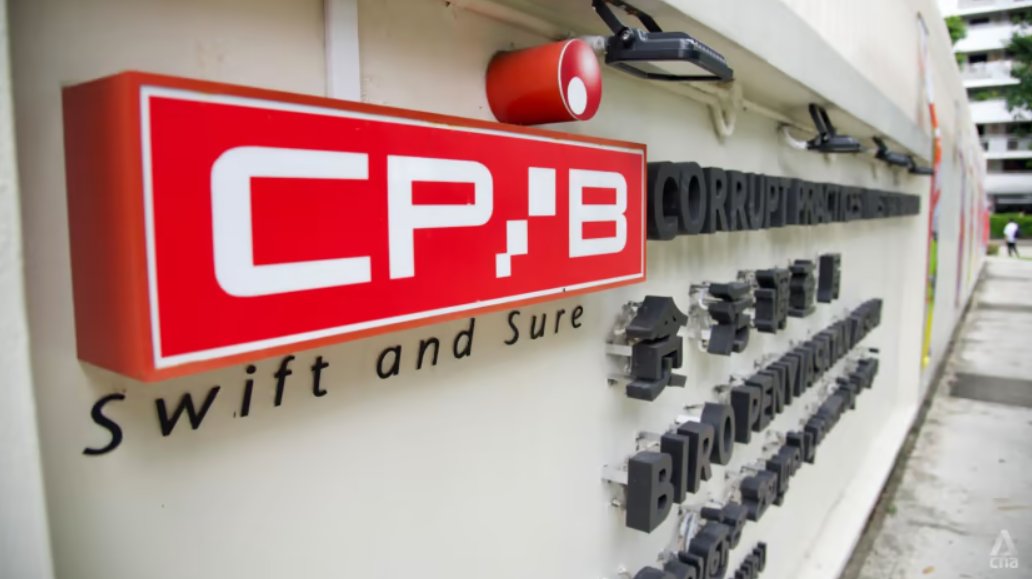
问题来了:如果这些资金来自德国的养老金基金,难道就可以因为受害者是外国人而对财务舞弊置之不理吗?对德国读者而言,你们辛苦积累的养老金,是否就这样被卷入新加坡的失败项目而无人问责?
“封锁”式的回应
当我提出这些质疑时,我被屏蔽了; 不仅是机构,还有政府、法团与行业的多位领导,包括 CPIB 本身,以及总统尚达曼(Tharman Shanmugaratnam)。
屏蔽不是答案。它只是回避。而回避并不能解决问题,只会让问题更严重。
“We First”的口号
近期,无论是黄循财(Lawrence Wong)还是尚达曼(Tharman Shanmugaratnam),都在集会与国会演讲中反复强调 “We First” (我们优先)。表面上看,这是爱国主义的口号:新加坡人优先,保障国家利益。
但这是否也是一种潜台词:当事情有利于精英与本地人时,就保持缄默;即便牺牲了外国伙伴?
- 如果“We First”意味着德国养老金被侵吞也能被忽视,那我们向美国、中国、德国、日本这些重要的经济伙伴传递的是什么信号?
- 如果“We First”合理化了只要能让内部人受益就可以掩盖问题,那我们是否正在教导下一代,用一个谎言去遮盖另一个谎言,只要能填满口袋?
领导层总是背锅
在2025 年新加坡中华总商会中小企业大会(SMECCI 2025)上,我与一位资深企业家交流。他提到’海峡水务(Hyflux)’的倒闭。公众的愤怒集中在林爱莲(Olivia Lum)身上,但他说真正的操盘手其实是她的左右手。
模式一再重复:领袖成了替罪羊,而真正的幕后操盘者却逍遥法外。
“黄氏网络”的印记
无论是摩天观景轮还是海峡水务,剧情都似曾相识:外人和领袖承担损失,内圈却全身而退。
观察者注意到,黄姓家族(Ng、Wee、Wong、Oei)频繁出现在这些危机之中。姓氏并不能代表有罪,但这种反复出现,是否意味着这其实是 entrenched networks (盘根错节的网络)的保护伞?
点击下方链接了解 从暗处与明处操盘新加坡的 “黄家” Huang family (Wong, Ng, Wee, Oei) :
#64 Surname Power; Representation in Singapore’s Elite (A Deeper Look) ; 新加坡精英层的姓氏力量与代表性(深度观察)
黄 (Huang) – Different Dialect Family Names in Singapore Belong to One Family – MARVINFOO
历史的回声
这一模式并不新鲜。在独立前后,胡氏(Aw 家族)以及永定会馆(Eng Teng Association)的成员,就曾在“国家建设”的名义下被剥夺资产和生意。他们的财富与人脉,最终都被并入国家机器。
这说明什么?无论是德国的养老金基金,还是本地的宗族企业,长期以来都只是被利用的资本来源; 一旦没有利用价值,就被丢弃或噤声。
苏海金事件:所谓“严控”的真相
新加坡一直自豪于“严密的边境与金融管控”。但如果真如此,苏海金与福建帮怎能成功将数十亿资金转入新加坡金融体系?
必然有人在某处向他们保证,这里“安全”。结果却是一次经典的 “新加坡式双面手法” :先让资金进来,再扣上陷阱,最后在执法的幌子下将资产收入囊中。
我们不得不佩服旅游营销, 新加坡对外展示的是一个干净高效的国际中心,一个人人平等受规则保护的地方。但现实却是:规则会因内圈受益而被扭曲,外人却要为此买单。
接下来会发生什么?
一个谎言要靠另一个谎言去掩盖;一个丑闻要靠另一个分散注意力的事件去掩盖;而一个背叛信任的行为,只需给民众一些代金券和补贴,就能维持“表面一切安好”的幻觉。
但真相真的如此吗?
- 抛弃我们的计划或许早已在进行中。
- 国库正被逐步掏空。
- 半数内阁成员已带着满囊而退,不必承担责任。
- 另一半可能正在收拾行李,准备把烂摊子留给年轻一代。
这是一个建立在选择性问责和双重标准上的体系所带来的代价。每一次掩盖,都不是抹去真相,而是让债务越积越深,最终由下一代来偿还。
德国人、胡氏、永定会馆、外国投资者,甚至黑帮,都已经尝到过这种“双重背叛”。但最后最大的受害者,也许是我们自己的年轻人,他们将继承一个被掏空的信任与国库。
结语:让沉默成为警钟
也许这就是为什么新加坡自己成了骗局的目标,每年损失数十亿。因为当我们五十步笑百步,当我们可以毫无顾忌地拿别人的钱时,我们又凭什么期待世界会区别对待我们?
名门正派也不过如此。 那些自称正派高尚的,最终并没有什么不同。
附言 P.S. 别弄错了。这个政权在独立前就从胡氏(Aw 家族)和永定会馆手中掠夺了财富,独立后亦然。今天,它依旧在继续掠夺你们的钱财; 只不过披上了“朋友”的外衣。
若想读阅更多不为人知的新加坡,请游览【胡马宾的博客页面】。
![#60 [🎓 Reconnecting with Roots: A Special Visit to NUS] 【🎓 重返母校:一场意义非凡的NUS之行】](https://marvinfoo.com/wp-content/uploads/2025/08/IMG20250806122646-768x576.jpg)