#62🌏 Empowering Teams Through Diversity: Why Leaders Need to Rethink DEI 🌏 赋能多元团队:为什么领导者需要重新思考 DEI
中文版在英文刊文下方。
Think your organisation is “doing enough” for DEI? Your younger staff may not agree — and the data proves it.
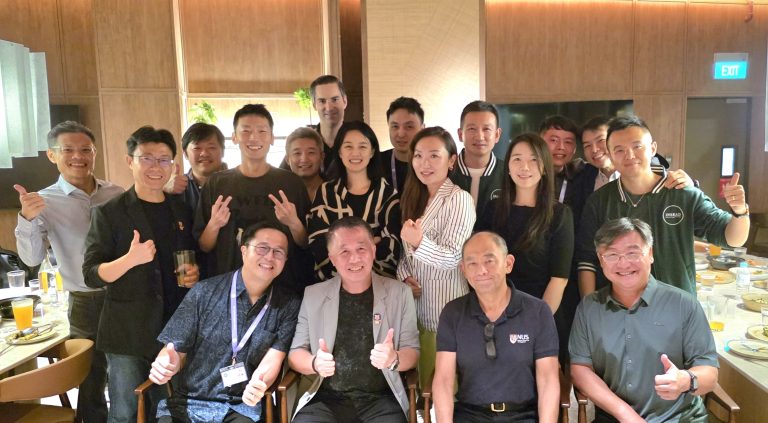
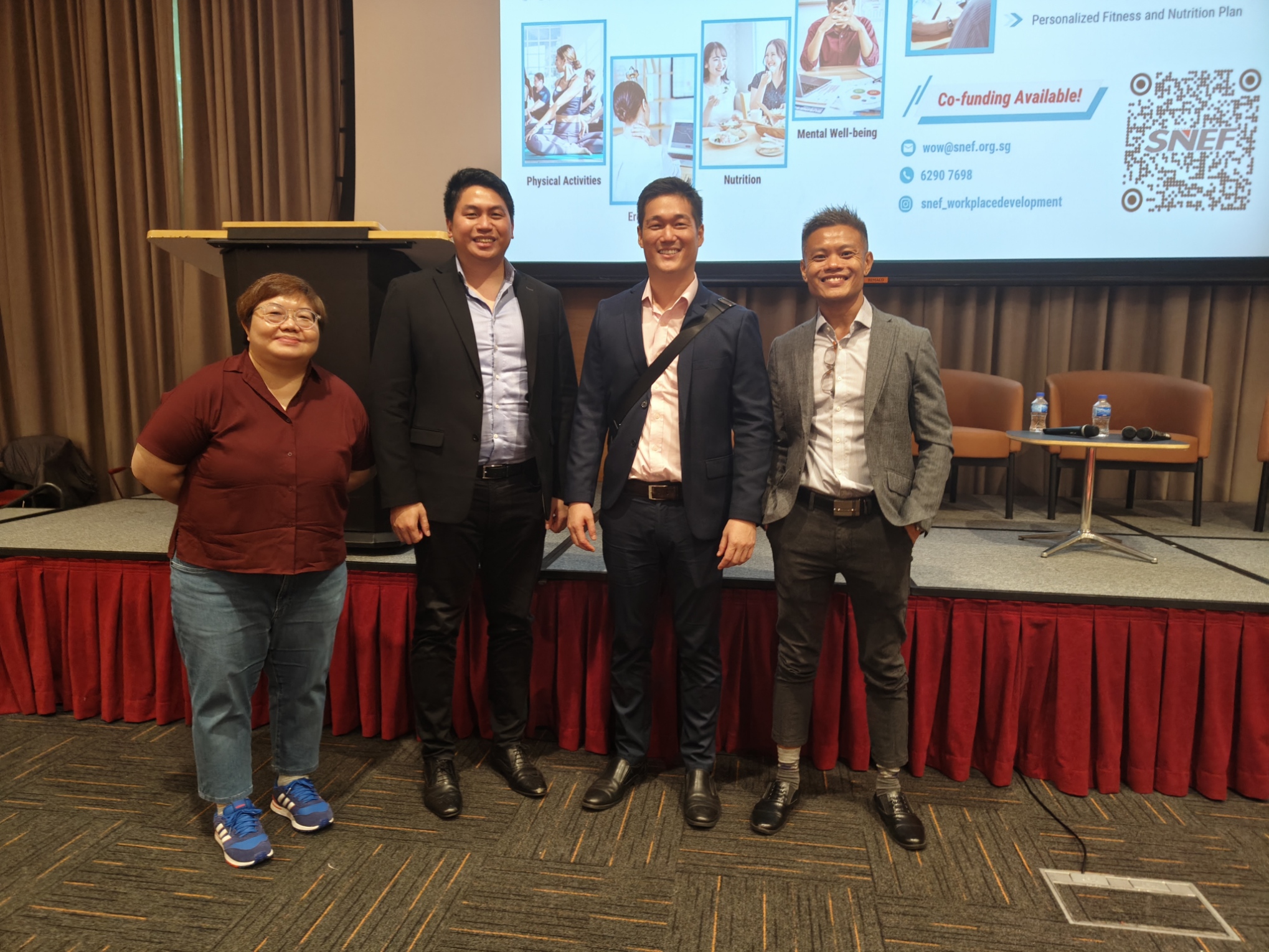
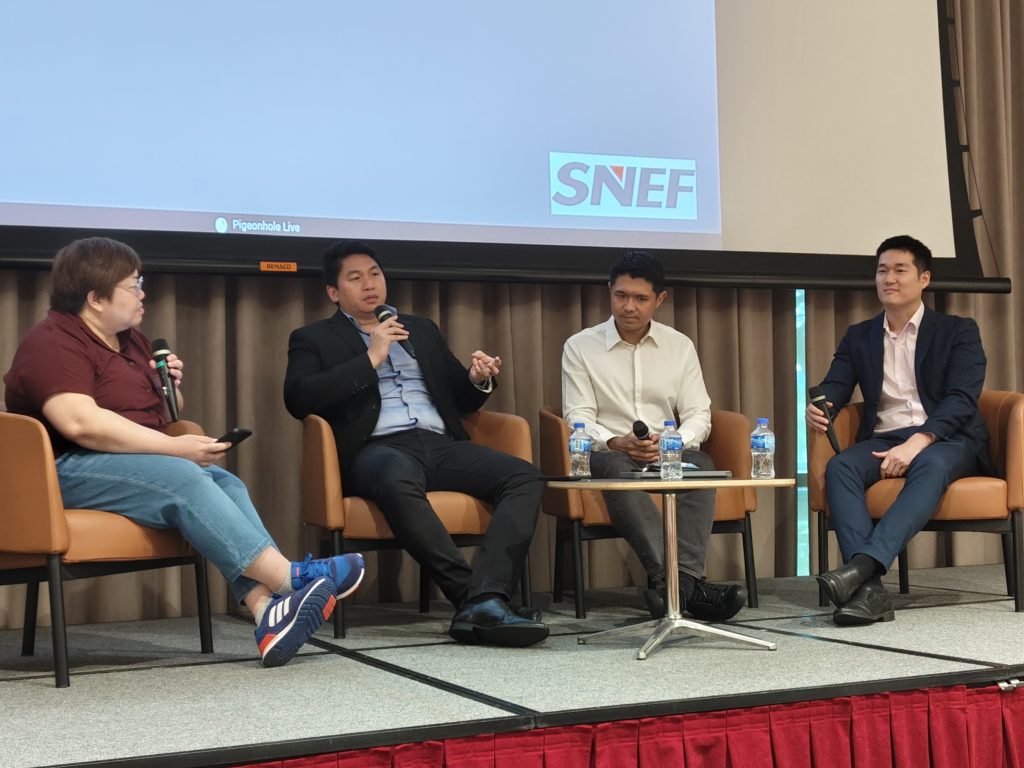
At the Singapore National Employers Federation (SNEF) Empowering Teams Through Diversity session, one fact stood out: Language remains Singapore’s top identity marker, while Country of Origin has grown fastest in importance over the past five years.
We are global but deeply rooted. And that makes DEI here uniquely complex.
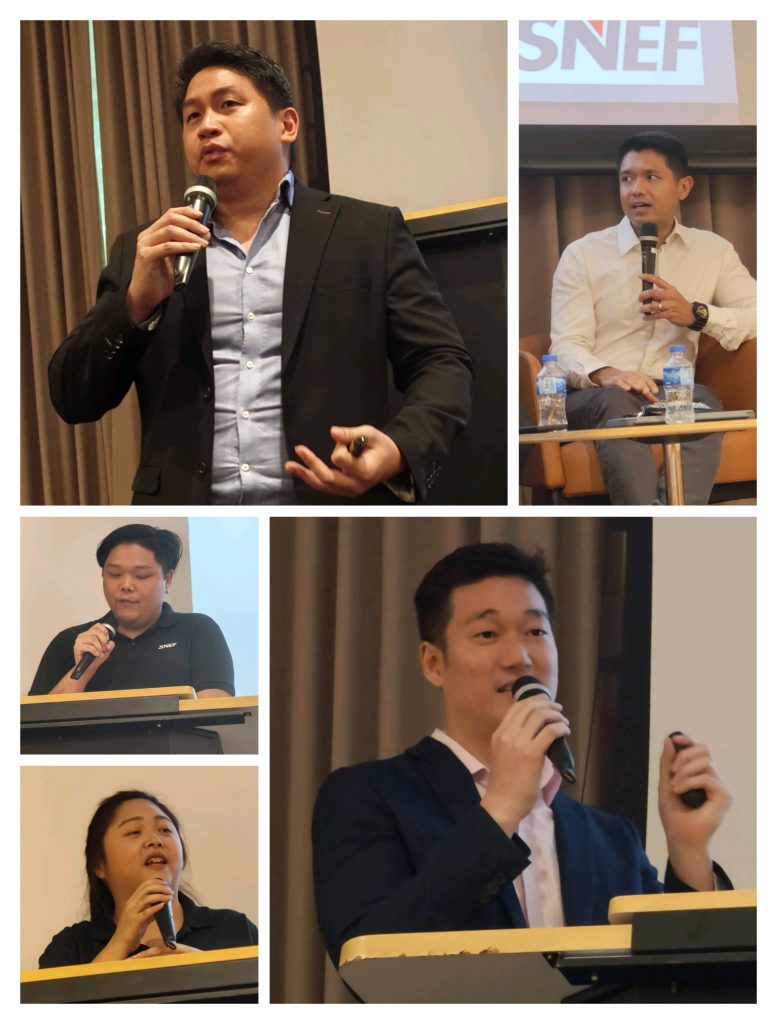
As Dr. Minzheng Mike Hou, PhD (Institute of Policy Studies, Lee Kuan Yew Institute of Public Policy, National University of Singapore ) noted and shared his research,
📊 Stats Snapshot
- Top identity marker: Language
- Fastest-growing (5 yrs): Country of Origin
- Hardest to integrate: LGBT & Low-Income groups
- Easiest to integrate: Foreign-born or foreign-raised
- Trend: Younger Singaporeans are more socially engaged, vocal, and critical of bias
Reality check:
- Many leaders think they’ve “done enough.”
- Younger staff don’t agree.
- Because DEI isn’t a one-off campaign — it’s a continuing journey.
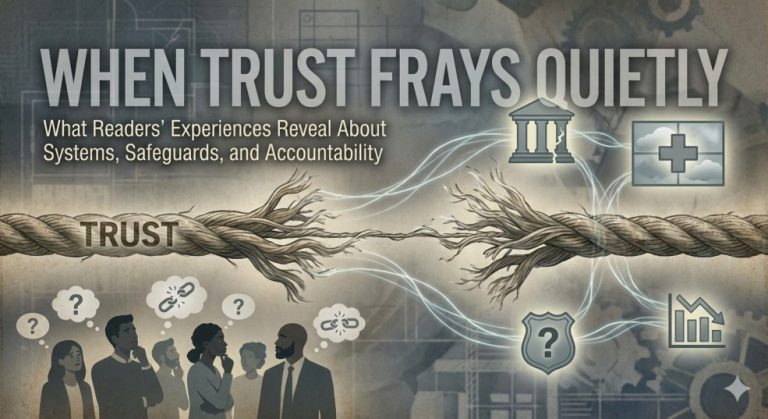
Younger Singaporeans naturally question intent. They grew up with free-flowing information. If safe spaces aren’t truly safe, anonymity broken, feedback traced, retaliation applied; the DEI trust with staff collapses. These examples are prevalent, often talked about, and yet often ignored by management. Instead, much investment goes to creating a ‘friendly work culture’ on social media channels, which is differs from the truth on the ground.
The cost of getting DEI wrong is real. Francis Chan, Co-Founder of Titanium Law Chambers, shared replacement costs:
- Junior: ~50% of annual salary
- Mid-level: 80%–150%
- Senior: up to 400%
He’s also helped employees file claims via the Tripartite Alliance for Dispute Management (TADM) and the Ministry of Manpower, proving that DEI without enforcement is decoration, not action.
Common DEI pitfalls:
- Doing DEI “for the sake of DEI”
- No real understanding before implementation
- No clear strategy or buy-in
- Neglecting middle managers
Key takeaway: DEI success depends on staff experience and not what’s written in policy documents. Gender-neutral toilets, inclusive restrooms, cultural assimilation support, and respect for religious practices are tangible steps matter more than checklists.
Practical support exists too: Oneworkplace.sg offers a starter kit and a Community Integration Fund (reimbursing up to 80% of S$100,000) to help turn intention into action.
My thoughts about Singapore’s demographics and DEI context: In today’s connected world, employees can, and will assess leaders. Safe zones must be truly safe. Retaliation or gaslighting only confirms that leaders talk DEI but don’t live it. While management may argue that “One generation is not on par as the one before.” We must first realize that the younger generation is the product of the current generation’s corporate culture, societal prejudices, rules and regulations that stifle, and yet ask for creative solutions.
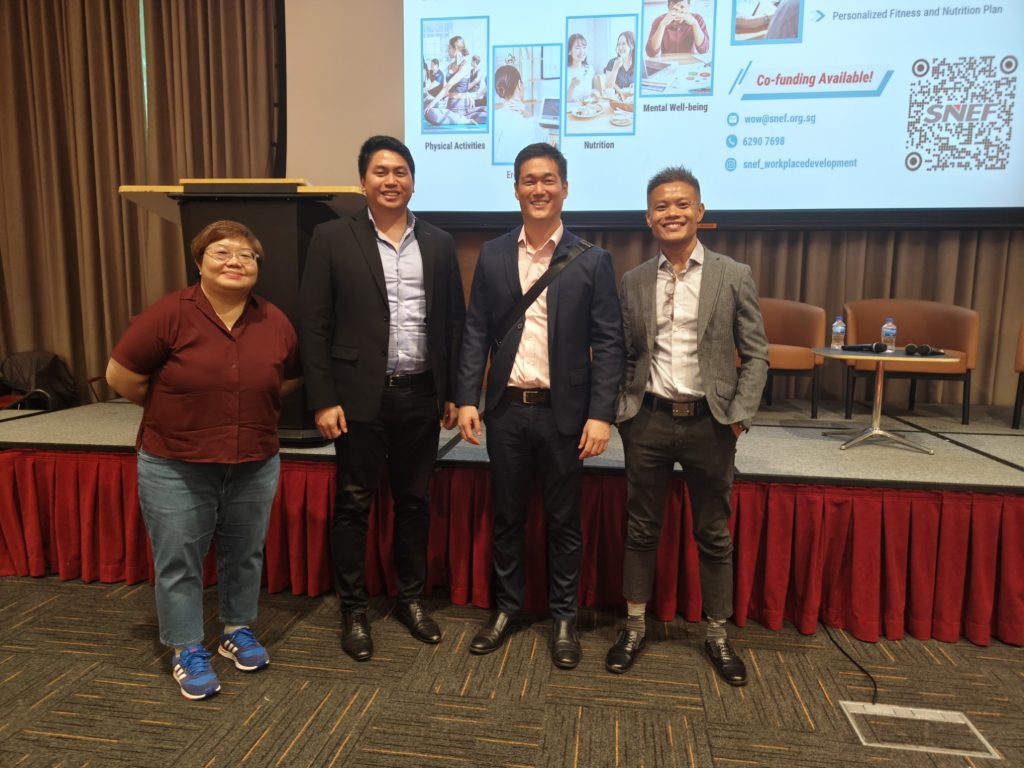
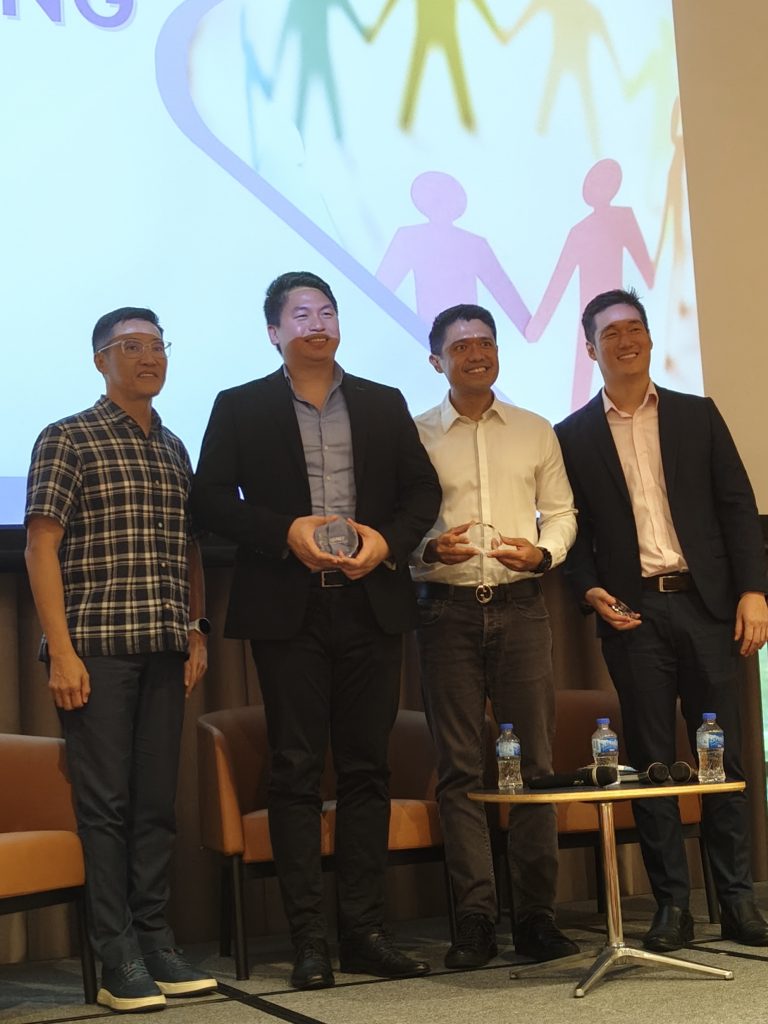
I also want to thank Titanium Law Chambers for representing employees who faced injustice at work.
Justice exists; it simply arrives late, in the grandest fashion, after instilling fear in perpetrators without revealing the date of judgment. For those who have wronged others, the price may exceed 400%; perhaps even the silent judgment of peers and the disappointment of one’s own children in later years. In the tender act of rigging mentioned in police reports with submitted names, some have since changed their identities on LinkedIn, attempting to move on with life; yet the fear still beats in their hearts.
What makes matters worse is when others continue aiding their partners in crime, hurting or obstructing those chosen by God and The Way to transform society.
We think no one sees. But in truth, we are all being watched.
We all reap what we sow. 说者无意,听者有意。人作孽不可活,天作孽有可为。
To all leaders: “Never leave your men behind, because they will come back for you; in the way that reflects your heart and true nature.”
Singapore’s Demographics: Identity Forged at Independence
Since independence in 1965, Singapore’s intentional blueprint built a shared national identity against a backdrop of ethnic diversity. As of the latest figures (2023), the resident population is composed of roughly 74.3% Chinese, 13.5% Malay, 9% Indian, and 3.2% others.
This ethnic balance has remained remarkably stable over the decades, anchored by policies like bilingual education and the Ethnic Integration Policy to prevent enclaves and encourage daily interaction. When these ratios shift whether through demographic trends, immigration imbalances, or policy neglect, tensions can rise.
For example, during the lead-up to independence and the brief merger with Malaysia in the 1960s, rising Malay-Chinese tensions tipped into the 1964 race riots, an event that seared the importance of maintaining ethnic harmony into the national psyche. In more recent years, Singapore has enacted laws like the Maintenance of Racial Harmony Bill to protect race-based associations from foreign interference, precisely because shifts in demographic or cultural alignment can be exploited to erode social cohesion.
Preserving the identity forged at Independence and upholding the principles behind is foundational. When demographic imbalances emerge, unchecked, they threaten the trust, unity, and shared belonging that DEI strives to foster.
In summary, the ratio needs to be adhered to for consistency and stability. Harmony is balanced through DEI education and inculcation through all segments of the country from economy to social cohesion. Unfortunately, this is the department that lacks the most in Singapore’s DEI context where marketing or white-washing take precedence over authenticity in walking the talk.
P.S. A few years ago, I fought for the teachers because education forms the basis and core of our society. During my years in land transport, I fought for engineers whose work impacted the daily lives of Singapore residents. During COVID-19, I fought for the healthcare front-liners because I saw the burnout and exhaustion. Were these right? Fast-forward till today, look at countries that neglected the healthcare workforce — they lost talent to countries that treated them better, and now some of those countries are facing healthcare crises. I look 10 to 20 years ahead, and this explains why my endeavors are far-reaching and often adopted by the authorities to ease tensions and congestions.
“Holding the fort socially is of utmost importance that supersedes economy and many things else. This importance of righting what is wrong not just in the eyes of law but of ethics, honor and integrity will win the DEI trust of our younger generations.”
This article is also published on the blog of marvinfoo.com.
🌏 赋能多元团队:为什么领导者需要重新思考 DEI
你认为组织在 DEI 上已经“做得够多”了吗? 年轻员工也许不认同, 新加坡国立大学的有关研究所收集的数据会说明一切。
在 新加坡全国雇主联合会(SNEF)新加坡全国雇主联合会(SNEF)“赋能多元团队” 会议上,一点尤为突出: 语言仍是新加坡人最重要的身份标志,而过去五年里,原籍国 的重要性增长最快。
我们既全球化,也深深扎根本土。 这让 DEI 在本地更具复杂。
📊 新加坡社会数据速览
- 最重要的身份标志:语言
- 五年增长最快:原籍国
- 最难融入:LGBT 与低收入群体
- 最容易融入:海外出生或成长者
- 趋势:年轻一代更积极、更敢发声,也更敏锐识别偏见
现实提醒:
- 许多领导者认为“做得够了”;
- 年轻员工并不认可;
- 因为 DEI 不是一次性项目,而是一段持续旅程。
正如公共政策研究所的何博士所言,年轻一代天生会质疑动机。 他们成长于信息自由流动时代。 若“安全空间”并不安全,匿名被打破、反馈被追查、甚至遭报复、信任会瞬间崩塌。这样的例子,比比皆是,却也是高管领导们避嫌的DEI课题。与其直面,高管人员一般采取社交媒体等渠道打造 ‘亲员工’ 的形象。真实的情况却往往众所周知。
DEI 做不好,代价惊人。 Titanium Law Chambers 联合创始人 Francis Chan 指出替换人才职员成本:
- 初级:约年薪的 50%
- 中层:80%–150%
- 高层:最高达 400%
他也曾协助员工通过 三方纠纷管理联盟(TADM) 与人力部提出索赔。这证明没有执行与申诉渠道的 DEI,只是装饰而非行动。
常见误区:
- 为“做 DEI 而做 DEI”
- 未真正理解就贸然实施
- 缺乏清晰战略与共识
- 忽视中层管理者的关键作用
关键结论: DEI 成败取决于员工真实体验,而非政策文本。 性别中立厕所、包容性休息空间、文化融合支持、宗教习俗尊重是具体举措,也比清单更有价值。
实操支持同样存在:Oneworkplace.sg 提供 DEI 启动工具包及“社区融合基金”(最高报销 80%,上限 10 万新元),助力把意图化为行动。
我的想法: 在高度互联的时代,尤其是年轻一代员工会评估领导者。 “安全区”必须真正安全。 任何报复与精神打压只会坐实“说一套、做一套”。高管也许会说,“一代不如一代,却忽略新一代是产出于当代的企业与社会价值观的种种束缚与框架。
我也要感谢 Titanium Law Chambers 为遭受职场不公的员工提供法律援助。
正义并非不存在——它只是姗姗来迟,以最隆重的方式抵达,在未揭示审判之日之前,先让作恶者心生惧意。 那些曾伤害他人的人,代价可能远不止 400%; 甚至是晚年面对同辈与子女的轻视。 在操纵竞标与报价的警局报告所提交涉嫌者的姓名过程中,有些人已在 LinkedIn 上更改身份,试图继续生活。然而,操纵市场的恐惧仍在心中跳动。
更甚者,是有人继续协助同伙,去伤害或阻碍天选之人的社会与企业转型使命。
我们以为没人看到,但事实上,我们都在被注视。
天网恢恢,疏而不漏。
致所有领导者: “永远不要丢下你的部属,因为他们会回来找你。其方式将反映你的内心与本性。”
新加坡人口结构:独立铸就认同
自1965年独立以来,新加坡在多元种族之上打造共同国族认同。根据2023年最新数据,居民组成为74.3%华裔,13.5%马来裔,9%印度裔,3.2%其他。
这一种族比例多年来相当稳定,并通过双语教育政策与种族比例置换政策确保各族日常互动、避免社区隔离。当比例失衡,紧张随的局势随之而来。其因素源于移民政策疏忽或社会结构变。
例如,在1960年代独立前的新加坡与马来西亚短暂合并期间,马华关系紧张最终引发1964年的种族骚乱。这件历史事件深刻警示我们保持种族和谐的重要性。时至今日,政府仍通过《维护种族和谐法案》等立法,防止族群纽带被境外势力利用,削弱国人信任与凝聚。
维护独立之初塑造的共同认同和原则是国家稳定的根基。当种族比例失衡且不受控,它会威胁到社会信任、团结与归属。 这正是 DEI 所要守护的。
说者无意,听者有意。人作孽不可活,天作孽有可为。
“秉持社会优先主义是至关重要,因为其属性超越经济与许多框架。如此,我们在面对各层面的考量,务必在法律之外审视,伦理,气节与诚信分辨对搓才能赢取年轻一代的DEI信任。”
此刊文也发布在【胡马宾的博客页面】。