
#111 🤳When a Lost Card Reveals Bigger Gaps: Lessons from Student Concession Card Recovery; and Mainstream Media Goes Downstream 🤳 当一张遗失的卡片揭示更深层的缺口:学生优惠卡补办事件的反思;以及主流媒体的沦陷
When a Lost Card Reveals Bigger Gaps: Lessons from Student Concession Card Recovery
Lost cards are a fact of life; especially for children. What matters is not whether a card is misplaced, but how systems respond when it happens.
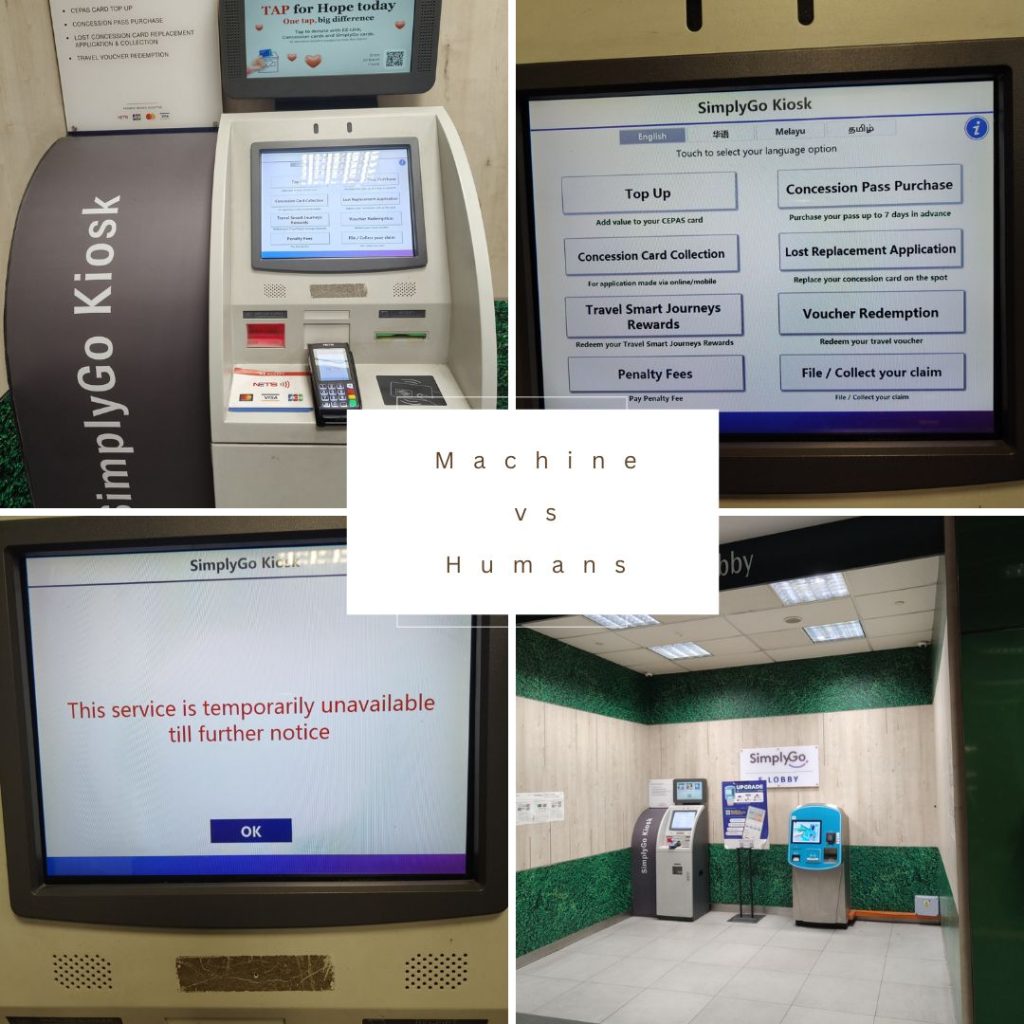
Recently, several parents independently shared their experiences trying to replace a lost student concession card. Individually, each incident might seem minor. Taken together, however, they reveal deeper questions about system design, training consistency, and commuter experience.
Polite Service, Uneven Answers
To be fair, frontline officers were consistently polite and professional. Callers were answered, follow-ups were promised, and no one behaved discourteously. That deserves recognition.
Yet parents received different answers to the same questions:
- Some were told a found card would take 3 working days to reach HQ; others were told 7 days.
- Some officers could explain how to check misuse via the SimplyGo app (if the card was bound); others were unsure.
- When a concession card was tied to an old email or discontinued phone number—a common scenario for students—the resolution path became unclear.
This inconsistency points not to individual failure, but to uneven training and fragmented knowledge bases.
Why Must Found Cards Go to HQ?
A recurring question from parents was simple and reasonable: If a card is found at a station or bus interchange, why can’t it be retrieved there?
The likely answer lies in legacy system design and risk control:
- Centralising lost items at HQ simplifies custody, audit, and liability.
- Not all station offices have full backend access to ownership, concession status, or balance reconciliation.
- Centralisation is operationally cheaper—but slower for commuters.
From an internal control perspective, the policy is understandable. From a commuter’s perspective; especially for families, it feels unnecessarily distant.
The Student Blind Spot
Most transit systems were designed around adult commuters with stable contact details. Student concession cards expose a blind spot:
- Parents change phone numbers.
- Children lose access to old emails.
- Yet recovery often depends on credentials no longer available.
Ironically, many cards already carry identifiable information. Parents naturally ask: If details are available, why can’t families be contacted?
The answer likely involves data-protection rules, system silos, and rigid SOPs; not indifference.
The Uncomfortable Question About Unclaimed Balances
Another question surfaces quietly but persistently: what happens to balances on cards that are never recovered?
Globally, unclaimed transit balances are known to be substantial. This does not imply wrongdoing. Typically, such funds are held, pooled, and eventually recognised under accounting rules.
The real governance question is more subtle:
Are systems sufficiently incentivised to make recovery easy, fast, and intuitive?
When recovery is slow or opaque, institutional inertia; not malice, benefits from non-recovery.
What This Really Tells Us
These cases highlight four systemic gaps:
- Fragmented systems across cards, apps, and contact data
- Inconsistent frontline training
- Limited child- and family-centric design
- Policies optimised for internal efficiency rather than commuter recovery
None of this requires blame. It calls for process redesign.
A Constructive Path Forward
Small changes could make a big difference:
- A single, clear recovery timeline communicated consistently
- Better frontline scripts for student concession edge cases
- Optional station-level retrieval after verification
- More resilient account-binding options for minors
Public transport is a daily public service. When systems work smoothly, trust is invisible. When they don’t, even small incidents become deeply frustrating—especially for parents.
A Short Thinking Prompt for Trending Incidents
This episode also offers a wider lesson worth reflecting on.
When private matters, whether in organisations, institutions, or public life, suddenly become public spectacle, it is worth pausing before reacting.
Not every personal failing is evidence of professional incompetence. Not every exposure is accountability. And not every trending story deserves amplification.
Thinking clearly is not indifference. It is discipline.
Before sharing or condemning, it helps to ask:
- Does this involve abuse of power or breach of duty?
- Does public exposure protect someone—or merely satisfy curiosity?
- Are we strengthening institutions, or weakening trust?

Linking Back to Governance and Trust
This matters because trust does not fail only at the policy level—it fails at the behavioural level.
When systems feel opaque, people speculate. When boundaries are unclear, people overreach. When explanations are missing, narratives fill the gap.
As the saying goes, 上梁不正,下梁歪—when standards blur at the top, distortion cascades downward. Refer to cabinet ministers and politicians’ extramarital affairs being made public prior to Singapore’s General Elections 2025 (GE2025) from both incumbent PAP and opposition Workers’ Party.
Whether it is a lost transit card, a procurement process, or a trending personal controversy, the pattern is the same: unclear systems invite conjecture; spectacle replaces substance.
Closing Reflection
Listening to lived experiences is not criticism. It is how institutions evolve.
A healthy society does not avoid scrutiny, but it knows where scrutiny belongs:
- judge work by work,
- protect families from unnecessary harm,
- and reserve exposure for genuine abuse of power.
Restraint is not weakness. It is how trust survives.
This article is also published on LinkedIn.
#111 当一张遗失的卡片揭示更深层的缺口:学生优惠卡补办事件的反思;以及主流媒体的沦陷
遗失卡片本是生活中常见的小事——尤其是对孩子而言。真正重要的,不在于卡片是否遗失,而在于系统如何应对。
近期,几位家长分别分享了他们为孩子补办遗失学生优惠卡的经历。单看每一个案例,或许只是小插曲;但放在一起,却揭示了系统设计、培训一致性以及乘客体验方面更深层的问题。
服务有礼,却答复不一
公平地说,热线与前线人员整体表现专业、有礼貌。电话能接通、承诺回电、态度友善——这些都值得肯定。
但问题在于,同样的问题却得到了不同的答案:
- 有人被告知,拾获的卡片需 3 个工作日送到总部;也有人被告知需 7 个工作日。
- 有些职员能清楚解释如何通过 SimplyGo 应用检查是否被盗用(前提是已绑定);有些则表示不确定。
- 当优惠卡绑定的是已停用的电邮或手机号码(学生家庭中并不少见),处理方式便变得模糊不清。
这并非个人失误,而是反映了培训不一致与知识体系碎片化的问题。
为什么拾到的卡一定要送到总部?
家长们反复提出一个合理的问题: 如果卡片是在地铁站或巴士转换站被拾获,为什么不能在当地领取?
较可能的原因,源自旧有系统设计与风险控制考量:
- 集中处理遗失物品,便于保管、审计与责任划分;
- 并非所有站点都具备完整的后台权限,可查询持有人、优惠状态或余额;
- 集中化管理在成本上较低,但对乘客而言却更慢、更远。
从内部管控角度看,这样的政策可以理解;但从家长和孩子的角度看,却显得不够贴近使用者。
被忽视的学生群体
多数交通系统,原本是为拥有稳定联系方式的成人设计的。学生优惠卡却暴露出一个长期被忽视的盲点:
- 家长更换手机号码;
- 孩子失去旧电邮的使用权;
- 但补办流程却仍高度依赖这些已失效的资料。
更令人困惑的是,许多卡片本身已载有可识别信息。家长自然会问: 既然资料存在,为什么不能主动联系家属?
答案很可能并非冷漠,而是数据保护条例、系统隔离与僵化操作流程的综合结果。
关于“无人认领余额”的不安疑问
另一个问题,虽少被明说,却始终存在:那些永远未被认领的余额,最后去了哪里?
从全球经验看,公共交通系统中的无人认领余额确实不小。但这并不意味着不当行为。一般而言,这些资金会被暂存、汇总,并在会计规则下处理。
真正值得思考的,是一个更微妙的治理问题:
系统是否真正有足够动力,让找回过程变得快速、透明、友善?
当流程缓慢且不清晰时,即便没有恶意,制度惯性也会从“不作为”中受益。
这些案例真正告诉了我们什么
综合来看,这些经历揭示了四个系统性缺口:
- 卡片、应用程序与联系方式之间的系统割裂
- 前线培训标准不统一
- 缺乏以学生与家庭为中心的设计
- 政策更重内部效率,而非使用者体验
这不需要责怪任何人, 而是需要流程与设计的重新思考。
建设性的前进方向
一些小改变,或许就能带来明显改善:
- 对外统一、清晰的补办时间说明
- 针对学生优惠卡特殊情况的标准应答脚本
- 经验证后允许在站点领取
- 为未成年人提供更具弹性的账号绑定方式
公共交通是每日必需的公共服务。系统顺畅时,信任是无形的;一旦出问题,即便是小事,也会让家长倍感挫折。
倾听这些真实经历,并不是批评, 而是制度进步的起点。
一个值得慢下来思考的提醒
这起事件,也带出了一个更广泛、值得反思的现象。
当私人事务——无论发生在机构、组织或公共人物身上——突然成为公共焦点时,我们是否应该先慢下来?
并非每一次个人失误,都是职业能力的否定; 并非每一次曝光,都是正义的体现; 也并非每一个热搜,都值得被放大。
理性思考不是冷漠, 而是一种自律。
在转发、评论或定论之前,不妨问问自己:
- 这是否涉及滥用职权或职责失守?
- 公开是否在保护他人,还是只是满足好奇?
- 我们是在强化制度,还是在消耗信任?
回到治理与信任
之所以重要,是因为信任并非只在政策层面崩塌,而是在行为层面逐渐流失。
当系统不透明,人们就会猜测; 当界线模糊,人们就会越界; 当解释缺位,叙事便会填补空白。
正如一句老话所说:上梁不正,下梁歪。 上层标准一旦模糊,失序便会向下蔓延。请搜索部长与政治人物在新加坡大选2025前的多起婚外情事故。
无论是遗失的交通卡、采购流程,还是私人风波,一旦制度不清晰,猎奇便取代了实质讨论。
结语
倾听真实经历,并非挑剔; 它是制度自我修正的方式。
一个健康的社会,不是回避监督, 而是清楚知道监督的边界在哪里:
- 工作归工作,
- 私生活应受尊重,
- 曝光应只针对真正的权力滥用。
克制不是软弱, 而是信任得以延续的方式。