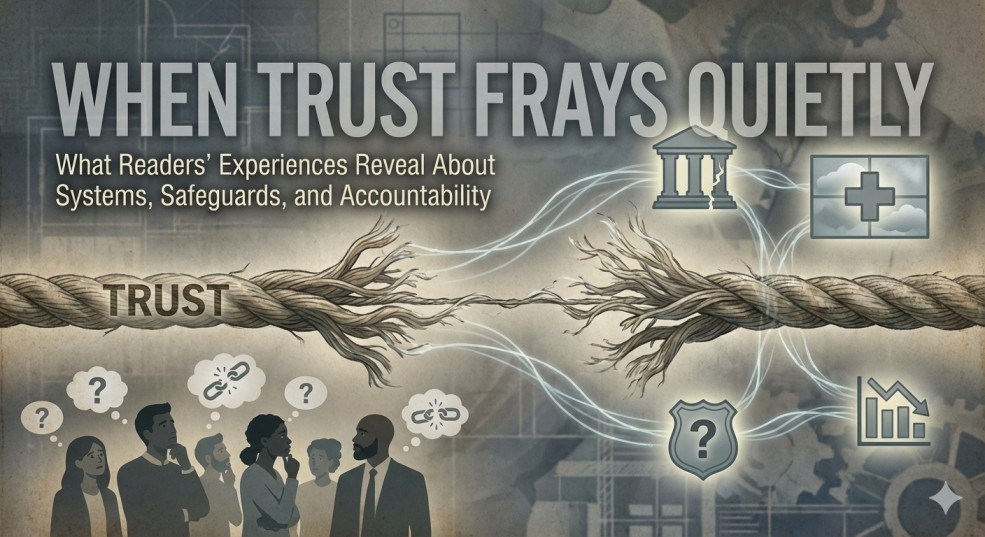
#110 When Trust Frays Quietly: What Readers’ Experiences Reveal About Systems, Safeguards, and Accountability 当信任悄然松裂:读者的亲身经历揭示制度、保障与问责的现实考验
In recent months, several readers have shared experiences that, taken individually, may seem unrelated. Yet when viewed together, they point to a deeper and more uncomfortable question:
What happens when systems designed to protect, assist, and stabilise society begin to feel inconsistent, opaque, or unsafe to the very people they serve?
This article does not allege wrongdoing by any institution or individual. Instead, it reflects patterns observed through reader accounts, raises questions worth examining, and highlights why trust once eroded is difficult to rebuild.
1. When “Help” Feels Ambiguous, and Motives Are Unclear
One reader described being approached by an individual who presented himself as someone who “exposes fraud” and encouraged Singaporeans to lodge police reports against multinational companies and government-linked entities.
Initially framed as civic assistance, the interactions later left the reader unsettled; particularly after contact ceased abruptly following career developments elsewhere, despite earlier assurances of continued support. When contact resumed unexpectedly much later, the reader declined further engagement on personal and faith-based grounds. The subsequent exchange, which included derogatory and racially charged remarks about religion, deeply alarmed her.

The key concern here is not personal conflict, but this question:
How should Singaporeans protect themselves when individuals claim to act as intermediaries, proxies, or informal representatives tied to state, military, or investigative functions without clear verification?
2. Inconsistent Experiences with Law Enforcement Touchpoints
Another reader shared a markedly different but equally troubling experience after submitting a police report.
- An initial follow-up call came from someone claiming to be a police officer.
- The conversation focused heavily on the reporter’s personal whereabouts rather than the alleged suspect.
- Attempts to clarify next steps were met with vague responses.
- No clear authentication of the caller or number was possible.
Feeling uneasy, the reader lodged a second report. This time, it was routed to a different division, where an Investigation Officer was clearly identified, assigned, and a defined follow-up timeline was provided.
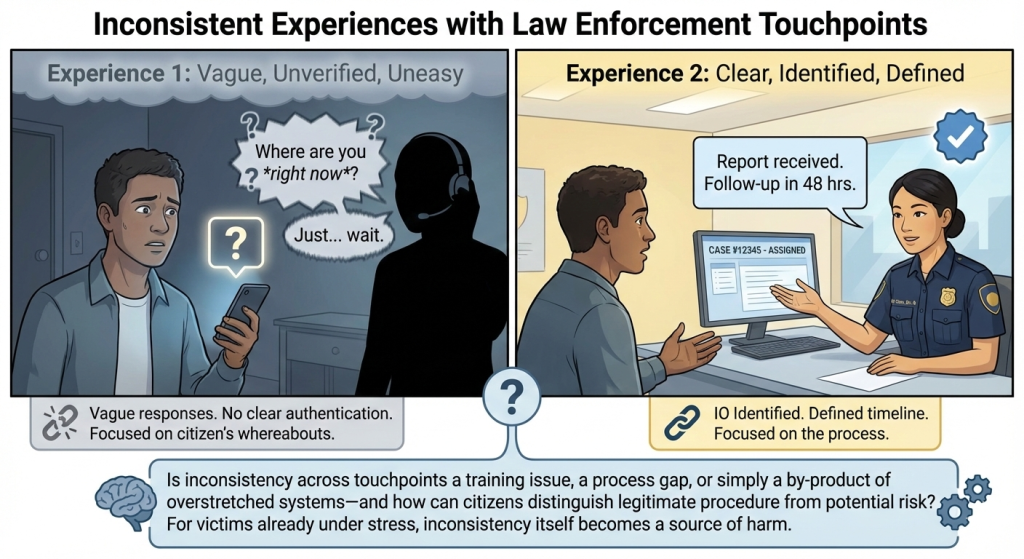
The contrast between these two experiences raises an important, non-accusatory question:
Is inconsistency across touchpoints a training issue, a process gap, or simply a by-product of overstretched systems—and how can citizens distinguish legitimate procedure from potential risk?
For victims already under stress, inconsistency itself becomes a source of harm.
3. Digitalisation That Helps; And Digitalisation That Hinders
Several readers highlighted friction points in well-intentioned digital systems:
- Financial aid platforms stating integration with “all major banks,” yet functioning smoothly only with one.
- Others still require physical tokens or manual steps that contradict the promise of accessibility.
- Community centre hotlines going unanswered during working hours when residents urgently need clarification near month-end.
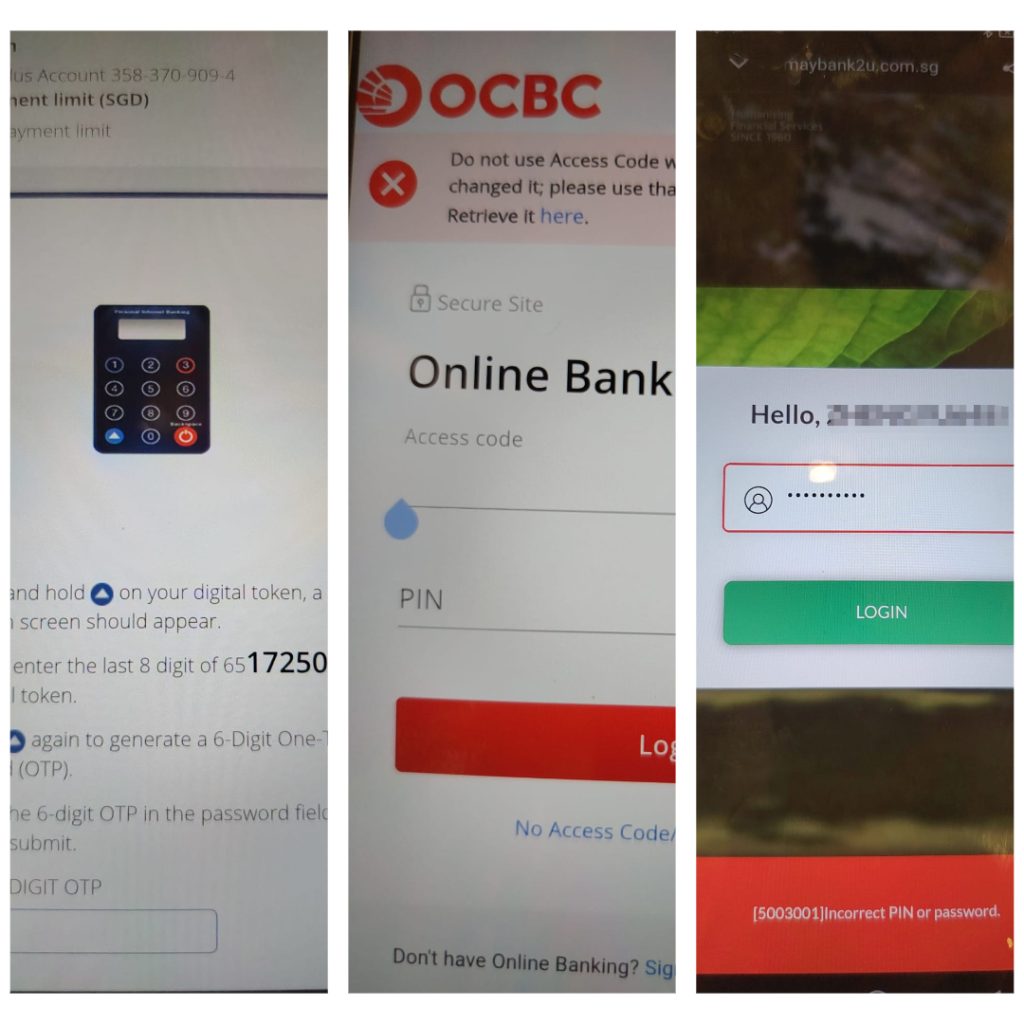
These experiences prompt a broader reflection:
When assistance is technically “available” but procedurally difficult, does access exist in principle, or in reality?
Digitalisation should reduce barriers, not quietly replace them with new ones.
4. Do Feedback and Writing Actually Make a Difference? Sometimes, Yes.
Some readers expressed frustration that raising concerns publicly seems to lead nowhere. Yet there are also quiet but meaningful counterexamples:
- A reader flagged confusing billing practices with excessive itemisation and opaque fees. Subsequent invoices became cleaner, simpler, and easier to reconcile.
- Another reader shared evidence of aggressive bird trapping practices. After the issue was highlighted and a follow-up photo provided, the cage was removed. Birds returned. The change was visible and immediate.
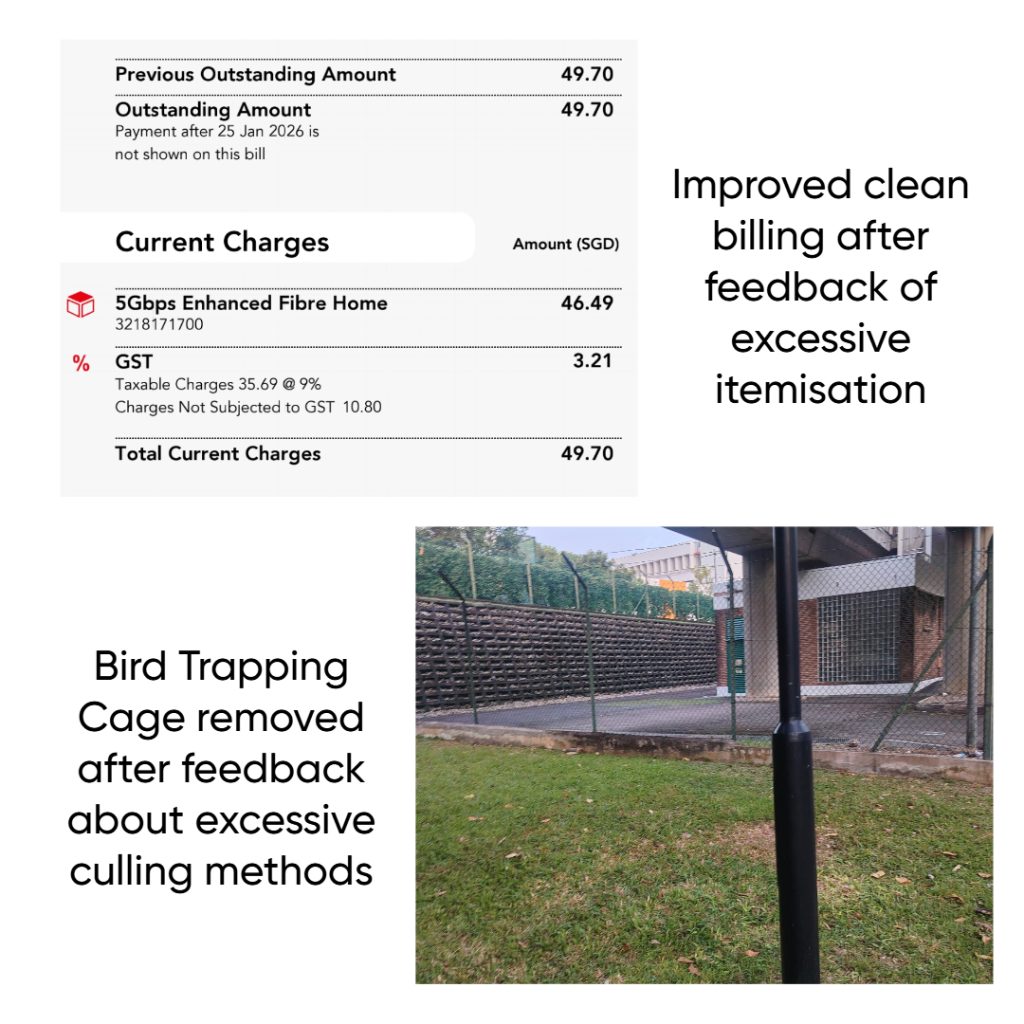
These moments matter. They remind us that feedback is not futile, even if progress is uneven and rarely acknowledged.
A Closing Reflection: Trust Is Built in the Small Details
Singapore’s strength has always rested not only on institutions, but on credibility, consistency, and the quiet assurance that systems work as intended; especially for ordinary citizens navigating stress, faith, finances, or vulnerability.
The purpose of sharing these accounts is not to inflame, accuse, or undermine confidence, but to ask:
- Where are the seams beginning to strain?
- How do we restore clarity where ambiguity creeps in?
- And how do we ensure that “help” never becomes something citizens must fear or second-guess?
Trust does not collapse overnight. It frays quietly until someone decides to speak.
This article is also published on LinkedIn.
#110 当信任悄然松裂:读者的亲身经历揭示制度、保障与问责的现实考验
近几个月来,多位读者分享了一些经历。单独来看,这些事件或许彼此无关;但若放在一起审视,却指向一个更深层、也更令人不安的问题:
当原本用于保护、协助与稳定社会的制度,开始在其服务对象眼中显得前后不一、不透明,甚至令人不安时,会发生什么?
本文并不指控任何机构或个人存在不当行为。相反,它基于读者的真实叙述,梳理所观察到的共通模式,提出值得审视的问题,并试图说明:信任一旦受损,往往极难修复。
一、当“帮助”变得模糊,动机不再清晰
一名读者描述,她曾被一位自称“揭露舞弊”的人士接触,对方鼓励新加坡人就跨国企业及政府关联机构的问题向警方报案。
起初,这些接触被包装为公民协助与正义之举。然而,随着对方在其个人事业出现转折后突然中断联系——尽管此前曾承诺会持续协助——读者开始感到不安。多年后,对方再次突然联系她,她基于个人及信仰原因婉拒继续往来。随后发生的对话中,对方发表了带有贬损与种族色彩的宗教言论,这令她深感震惊。
这里的关键并非私人冲突,而是以下这个问题:
当有人在缺乏明确核实的情况下,自称是与国家、军方或调查职能相关的中介、代理或非正式代表时,普通新加坡人应如何自我保护?
二、执法接触点上的不一致体验
另一位读者在提交警方报案后,分享了一段同样令人忧虑、却截然不同的经历。
- 起初,一通自称来自警察的跟进电话打来;
- 对话内容却大量集中在报案人本人的行踪,而非涉案对象;
- 当事人试图厘清后续流程时,只得到含糊其辞的回应;
- 来电号码与身份均无法获得清晰核实。
出于不安,读者随后再次报案。这一次,案件被转交至另一警区,一名调查官被明确指派,并给出了清楚的回电时间表。
这两种截然不同的经历,引出了一个重要、且并非指责性的疑问:
执法接触点上的不一致,究竟源于培训不足、流程断层,还是系统长期承压下的副产品?而公民又该如何分辨正常程序与潜在风险?
对于本已承受压力的当事人而言,不一致本身,往往就构成了二次伤害。
三、既带来便利、也制造阻碍的数码化
多位读者也指出,一些出发点良好的数码系统,在实际运作中出现摩擦点:
- 某些援助平台声称已与“所有主要银行”整合,但实际顺畅运作的却仅限于其中一家;
- 另一些仍要求使用实体保安令牌或繁琐的人工步骤,与“便捷可及”的承诺相矛盾;
- 在月底临近、居民急需厘清财务援助问题时,社区中心热线却在办公时间内无人接听。
这些经历引发了更广泛的反思:
当援助在技术上“存在”,却在程序上难以取得,这样的可及性究竟是原则上的,还是现实中的?
数码化理应减少障碍,而非悄然以新的形式取而代之。
四、反馈与书写真的有用吗?有时,确实如此
一些读者坦言,公开提出问题往往看不到明显进展。然而,也存在一些安静却真实的反例:
- 有读者指出账单项目过度细分、收费不透明的问题,随后收到的账单变得更清晰、简洁,也更易核对;
- 另有读者提供了过度捕鸟与投毒的证据。在问题被提出并附上后续照片后,捕鸟笼被移除,鸟类重新自由活动,改变清晰可见,且来得迅速。
这些瞬间意义重大。它们提醒我们:反馈并非徒劳,即便进展不均衡、也鲜少被公开承认。
结语:信任,建立于细微之处
新加坡的力量,从来不仅源自制度本身,更来自可信度、一致性,以及那种“系统确实在如其所应运作”的静默确信——尤其对那些在压力、信仰、财务或脆弱处境中前行的普通人而言。
分享这些经历的目的,并非煽动、指控或削弱信心,而是希望提出几个问题:
- 哪些制度的接缝,正在悄然承压?
- 当模糊出现时,我们该如何恢复清晰?
- 又该如何确保,“求助”永远不会变成公民必须害怕或反复揣测的事情?
信任不会在一夜之间崩塌。 它往往是在无声中松裂——直到有人选择开口。