
#91 🪖 “The Mirage of Readiness: Singapore’s Army Exercises Abroad and the Forgotten Cost at Home” 🪖 战备的幻象:新加坡海外军演与被遗忘的代价
When The Straits Times trumpets “the SAF’s largest overseas drill” with 5,000 troops and 500 platforms, it paints a glossy picture of might and solidarity. But beneath the camouflage and choreography lies a sobering truth that many Singaporeans have quietly felt for years: numbers are not strength; discipline is.
The Echo of a Tragedy
Singapore once mourned the death of actor Aloysius Pang, killed in a 2019 live-fire exercise in New Zealand while repairing a Self-Propelled Howitzer. It was not an isolated case. Before and after him came other names: Dave Lee (2018, heatstroke), Liu Kai (2018, vehicular collision), and Dominique Lee (2012, smoke-grenade exposure). Each incident was ruled a tragedy, followed by reviews, pledges, and committees. Yet, mishaps keep recurring, even in the very same training theatres that headlines now glorify.
Safety Culture or Safety Theatre?
Every new ministerial statement speaks of safety audits and Inspector-General Offices. But anyone who has worn the uniform knows how metrics often trump mindfulness. Exercises become stagecraft for diplomacy; commanders brief safety yet reward bravado. The more the institution expands its digital dashboards, the less its men seem to trust that genuine accountability exists.
The Human Factor
The greatest variable in any force is not its weaponry but its people. Inside every tent, hangar, or barrack, morale and integrity determine readiness far more than imported platforms. A culture that hides errors to save face will never build a force that can face fire.
Between Pride and Propaganda
Singapore once called itself a “poison shrimp”, small, dangerous to swallow, agile enough to sting giants. Today that legend feels ornamental. The public sees pomp and parades; soldiers see PowerPoint slides. Our defense posture risks becoming an expensive ritual of reassurance rather than a living discipline of readiness.
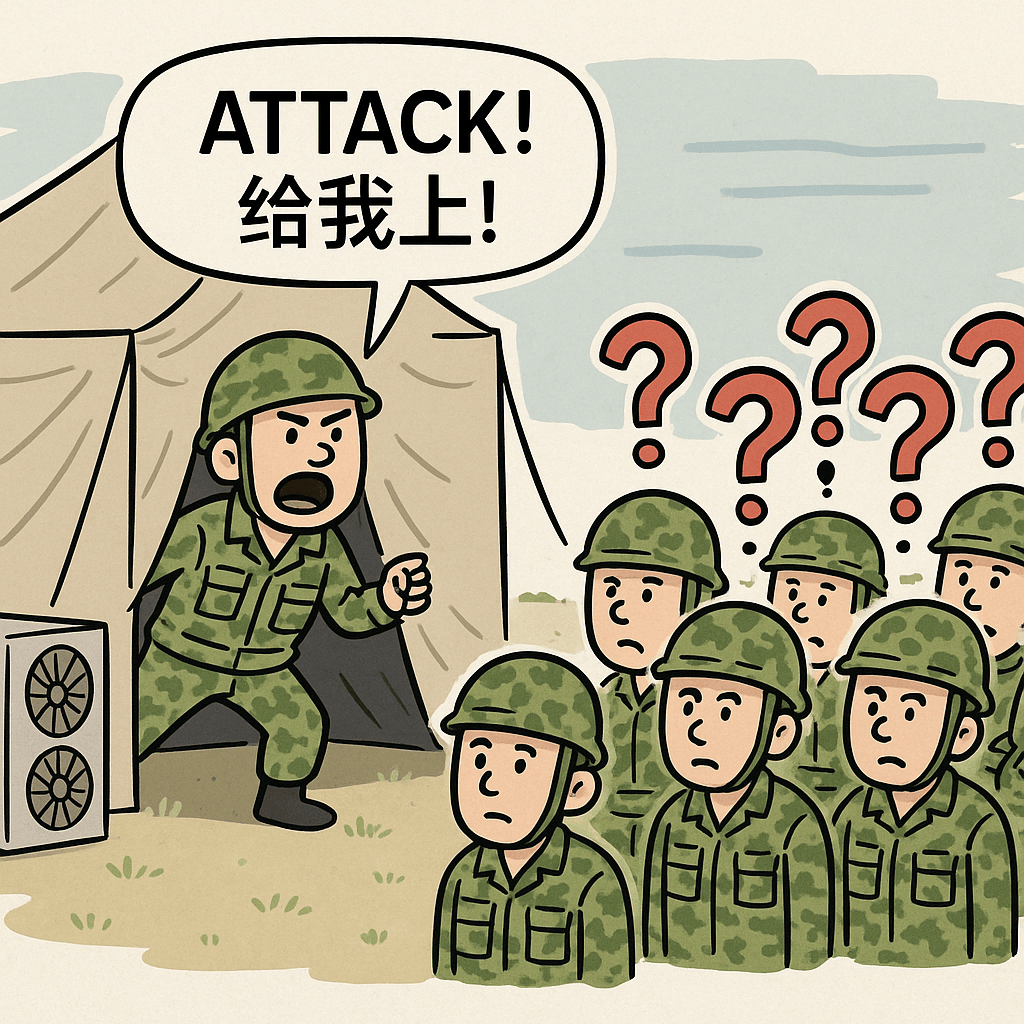
“One soldier once told me: “Your officer may be a bigger threat than the enemy. There’s a reason they always tell you to “watch your six.” It’s not just a tactical reminder; it’s a moral disclaimer. By saying it, they absolve themselves because technically, they did warn you about your impending sacrifice.
It was a brutal truth about misplaced trust; and about the system that cultivates it. Let’s be the thinking soldier we want to be, and not the kind they want.
This article is also published on LinkedIn. For more interesting articles about the “True representation of Singapore”, please visit the blog of marvinfoo.com.
Side note: Beijing’s recent purge of nine top generals has rattled the People’s Liberation Army, not for its scale but for its language. For the first time in years, the offence is not just corruption but disloyalty; a label rarely made public. The PLA Daily described their downfall as “a collapse of belief” and “a betrayal of trust,” suggesting that the central command sees internal allegiance as a matter of national security. In a system long tolerant of patronage and profit-taking, this pivot exposes a new priority: ideological purity above all else. By contrast, Singapore remains far too lenient; unwilling to call out disloyalty when it hides behind polished ranks and polite excuses.
#91 🪖 战备的幻象:新加坡海外军演与被遗忘的代价
当《海峡时报》高声宣称“新加坡武装部队史上最大规模海外军演”——动员五千名士兵与五百套装备——它描绘出一幅充满力量与团结的华丽图景。 但在这层伪装与排演之下,隐藏着一个让许多新加坡人多年心知肚明的真相:人数不是力量,纪律才是。
悲剧的回声
新加坡曾为演员冯伟衷(Aloysius Pang)的离世而集体哀悼——他在2019年于新西兰参加实弹演习时,因维修自行榴弹炮意外身亡。 这并非孤例。 在他之前与之后,还有:李俊贤(Dave Lee,2018年,热衰竭)、刘凯(Liu Kai,2018年,装甲车相撞)、以及李崇谦(Dominique Lee,2012年,烟雾弹意外)。 每一次事件都被定性为“悲剧”,随后是检讨、承诺与委员会调查。 然而,事故依旧反复发生——甚至在同样的训练场上,媒体如今却将之包装成荣耀。
安全文化,还是安全表演?
每一次新的部长声明,都在谈“安全稽核”与“监察署(IGO)”。 但任何穿过军装的人都知道——指标常常压过觉悟。 演习成了外交的舞台秀;长官口头强调安全,却暗地里嘉奖冒险。 系统的数字化仪表板越精致,士兵对“真实问责”的信任就越稀薄。
人的因素
任何部队中最不可控的变量,不是武器,而是人。 在每一个帐篷、机库与营房中,决定战备状态的不是进口装备,而是士气与正直。 一个为了面子而隐瞒错误的文化,永远无法打造能面对真战火的军队。
骄傲与宣传之间
新加坡曾自称“毒虾”——虽小,却难以下咽、能刺痛巨人。 而今,这个传说更像装饰。 公众看到的是典礼与阅兵;士兵看到的是幻灯片与报告。 我们的防务姿态,正逐渐沦为昂贵的安慰仪式,而非真正的战备修行。
有位士兵曾对我说: “真正的威胁,有时不是敌人,而是你的长官。 他们总对你说‘看好你的六点钟方向(Watch your six)’, 那不只是战术提醒,更是道德免责声明。 说出口,就意味着他们心安理得—— 因为从技术上讲,他们确实警告过你, 只是你没看出那背后的牺牲。
这是一个关于信任错位与体制共谋的残酷真相。 让我们成为会思考的士兵,而不是他们想要的听话的士兵。
此刊文也发布在领英社交媒体;若想读阅类似关于”真正的新加坡故事“,请游览【胡马宾的博客】。
附言:北京近日对九名高级将领的整肃震动了解放军,令人震惊的并非规模,而是措辞。多年未见的“罪名”不再只是贪腐,而是不忠;一个极少被公开使用的标签。 《解放军报》形容他们的堕落是“一种信仰的坍塌”和“对信任的背叛”,暗示中央高层已将内部忠诚视为国家安全的核心问题。 在一个长期容忍裙带关系与权钱交易的体系中,这一转向揭示出新的优先次序:意识形态纯洁性高于一切。
相较之下,新加坡显得过于宽容;对隐藏在光鲜军衔与礼貌言辞背后的不忠,始终讳莫如深。

![#38 [🌿 Spiritual Leadership]神域的平常心,凡间的日常行 – 胡马宾 A Divine Calmness in the Mundane World – Mar Vin, Foo](https://marvinfoo.com/wp-content/uploads/2025/06/ChatGPT-Image-Jun-12-2025-06_24_30-AM-768x512.jpg)