
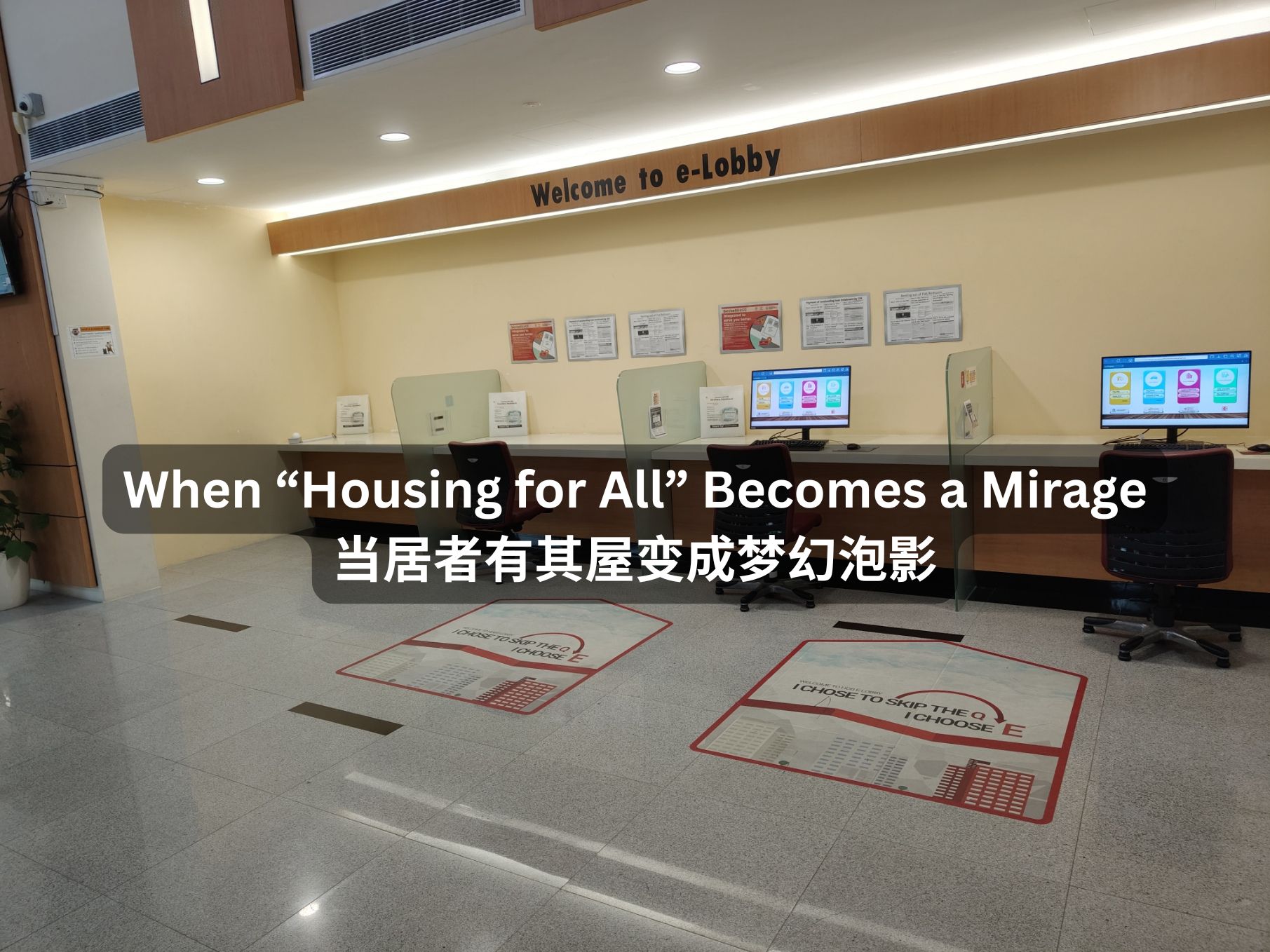
#88 🏠 Inequality in Public Housing Which Singapore Is Proud Of
🏠 When “Housing for All” Becomes a Mirage
Singapore’s public housing program has long been hailed as one of the world’s greatest social achievements, a shining model that other nations admire. But for those caught in the system’s cracks, the reality is not one of pride, but quiet despair.
A reader recently shared a story that reveals the widening gap between HDB’s promise and the lived experience of ordinary citizens. It’s a story every Singaporean should read because whether you’re married, divorced, or single, the day may come when you too will find yourself ostracized by a system that promised otherwise; and that probability is high.
💔 From Faith to Disillusionment
The reader’s ex-husband once believed deeply in the Singapore model, that every hardworking citizen would be given a fair chance to own a home.
That belief was shattered when he applied for his first HDB Home Financing Eligibility (HFE) in August 2025. Initially, the instructions were clear. Then came the turning point: he mentioned his divorce.
He followed up weekly for more than two months; each time, getting a different answer.
From that moment, the process spiraled into confusion with deleted conversation records, contradicting verbal advice, and disjointed systems across departments that could not talk to each other.
🌀 A Bureaucracy in Loops
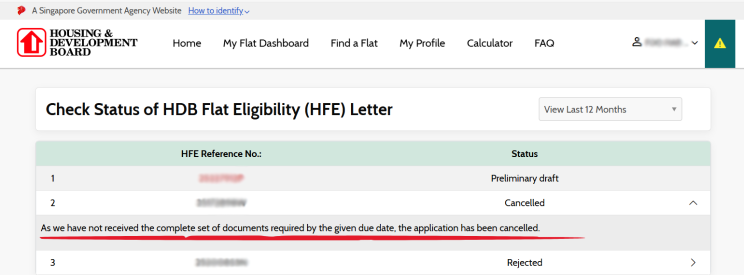
After submitting his Interim Judgment for Divorce and other required documents, the portal showed “Pending Documents.” When he called the HDB hotline, he was assured all documents were in order, only to be told that a special form was needed for shared custody, care and control.
He requested the form; the officer promised it would be sent. It never came.
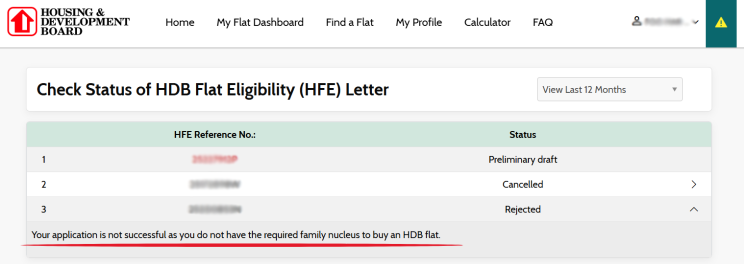
Weeks later, with help from the Family Services Office, the portal changed to “Pending Processing.” But the next day, an email arrived: “Application cancelled — family nucleus not formed.”
He had already listed his children as occupiers and submitted legal proof of shared parenting time. Yet, he could not reach the officer-in-charge. Every call to the hotline ended with the same response, “we’ll pass your message.” None ever reached the officer.
🏢 The Public Spectacle at Yishun Branch
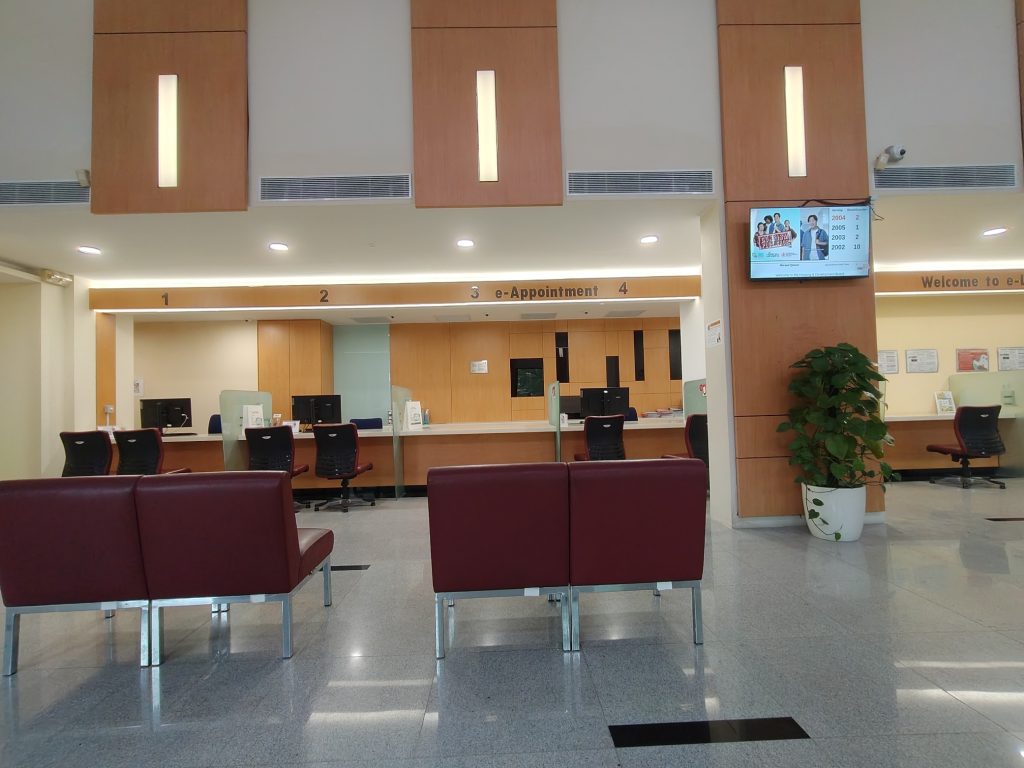
Following Family Services’ advice, he visited the Yishun HDB Branch in person. The counter staff repeated the familiar refrain, “we can only relay messages.”
In a society that prides itself on efficiency, watching officers deflect responsibility in full public view felt surreal, and deeply humanizing in the worst way
The reader pleaded for urgency, explaining that he had been following up weekly for over two months. People in the queue began to listen. They too saw how a supposedly efficient public service had become a theatre of avoidance, where officers passed responsibilities like a game of tai-chi.
Meanwhile, the HDB portal quietly updated, new HFE applicants would no longer qualify for the October Sales Exercise, which included the coveted Keppel Club BTO site. Was this a coincidence, or a quiet filtering of cases deemed “inconvenient”?
Read earlier article on “Meritocracy or Gatekeeping? SkillsFuture, Housing, Telcos and the Illusion of Fair Opportunity”, Meritocracy or Gatekeeping? SkillsFuture, Housing, Telcos and the Illusion of Fair Opportunity” which echoes the opaqueness of the current state of affairs.
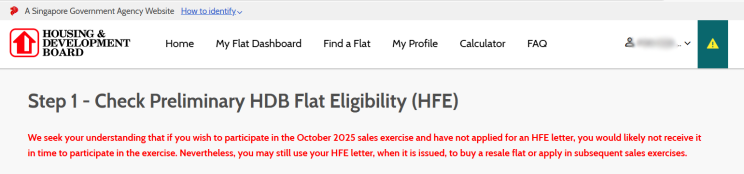
🧩 Contradictions and Internal Chaos
Amid the chaos, one officer, Lay Hong, showed compassion. She printed the policy text stating that a written agreement from a former spouse indicating shared custody, care and control would suffice for application purposes.
But the next day, the back office called: application still cancelled.

The reason? A different officer, Julia Loo interpreted the policy differently, saying the divorce documents themselves must first show shared custody, care and control, otherwise the written agreement would not count.
Even the reader’s former spouse joined the call, but both were met with the same dismissive tone. When the reader requested escalation, Julia’s supervisor, Lim Sijie, finally explained:
“The written agreement only applies after shared custody, care and control are already reflected in the divorce document.”
In other words, the rulebook itself was misleading. The officer suggested 2-Room even when the intention from the reader was to form a family nucleus for a 3-room or bigger unit. Is HDB suggesting a child to be separated from a parent?
Interestingly, the officer who replied to the cancellation of the email was, “Lee Mei Zhen”, whom the reader thought was the officer-in-charge but it turns out to be another HDB officer, Julia Loo instead. Transparent? Opaque? Misleading? Or simply a reflection of how fragmented the system has become?
⚖️ When “Equality” Depends on Marital Status
This case exposes a deeper flaw, the inequality baked into the system itself. The design itself seems to reward stability, not vulnerability; ironically punishing those in transition,
- Married couples enjoy streamlined eligibility, fast-track approvals, and multiple grants.
- Singles and divorcees face moving goalposts, ambiguous criteria, and dead-end bureaucracy.
- Low-income Singaporeans, ironically, are disqualified from housing grants because they have no income.
In practice, being married is more equal than being single or divorced. And with one in three marriages ending in divorce, almost every Singaporean will one day be vulnerable to this systemic exclusion.
💸 The Cruel Irony of “Means-Tested Compassion”
Housing grants only go to those with steady income. Those who need help most — the unemployed, caregivers, or those recovering from hardship — are the ones left behind.
As the reader reflected:
“When you’re fit and contributing, the system embraces you. But the moment you need help, it quietly shuts the door.”
This isn’t a safety net. It’s a marketing campaign detached from ground reality.
📢 A Call to Policymakers: Fix the Messaging, Fix the Policy
To the ministers, policymakers, and senior HDB officers, this is not about one applicant. It’s about restoring trust.
If the policy truly requires divorce documents to explicitly state shared custody, care and control, then say it clearly right on the HDB eligibility website.
Do not mislead the public with the current phrasing that a written agreement from the former spouse “would suffice.” It does not.
The words “divorce documents” do not appear in the Core Family Nucleus section, and this lack of clarity has caused months of wasted time, emotional distress, and unnecessary public frustration.
🚫 Stop Overselling What’s Broken
Singapore should stop overselling its public housing as “affordable and accessible for all” to citizens and to the world, when reality tells another story.
If the system has become selective, favoring those who are married, well-employed, and compliant, then it is time to admit it honestly instead of packaging it as universal fairness.
There is no shame in imperfection. But there is deep shame in overmarketing an illusion while citizens fall through the cracks.
🧭 The Real Test of Pride
Our nation’s pride in public housing should not come from glossy photos of skyline estates, but from the quiet dignity of every citizen who feels they belong — even when life takes unexpected turns.
Until that happens, “housing for all” remains an unfinished promise, a pledge recited in our national anthem, but not yet reflected in our national home.
✍️ by Mar Vin, Foo
Top Voice in Corporate Sustainability | Writer & Speaker at MARVINFOO Reflecting on policy, humanity & the future we build together.
This article is also published on LinkedIn.
#88 🏠 新加坡引以为傲的公共住房不平等现象
当“居者有其屋”成为一场幻影
新加坡的公共住房计划长期以来被誉为世界上最伟大的社会成就之一;一个被各国称赞的光辉典范。 但对于那些被系统漏洞困住的人而言,现实并非骄傲,而是无声的失落。
最近,一位读者向我分享了一个亲身经历;揭示出建屋局(HDB)承诺与普通公民真实体验之间的巨大鸿沟。 这是一则每个新加坡人都应读一读的故事;因为无论你是已婚、离异,还是单身,总有一天,你也可能被这个曾承诺“全民住房”的体系所排斥。
💔 从信仰到幻灭
这位读者的前夫曾深信“新加坡模式”;相信每个勤奋工作的公民都应有公平的机会拥有一套属于自己的房子。
然而,当他在 2025年8月 申请第一次 建屋局贷款资格(HFE) 时,这份信念被彻底粉碎。 起初,流程说明清晰。转折点在于;他提到了离婚。
此后,他每周跟进超过两个月;每一次都得到不同的答案。
从那一刻起,流程陷入混乱;对话记录被删除、口头指示相互矛盾、不同部门系统之间无法沟通。
🌀 官僚体制的循环
在提交了离婚中期判决书及其他所需文件后,系统状态显示“文件待提交(Pending Documents)”。 当他拨打建屋局热线时,工作人员向他保证所有文件齐全;却又表示还需要一份“共同监护、照顾与管控”相关的特别表格。
他当场要求表格,职员答应会寄出;但表格从未出现。
几周后,在家庭服务中心协助下,系统状态终于更新为“处理中(Pending Processing)”。 但隔天,他却收到电邮通知:“申请已取消——未形成家庭核心(family nucleus not formed)。”
他早已将孩子列为同住成员,并提交了法律文件证明轮流抚养的安排。 然而,他始终无法联系负责其案件的官员。 每次拨打热线都得到相同回答:“我们会帮您转达信息。” 但从未有人真正回复。
被划上红线的拒绝理由是“家庭核心未形成”,却没有任何说明下一步该如何获得HFE批准。 取消理由写的是“文件不完整”,但热线人员却确认文件齐全。取消是偶然?还是另有优先顺序决定谁能通过?
🏢 群众眼中的义顺分局现场
在家庭服务中心的建议下,他亲自前往义顺建屋局分局。 柜台职员仍然重复那句熟悉的回答:“我们只能帮您转达信息。”
在一个以高效率自豪的社会里,眼看官员在公众面前推诿责任,显得既超现实,又令人无奈。
他请求尽快处理,解释自己已连续两个月每周跟进。 队伍中的人开始侧耳倾听;他们也目睹了一个“高效机构”如何沦为推诿剧场,责任被像太极球一样反复推走。
与此同时,建屋局网站悄然更新;新的HFE申请者将不再有资格参加10月的预售配屋(Sales Exercise),其中包括最受瞩目的前吉宝俱乐部BTO地段。 这只是巧合?还是悄悄筛选掉“不方便”的个案?
点击此处, 阅读两周前发布的 ”精英主义还是“门槛主义”?技能未来、公共住房、电信与公平机会的幻象“刊文, 内容叙述当今国家事务的“不透明度”。
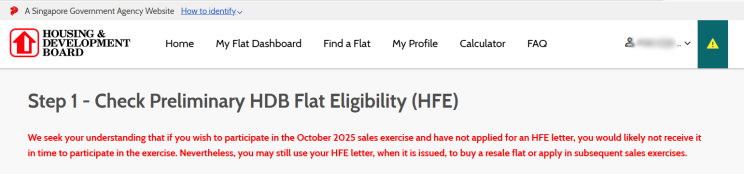
上图显示,这位读者的HFE申请被取消的时间正好比这条红色通知早一天发布——意味着他的重新申请将错过10月那次珍贵的预售机会。
🧩 矛盾与内部混乱
在混乱中,一位名叫Lay Hong的职员表现出同理心。 她打印出政策内容,指出:只要前配偶书面同意共同监护、照顾与管控,即可满足申请条件。
然而隔天,后台来电通知:申请仍被取消。

上图显示,前配偶的书信协议即可,但现实却需要离婚协议证书;网上也没明确需要离婚协议证书。
原因?另一位官员,Julia Loo 却有不同解读。她认为离婚判决文件中必须明确写明“共同监护、照顾与管控”,否则前配偶的书面同意不具效力。
读者的前配偶也加入了电话对话,却同样遭遇冷淡语气。 当读者要求升级处理时,Julia的上司Lim Sijie终于出面解释:
“书面同意仅在离婚文件中已注明共同监护与照顾时,方才适用。”
换言之,政策本身存在误导。
更荒谬的是,官员建议他申请两房单位,尽管他明确说明希望组成家庭核心,申请三房或以上。 建屋局这是在暗示;孩子应与父母分离吗?
有趣的是,回复取消电邮的职员署名是李美贞(Lee Mei Zhen),但实际负责的却是另一名官员,Julia Loo。 透明?模糊?误导?或只是系统失序的反映?
⚖️ 当“平等”取决于婚姻状态
这起事件揭示了更深层的问题,不平等已被制度化。 系统的设计似乎奖励“稳定”,却惩罚“转变”——反而让那些处于人生过渡期的人陷入困境。
已婚夫妇享有简化的申请流程、快速审批与多项补助。 单身者与离异者则面对不断变动的标准、模糊的规定与无尽的官僚回圈。 低收入者更是讽刺地被排除在外;因为他们“没有收入”,所以无资格领取住房津贴。
现实中,已婚者比单身或离异者“更平等”。 而随着每三对婚姻就有一对以离婚收场,几乎每个新加坡人迟早都可能成为被制度排斥的一员。
💸 “按收入测试的同情”之残酷讽刺
住房补助只发给有稳定收入的人。 那些最需要帮助的失业者、照护者、或正从困难中恢复的人,反而被遗弃在外。
正如这位读者所言:
“当你能赚钱、能贡献时,制度欢迎你; 一旦你需要帮助,它就悄然关上门。”
这不是社会安全网, 而是一场与现实脱节的营销宣传。
📢 致决策者:修正宣传,厘清政策
致各位部长、政策制定者与建屋局高层官员, 这不仅是一个个案,而是一场信任危机。
如果政策确实要求离婚文件必须明文载明“共同监护、照顾与管控”, 那就请在建屋局资格网页上清楚写明。
不要再用“前配偶书面同意即可”的模糊字眼误导公众;事实并非如此。
在建屋局网站的 核心家庭(Core Family Nucleus)章节中, 并未出现“离婚文件”这四个字。 这份模糊导致了数月的时间浪费、精神折磨与无数新加坡家庭的挫败。
🚫 停止过度包装已失衡的体系
新加坡不应继续向国人与世界过度宣传“人人可负担、人人可拥有”的公共住房神话。 当现实已截然不同,就必须诚实面对。
若制度已转变;偏向已婚、有稳定收入、顺从体制的人; 那就坦白承认,而非继续包装成“全民平等”的假象。
承认不完美并不可耻, 但在破碎中继续兜售幻象, 才是真正的耻辱。
🧭 真正的国家荣光
一个国家对公共住房的骄傲,不应来自天际线的华丽照片, 而应来自每一位公民在风雨人生中仍能感受到的尊严与归属。
在那之前,所谓的“居者有其屋”, 仍然只是一句未完成的承诺; 一句我们在国歌中吟唱、 却尚未在国土上兑现的誓言。
✍️ 胡马宾(Mar Vin,Foo) LinkedIn 企业可持续发展领域精选声音|作家与演讲者 @ MARVINFOO 思考政策、人性与我们共同构建的未来。
![#50 [🌏 Business Outlook 2025] SCCCI – Maybank Mid-Year Business Outlook Forum 2025 新加坡中华总商会与马来亚银行联合主办 2025年中经济展望论坛(华语)](https://marvinfoo.com/wp-content/uploads/2025/07/IMG_20250717_183143-768x1013.jpg)


![#60 [🎓 Reconnecting with Roots: A Special Visit to NUS] 【🎓 重返母校:一场意义非凡的NUS之行】](https://marvinfoo.com/wp-content/uploads/2025/08/IMG20250806122646-768x576.jpg)