
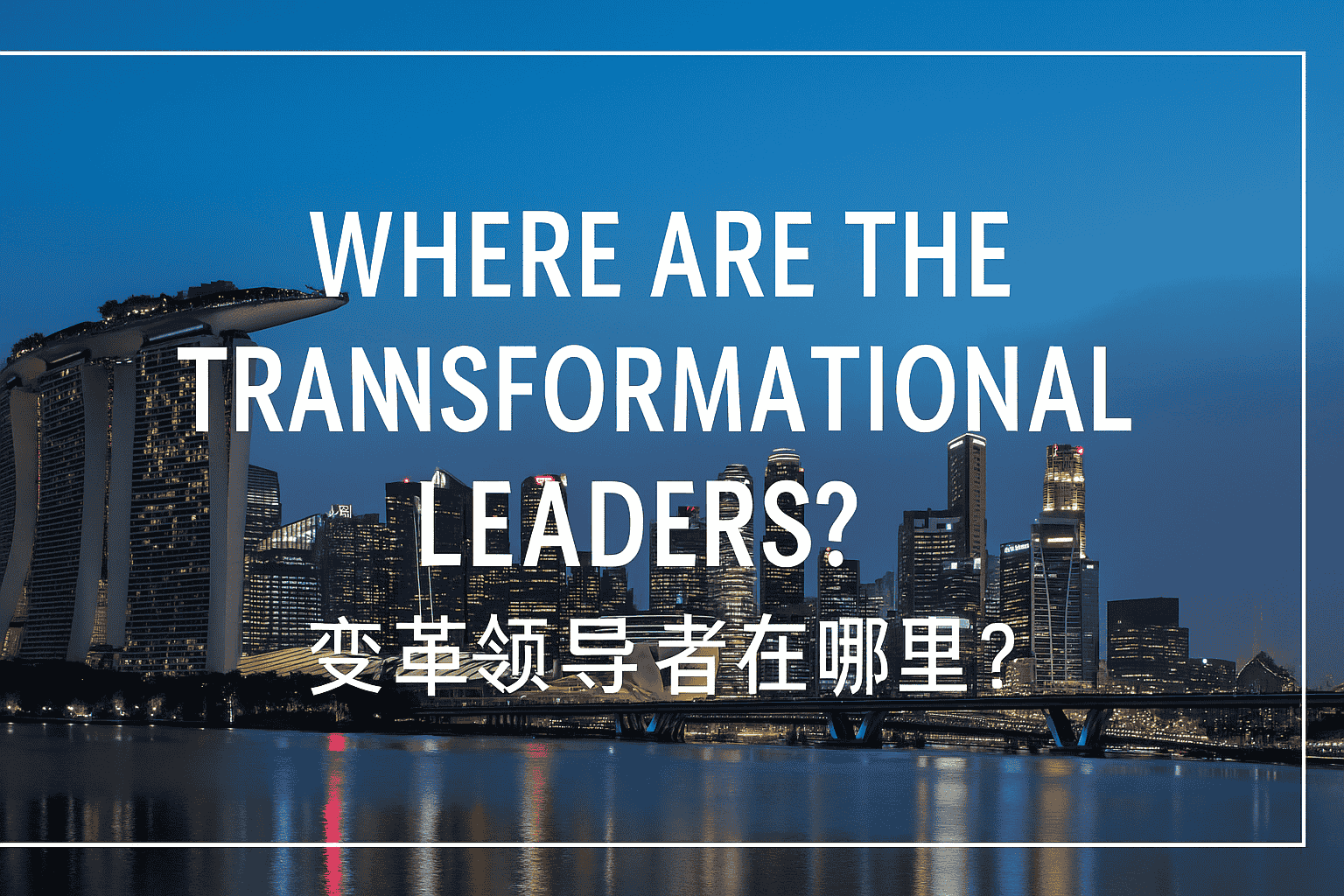
#86 ❓ Meritocracy or Gatekeeping? SkillsFuture, Housing, Telcos and the Illusion of Fair Opportunity
中文版在英文刊文下方
Singapore markets itself as clean, fair, meritocratic and technologically advanced. But story after story shows how branding diverges from lived reality; and how calls for transparency are too often met with silence.
1) Training & certification that feel closed
A professional trying to earn a Workforce Skills Qualification (WSQ) credential; specifically the Advanced Certificate in Learning and Performance (ACLP), essential for aspiring trainers described the process as “deliberately difficult and opaque.” Assessment standards felt unclear; feedback was inconsistent. Passing seemed easier for those with networks like grassroots ties, entrenched training firms, or influential family names. By the way, Workforce Singapore (WSG) drew the line clearly with SkillsFuture Singapore, which is in-charge of WSQ.
The point isn’t to lower standards. It’s to make standards visible and appealable: publish rubrics, give timely feedback, and show how seats and passes are allocated.

A reader shared that the ACLP application system is very ‘unique’, that she has to enroll every Friday at a specific time window to apply; and selection is supposedly based on balloting which she gave up after repeated tries. The certification is so coveted that certified trainers can perform training across different institutions, companies and organizations; this is even so for trainers who obtained the certification from a few years ago suggesting deep experience based on the year of accreditation. However, from what was described, some of these trainers who obtained the ACLP certification are no longer practicing and depriving those who are keen to obtain the certification to embrace teaching as their favorite profession.
2) Grants that seem to flow to the big and well-connected
In my earlier piece “#78 ❌ 3 Months, 10 Emails, No Answers: Why Grant Transparency Matters for SMEs”, I questioned how grants are actually disbursed despite public claims of helping SMEs. After that article, Stephen Dean Lee shared that OCBC could receive 90% salary support under the Career Conversion Programme (CCP) to hire him; a major bank competing for the same subsidy pool SMEs depend on.
If the goal is a level playing field, it must be seen: publish allocation criteria, recipients, and outcomes, with SME prioritisation where intended.
3) Public-service gatekeeping: HDB, ICA, and broken feedback loops
- Estate consent for a bedridden mother: One reader said Housing Development Board (HDB) insisted her bedridden, Cantonese-speaking mother personally sign consent to receive property from a will. Lawyers questioned the necessity. At her Meet-the-People Session, she found the Member of Parliament (MP) gracious; but volunteers repeatedly dismissed the case despite many visits. If volunteers have status and perks, is accountability equally strong?
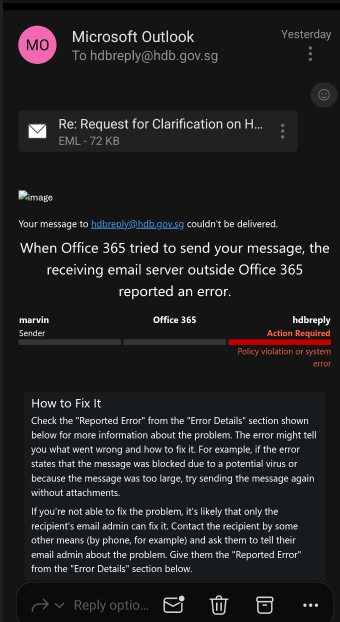
- HFE rejection without recourse: Another reader’s HFE (Home Financing Eligibility) application was rejected even though the hotline said his documents were fine. No explanation, no link to appeal, no channel to give feedback. A Family Service Centre officer finally drafted an email on his behalf; but when the reader replied to the HDB address (copied in), the message bounced. For a family urgently needing a home, this is not a minor UX bug; it’s a wall.
- Long Term Visitor Pass (LTVP) granted, then revoked at the counter: A long-time PR family with a newborn bought an HDB flat and applied for Permanent Resident / Citizenship / LTVP. With MP help, Immigration Checkpoint & Authority (ICA) approved the LTVP; only to say at collection that the approval was a mistake and revoked it on the spot. No clear appeal path. A family already invested in a home was left in distress.
4) Opaque allocation: from SkillsFuture to HDB ballots
Authorities say ACLP/WSQ seats are merit-based and HDB BTOs are allocated by random ballot. Yet many applicants experience both as black boxes:
- Professionals trying to enter the ACLP trainer pool describe unclear screening and no practical appeal route.
- Families applying for HDB flats, especially in coveted central/mature estates, repeatedly fail despite meeting criteria; with no granular explanation beyond high-level odds.
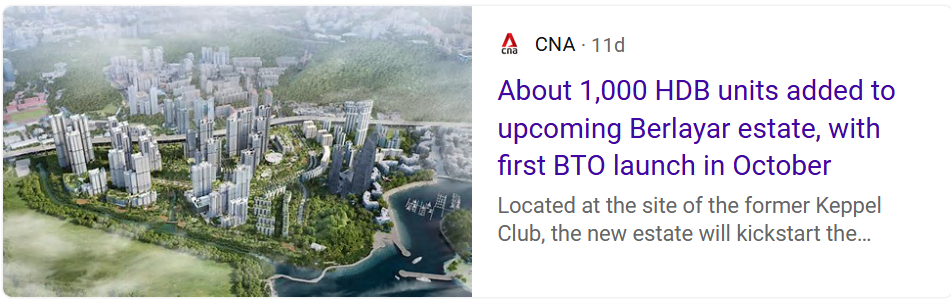
- With the highly anticipated former Keppel Club site (the new Berlayar estate) launching its first BTO in October 2025, transparency matters: HDB itself says Berlayar Residences will offer 870 2-room Flexi, 3-room and 4-room units in the first tranche; a scarce, prized public resource that must be seen to be fairly allocated. HDB
When officials decline to cite reasons, offer no way to clarify, and invoke “balloting” as an unchallengeable answer, it starts to look like deflection, not fairness. Connect the dots: the same pattern appears across grants, WSQ, HDB and immigration promised transparency giving way to silence or bounced emails.
If these systems are truly fair, publish the methodology and the appeal routes. Explain outcomes, allow review, and prove fairness.
5) Connectivity as a lifeline, and a warning
- Stranded overseas during COVID: A reader’s StarHub SIM was disabled while she was abroad. She couldn’t authenticate payments to support her bedridden mother; yet was billed for three years. Customer service told her to resolve it in person, impossible when borders were shut. On return, she was sold tourist SIMs that expired in months, then prepaid with similar limits. She couldn’t commit to postpaid because she was stationed overseas, but still needed a stable number to care for family.
- M1 prepaid termination: Another reader lost a prepaid line long used by her late mother. “Do you know who prepaid customers are?” she asked. “Not just foreigners; instead many elderly Singaporeans.” Losing a number breaks access to banking, e-services, identity, emergency alerts.
This isn’t mere inconvenience: telecoms are basic utilities.
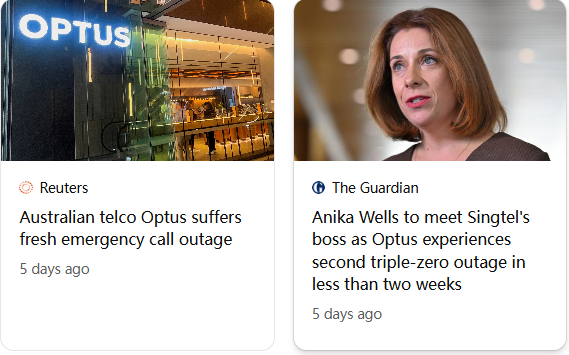
And the stakes are global. In Australia, Singtel’s subsidiary Optus suffered a major outage in September 2025 that blocked 000 emergency calls for up to ~13 hours. Authorities and media report hundreds of failed emergency calls and deaths linked to the outage; follow-up reporting cites four deaths linked to failed triple-zero calls. Reuters
Leadership lesson: telcos must balance profit with duty of care, engineering resilience like a public utility; because that’s what they are.
6) Digital transformation, or digital entanglement?
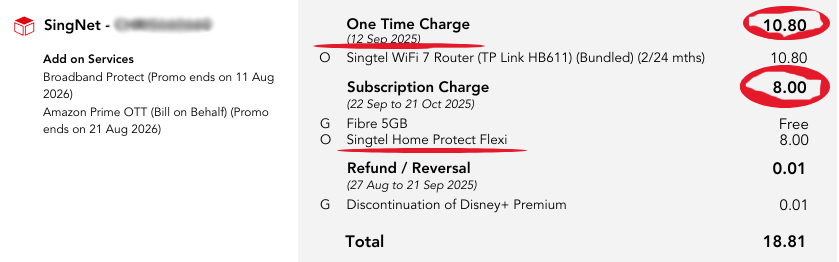
A reader’s Singtel broadband signup became a maze of bundled add-ons — including a Singtel Home Protect (Great Eastern home-insurance) product with multiple overlapping Singtel service agreements issued and amended (some several times in a day). Billing terms shifted spelling, forcing the customer to play detective. We discussed a similar case with the Disney+ add-on, which was near impossible for activation after repeated tries and 1 manday effort wasted. Transformation isn’t real if it makes every customer their own auditor.
Are Infocomm Media Development Authority (IMDA) and Consumers Association of Singapore (CASE) aware and ensuring practicing companies are adhering to Telecommunications Act (itemised to the point of confusion) and Consumers Protection Act for unfair practices with One-Time Charge that was supposed to be waived?
Is Inland Revenue Authority of Singaore, IRAS checking on the GST reversals that looked strange because of all the bundling with Amazon and Disney+ with reversals?

7) Institutions must lead by example: the NUS case
NUS recently reverted to a five-day work-from-office policy for staff (ending its four-days-in/one-day-WFH model). Whatever one’s view of hybrid work, the public justification was about quality and cohesion. CNA
But leadership is also about how institutions engage the public. A reader reports that a female surveyor, allegedly from the NUS Institute of Policy Studies, surname Ng, in her forties, repeatedly contacted her via phone calls, emails and WhatsApp, and made two unsolicited doorstep visits that were turned away by guards. Regardless of intent, repeated contact plus doorstep visits without consent does not respect privacy and looks like targeted surveillance, not neutral, anonymised research.
Public caution: Be wary of “surveys” that feel personalised rather than random and truly voluntary. Legitimate research should be explicit about who is collecting data, why, how it will be used, and your right to decline without pressure or persistence.
Earlier I wrote “Clearing the Cache: A Reboot for Singapore’s Moral Authority” (acknowledged with thanks by Prof Tan Eng Chye) calling on NUS to live the values it teaches: transparency, ethical conduct and moral authority. NUS’s president has since been conferred the President’s Science & Technology Medal (2025); an honour that also heightens expectations that NUS will lead by example in everyday practice, not just in awards citations. NUS News
Reader checklist for ethical outreach
- Clear institutional identity (official email domain, staff ID).
- Plain-language study brief & consent (purpose, data use, retention, your rights).
- No-pressure opt-out (immediate honouring of “do not contact”).
- A single official channel for queries/complaints (PI or data-protection office).
- No doorstep visits unless explicitly scheduled by you.
If any approach fails these basics, decline, document, and request deletion of any data gathered.
8) Patterns across domains (connect the dots)
- WSQ & ACLP: opaque entry, unclear feedback, no real appeals.
- Grants: unclear disbursement; big corporates can tap the same pools as SMEs.
- HDB & ICA: rejection or reversal without reasons; no avenues to clarify; even emails bounce.
- BTO/Keppel (Berlayar): prized central housing allocated via a process many experience as a black box. HDB
- Telcos: vulnerable customers stranded; overseas outage linked to fatal emergency-call failures. Reuters
- Universities/think tanks: survey practices that feel targeted, not anonymised.
Everywhere, calls for clarity meet deflection: “balloting”, “policy”, “no reply”, “technical bounce”. On the environment too, Singapore’s public air-quality indices are derived from ambient monitoring networks across the island (PSI/PM2.5); critics note that such networks track area-wide exposure and not onsite industrial stack emissions (e.g., on Jurong Island), fuelling debate about whether public indices fully capture localised industrial impacts. National Environment Agency
9) What real accountability would look like
- WSQ/ACLP: publish rubrics, timelines, and appeals; disclose provider ownership where public funds are involved.
- Grants: open dashboards of applications, awards and outcomes; SME-first where intended.
- HDB: explain HFE rejections, fix dead-end mailboxes, and publish ballot methodology & odds in a way an applicant can verify; create an appeal path with timelines.
- ICA: clarify reasons for reversal and offer structured review routes.
- Telcos: treat connectivity as a public utility; design for seniors/overseas citizens; publish resilience plans and post-incident audits.
- Institutions (NUS/IPS): codify ethical outreach; enforce real-world oversight of fieldwork; protect consent and privacy.
Singapore’s reputation for meritocracy and clean governance is valuable; but only if it is visible and provable. If upskilling feels like gatekeeping, grants favour the rich, housing and training allocation are opaque, telcos fail their duty, and institutions dismiss scrutiny, then slogans won’t hold.
Until the systems explain and allow challenge, connect the dots: when rejections come with no reasons and no avenue to clarify, that’s not transparency; it’s deflection.
So, where are the transformation leaders? Yes, they exist with whitewashed PR marketing; albeit unreal.
This article is also published on LinkedIn.
#86 精英主义还是“门槛主义”?技能未来、公共住房、电信与公平机会的幻象
1️⃣ 培训与认证,为什么像是关起门来 Training & Certification That Feels Closed
A professional trying to earn a WSQ credential — especially the Advanced Certificate in Learning and Performance (ACLP) — described the process as “deliberately difficult and opaque.” Standards and feedback felt unclear. Success seemed easier for those with grassroots ties、家族网络或既有培训机构关系。
我们并不是要求降低标准,而是要求标准透明、可申诉。
2️⃣ 政府补助,看似扶持中小企业,实则流向巨头 Grants Flowing to the Big and Connected
我在《#78 ❌ 三个月、10封邮件、零回复:为什么中小企业需要透明的补助机制》中曾质疑补助分配的不透明。 文章发布后,Stephen Dean Lee 分享:连华侨银行(OCBC)都能获得职业转换计划(CCP)90% 薪资补贴来聘用他。大型银行本应自给自足,却在和中小企业争夺同一池公共资金。
3️⃣ 公共服务“看门人”文化 Public-Service Gatekeeping: HDB & ICA
- 卧病在床的母亲仍被要求签字:一名读者称,建屋局(HDB)坚持让她卧病在床、只懂粤语的母亲亲签遗产文件。律师质疑必要性。她多次去国会议员见面会(MPS)求助,议员态度和善,但志愿者反复敷衍。
- HFE 被拒却无申诉途径:另一名读者的 购屋融资资格(HFE) 申请被拒,热线确认材料齐全却不给原因;无反馈渠道、无复核途径。他不得不去家庭服务中心求助,由社工代写电邮。但当他回复HDB的邮件时,系统退信拒收。
- 长期准证 (LTVP) 先批后撤:一户在新加坡长期居住的PR家庭,为迎接新生儿申请PR/公民/长期准证。在国会议员帮助下获批LTVP,却在到访领取时被告知“批错了”,当场撤销,无正式解释或申诉路径。
这些真实经历显示:流程看似公平,却缺乏可见的问责与复核。
4️⃣ 技能未来与BTO摇号; 公平还是黑箱?Opaque Allocation: WSQ & HDB Ballots
政府声称 ACLP/WSQ 录取是择优制,BTO组屋靠随机抽签。但许多申请者却感到:
- 课程报名与考核无明确标准、无实际申诉管道;
- 成熟与核心地段组屋多次落选,理由不明;
- 即将推出的前吉宝高尔夫俱乐部地段BTO(Berlayar Residences)[预计提供870套单位]让公平分配更受关注。
当机构拒绝解释、不提供澄清渠道,只用“抽签”作为挡箭牌时,这看上去不像公平,而是回避透明。 请读者们自己连点成线:补助、课程、建屋、移民审批 —— 一个共同的模式:缺乏解释、申诉无门、技术性拒绝(如退信)。
5️⃣ 电信是生命线,而非纯粹商业 Connectivity as a Lifeline, and a Warning
- 疫情滞留海外:读者的 星和 StarHub 手机卡在海外被停用,无法完成支付帮助卧病母亲,却仍被收取三年月费。客服只说“请本人到门店处理”,但边境已封锁。回国后,她被卖给短期游客卡,几个月就失效。
- M1 销号事件:另一位读者失去母亲长期使用的预付卡。她说:“预付卡用户不只是外劳,还有许多本地老人。”失去号码意味着失去银行验证、政府服务、紧急通报。
这不只是便利问题,电信是基础公共设施。
在澳大利亚,Singtel 子公司 Optus 2025年9月发生大规模宕机,13小时无法拨打000紧急电话,多家媒体报道至少4起死亡案例与此次宕机相关。 教训: 运营商必须像管理公共水电一样管理网络,利润与公共安全需并重。
6️⃣ 数码转型还是“数码缠绕” Digital Transformation, or Digital Entanglement?
一名用户办理 新电信宽带时被隐性捆绑保险等附加产品,短短两个月内收到多份重叠、反复修改的合约,账单描述拼写不一,逼客户充当法务和审计员。 此前我们也分析过 Singtel Home Protect 每月额外约8新元的案例。 如果所谓“转型”只是让消费者疲于应付,那不是创新。
资讯通信媒体发展管理局(IMDA)和新加坡消费者协会(CASE)是否知情,并确保电信业者遵守《电信法》(条款细到令人困惑)以及《消费者保护(公平交易)法》? 例如,那些本应被豁免的一次性收费(One-Time Charge)却被收取,是否属于不公平的商业行为?
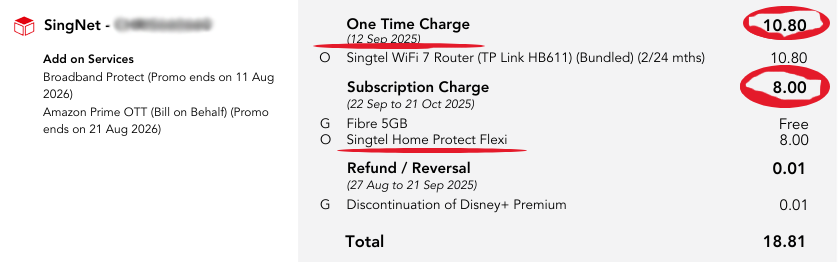
新加坡国内税务局(IRAS)是否也在审查这些因捆绑销售(如 Amazon、Disney+ 等)而出现的异常消费税(GST)冲销与退回?
7️⃣ 国大案例:公共机构必须以身作则 Institutions Must Lead by Example: The NUS Case
新加坡国立大学(NUS)最近宣布全面恢复每周五天到校办公,结束四天到校+一天居家的混合模式。
然而,更重要的是机构如何对待公众。 有读者称,一名疑似来自国大政策研究所(IPS)的女调查员(姓Ng,四十多岁,身材微胖),通过电话、电子邮件、WhatsApp反复联系,还两次上门拜访,被保安拦下。未经同意的多渠道持续接触和上门访问,侵犯隐私,看似定向追踪而非匿名研究。
⚠️ 公众提醒:遇到所谓“问卷/调研”,若感觉被定向或被迫参与,应保持警惕。合法研究应明确:
我曾在《清除缓存:为新加坡重建道德权威》中呼吁国大要率先践行透明与道德领导,此信也获校长陈永财教授亲自致谢回应。 陈校长近期获颁总统科学与技术奖章(President’s Science & Technology Medal 2025),代表国家对他推动国大和新加坡科研的肯定。但奖项必须转化为日常实践中的公正与问责。
8️⃣ 跨领域的共同模式;请读者自己连线 Patterns Across Domains; Connect the Dots
- ACLP/WSQ:录取与考核不透明。
- 政府补助:大型企业可分走原应扶持中小企业的资源。
- HDB/ICA:拒绝无原因、无申诉管道、邮件甚至退信。
- 热门BTO(如吉宝地段):分配像“黑箱”。
- 电信:弱势群体被遗忘,海外大宕机造成紧急求助失败与死亡。
- 高校/智库:问卷行为可能变成针对个人的隐蔽接触。
- 环境:公共空气指数主要基于岛内监测网,批评者质疑是否完全涵盖裕廊岛等工业排放点。
当拒绝信不解释、申诉管道缺失、用“抽签”“政策”一概带过时,这不是透明——而是推诿。
9️⃣ 真正的问责应当这样 What Real Accountability Would Look Like
- 技能未来/ACLP:公开评估标准、提供反馈与上诉渠道;披露培训商股权与政府资金流向。
- 补助:开放申请、拨款、受益者数据;中小企业优先。
- 建屋局HDB:说明HFE拒绝理由、修复邮件通道、公开抽签算法及复核路径。
- 移民ICA:对审批撤销提供正式理由与复议机制。
- 电信:把连通性视作公共水电,提供韧性审计和弱势客户保障。
- 大学与智库:遵守伦理外展、保障隐私、接受公众监督。
新加坡若想维持精英主义与廉洁的国际声誉,必须让公平可见、可验证。 当学习机会像被把关、补助流向巨头、购房与移民流程黑箱、通信失职、机构拒绝透明时,口号将不再有力量。

![#31 | [♻️ Circular Crisis] Plastics Are Now Part of Our Body Mass – What Birds on a Remote Island Can Tell Us #31|[♻️循环危机] 塑料已成我们身体的一部分 —— 一座偏远小岛的鸟儿给人类的警示](https://marvinfoo.com/wp-content/uploads/2025/05/ChatGPT-Image-May-22-2025-12_31_31-AM-shrink-768x447.jpg)