#75 From Dialect Clans to Power Clans: Singapore’s Engineered Leadership 从方言帮到姓氏帮:新加坡的“工程化”领导
September 10, 2025
中文版在英文刊文下方
1. Origins: LKY’s Hakka Roots and the Cantonese Alliance
Singapore’s founding Prime Minister Lee Kuan Yew (LKY) traced his ancestry to Dapu, Guangdong, a Hakka heartland. In Singapore, Hakkas were a minority. To consolidate political power, LKY had to look beyond his dialect kin. He worked closely with the Cantonese (广府) community, leveraging their strength in finance, legal professions, and trade networks to build a base of support.
2. Balancing the Hokkien Majority
The Hokkiens formed the largest Chinese dialect group in Singapore. Their influence extended through the Hokkien Huay Kuan and, historically, the secret societies that controlled docks and commerce. For any political leader, the challenge was clear: how to maintain stability without being overshadowed by the Hokkien majority.
3. The Rise of the Ng (黄) Clan
The solution was found in a strategic alliance with the Ng/Wee/Wong/Oei (黄) clan, who dominated both legitimate institutions (UOB, Far East Organization, Hokkien Huay Kuan) and had historical ties to Hokkien power bases.
By aligning with the Huangs, the state gained a channel to influence the Hokkien ground while projecting an image of unity. Over time, this alliance solidified the Huang surname in Singapore’s elite. From banking (Wee Cho Yaw), to property (Ng Teng Fong), to politics (Ng Eng Hen), the Huang presence became synonymous with engineered stability.
4. The Lin Connection: Defence as the Ultimate Lever
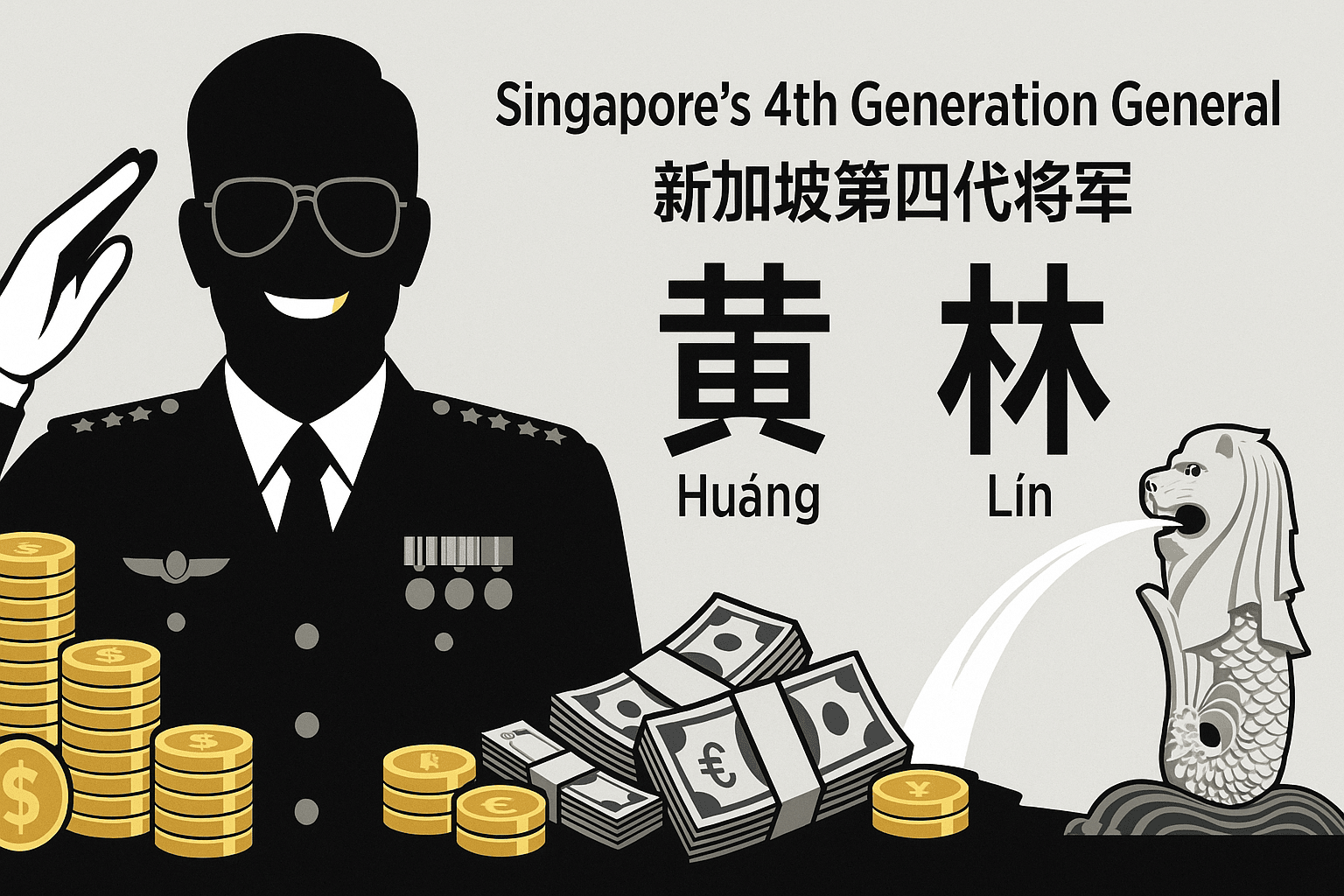
Consider Ng Eng Hen, Singapore’s long-serving Defence Minister. His wife, Dr Ivy Lim, is a prominent medical and research leader. This Ng–Lim union symbolises more than family; it reflects the embedding of two powerful Hokkien surnames into the very core of statecraft. Read this earlier article to find out the undercurrents within the incumbent ruling party and the eventual dismantling of the protective umbrella with former defense minister departure, #69 第二篇【黄家揭秘】炎黄子孙的现代博弈:新加坡是否已进入“Ng 时代”? #69 Part 2 [Unveiling the Huang Clan] The Modern Rivalry of Yan and Huang: Has Singapore Entered the “Ng Era”
Why does this matter? Because defence holds ultimate primacy. In the name of “national security,” all other ministries like finance, manpower, education ultimately bow. The Huang–Lim connection, shielded under the umbrella of defence, demonstrates how power is consolidated, often beyond public scrutiny.
5. From Dialect Politics to Clan Politics
While Singapore today presents a meritocratic, post-dialect narrative, the substructure of power still bears the imprint of surname-based alliances.
- Hakka (LKY) + Cantonese (allies) = strategic anchor
- Hokkien majority moderated through Huang (Ng/Wee/Wong/Oei) clans
- Marriage and professional networks (Ng–Lim) ensure continued integration of elite circles
6. Lessons for the Present
Leadership in Singapore has always been about more than individual merit—it is engineered through networks, clans, and institutions. This history explains why some families remain dominant for decades while others rise and fall.
But as Singapore enters its fourth generation of leadership, questions about transparency, campaign expenditure, and elite protection grow louder. To sustain legitimacy, we must shine sunlight on these alliances—not just celebrate their efficiency.
7. Global Parallels and Geopolitical Headwinds
Around the world, “cleanups” are already underway:
- In the United States, Trump is busy “cleaning house,” with knock-on effects such as halting the U.S. Air Force’s decision to host Singapore’s F-15SGs in Guam. And as a consolation, Singapore was invited to play with drones in the latest joint exercise with the US.
- In China, Xi Jinping’s decade-long anti-corruption campaign has disciplined thousands of officials and generals.
- In Singapore, the resignation of Ng Eng Hen signals that the protective umbrella over elite clans may be loosening.
At the same time, trust with superpowers is eroding. China skipped the Shangri-La Dialogue at the ministerial level, and Singapore’s representation at China’s 2025 Victory Parade was limited to DPM Gan Kim Yong. Each episode may seem minor, but together they show how delicate our position has become.
8. Temasek as a Mirror of Change
Temasek’s sweeping reorganisation; splitting into Temasek Singapore, Temasek Global Investments, and Temasek Partnership Solutions mirrors these shifts (Reuters).
For decades, leadership in Temasek-linked companies reflected the same surname concentration I documented in my earlier article, Surname Power Representation in Singapore’s Elite, where I showed the over-representation of Huang (Ng/Wee/Wong/Oei) and Lim surnames in key roles.
In another piece, Reclaiming Our Future: Why Singaporeans Should Take Back Control of Temasek, I argued that Singaporeans must demand accountability in how Temasek is run. Today’s restructuring provides a chance, but only if we recognise these historical patterns and insist on fairness going forward.
9. A Question of Fairness
Singapore is bigger than any surname. Nation building has always been a collective effort:
- Hokkien families such as the Chen (Tan) have contributed across business and society.
- Malay, Indian, and Eurasian communities have stood shoulder-to-shoulder in our shared story.
- New generations demand that fairness be measured not by lineage, but by transparency, accountability, and inclusiveness.
So I leave you with these questions:
- Should Temasek-linked companies reflect a fairer distribution of surnames and communities at the top?
- How do we ensure that minorities and overlooked groups gain representation equal to their contributions?
- Can Singapore continue to engineer leadership without eroding trust, legitimacy, and unity?
The winds are shifting. 风水轮流转 “Power is never permanent”. It is time for Singapore to move from engineered leadership to authentic stewardship, recognising all who have contributed, and ensuring fairness for generations to come.
Ask yourself: is this fair?
P.S. Reflections on Arrogance, Legacy, and Identity
What I observe today among the incumbents is a sheer arrogance; the assumption that power is permanent and that society will accept family networks as natural rulers.
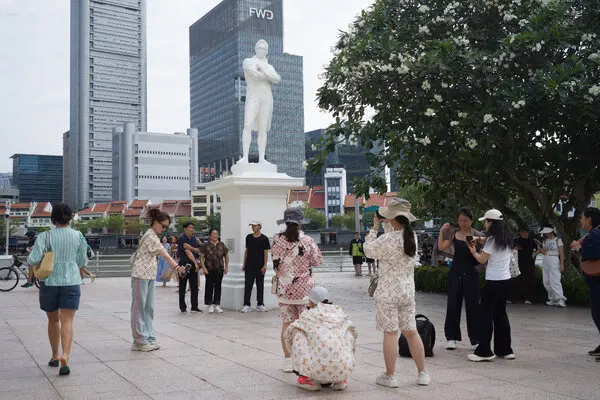
Lee Kuan Yew himself understood this danger. He refused the idea of a statue in his honour because he knew how fragile legacies can be in the face of entrenched clan dominance. He understood that the growing strength of the Huang and Lim incumbents could one day overshadow, even dismantle, the hard foundations he had built.
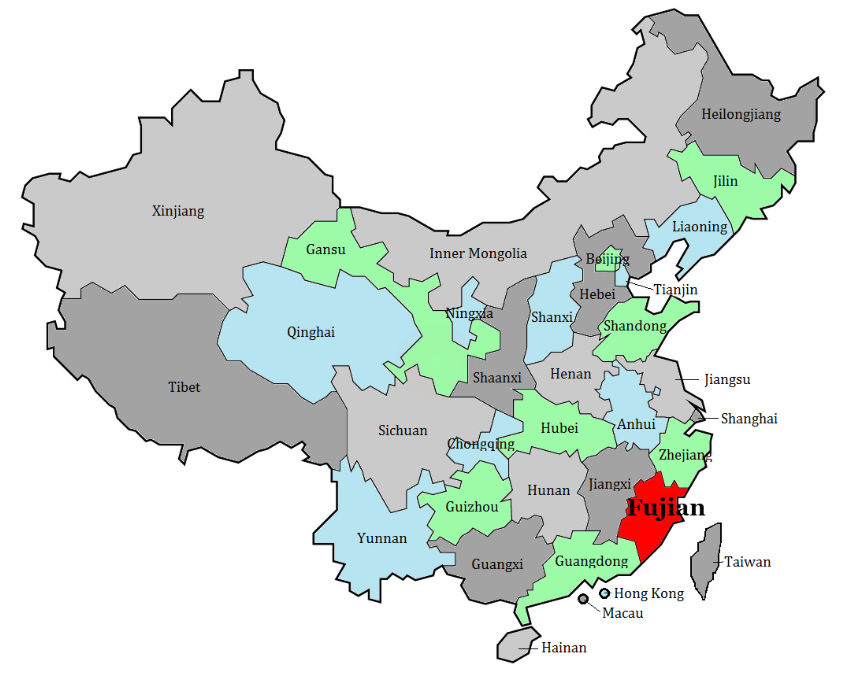
While LKY was a Hakka from Dapu, Guangdong, I too am a Hakka, but from Yongding, Fujian. ”Same same, but different different“ as what Singaporeans will describe salient differences within the similarities. His Hakka roots shaped Singapore’s statecraft; mine shape the lens through which I dissect power, family networks, and justice.
It is time for my brethren from Yongding to rise. Please reclaim your places as this transition unfolds.
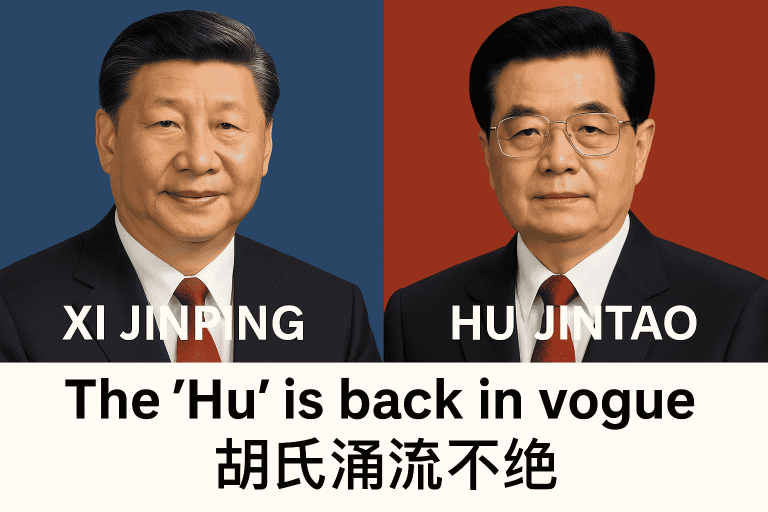
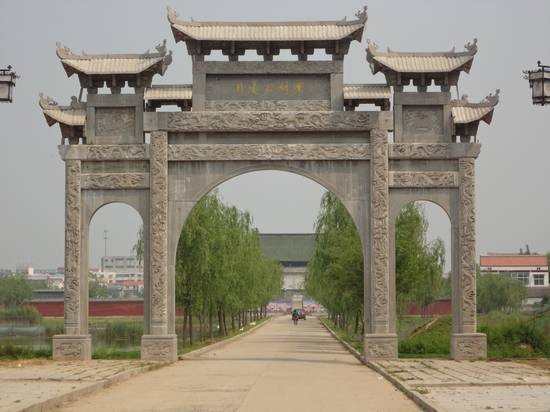
As a descendant of Duke Hu (胡公满 / 胡陈公), whose followers later bore the surname Chen (Tan), and shared in an earlier article, I hold hope that clarity, analysis, and honest dissection of Singapore’s social compact will allow the Chen lineage to prosper again. Our rightful place is not to be sidelined, but to contribute openly and equitably to Singapore’s future.
I shared these reflections in an earlier article, Honouring Our Legacy, Inspiring the Future, where I traced the historical continuity of the Hu and Chen clans. My hope is to see Singapore evolve into a system where surnames no longer determine power, but where contributions from every family and every community are recognised as part of the nation’s enduring story. I personally would like to thank 陈永和 (Chén Yǒng Hé), a Singaporean who sponsored the rebuilding of Duke Hu’s Mausoleum 胡公墓 (Hú Gōng Mù) in Huaiyang 淮阳 (Huái Yáng), Henan Province (河南省 Hénán Shěng). Allow me to repay the favor and trigger your descendants’ ascension in today’s troubled times.
And one more observation: it is about time the Chinese community restores romanised spellings of surnames to Hanyu Pinyin. Today, many still carry colonial-era transliterations, Ng, Wee, Oei, Khoo—that obscure their origins. For international communities and our fellow Singaporeans of other ethnicities, this creates unnecessary confusion about who they are dealing with. Aligning with Hanyu Pinyin would not only reduce ambiguity but also foster clarity, transparency, and equality in how we present ourselves to the world.
Author’s Note
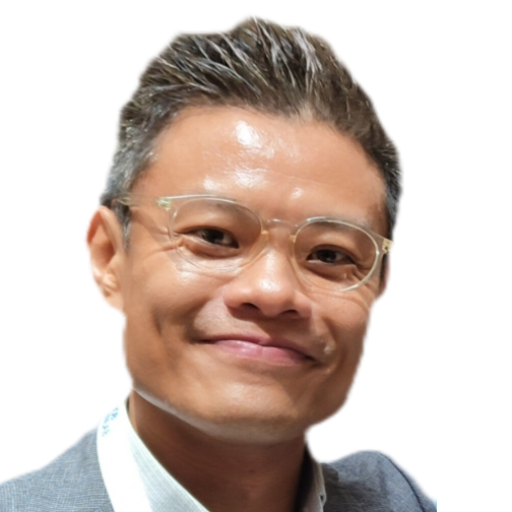
The author is Mar Vin, Foo 胡马宾, whose great-grandfather’s Cooling Water recipe (intellectual property) was taken away and monetised without any benefits to his family. Curious in finding out which brands are using our family’s recipe? You can find the details at the end of this article shared earlier this year, #35🚄 From Redistributed Fields to High-Speed Rails: #35 中国与世界政策觉醒的第一视角之旅 – MARVINFOO .
He bears the same 胡 (Hu) surname as the Haw Par empire, which once embodied medicine, philanthropy, and free press before its assets were dismantled and absorbed into the state under the guise of “nation building.”
He is a graduate of National University of Singapire (NUS), School of Computing, though his real passions lie in history, sociology, and philosophy with critical thinking, as well as political science. He pursued a computing degree because the country sorely needed IT talent to drive the economy. Ironically, his IT career became the very tool to expose and undo the entrenched power networks of the Huang family.
His subsequent pursuit of truth and justice revealed how deeply the Huang and Lim networks penetrate into defence and homeland security; so much so that even figures like Tharman and institutions like the CPIB appear to shield them.
This article is part of an ongoing effort to unveil hidden structures of power in Singapore’s leadership and to ask the only question that matters for our collective future:
Is this fair? What is justice? Justice is ‘Truth arriving late’; and is often an upheaval in perceived understanding.
The Hu clan has been dormant for decades; we are like the United States before World War II, slumbering. Under pressure from the Emperor’s Army, the Emperor’s Navy bombarded Pearl Harbor, only to admit afterward: “We have awakened a sleeping giant.”
What followed was the united effort of nations to rise together, driven by the will to strive for peace.
“天道,祖先保佑,让我一路单枪匹马,却有着身后的千军万马。”
“By the Mandate of Heaven and with the blessings of my ancestors, though I have fought alone, behind me stands a thousand-strong army.”
胡马宾元神归位; Mar Vin, Foo (Hu Mabin)’s innate spirit returns.
This article is also published on LinkedIn.
中文版
从方言帮到姓氏帮:新加坡的“工程化”领导
1. 起源:李光耀的客家根与粤系联盟
新加坡建国总理 李光耀(LKY) 祖籍广东大埔,属客家。客家人在新加坡是少数。为了巩固政治权力,李光耀必须超越本身的方言群体。他与粤籍(广府)紧密合作,借助他们在金融、法律、商贸上的实力,建立政治支撑。
2. 平衡福建大多数
福建人是新加坡最大的华人方言群体。他们通过福建会馆以及历史上的秘密会社掌握码头和贸易。任何政治领袖都必须回答一个问题:如何在不被福建大多数压倒的情况下保持稳定?
3. 黄氏家族的崛起
解决方案就是与 黄氏(Ng/Wee/Wong/Oei)结盟。他们既主导正规机构(大华银行、远东机构、福建会馆),又有历史上的福建基层力量。
通过与黄氏联盟,国家得以影响福建社群,同时展现统一表象。随着时间推移,黄姓在新加坡精英层扎根:从银行(黄祖耀)、地产(黄廷方),到政治(黄永宏),黄氏成为“工程化稳定”的代名词。
4. 林氏连结:国防是终极杠杆
以黄永宏为例,他长期担任国防部长。他的妻子 林瑞莲医生 是医学与科研界领军人物。这一黄—林结合不仅是婚姻,更意味着两个强大的福建姓氏被嵌入国家治理的核心。
为何重要?因为国防拥有至高优先权。以“国家安全”为名,其他部委,如财政、人力、教育都要服从。黄—林网络在国防的庇护下,展示了权力如何集中,却往往避开公众监督。
5. 从方言政治到姓氏政治
今天的新加坡表面上是“去方言化”的精英治国,但权力底层仍保留着姓氏联盟的印记。
- 客家(李光耀) + 粤籍(盟友) = 战略支点
- 福建大多数经由黄氏(Ng/Wee/Wong/Oei)调节
- 婚姻与专业网络(黄—林)确保精英圈继续整合
6. 当下的启示
新加坡的领导一向不只是个人能力,更是通过网络、家族和机构工程化出来的。这也解释了为什么一些家族数十年保持主导,而另一些则兴衰起落。
如今进入第四代领导层,关于透明度、竞选开支、家族庇护的问题越来越响亮。若要保持正当性,必须让阳光照进这些联盟,而不只是歌颂它们的效率。
7. 全球对比与地缘政治逆风
全球范围内,“清洗”正在进行:
- 美国:特朗普大力“清理门户”,影响到如关岛F-15SG训练计划被叫停。为了安慰新加坡便借在美国同步演习中,让新加坡空军试飞美空最新的无人机。
- 中国:习近平主政以来的反腐十年,整肃了成千上万官员和将领。
- 新加坡:黄永宏辞职,或许象征精英家族的保护伞松动。
同时,大国间互信在下滑。中国缺席新加坡的香格里拉对话(部长级别),而在2025年中国阅兵式上,新加坡仅派副总理颜金勇出席。这些细节虽小,却显示出我们所处的微妙局势。
8. 淡马锡的映照
淡马锡宣布重组,拆分为Temasek Singapore、Temasek Global Investments 和 Temasek Partnership Solutions(2026年生效),正是这种转变的镜像 (路透社)。
几十年来,淡马锡关联公司的领导层反映了我在早前文章新加坡精英层的姓氏代表性中揭示的现象:黄、林两姓过度代表。
另一篇文章收回未来:新加坡人为什么要重新掌控淡马锡中,我主张必须要求淡马锡负起真正的问责。今天的重组是机会,但前提是我们认清历史模式并要求公平。
9. 公平之问
新加坡大于任何姓氏。建国从来是集体努力:
- 福建的陈(Tan)家族在商业与社会贡献良多。
- 马来、印度、欧亚裔社群一直并肩而立。
- 新一代要求用透明、问责与包容来衡量公平,而不是血统。
留下几点问题:
- 淡马锡关联公司是否应在高层反映更公平的姓氏与社群分布?
- 如何确保少数族群与被忽视的群体得到与其贡献相等的代表性?
- 新加坡能否继续“工程化”领导,而不侵蚀信任、正当性与团结?
风水轮流转,权力从来不是永恒的。是时候从工程化领导转向真实守护,承认所有贡献,并确保世代的公平。
请问:这公平吗?
附言:傲慢、遗产与身份
今天我观察到的,是执政者的傲慢。他们以为权力是永恒的,社会会理所当然地接受姓氏网络的统治。
李光耀本人明白这一点。他拒绝为自己立像,因为他知道在家族势力盘踞的现实下,遗产是脆弱的。他明白黄、林家族的力量终有一天可能掩盖甚至摧毁他所建立的根基。
李光耀是广东大埔的客家人,而我则是福建永定的客家人。同根同源,却又各自不同。他的客家血脉塑造了新加坡的国家治理,而我的客家血脉塑造了我看待权力、家族网络与公义的透视角度。
是时候让我的永定客家兄弟姐妹站起来了。在过渡时刻,请重新夺回你们应有的位置。
作为胡公满 / 胡陈公的后裔,我坚信通过清晰、批判和揭露新加坡社会契约的方式,陈姓族群终将再次兴盛。我们的地位不该被边缘化,而应当坦荡、公平地贡献于新加坡的未来。
我在另一篇文章中曾写过 继承我们的遗产,启发未来,追溯了胡、陈两大姓氏的历史延续。我的愿望是让新加坡成为一个不再由姓氏决定权力的社会,而是一个所有家庭、所有社群贡献都能得到承认的国家。我个人要感谢陈永和先生,这位新加坡人曾资助重建位于河南省淮阳的胡公墓。请允许我回报这份恩情,并在当今多事之秋,引领你们的子孙后代再度崛起。
此外,还有一点:是时候让华人社群恢复姓氏的汉语拼音拼写。今天仍有许多人使用殖民时代的英文拼写, Ng、Wee、Oei、Khoo, 掩盖了他们的真实源流。对于国际社会和其他族群的国人来说,这造成了不必要的困惑。采用拼音不仅能减少歧义,也能在我们展现自我时,强化清晰、透明与平等。
作者附言
作者是 Mar Vin, Foo 胡马宾,其曾祖父的**“清热水”配方(知识产权)**被夺走并商业化,却从未让家族受益。想了解市场上的哪些饮料商标是采用我们家的‘请热水’配方?点击此处,读阅之前发布的文章,#35🚄 From Redistributed Fields to High-Speed Rails: #35 中国与世界政策觉醒的第一视角之旅 – MARVINFOO .
他与胡氏(Hu)同姓,这一姓氏正是昔日虎豹集团(Haw Par Empire)的象征。该集团曾代表着医药、慈善与自由媒体,却在“国家建设”的名义下,其资产被拆解并吸收进体制。
他毕业于新加坡国立大学计算机系,但真正的兴趣在于历史、社会学与哲学,并擅长批判性思维; 洞察政治学也是其所爱。当年之所以选择计算机专业,是因为国家迫切需要 IT 人才来推动经济。然而具有讽刺意味的是,他的 IT 职业生涯最终成为揭露并瓦解黄氏家族盘根错节权力网络的工具。
在随后的求真与追义过程中,他发现黄、林两大网络在国防与内安体系中的渗透之深,以至于连 达曼(Tharman)等人物以及贪污调查局(CPIB)似乎都在为之护航。
本文只是他持续努力的一部分,旨在揭开新加坡领导层隐藏的权力结构,并提出一个关乎全民未来的根本问题:
这公平吗?什么是正义?正义是迟到的‘真相’,也往往是颠覆性的认知。
胡氏这几十年沉睡;我们就像二战时沉睡的美国。日皇海军在日皇陆军的逼迫下炮轰珍珠港,然后坦言,”我们把沉睡的巨人,震醒了。“ 迎来的便是各国携手振兴,争取和平的毅力。
“天道,祖先保佑,让我一路单枪匹马,却有着身后的千军万马。”
胡马宾元神归位。
![#50 [🌏 Business Outlook 2025] SCCCI – Maybank Mid-Year Business Outlook Forum 2025 新加坡中华总商会与马来亚银行联合主办 2025年中经济展望论坛(华语)](https://marvinfoo.com/wp-content/uploads/2025/07/IMG_20250717_183143-768x1013.jpg)
![#69 第二篇【黄家揭秘】炎黄子孙的现代博弈:新加坡是否已进入“Ng 时代”? #69 Part 2 [Unveiling the Huang Clan] The Modern Rivalry of Yan and Huang: Has Singapore Entered the “Ng Era”?](https://marvinfoo.com/wp-content/uploads/2025/08/Copy-of-第一篇-Part-1-1-768x768.png)