#69 第二篇【黄家揭秘】炎黄子孙的现代博弈:新加坡是否已进入“Ng 时代”? #69 Part 2 [Unveiling the Huang Clan] The Modern Rivalry of Yan and Huang: Has Singapore Entered the “Ng Era”?
上古传说里,黄帝以“武力与秩序”压过炎帝的“农耕与民本”,二者却并未相互消灭,而是共同孕育了后世的“炎黄子孙”。来到现代新加坡,我们或许正见证着一种“黄帝式”的当代理念:以秩序、体系与硬实力搭建权力网络。
In legend, Huang’s “order and force” prevailed over Yan’s “agriculture and people-first” ethos—but both streams coexisted, shaping the descendants of Yan and Huang. In modern Singapore, we may be witnessing a contemporary “Huang-style” paradigm: power networks built on order, systems, and hard power.
🕸️ 黄家(Ng)势力版图 | The Ng Network of Influence
军政 | Military & Politics
- 黄永宏 (Ng Eng Hen):(Defence Minister); 长期担任国防部长,主理国家防务。
- 黄志明 (Ng Chee Meng):(ex-RSAF chief → NTUC Labour Chief); 前空军总长,后转任 NTUC 全国职工总会秘书长,横跨“武力—民生”。
安防 | Security & Defence Industry
- 黄天明 (Ng Tian Beng):(Certis Cisco; ex-Dell) at the security–tech nexus;Certis Cisco 高层,曾任 Dell 领导者;安防与科技的交汇点。
科技与国企 | Tech & State Enterprises
- 黄天松 (Ng Tian Chong):(HP → Singtel Singapore CEO);自 HP 转任 Singtel 新加坡区 CEO。
- 黄思成 (Ng See Sing):(DXC; ex-NCS);DXC Technology 新加坡董事总经理(出身 NCS)。
- 黄国斌 (Ng Kuo Pin):(NCS CEO;ex-Accenture) powering core public digital infrastructure;NCS CEO 恩士迅总裁 (前埃森哲),承载政府与国企核心数字化工程。
媒体与舆论 | Media & Influence
- 黄一宗 (Ng Yat Chung):(ex-CDF → SPH CEO); the “umbrage” moment epitomised a failure in soft power; 前武装部队总长、后任 SPH CEO;“umbrage”事件成为软实力失利的象征。
洞察 Insight:从军政到安防、从科技到媒体,Ng 系黄家串联出一条“硬实力—制度—舆论”的闭环。
Insight: From defence to security, tech, and media, the Ng network forms a closed loop of hard power, institutions, and narrative control.
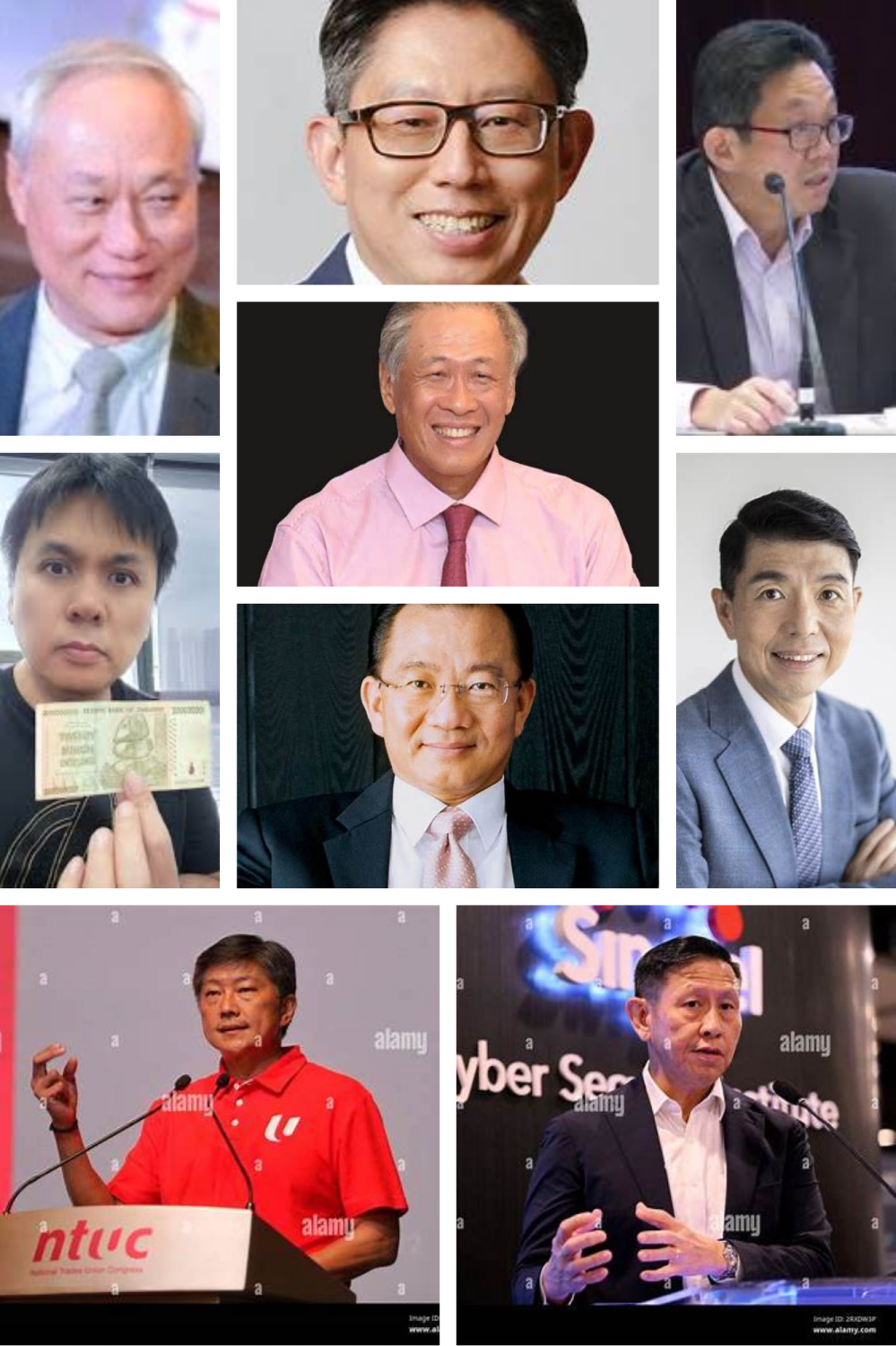
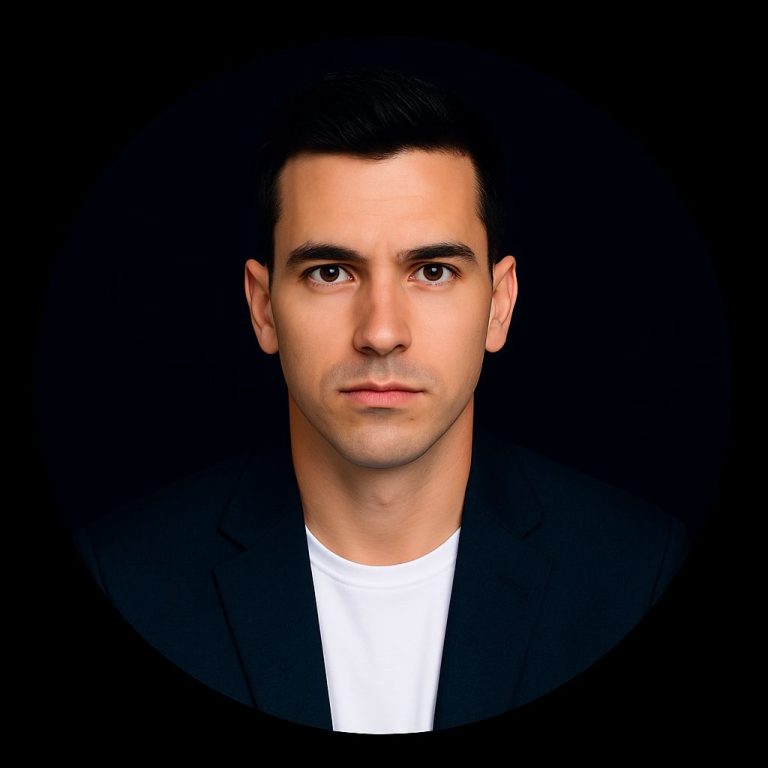
Clockwise from Top: Ng See Sing, MD of DXC Technology; Ng Kuo Pin, CEO of NCS; Ng Yat Chung, former CEO of SPH Press Holdings; Ng Tian Beng, CEO of Certis Cisco; Ng Tian Chong, CEO of Singtel Singapore; Ng Chee Meng, NTUC Labour Union Chief; Centre:Ng Eng Hen, Former Defense Minister; Seah Kian Peng, Speaker of Parliament
Left-centre: Raymond Ng Kai Hoe, an average Singaporean who is a proponent of anti-vaccine and being charged for cheating in recent news.
⚖️ “空降将领”的代价 | The Cost of Parachuted Generals
“Umbrage”一役暴露了军旅式管理与媒体/公众沟通的张力:命令—服从的组织逻辑,很难直接移植到以共情、信任、长期叙事为要的行业。更广而言,近二十年来多位 SAF 将领空降国企或跨国公司,常见三大隐忧:
- EQ 与沟通不足;
- 行业积累不够;
- 公信力存疑。
这并不否认个别将领的贡献,而是提醒我们:硬实力强、软实力弱将导致治理“失衡”。
The “umbrage” episode exposed the tension between military command-and-control and public-facing sectors that require empathy and narrative trust.
More broadly, parachuting ex-generals into GLCs/MNCs has often revealed:
- low EQ/poor communication,
- thin industry depth, and
- credibility gaps.
This isn’t to deny individual merits—it’s a caution that strong hard power with weak soft power creates governance imbalance.
🌱 对照:Tan 与 Foo 的社会/文化/制度资本
Contrast: Tan & Foo — Social, Cultural, and Institutional Capital
中文
- Tan 系(陈) | The Tan Lineage
- Foo 系(胡) | The Foo Lineage
English
- Tan Lineage: Tan Kin Lian (insurance access for ordinary Singaporeans),
- Tan Suee Chieh (cooperative values, social responsibility). → Social capital rooted in fairness and public welfare.
- Foo Lineage: Aw family (Sin Chew Jit Poh; Nanyang Siang Pau) symbolised a freer press era;
- Dr Richard Hu Tsu Tau (ex-Finance Minister) drove CPF investments and financial liberalisation. → Cultural & institutional capital in independent media and financial stewardship.
三角对照 | Tri-contrast:
- Ng (黄)=权力/秩序/硬实力;
- Tan (陈)=社会责任/保险普惠;
- Foo (胡)=媒体独立/金融治理。
Tri-contrast:
- Ng (Huang) = power/order/hard control;
- Tan (Chen) = social responsibility/insurance access;
- Foo (Hu) = media independence/financial governance.
🔍 灰色设备与公共招标 | Grey Equipment & Public Tenders
我不是一般销售员。我习惯细读合规表与招标条款。在陆路交通管理局 (LTA) 的 ITQ 中,我注意到反复出现的一行字:
“所供应设备必须为全新产品(不得使用灰色或翻新设备)。”
然而现实不同。美国司法部已揭露思科假冒案件:旧零件被翻新、重新贴标、甚至安装盗版固件,再重新包装成“全新设备”。这样的“工厂重贴标签”,正是灰色市场的写照。
当我坚持通过思科授权渠道供货时,却触动了一些既得利益。随后我注意到奇怪的投标模式:最低价却落标,理由前后矛盾。我的报告提交至警方与 CPIB,但始终没有调查或后续。
更值得深思的是,这些 IT 招标的主承包商系统集成商(SI)NCS、Singtel、DXC、Certis Cisco;它们的领导层几乎清一色是 Ng (黄)。
无罪?还是有罪?留给读者自行判断。
在这过程中,林 (Lim)、张 (Chong)、胡 (Foo)、黄 (Wong) 成为附带损害,而 Ng (黄) 在国防部长黄永宏的庇护下,却始终“免疫”。
在近期中国阅兵的报道中,未见新加坡的名字出现。这是单纯的外交安排,还是反映出军政—科技网络的深层纠缠与某些精英群体的“免疫特权”?与此同时,2023 年 12 月,中国首次任命海军上将董军为防长,打破由陆军出任的传统,似乎显示出对“权力与贪欲过度集中”的某种防范。
有趣的事,我离开NCS岗位后,当时有一名人士(William Tan)曾明确告诉我,他会把我提交给警方的报告转交给一位国会议员。随后,这位国会议员仕途有了明显的提升,甚至担任了更高职务。这一连串巧合,是否仅仅是巧合?与此同时,他把我保护新加坡防止军中叛变的战略思维给予赞赏之后,中国把由传统的陆军将领改为海军出身。
更有趣的事,是新加坡的其中一名国会议员,谢健平利用我的战略引荐与警署报告晋升成国会议长。新加坡政坛与公务员真的是体现了把功劳站为自由的精神淋漓尽致。
I am not the typical quota-chasing salesperson. I study compliance tables and tender clauses. In LTA ITQs, one line stands out:
“All equipment supplied must be new (no grey or refurbished equipment).”
Yet reality often diverges. The U.S. DOJ has exposed counterfeit Cisco operations where used/refurbished parts were relabeled, repackaged, and even embedded with pirated software — sold as “factory-new.” Such operations feed on public tenders.
When I insisted on sourcing only from authorised Cisco channels, I unknowingly offended vested interests. Soon, strange bidding patterns appeared: we bid lowest yet lost; explanations kept shifting; some rounds looked outright manipulated. I reported these anomalies to the police and CPIB, but there was no investigation, no follow-up.
Here’s the uncomfortable part: the companies at the centre of public IT tenders — NCS, Singtel, DXC, Certis Cisco — are all system integrators acting as main contractors. And their senior leadership? Almost entirely Ng (Huang).
Innocent, or guilty as charged? Readers, you decide.
Meanwhile, surnames like Lim (林), Chong (张), Foo (胡), Wong (黄) became the collateral damage, while the Ng (黄) leaders, protected under Defence Minister Ng Eng Hen, emerged unscathed and even expanded their influence. To the Singaporeans who serve national service, it seems your general and politician is ready to sacrifice you anytime through solid concrete examples as demonstrated.
Recently, the Chinese Communist Party did not invite Singapore to its military parade. Is this merely a coincidence? Or does it reflect the entanglement of military–tech networks and the “immunity privileges” enjoyed by certain elite groups?
At the same time, China has made an intriguing shift: the Defense Minister, traditionally drawn from the Army, was instead appointed from the Navy—seemingly out of concern that excessive concentration of power and greed could lead to dire consequences.
Interestingly, after I left my post at NCS, an individual (William Tan) explicitly told me that he would pass my police report to a Member of Parliament. Not long after, that MP advanced significantly in his political career, eventually taking on a higher office. Coincidence, or something more? He praised my strategic thinking on protecting Singapore against potential military mutiny. Shortly, China replaced its customary Army Defense Minister with one from the Navy.
📖 延伸阅读 | Further Reading
- #64 ⚖️ Surname Power & Representation in Singapore’s Elite (A Deeper Look)实证展示了 Ng/黄 在淡马锡关联董事会中的主导性:
- Reclaiming Our Future: Why Singaporeans Should Take Back Control of Temasek Holdings 呼吁国人重掌淡马锡的治理权:
- 🧾 Who Owns Our Utilities? It’s Time to Take Back Temasek 以 Singapore Power 为例,讨论垄断盈利与公共托管角色的偏离:
发问 | Ask Ourselves:这真的是我们要的新加坡吗?
Ask Ourselves: Is this the Singapore we want?
🫱🏻🫲🏽 伏笔:陈与胡,亦出黄帝? | Teaser: Tan & Foo, Also of Huang?
或许你以为陈与胡更像“炎帝一脉”的温和与民本;然而,按传统谱牒与文化记忆的常见归类,他们同样可溯源至黄帝后裔——只是把“黄帝遗产”延伸到了社会保险、媒体独立与金融治理。 细节与脉络,我将在下一篇完整揭晓。
You might assume Tan and Foo align with Yan’s gentler, people-first spirit. Yet traditional genealogies and cultural memory often trace them back to Huang’s lineage, carrying Huang’s legacy into social insurance, media independence, and financial stewardship. I will unpack the details in the next article.
🤔 留给读者 | For the Reader
当黄家(Ng)网络继续强化,新加坡会因此更强,还是走到分水岭?“硬实力强、软实力弱”的结构,是否需要更多真正懂市场与人性的民间人才来平衡?新加坡领导层过渡期是否已经以仅剩唯一姓黄当选议员的黄志明悄然开始? 黄志明(Ng Chee Meng)在选举中险胜,并公开表示对部长职位兴趣不大,这是否象征着黄氏政治势力的拐点?
As the Ng network deepens, does Singapore become stronger, or approach an inflection point? Should we diversify leadership pipelines with market-tested private-sector leaders to balance hard power with soft power? Is the transition already happening with only 1 remaining elected member of parliament with surname Ng? Ng Chee Meng who narrowly won his seat and subsequently mentioned he has no interest to become a minister. Was this an indication of the inflection points in the waning of the Ng (黄) political power?
Share your thoughts below.
若想参阅富有洞察力的文章,请游览【胡马宾的博客页面】
This article is also published on LinkedIn.
For more interesting articles, visit https://marvinfoo.com/blog