#64⚖️ Surname Power & Representation in Singapore’s Elite (A Deeper Look) ⚖️ 新加坡精英层的姓氏力量与代表性(深度观察)
中文版在英文刊文下方。
When we think of diversity in Singapore, the conversation often stops at race or gender. Yet beneath the surface lies another form of imbalance — one bound by family surnames within the Chinese majority.
1️⃣ Who Holds Power? Over & Under Representation
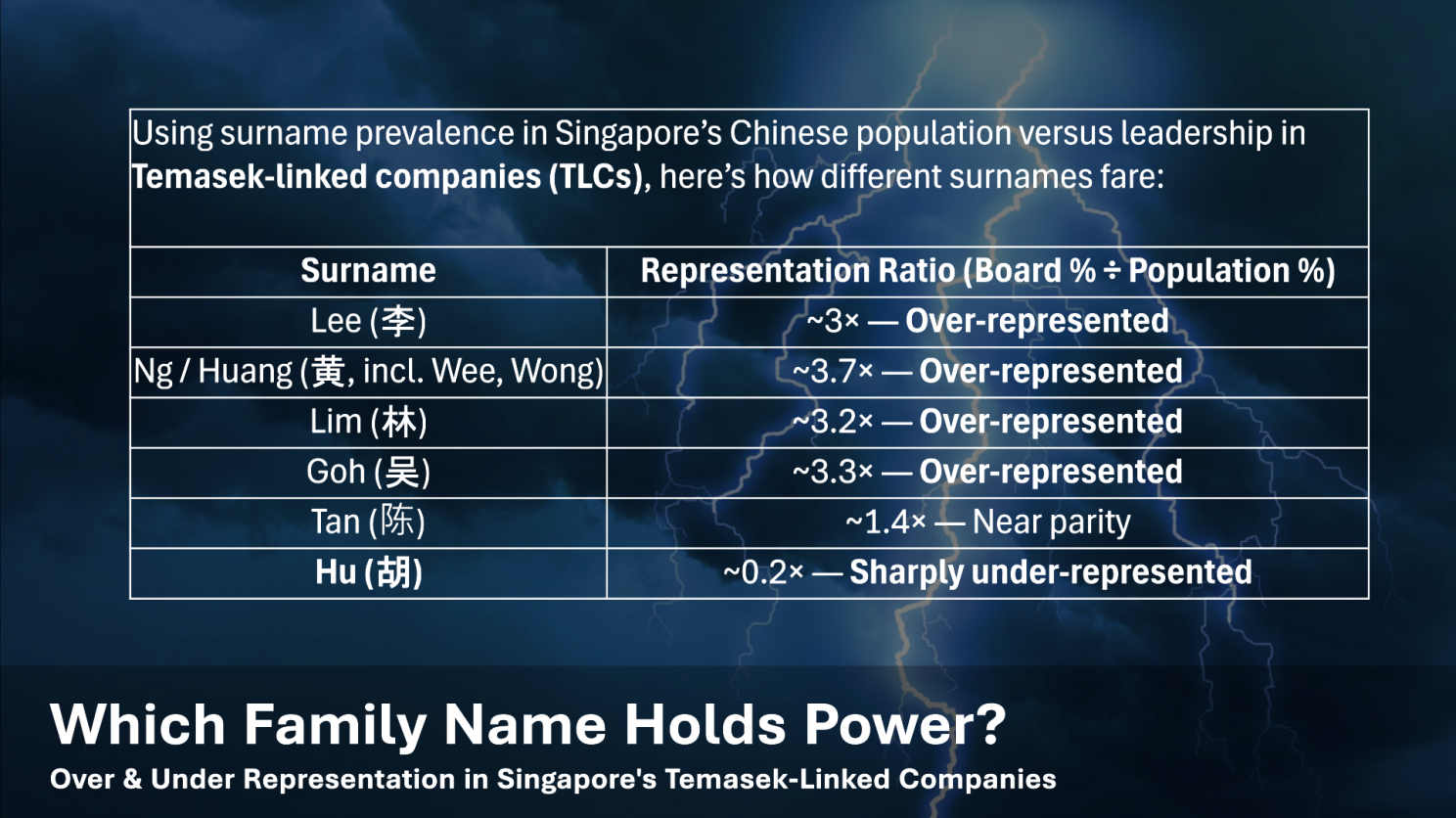
Using surname prevalence in Singapore’s Chinese population versus leadership in Temasek-linked companies (TLCs), here’s how different surnames fare:
2️⃣ Historical Context: The Decline of 胡 Leadership
The Aw (胡) family once stood at the heart of Singapore’s story through:
- The Tiger Balm empire
- Critical roles in healthcare, philanthropy, and free press
- Cultural icons like Haw Par Villa
But today, few 胡 remain in public leadership.
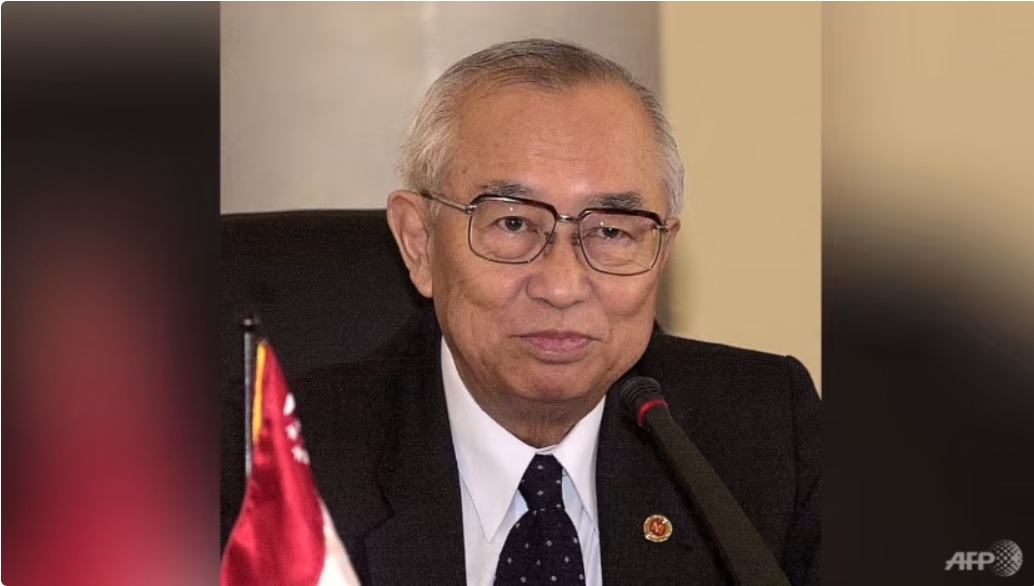
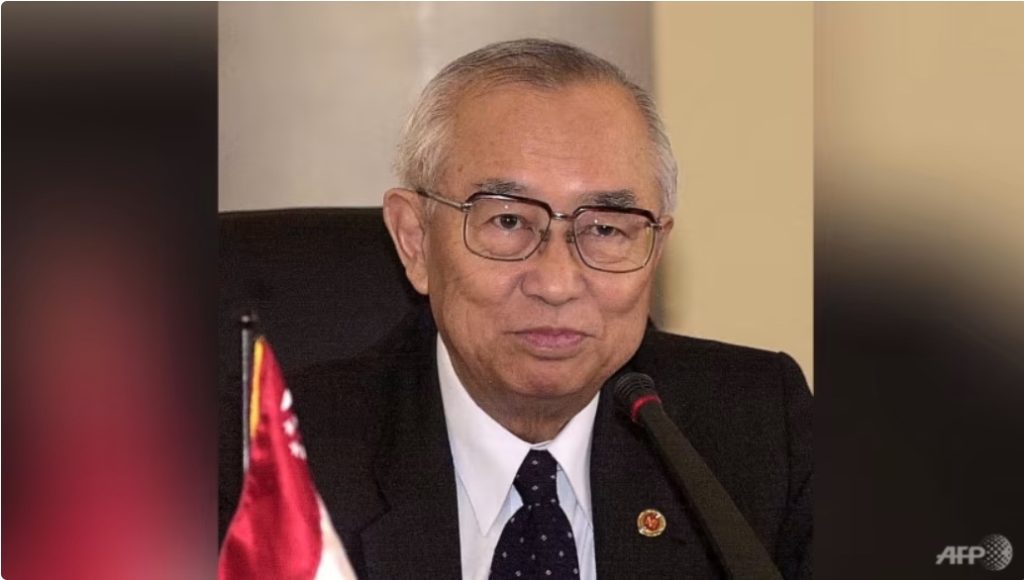
The last towering figure was Dr Richard Hu Tsu Tau (胡赐道), Singapore’s Finance Minister (1985–2001) and Chairman of MAS, who was invited into politics by a key founding member of Singapore, Mr. Goh Keng Swee to steer the economy steadily.
✨ He incepted GST but kept it steady at 3%, anchoring Singapore’s 1990s golden age of stability and growth.
Since his departure in 2001, no Hu has led at board or executive level in TLCs or institutions.
3️⃣ Elite Enclaves — Not Just About Race
Power today is concentrated not just across races, but within Chinese surname enclaves clustered by:
- Family clans
- Elite school alumni networks
- Cross-appointments in TLCs & public bodies
Even within these circles, some 李, 黄, 吴, 林, 陈, 谢 quietly root for minorities like 胡, because they too face sidelining when they stand apart.
4️⃣ The Hard Questions
- Why did surname census data stop after 2000?
- Is there intra-ethnic social engineering, favouring some clans while erasing others?
- Is DEI authentic, or just marketing whitewash while younger staff are treated as expendable “foot soldiers”?
- Have NS regimentation and hidden subcultures normalised a culture of deflection and sacrifice instead of accountability?
5️⃣ A Path Forward: Independent Oversight
📝 Proposed:
- An Independent Representation Audit Committee for surnames in TLC and public leadership.
- Restore surname census updates.
- Break the cycle of elite enclaves, diversify nomination pipelines, and ensure equal access to leadership.
Without this, the numbers will be skewed, and the erosion of our founding principles like justice, fairness, equality regardless of race or surname will accelerate.
6️⃣ Closing Thought: GST, Legacy, and Loss
Dr Richard Hu’s cautious stewardship left us with fiscal strength throughout the 1990s golden age. But after 2001, GST became a blunt revenue tool, climbing toward 10%, echoing U.S.-style tariff politics, a convenient diversion from inequality.
🔔 Final Rally
There are no more 胡 left in leadership. If unchecked, the Hu may even be erased from Singapore’s history by dominant clans, despite our contributions before and after independence.
So, when you meet a 胡 today; recognise them. Remember the stability of the 1990s. Rally behind them.
And finally, a note of gratitude: to the 李, 黄, 吴, 林, 陈, 谢 who silently root for minorities like 胡; because like us, they too are often sidelined by their own clan for being unique and exceptional.
👉 What do you think? Should Singapore convene an independent audit committee to ensure surnames are fairly represented across leadership, or do we accept this as the cost of entrenched enclaves?
This article is also published on Mar Vin, Foo’s LinkedIn page.
⚖️ 新加坡精英层的姓氏力量与代表性 —— 深度观察
当人们谈到新加坡的多元化时,话题往往停留在种族或性别。 但在表象之下,还存在另一种不平衡。 这与华人群体内部的家族姓氏紧密相连。
1️⃣ 谁在掌权?姓氏的过度与不足代表
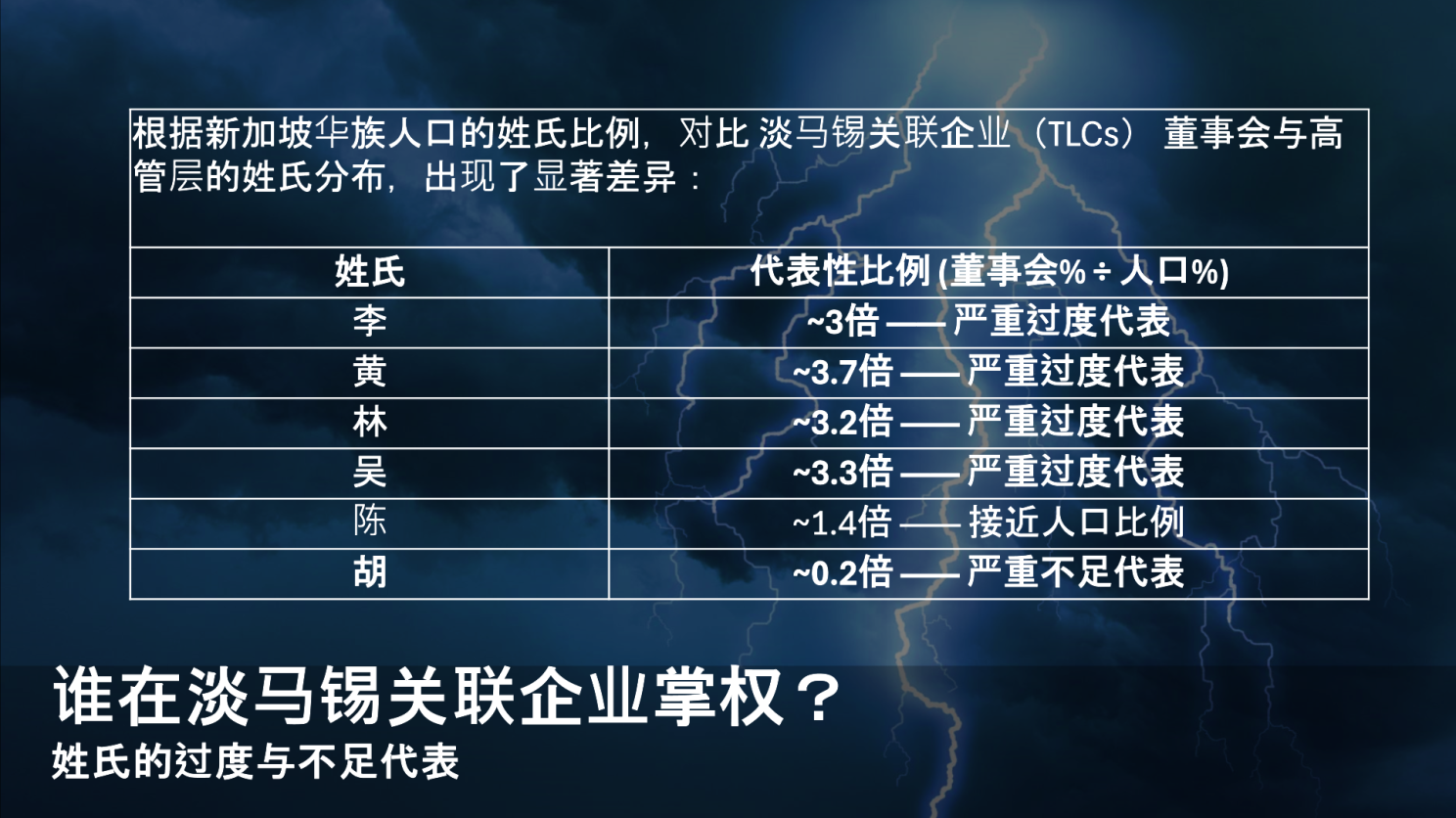
根据新加坡华族人口的姓氏比例,对比 淡马锡关联企业(TLCs) 董事会与高管层的姓氏分布,出现了显著差异:
2️⃣ 历史背景:胡姓领导的消失
胡氏家族(胡文虎、胡文豹) 曾在新加坡历史中发挥关键作用:
- 虎标万金油帝国
- 医疗与慈善事业
- 自由新闻事业与《星洲日报》
- 文化遗产——虎豹别墅
然而,今天却鲜有胡姓出现在公共领导层。
最后一位重量级人物是 前财政部长兼金融管理局主席 胡赐道博士 (Dr Richard Hu Tsu Tau, 胡赐道)。
✨ 他创立了消费税(GST),并在 1990年代的黄金时期 保持其稳定在 3%,确保了国家财政的稳健与经济的繁荣。
自 2001 年他卸任后,再没有任何胡姓领导人进入 TLC 或公共机构的董事会与高管层。
3️⃣ 精英小圈子, 不仅限于种族
如今的权力集中,不仅存在于种族间,更体现在华人内部的姓氏小圈子:
- 宗亲会与家族势力
- 精英学校校友网络
- 跨机构的交叉任命
即便在这些圈子里,也有一些 李、黄、吴、林、陈、谢 的朋友在默默支持像 胡 这样的少数群体,因为他们也常因独特与特立独行而被边缘化。
4️⃣ 值得提出的疑问
- 为什么 人口普查中的姓氏数据在 2000 年后被终止?
- 是否存在 华人内部的社会工程,偏袒部分家族而抹去其他?
- DEI(多元、公平、包容) 是真心实践,还是只是营销白洗,而年轻员工却像“炮灰”一样被牺牲?
- 是否因 国民服役的军营文化与潜在小圈子,导致了转嫁责任与推卸的职场氛围?
5️⃣ 未来出路:独立监督
📝 建议:
- 成立一个 独立的代表性审计委员会,监督 TLC 与公共机构领导层姓氏的公平分布。
- 恢复人口普查的姓氏统计。
- 打破 精英小圈子,建立公开透明的遴选渠道,确保社会多元性得到反映。
否则,数据将继续被扭曲,而新加坡建国时的立国精神,正义、公平、不分种族与姓氏 将进一步流失。
6️⃣ 尾声:消费税、遗产与失落
胡赐道博士在任内留下了 稳健的财政遗产,让新加坡在 1990年代黄金时期 享有安定与繁荣。 但自 2001 年后,消费税逐渐演变为一把 钝化的收入工具,一路上调至 10%,犹如美国的关税政治,成为转移注意力的便利手段,而不是真正解决公平的问题。
🔔 最后的呼吁
今天,已再无 胡姓领导人 服务国家。 若任其发展,胡氏可能会被强势家族从新加坡历史中抹去。 尽管我们在独立前后都曾做出巨大贡献。
所以,当你遇见一个 胡,请认出他。记得 1990年代的稳健。团结在他们身边。
最后,感谢那些 李、黄、吴、林、陈、谢 的朋友们,他们默默为少数群体发声。因为和我们一样,他们也因独特而被自己的姓氏排斥。
👉 你怎么看?新加坡是否应该成立一个 独立审计委员会 来确保姓氏在领导层的公平代表,还是我们就此接受“精英小圈子”的固化?
此刊文也发布在胡马宾的领英社交媒体账号。
![#93 [Tao Health] The Age of Influence, Integrity and Intelligence — Part II [☯️ 道之健] 影响力、诚信与智慧的时代(二)](https://marvinfoo.com/wp-content/uploads/2025/11/Singapore-Bureauracy-20251101-768x402.jpg)