#63🌏 Defensive Investments, Hospitality, and the Cultural Role of Whisky in Business 🌏 防御型投资、酒店业与威士忌在商业中的文化角色
🀄 华文版在英文刊文下方
When people think of defensive investments, the conversation often centers on utilities, healthcare, or consumer staples. But hospitality, particularly the Hotel Bed & Breakfast (HBNB) and condotel model, deserves a closer look. Anchored on lifestyle, travel, and recurring demand, it is a sector that weathers economic cycles while meeting fundamental human needs: rest, connection, and culture.
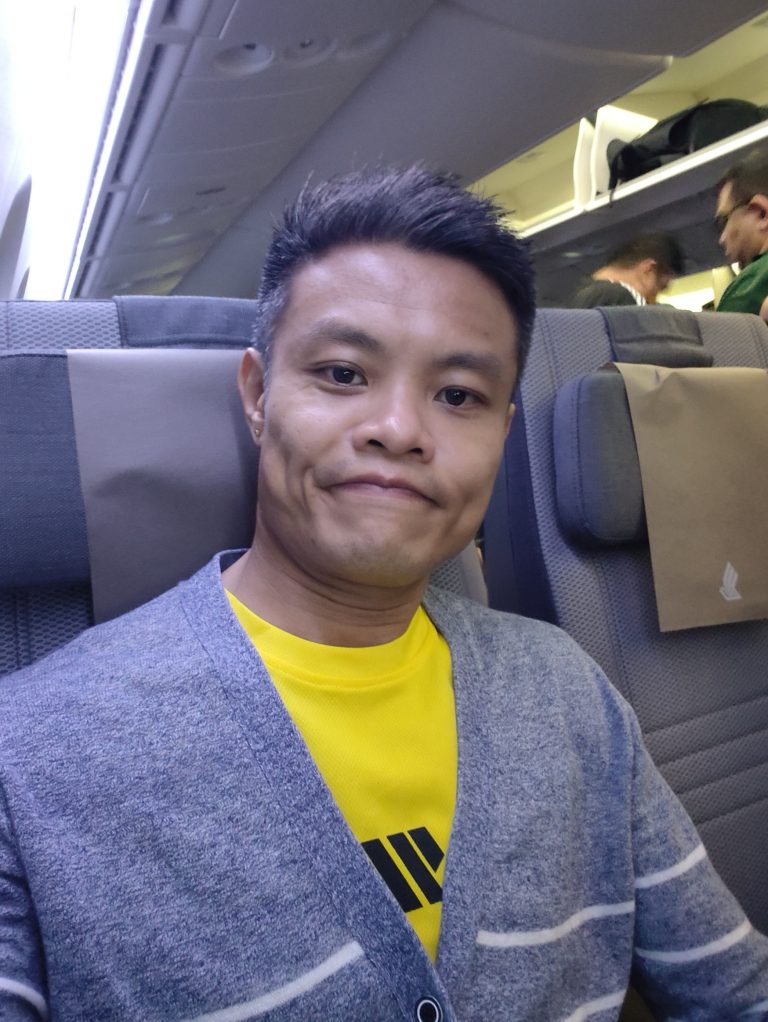
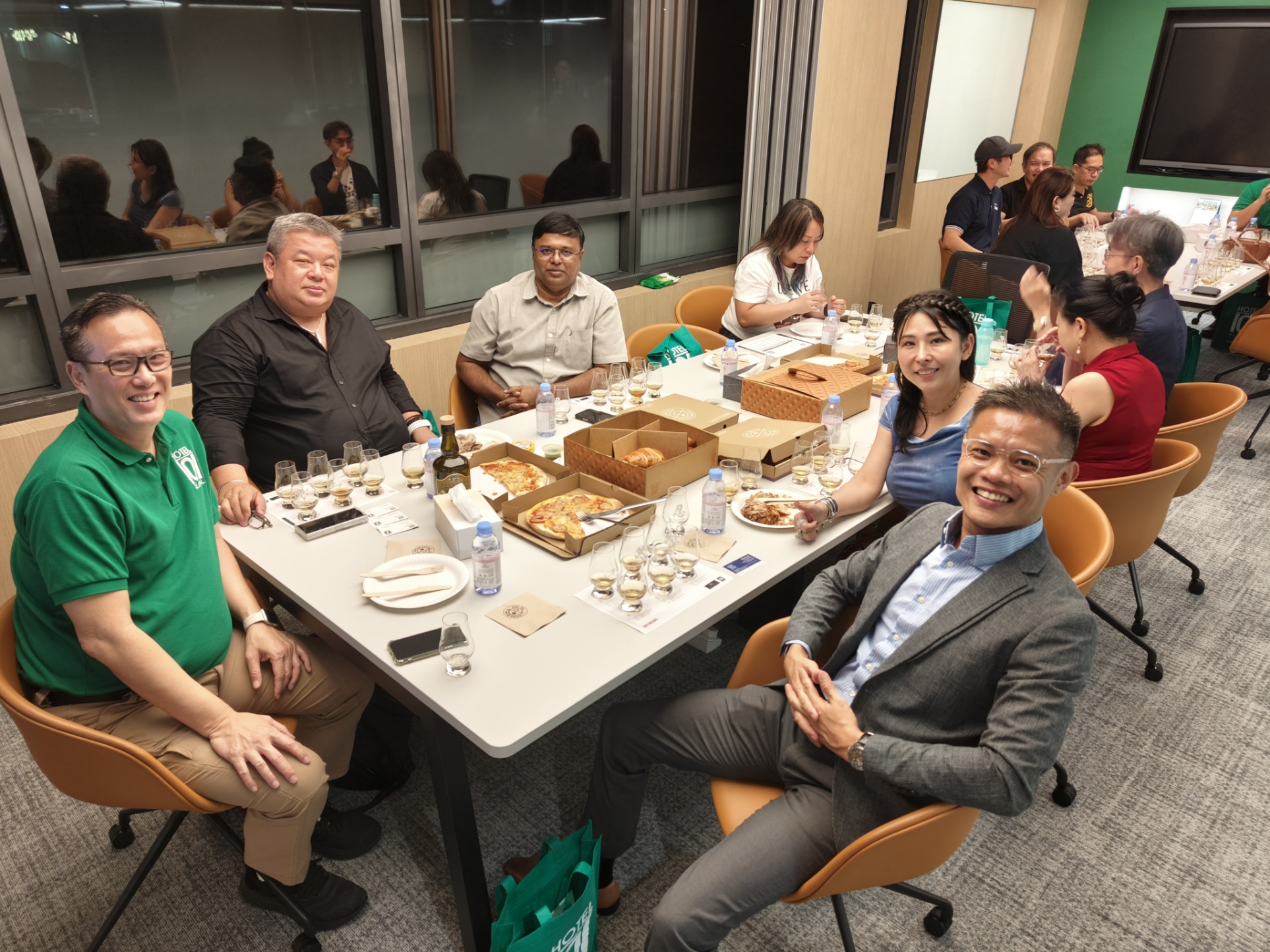
Glad to be invited to reconnect with business associates within the Asia and South-East Asia region in a closed-door exclusive invitation. From aviation, mergers & acquisitions to leisure, we made the evening lasting beyond the mere hours to anchored good impressions by drinking delightfully with restraint. What has drinking restraint have to do with prohibition in the old days? Read on to know more and connect the dots with progressive relaxation of the night scene in Singapore.
More photos found throughout the bilingual articles. Perhaps an Easter-egg at the bottom.

The Investment Case: Hotel101 and the HBNB Model
Projects under the Hotel101 brand in Niseko (Japan), Madrid (Spain), Libis and Davao (Philippines) showcase the resilience of hospitality as an investment class. These aren’t traditional hotels — they leverage technology-driven platforms to maximize efficiency and enhance guest experience.
Hotel101 integrates:
- Automated marketing & deal management – with data-driven dynamic room pricing, sales pipeline visualization, and real-time engagement tracking.
- Global booking & guest experience systems – enabling self-check-in with digital key access, contactless identity verification, and direct feedback loops.
- Operations management – with performance dashboards, room availability controls, and streamlined housekeeping & supplies tracking.
In short, it is hospitality re-engineered through data and technology — a scalable model with global potential. It’s 5 star-experience with freehold, unique features that differentiate from the competition; and most importantly revenue distributions that are anchored through agreements.

Founders’ Track Record: From Fast Food to Global Footprints
Behind HBNB are leaders with proven track records:
- Tony Tan Caktiong, founder of Jollibee Group, which grew from 1 store in 1978 to 9,750 stores projected by 2025. Listed in the Philippine Stock Exchange with a market cap of US$4.7B, Jollibee controls beloved brands like Jollibee, Coffee Bean & Tea Leaf, Tim Ho Wan, and Tiong Bahru Bakery.
- Edgar “Injap” Sia II, founder of Mang Inasal, one of the fastest-growing fast-food brands in the Philippines, now with 580 stores by 2025. He also leads MerryMart Consumer Corp., a retail chain listed since 2020.


Together, they co-own DoubleDragon Corporation (Philippine Stock Exchange) and Hotel101 Global Holdings Corporation (NASDAQ: HBNB). Their track record of scaling consumer brands into household names provides strong credibility for HBNB’s growth story.

Ownership and Global Expansion
Hotel101 is backed by DoubleDragon Corporation, where the two founders remain principal shareholders. From the Philippines, they are scaling globally with an asset-light strategy, focusing on recurring revenues, strong technology integration, and international market penetration.
In essence, this isn’t a speculative play. It’s a defensive, globally listed hospitality model, built by leaders who have already proven they can expand everyday brands into global empires.
Culture, Trust, and the Role of Whisky in Business
But investments are not just about balance sheets and forecasts. Business is built on trust, culture, and connection. Deals are often sealed not only in boardrooms, but over drinks that break the ice and bring people closer.
I was reminded of this during a tasting session with Michael Sim, COO of SEA Shimano Pte Ltd, who has visited 17 distilleries in Europe and 3 in Japan. We sampled Wolfburn whiskies from Scotland, tracing back to 1494 — the year whisky was first created in Scotland, marking the beginning of whisky’s history in the world.

From the Wolfburn Aurora with sherry sweetness to the 10-year vintage, each bottle reflected heritage and craftsmanship. The highlight was a limited “Dragon” edition — only 420 bottles in the world, a rare collector’s piece.
Whisky, like hospitality, is deeply cultural. In the past, prohibition in the UK and US showed what happens when society fails to manage restraint — conflict and underground markets. But when cultures learned to respect and appreciate alcohol responsibly, it became an integral part of trust-building in business and life.
Closing Reflection
Hospitality and whisky share the same lesson: lasting value comes from fundamentals, trust, and respect for culture. Defensive investments like HBNB are more than financial shelters; they are opportunities rooted in human connection, proven leadership, and scalable innovation.
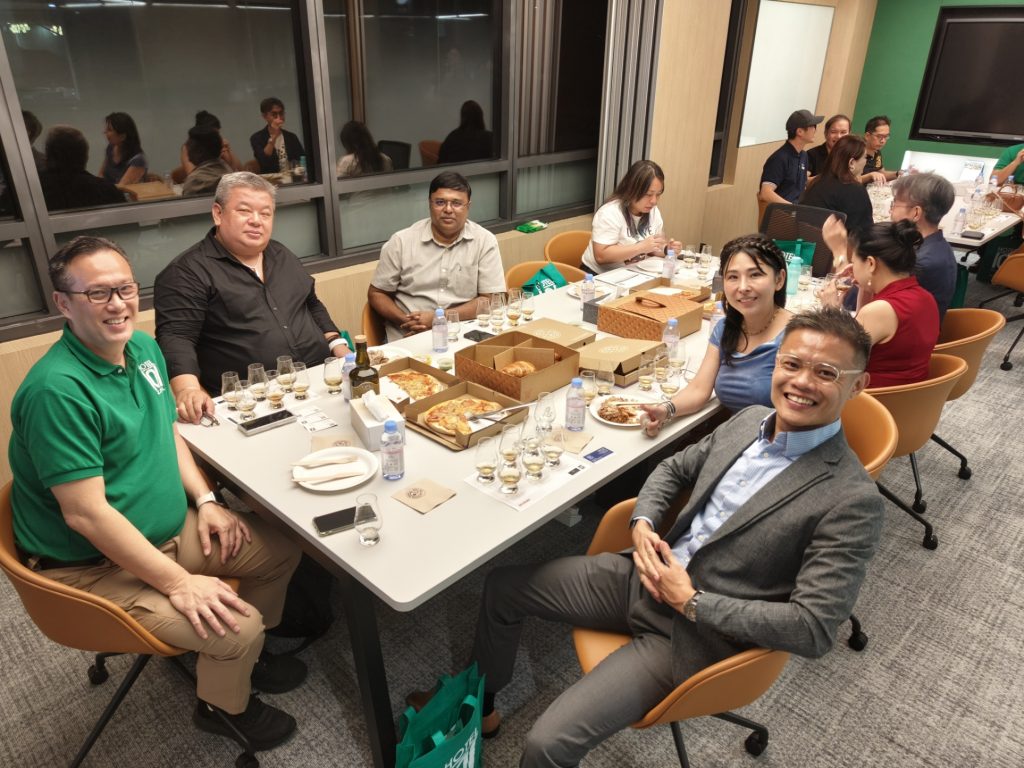
P.S: Glad to know that I am holding my liquor well from younger days, and I absolutely enjoyed the company of Eddie Eyo, Palaniappan, Clarence Chang, Kum Wah Kan, Jasmine Goh and Michael Sim. 🥃
This article is also published on https://marvinfoo.com/blog and LinkedIn.
🌏 防御型投资、酒店业与威士忌在商业中的文化角色
当人们谈到防御型投资时,话题往往集中在公用事业、医疗保健或消费必需品。但酒店业,尤其是Hotel Bed & Breakfast (HBNB) 和公寓式酒店(condotel)模式,同样值得深入关注。以生活方式、旅行和持续需求为支撑,这一领域能够抵御经济周期的波动,同时满足人类最基本的需求:休息、连接与文化。
很高兴受邀与来自亚洲和东南亚地区的商业伙伴再次聚首。从航空业、并购交易到休闲交流,我们将一个晚上的聚会延伸为长久的好印象——因为在酒杯之间,我们愉快地举杯,却又懂得节制。饮酒的节制与旧时的禁酒令有什么关系?继续读下去,便会明白其中深意。洞察这则刊文与新加坡夜间场所营业时间的逐渐放宽。

投资逻辑:Hotel101 与 HBNB 模式
Hotel101 品牌旗下位于日本二世谷、西班牙马德里、菲律宾奎松市 Libis 和达沃的项目,展现了酒店业作为投资类别的韧性。它们不是传统的酒店,而是通过科技驱动的平台,最大化效率并提升宾客体验。
Hotel101 的整合优势包括:
- 自动化营销与交易管理 —— 数据驱动的动态房价、销售流程可视化、实时互动追踪;
- 全球预订与宾客体验系统 —— 数字钥匙自助入住、无接触身份验证、直接反馈回收;
- 运营管理 —— 绩效仪表盘、房态管理、简化的客房与供应链协调。
简而言之,这是通过数据与科技重新定义的酒店业——一个具备全球潜力的可扩展模式。它提供了五星级体验与永久产权,具备独特差异化优势;更重要的是,收益分配通过协议锁定,保障稳健。
创始人的成功履历:从快餐到全球版图
HBNB 背后,是拥有成功验证记录的企业家:
- Tony Tan Caktiong —— 快乐蜂集团(Jollibee Group)创始人,从 1978 年的 1 家店扩展到预计 2025 年的 9,750 家门店。快乐蜂在菲律宾证券交易所上市,市值超过 47 亿美元,并控股多个知名品牌,包括 Jollibee、Coffee Bean & Tea Leaf、添好运、Tiong Bahru Bakery。
- Edgar “Injap” Sia II —— Mang Inasal创始人,这是菲律宾增长最快的快餐品牌之一,预计 2025 年门店数将达到 580 家。他同时掌舵 MerryMart Consumer Corp.,自 2020 年起在证券交易所上市。
两人共同持有 DoubleDragon Corporation(菲律宾证券交易所上市) 与 Hotel101 Global Holdings Corporation(美国纳斯达克上市,代码 HBNB)。他们将消费品牌打造成家喻户晓的能力,为 HBNB 的成长故事提供了极高的可信度。
所有权与全球扩张
Hotel101 由 DoubleDragon Corporation 支持,两位创始人仍为主要股东。企业从菲律宾起步,正以轻资产战略向全球扩张,专注于经常性收入、强大的技术整合和国际市场渗透。
本质上,这不是投机项目,而是一种防御型、全球化上市的酒店模式,由已证明过自己能够把日常品牌扩展为全球帝国的企业家所打造。
文化、信任与威士忌在商业中的角色
投资不仅仅关乎资产负债表和预测,更关乎信任、文化与连接。商业往往不仅在会议室里达成,也常常在推杯换盏之间建立信任。
这让我想起一次与 SEA Shimano Pte Ltd 首席运营官 Michael Sim 的威士忌品鉴,他曾走访 欧洲 17 家和日本 3 家酒厂。我们品尝了来自苏格兰的 Wolfburn 威士忌,追溯至 1494 年——威士忌首次在苏格兰被创造,也是威士忌在世界历史的开端。
从带有雪莉甜味的 Wolfburn Aurora 到 10 年陈酿,每一瓶都展现了传承与工艺。最特别的是限量版的 “龙”系列,仅有全球 420 瓶,极具收藏价值。
威士忌与酒店一样,深具文化底蕴。过去,英国和美国的禁酒令显示了当社会无法自律时所带来的冲突与地下市场。但当文化学会尊重并节制地享用酒精,它便成为商业和生活中建立信任的重要纽带。


结语
酒店业与威士忌传递着相同的启示:持久的价值来自根本、信任与对文化的尊重。像 HBNB 这样的防御型投资,不仅是财务避风港,更是深植于人际关系、领导力验证和可扩展创新的机会。
P.S: 很欣慰自己依然保持着年轻时的酒量,更加享受与 Eddie Eyo、Palaniappan、Clarence Chang、Kum Wah Kan, Jasmine Goh 以及 Michael Sim 的美好时光。🥃
此刊文也发布在https://marvinfoo.com/blog与领英社交媒体。